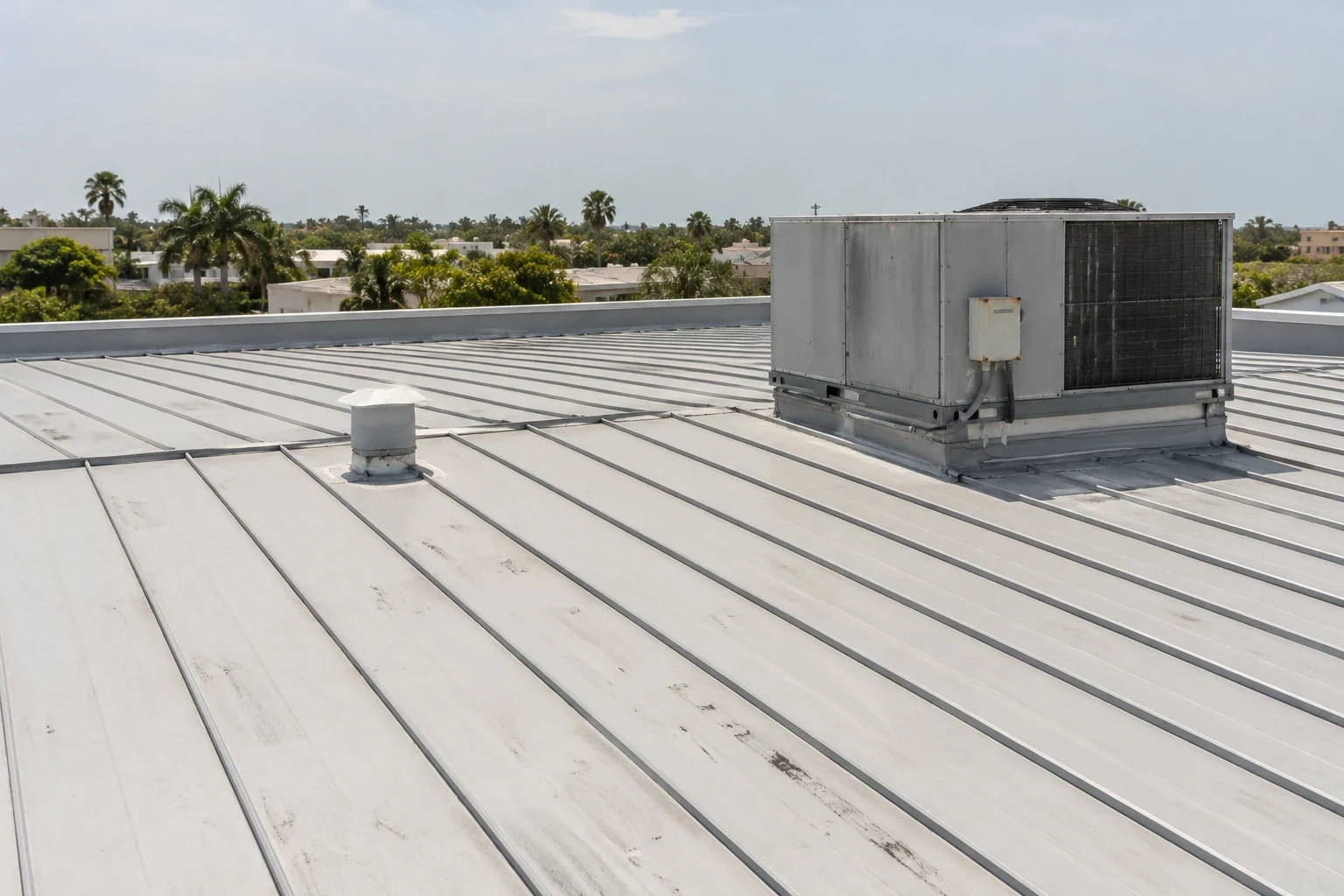
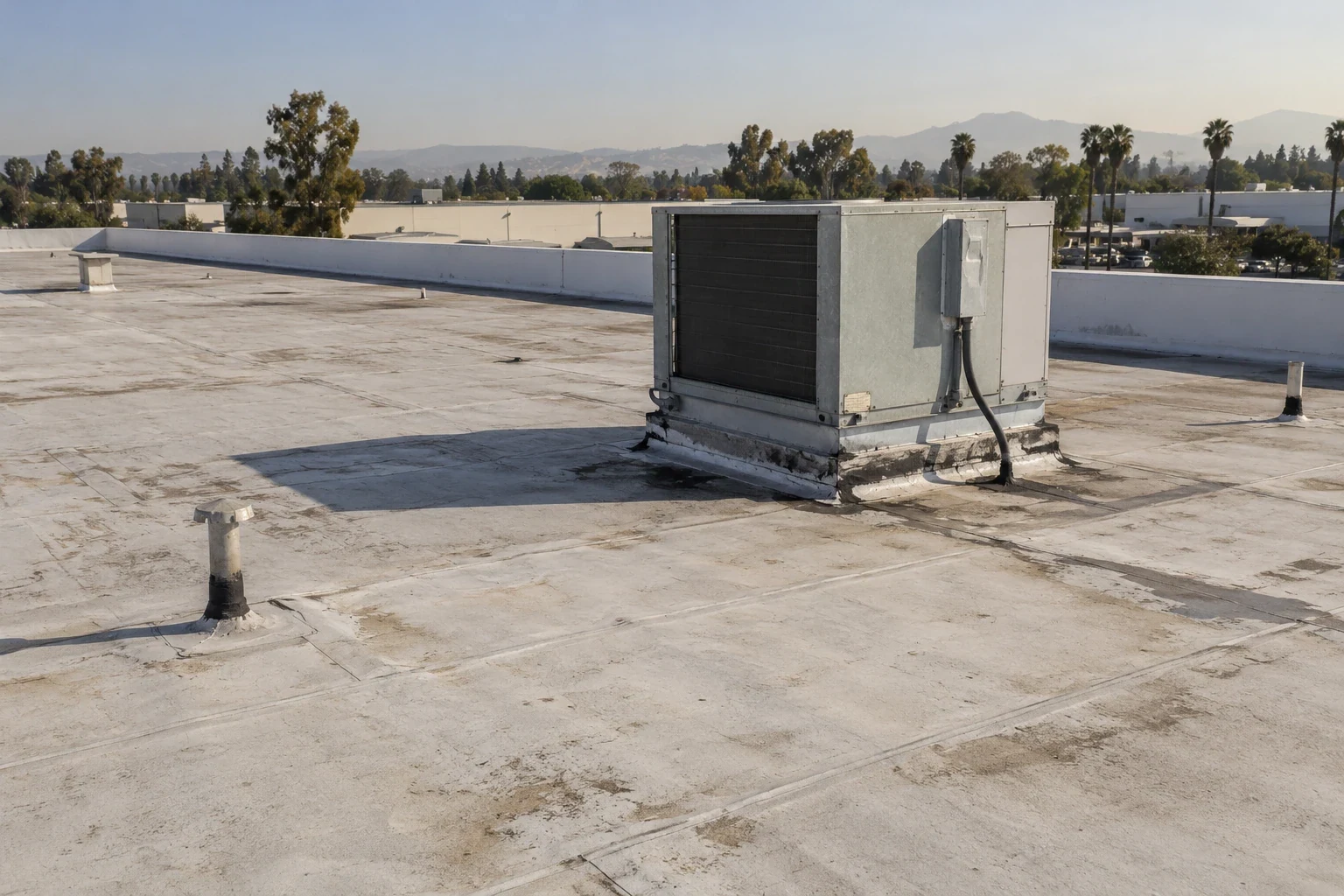
For a warehouse or commercial building in Sun Valley, a good roof recommendation starts at the problem detail and works outward. We inspect the membrane or metal, the flashing and the deck under the proposed repair. The owner gets a scope that includes access and building operations. The roof system we recommend follows that inspection, so the price reflects a practical decision rather than a number for patching what you can see.
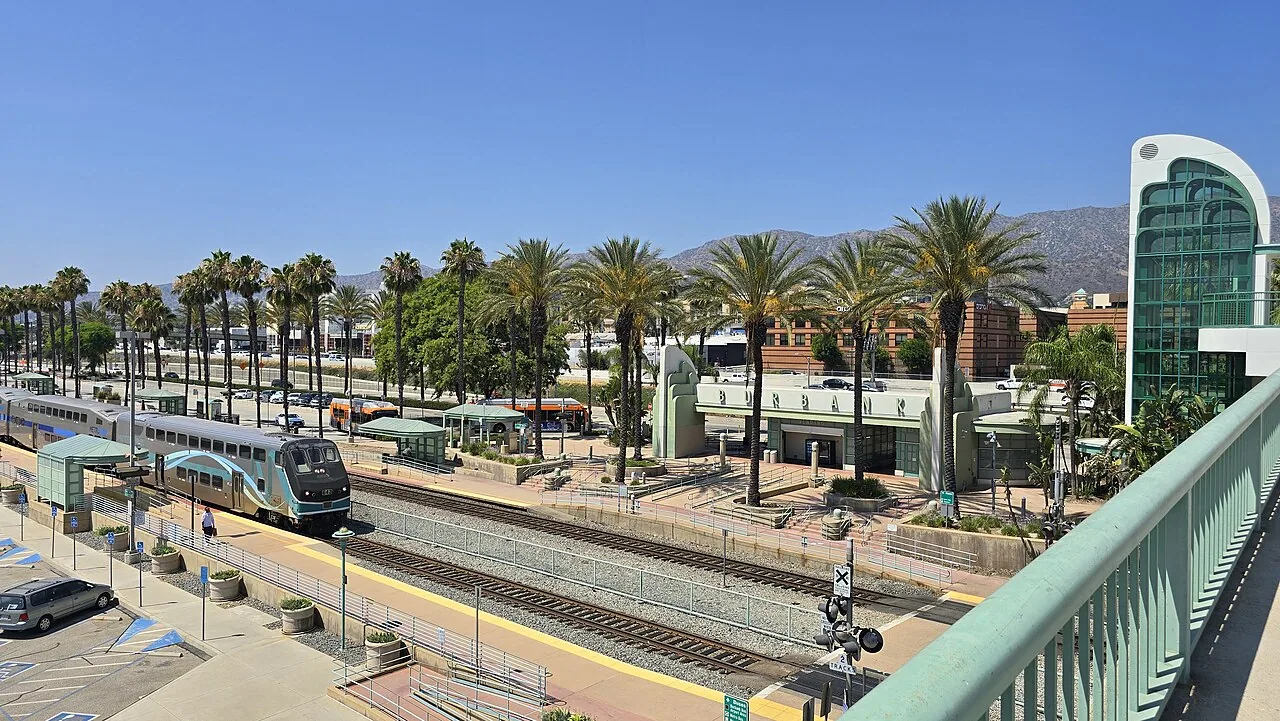
Sun Valley sits at the base of the Verdugo Mountains and borders Burbank to the southeast. We serve the area from Glendale, CA. Your contact confirms the building and what goes on below the work. We find the roof area that needs attention and check the route to get there. The recommendation ties what we found to the repair and the decisions needed at your property.
Before repairing a seam, we need to know what kind of roof it is. We look at the seam, the membrane around it and any old repairs. Dirt, old coatings or worn-out membrane can keep a new seam from bonding. A TPO or PVC seam is welded with heat, while an EPDM rubber seam uses adhesive and tape, so the methods differ. We describe the material and prep needed at that spot, and the repair price includes the finished seam.
With commercial roof repair, a patch only works if the roofing around it is sound. A damaged detail may also involve wet insulation or a damaged deck underneath. A core cut or small opening can answer that where needed. We photograph what we find and patch the test spot. A larger repair area needs evidence that covers it before hidden damage turns into a tear-off quantity.
At a wall or pipe, we look at how the membrane ends, the flashing and whether there is room to do the repair properly. The whole detail has to be sound, including any wood blocking or backing. We note any work for other trades and when it will be checked. The owner can see exactly what the repair involves and why a detail can take more labor than the same area of open roof.
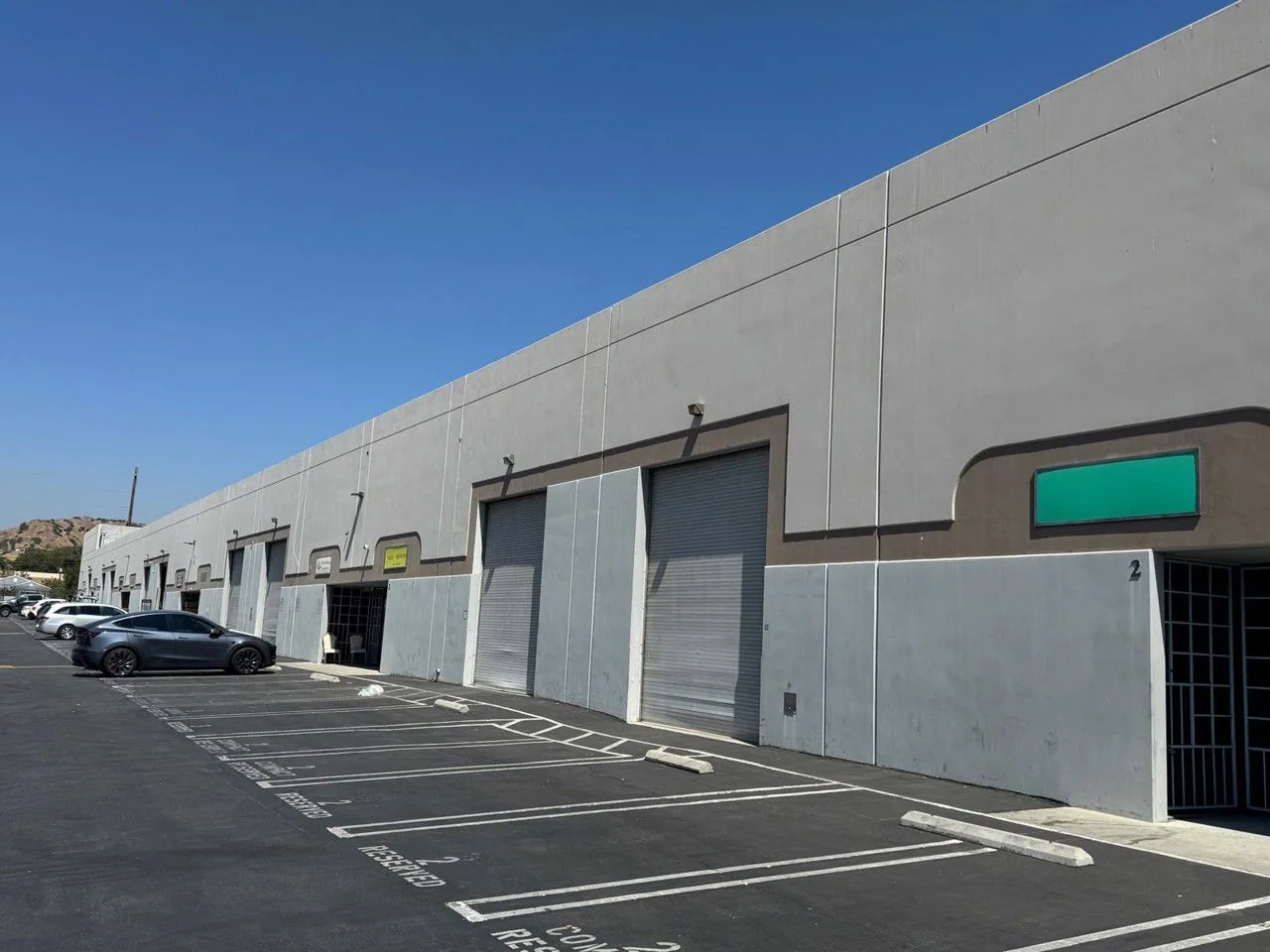
On a metal roof, a leak can come from a panel lap, a pipe flashing or loose or worn fasteners. We inspect the actual detail and the panels around it rather than treating every stain the same way. How the panels move and how they are joined both affect the repair. If the metal under a seal or flashing is rusted through, it may need replacing before any new seal will hold. That work goes into the scope.
For standing seam metal roofing, we identify the panel type and how the seams and clips are attached. For a larger project, we also look at the supporting structure, fastening and engineering requirements. A retrofit roof over the existing metal requires checking both the old roof and the new attachments. The manager should see what stays, what gets rebuilt and what testing could still change the choice.
A coating option depends on the condition of the metal surface and the prep the product requires. We check for rust, dirt and damaged panels and confirm the coating is compatible with the existing finish. Coating over unrepaired damage does not fix it. We list the repairs and prep alongside the coating, so you are comparing complete systems, not a coating price against a replacement that includes more work.
The operator tells us what is stored and what goes on below the work. We get the allowed work hours and any rules about products or noise. Your facility team reviews our methods. HVAC and other equipment are shut down or protected by the qualified people who maintain them. We plan our roof protection around that, and we review it again if the work area or activities change.
For warehouses, warehouse roofing includes planning where materials arrive, where they are stored and where debris goes. We walk the route to the roof and look for conflicts with trucks, forklifts, workers and emergency exits. Limited storage may mean extra handling or more deliveries. We list that work next to the roofing prep, so the manager sees the full job and a clear handling cost.
Materials and prep by other trades need to fit the planned work days. A short daily window can mean setting up more than once. More prep can change protection needs or how much roof we can open. We present any changes with revised costs for approval. The plan stays tied to the work each phase must finish before the next one starts.
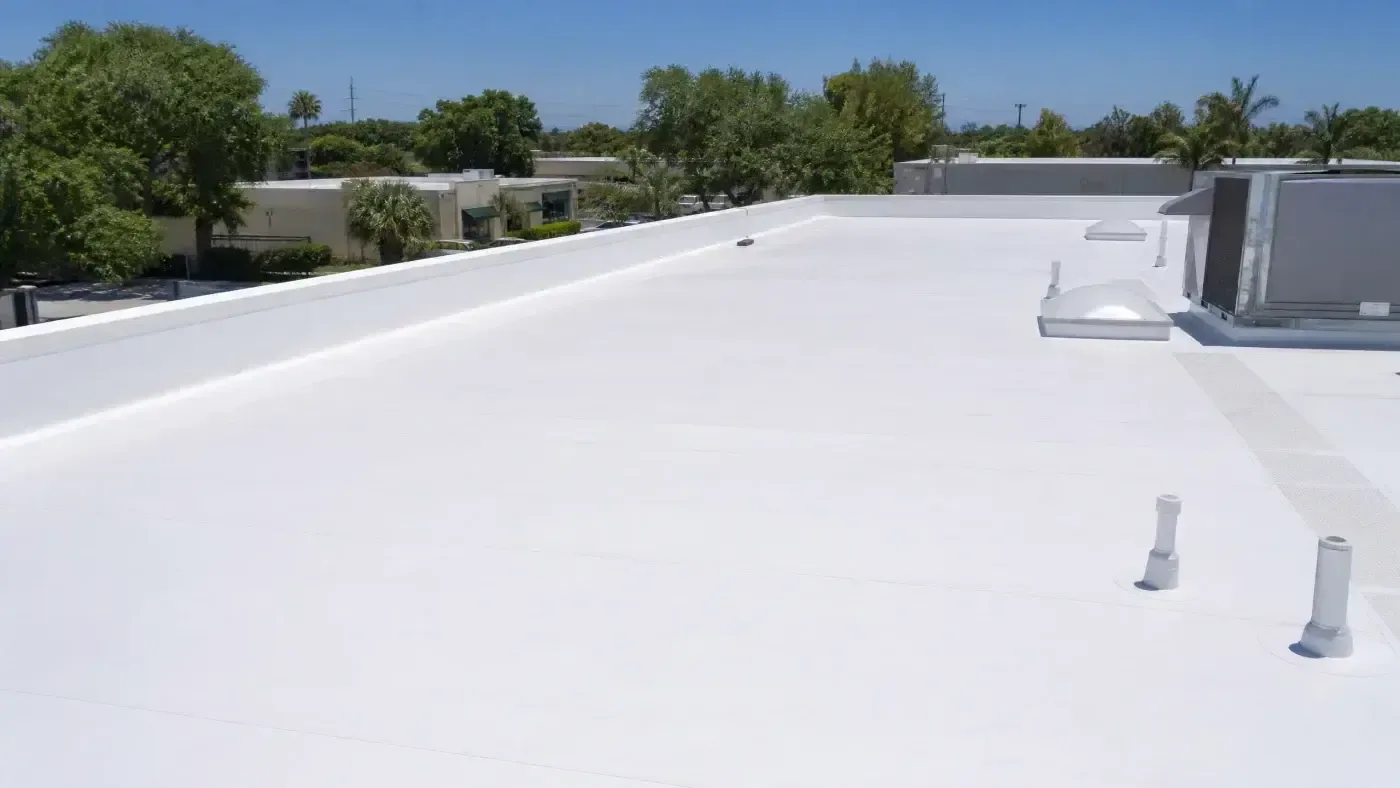
When a rooftop unit changes, the mechanical contractor and engineer provide its size and support requirements. We confirm there is room to flash it properly, and the insulation and membrane follow the approved equipment plan. Moving a unit can leave an old opening that needs new deck or insulation. We include each spot, name who prepares it and inspect it before the roof covers it.
Drainage work starts with each drain and how water flows to it. We clear debris where that fixes it. For water that keeps ponding, we check the slope and the layers around the problem area. Supports and discharge are reviewed with a plumber before any drain or slope change is proposed. The roof details follow that plan, and cleaning and rebuilding have separate scopes and approvals.
For interior leaks, we note where and when the water appeared, along with weather and equipment details. Water can travel inside the roof before reaching a room, so we test along the likely path. We consider condensation only when the building's conditions point to it. A confirmed roof defect gets repaired, and any HVAC or wall question gets its own next step and contact.
The region has dry, hot summers and gets most of its rain in the cooler months. For Sun Valley jobs, we check the actual weather and roof surface against the product specifications. Santa Ana winds call for attention to exposed edges and panels, while the roof system design sets fastening. Sun Valley is part of the City of Los Angeles, and we confirm permit requirements for your address before ordering materials.
A building in Burbank or Sunland-Tujunga gets its own inspection. For an urgent leak in Sun Valley, we first confirm who can approve roof access and whether conditions are safe. The help available and the roof type decide what temporary protection we can put in place. Any temporary patch is recorded with its location and purpose. The permanent repair or more testing is scheduled afterward, while your building contact handles operations inside.
At the end of the job, our roof condition reports keep photos of the prep work, the materials installed and any approved changes with the finished details. Later inspections are dated at the same roof landmarks. Open maintenance and other trades' work get a contact and next step. The owner has a record of what was done and what remains, which explains the cost after the prep work is hidden.
Sun Valley sits near the Verdugo Mountains and borders Burbank to the southeast. That helps with directions but tells us nothing about a roof's exposure, slope or condition. We inspect your building, note visible repairs and trace the water path before pricing a repair. If the project includes an HVAC change, we settle the curb and supports with the right trades before opening the roof. The site forecast and the roof system decide how we protect the roof during work. At closeout, we list the work done, the areas left in place and any open questions, so the building manager can plan the next visit.
Tell us about your Sun Valley building and the roof problem. We will inspect it and explain the prep, logistics and next step.
Other services, systems and conditions Glendale owners often review alongside this one.
Scope, conditions and planning details for Glendale commercial buildings.
We identify the membrane type and check its condition. TPO and PVC seams are heat-welded, while EPDM uses adhesive and tape, and the price includes the full finished seam.
It should not. Damaged panels or deck need repair before coating. We compare complete systems with that prep included.
Deliveries, storage space and moving materials around trucks and forklifts add labor. We price the approved delivery plan.
It may need new deck or insulation and a watertight patch. We assign the prep and check it before covering it.