Get Answers Fast

Send the Building Details

Request an
Assessment

Call Our Team

555-555-5555
Request an
Assessment
555-555-5555

Cold Storage Roofing

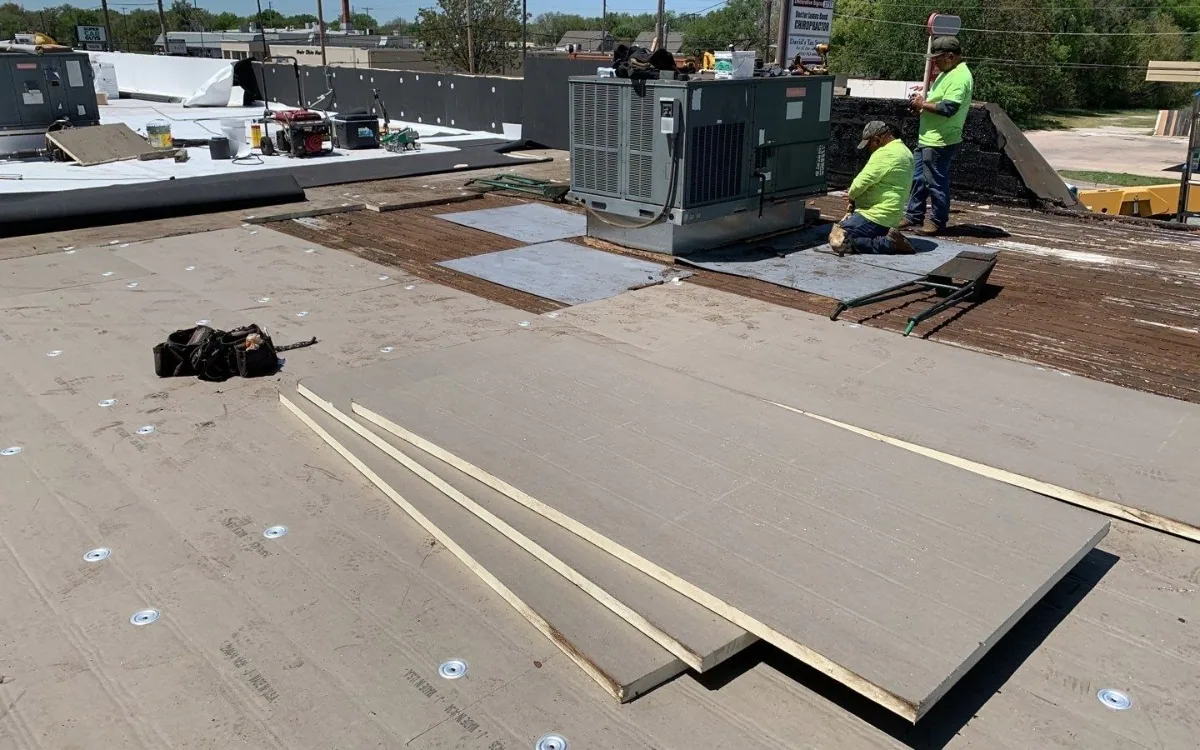
Water in a cold storage building is not always a roof leak. It can be rain coming through a seam, a refrigeration line dripping, or condensation forming where warm air meets a cold surface. Each one has a different fix. Cold storage roofing in Glendale, CA, starts with where and when the water shows up and how the building is set up. We inspect the roof details we can reach and tell you what the next step should be, including which parts belong to the refrigeration contractor.

Your operating needs stay part of the plan. The facility tells us temperatures, product protection and access limits; we describe the prep and repair work we propose. Any open question about the insulated panels or equipment is assigned before a larger repair quantity is approved.

Leak or Condensation?

We record where the water appears and what was happening at the time. If it drips after rain, the roof is the likely suspect. If it shows up on dry days or near evaporators and lines, the cause is more likely refrigeration or condensation. We check the roof and bring in the refrigeration or panel contractor when the evidence points their way.

Our commercial roof leak repair work checks seams, wall terminations and penetrations near the problem area. We describe what we found and what it explains. If a wet spot is still unexplained, it stays on the investigation list instead of being lumped into a membrane repair.

Infrared scans can help find wet insulation when conditions are right, but sun, shade and equipment heat can also create false patterns. We confirm suspicious areas with core samples before sizing a replacement area, and keep suspected areas separate from confirmed ones.
Cold Storage Roofing in Glendale, CA

Insulation, Vapor Control and Wall Transitions

On a cold storage building, a roof repair can affect the insulation and vapor control that keep the cold in. We confirm how the roof insulation ties into the insulated walls or panels at the affected area. The panel contractor reviews continuity where needed; we handle the roof flashing and the deck and insulation under it.

Our roof insulation and cover board scope records wet or crushed insulation and what the cores show. A repair cut tells us about one area; other sections may need their own testing before a recover or tear-off decision relies on them. We explain that difference when you compare keeping layers with removing them.

We also measure what a new roof build-up does to heights at walls, drains and equipment curbs. Thicker insulation may mean raising curbs or adding a new transition. That work is included with the option that requires it, so you see the full scope rather than a membrane price alone.

Refrigeration Equipment on the Roof

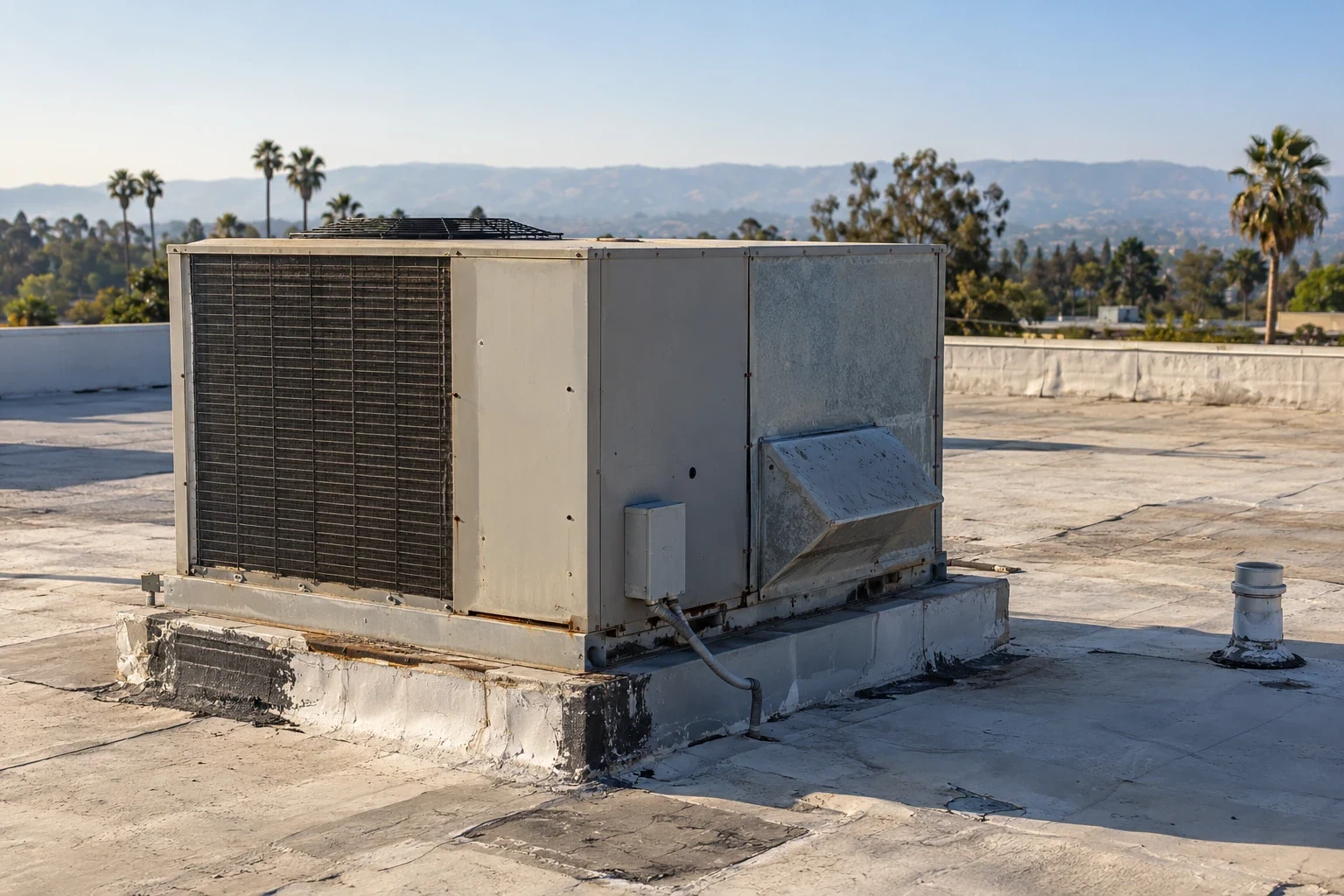
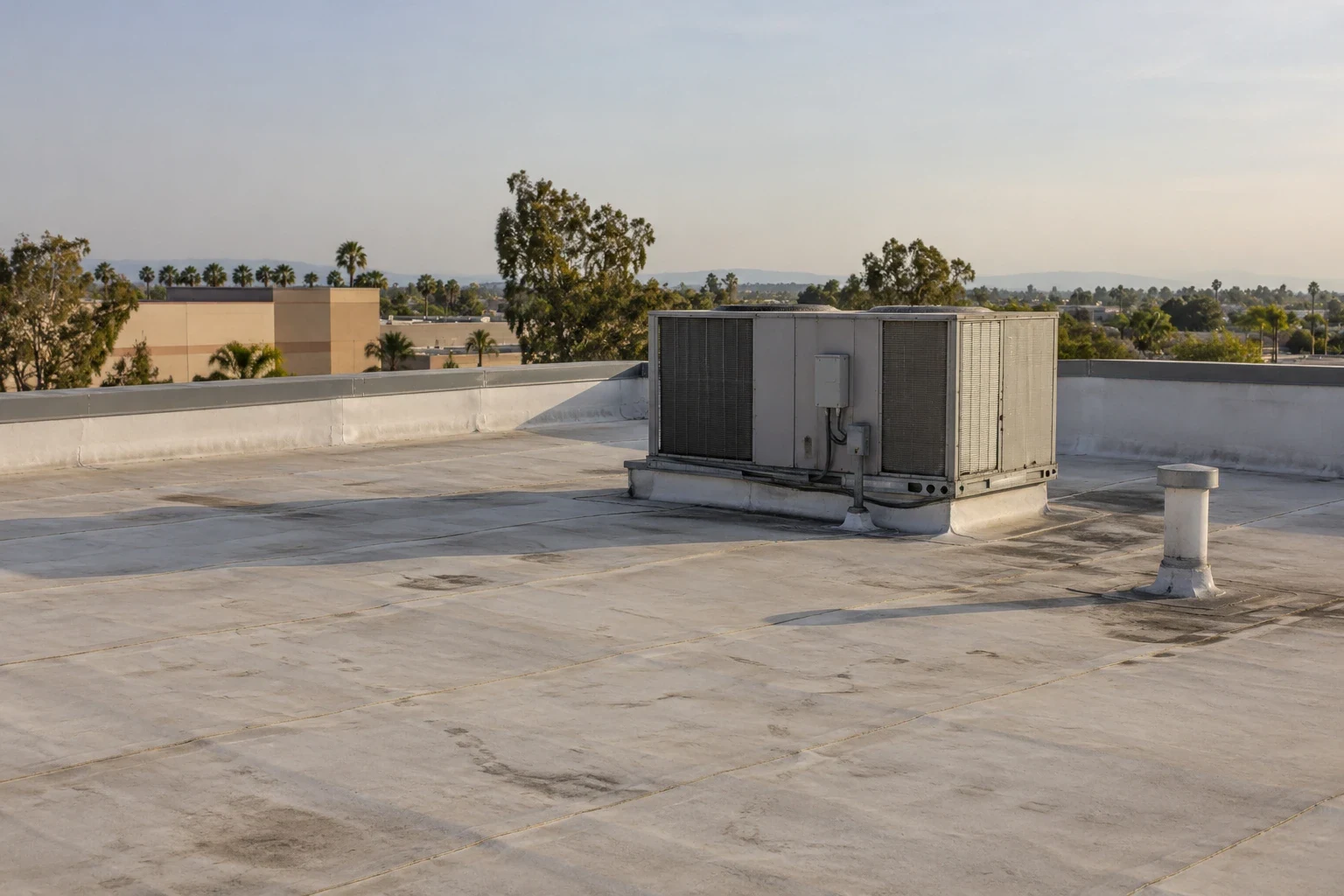
When condensing units or other refrigeration equipment is being replaced, we compare the new layout with the roof. We need the dimensions, support requirements and service clearances. The refrigeration contractor and engineer set those; we record the curb height and space needed for a proper roof flashing.

Our rooftop equipment curb and support work runs alongside the equipment change. If a support or panel repair delays close-up, we install temporary protection and name who looks after it. The permanent flashing goes on once that work is done.

The operator decides whether any refrigeration can be shut down and for how long. We never build a roof plan around an outage nobody has approved. Pending decisions are written into the schedule so equipment-related roofing costs line up with a realistic operating window.
Cold Storage Roofing in Glendale, CA

Site Access and Working Over Stored Product

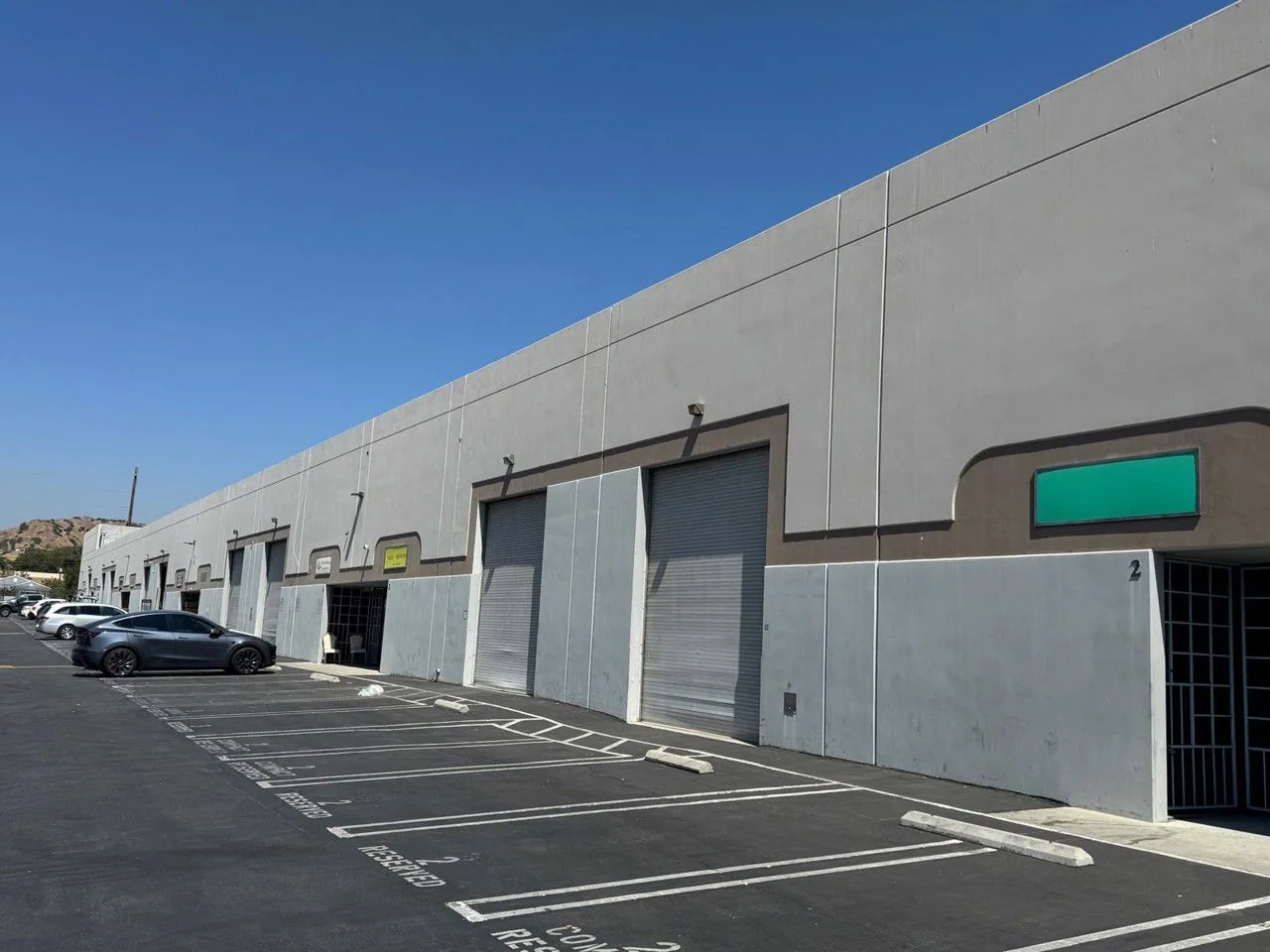
Many cold storage buildings in Glendale sit in the industrial area along San Fernando Road and Fairmont Avenue, where truck traffic is constant. Each building needs its own unloading spot and staging area. Our San Fernando Road corridor projects are planned around the operator's truck and forklift traffic, and any extra material handling is listed in the estimate.

Burbank borders Glendale on the west. An owner with buildings in both cities can bundle purchasing while keeping separate access and equipment records for each. Every building sets its own product protection and work windows, and we keep those tied to the roof they apply to.

When reroofing an occupied building, we agree on debris control and communication with the facility. We need to know what is stored under each work area and how it is protected. Different rooms may have different rules, and protection stays in place through repairs and close-up, including any wait on another trade.

Comparing Repair and Reroof Options

A spot repair needs compatible material and sound membrane around it. A recover needs an existing roof that can take the new system and its fasteners. A tear-off includes disposal and rebuilding under the new roof. Compare those options along with the insulation and operating requirements that come with each. The lowest membrane price may leave out work a complete bid includes.

Drainage problems need the right fix. Clearing a clog is not the same as rebuilding a drain connection or changing how the roof slopes. Plumbing or design work is assigned where needed, so you know what the roof repair covers and what else must happen.

A manufacturing plant roof or warehouse roof can have very different operating conditions. Each building keeps its own findings and approvals, and shared purchasing does not mean one method fits every property.

Weather, Changes and Closeout

Glendale's hot, dry summers and cooler rainy season shape the schedule. Surface conditions and product limits govern each day's work. We only open as much roof as we can protect while panel or refrigeration work continues, and the work needs both a ready roof and an approved operating window.

If we find new damage during prep, we record its location, explain the added repair and cost and any change to product protection, and get approval before expanding the work.

You can call us overnight, on weekends and on holidays. Tell us where the problem is and who can give access. What happens on site depends on crew availability, access and safe conditions. We document any temporary repair and the permanent fix still needed, and keep photos of finished details, installed materials and approved changes with any open refrigeration or panel items listed for follow-up.

Cold storage needs the roof reviewed with the temperature and moisture conditions inside. A roof opening can affect insulation, vapor control and the operation below, so we coordinate the boundary and temporary protection with the facility contact. We inspect the drains, penetrations and perimeter transitions before choosing a repair or replacement method. New refrigeration equipment needs a support and flashing detail settled before delivery. If concealed layers are wet, a surface patch will not answer the full question. Photos of the exposed assembly and finished closure go in the building file, so future maintenance can trace the roof build-up without opening the same area again.
Cold Storage Roofing in Glendale, CA

Talk Through Your Cold Storage Roof

Schedule a roof inspection. We will find the source of the water, explain the repair, and plan the work around your refrigeration and stored product.

Related Roofing Pages

Other services, systems and conditions Glendale owners often review alongside this one.
Cold-storage roof entry examination
Commercial Roof Leak Repair

Scope, conditions and planning details for Glendale commercial buildings.

Cold-storage roof layer and substrate planning
Roof Insulation and Cover Board

Scope, conditions and planning details for Glendale commercial buildings.

Cold-storage roof equipment connection review
Rooftop Equipment Curbs and Supports

Scope, conditions and planning details for Glendale commercial buildings.

San Fernando cold-storage roof handling plans
San Fernando Road Corridor

Scope, conditions and planning details for Glendale commercial buildings.

Questions About Cold Storage Roofing

We compare when the water appears with rainfall and refrigeration activity, and inspect the roof and panel details. Water on dry days near evaporators or lines usually points to refrigeration or condensation.

It can point to suspect areas under the right conditions, but sun, shade and equipment heat can mislead it. We confirm with core samples before sizing a replacement area.

The unit layout and support requirements, a curb tall enough for proper flashing, any related panel work, and temporary protection until the permanent flashing is installed.

The operator tells us what is stored where and what access limits apply. We price the agreed protection and debris control, and different rooms can have their own rules.

Photos of finished details, the products installed, approved changes and any open refrigeration or panel items. The next inspection can start from what was done and what is still pending.

ServicesRoof SystemsProperty TypesIndustriesService AreasDamage RepairCapabilitiesManufacturersAboutRequest a Roof Assessment555-555-5555
Call555-555-5555