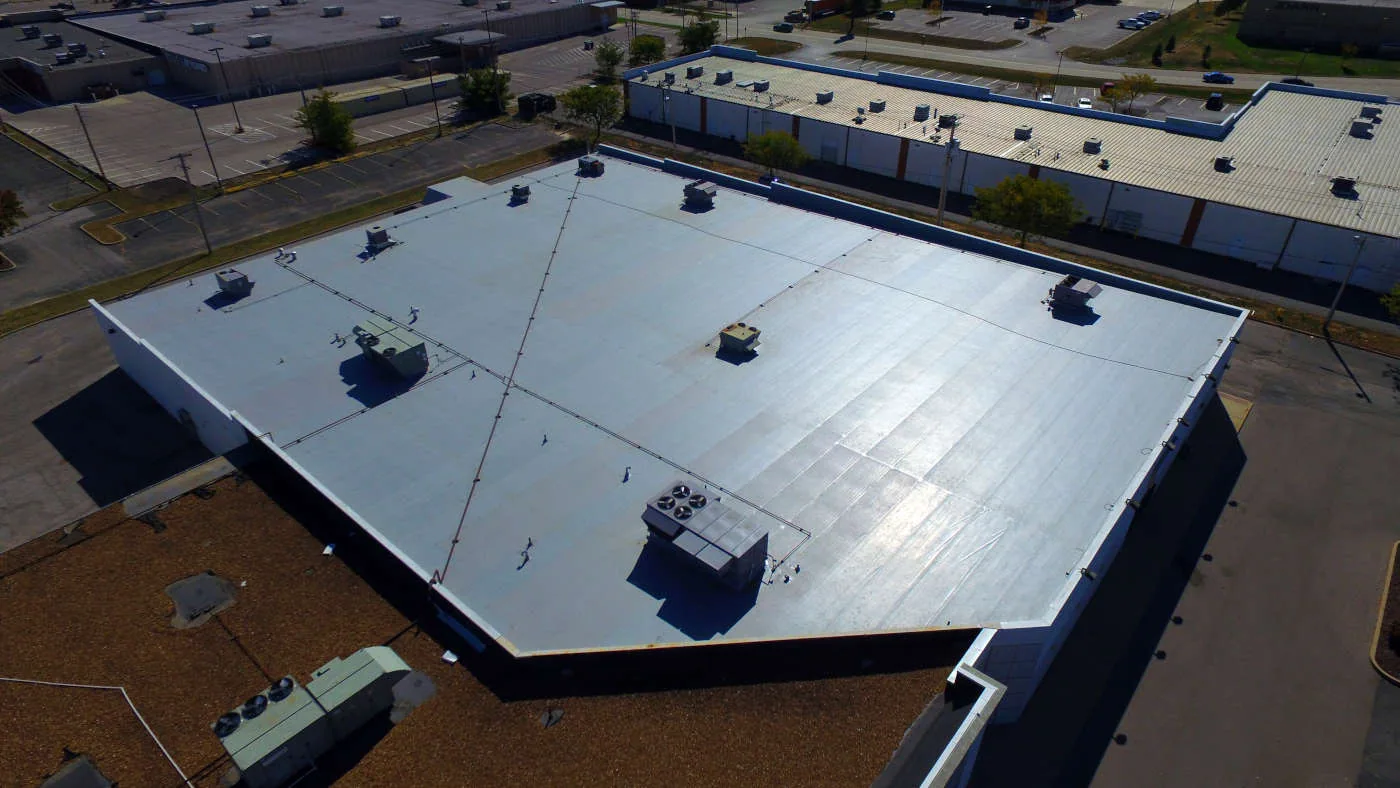
Downtown Los Angeles roof projects are as much about access as about the roof itself. We inspect the problem area, explain what the repair needs to cover and how it will tie into the existing roof, and include the logistics of working in an occupied building. If a hidden condition could change the plan, we spell out the extra check needed, so orders and schedules are based on what we actually confirmed.
Downtown covers very different areas, from Arts District lofts to Civic Center buildings and Financial District towers, with Union Station nearby. We serve the area from Glendale, CA. Your building contact shows us the property and the roof section in question, and we review how the roof is built and how the crew can work there. Each downtown building gets its own access, equipment and permit plan.
The square footage of a roof does not show what it takes to get materials there. We confirm the building entrance, where deliveries can be received and how materials reach the roof. If the plan uses a freight elevator, crane or hoist, we confirm the rules with the building operator. Debris removal is planned on its own. Limited storage space or extra handling is listed in the estimate along with the repair.
For offices, office building roofing starts with what is in the rooms below the work and who is in them. The building team reviews our methods and products. HVAC and other equipment are shut down or protected by the qualified contractors who maintain them. We plan our roof protection around those decisions and check back if the work area grows or a floor's use changes.
Materials, prep by other trades and protection all have to fit the planned work days. A bigger job can mean more deliveries, more storage or setting up more than once. We work that out before stretching the original plan. You can compare the full cost and see how site logistics add to it, instead of finding handling charges after the roof price was approved.
A damaged wall flashing or curb needs a look at the roofing it will tie into. We note the membrane, seams and old repairs that affect the new work, and our photos include enough of the surroundings that your staff can find the spot again. Where drawings exist, we compare them with what is installed. If a hidden layer or fastening question could change the repair, we name it before choosing a test or making an opening.
During a commercial roof inspection, each core sample shows the roof build-up at that spot. We photograph the layers and patch the cut properly. If we recommend keeping or tearing off a large area, we gather enough samples to support it. Areas we could not reach are listed, so nobody orders materials based on guesses about what is under the membrane.
Infrared scans help pick where to cut cores when the conditions are right. Rooftop units, shaded areas from neighboring buildings and mixed materials can all change readings. We interpret the scan and confirm with cores. The report separates what the scan suggests from what we actually found. Any remaining question gets a specific next step, so management can decide with confidence.
A spot repair needs sound roofing around it to tie into. A coating needs a surface we have inspected and a prep plan for the product. A roof-over relies on the existing roof's condition, fastening and strength. When keeping the old roof will not work, we price tear-off and a new roof. Each option is priced against the same problem, including the wall and curb details and the building's work rules.
With occupied building reroofing, the estimate includes the hard wall and equipment details where they apply. Thicker insulation can change flashing heights and drain levels nearby. If another trade has to repair the deck or framing, we say who is doing it and when we will check it. You get the full finished job explained, not a membrane price that leaves the prep work unclear.
Tear-off sometimes reveals more damage than anyone could see. We mark the spot, describe the extra work and send the quantity for approval. We also explain how it affects handling, protection and the schedule. Photos are taken before the new roof covers the repair. That gives management a real reason for any change in price, alongside the original inspection findings.
When a rooftop unit is changing, the mechanical contractor and engineer give us the unit size and support requirements. We check for enough clearance to flash it properly and build the insulation and membrane around their plan. If a unit moves, the old opening has to be rebuilt elsewhere on the roof, including decking or insulation. We name who handles each piece and inspect it before it is covered.
For drainage, we inspect each drain and how water reaches it. Clearing debris is routine maintenance. If water keeps ponding, we check slope and the layers underneath. Changing a drain or the roof slope needs a plumber, and sometimes an engineer, to confirm supports and where the water goes. Routine cleaning and drain rebuilding are separate line items in the estimate.
For interior leaks, we note when and where water appeared and any recent equipment work or rain. Water can run along the deck some distance before showing up indoors. We inspect the roof based on that history. Condensation is considered only when the building's conditions point to it. Confirmed roof repairs are kept separate from HVAC or wall issues, which go to the right trade with a clear next step.
Downtown follows the same broad pattern as the Glendale area, with hot, dry summers and most rain in the cooler months. We still check the actual weather and surface conditions before applying any material. Santa Ana winds are a reason to inspect edges, while the fastening design follows the roof system and project requirements. Permits go through the City of Los Angeles, and we confirm what your job needs before ordering materials.
If you also manage a property in Hollywood or Lincoln Heights, it gets its own inspection and access plan. For an urgent leak downtown, we confirm safe access with building security and see what help is available. Temporary patches are recorded with their location and limits, and the permanent repair or more testing is scheduled afterward. The building team decides how to handle affected tenants.
At the end of the job, our roof condition reports keep the before-and-after photos, the materials installed and any approved changes. Open maintenance items or work by other trades are listed with a contact and next step. Later inspections are added with new dates at the same roof landmarks, so the owner can explain what was spent and plan what comes next.
Downtown has many different kinds of buildings, from Arts District warehouses to Civic Center offices and the blocks around Union Station, each with different access. We confirm the exact building, roof system and loading route before setting the work area. Street deliveries, occupied office floors and mechanical access can affect cost and sequence, so they are part of the scope. On a tower or podium roof, structural and waterproofing details are reviewed with the project team before equipment moves. Conditions are checked at the site itself, not assumed from Glendale. A dated closeout with roof locations helps the next manager find the finished work.
Tell us about your downtown building and the roof problem. We will inspect it and walk you through the repair, access plan and next step.
Other services, systems and conditions Glendale owners often review alongside this one.
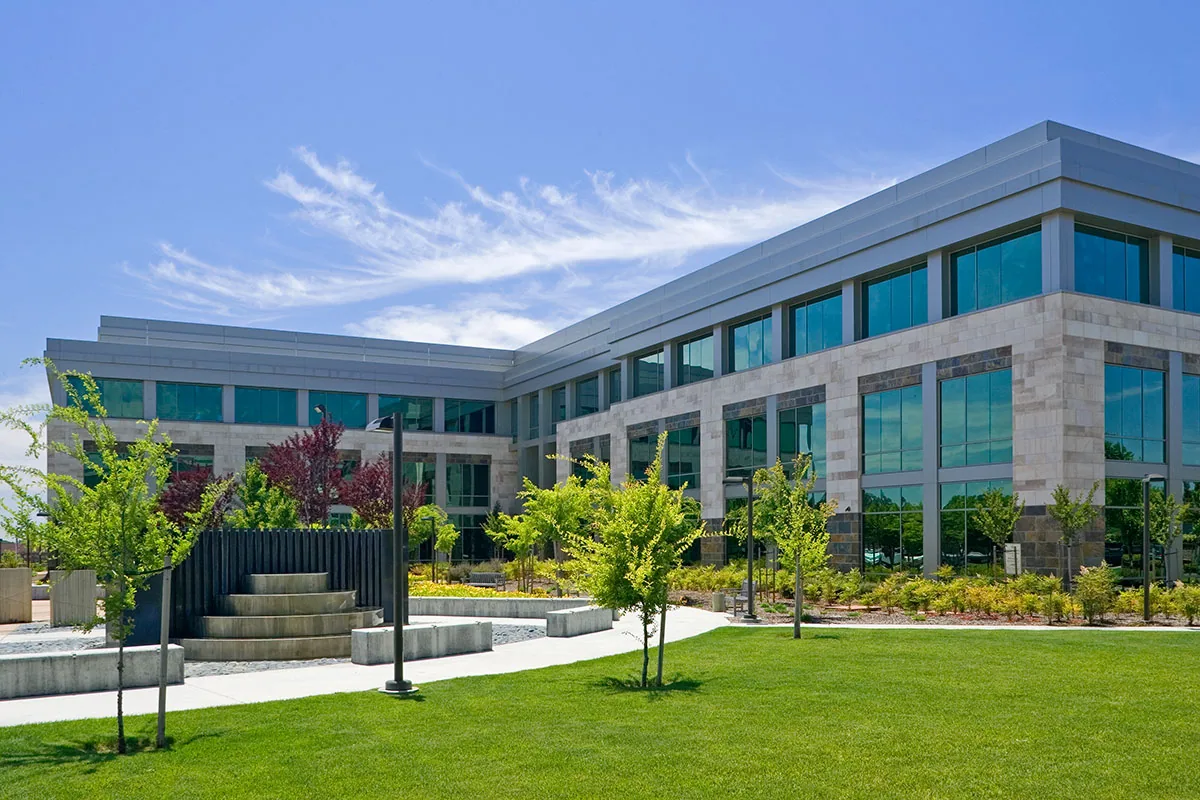
Scope, conditions and planning details for Glendale commercial buildings.
Material handling, freight elevator or crane use, interior protection and wall and curb details. Those costs can be significant and belong in the estimate.
No. A scan shows likely wet areas, but we confirm with core samples before recommending how much roof to keep or tear off.
Deck or framing repairs by others need to be finished and solid before we cover them. A quick check avoids opening the new roof later.
The photos and approvals show why the price changed. They still make sense after the new roof hides the repaired deck.