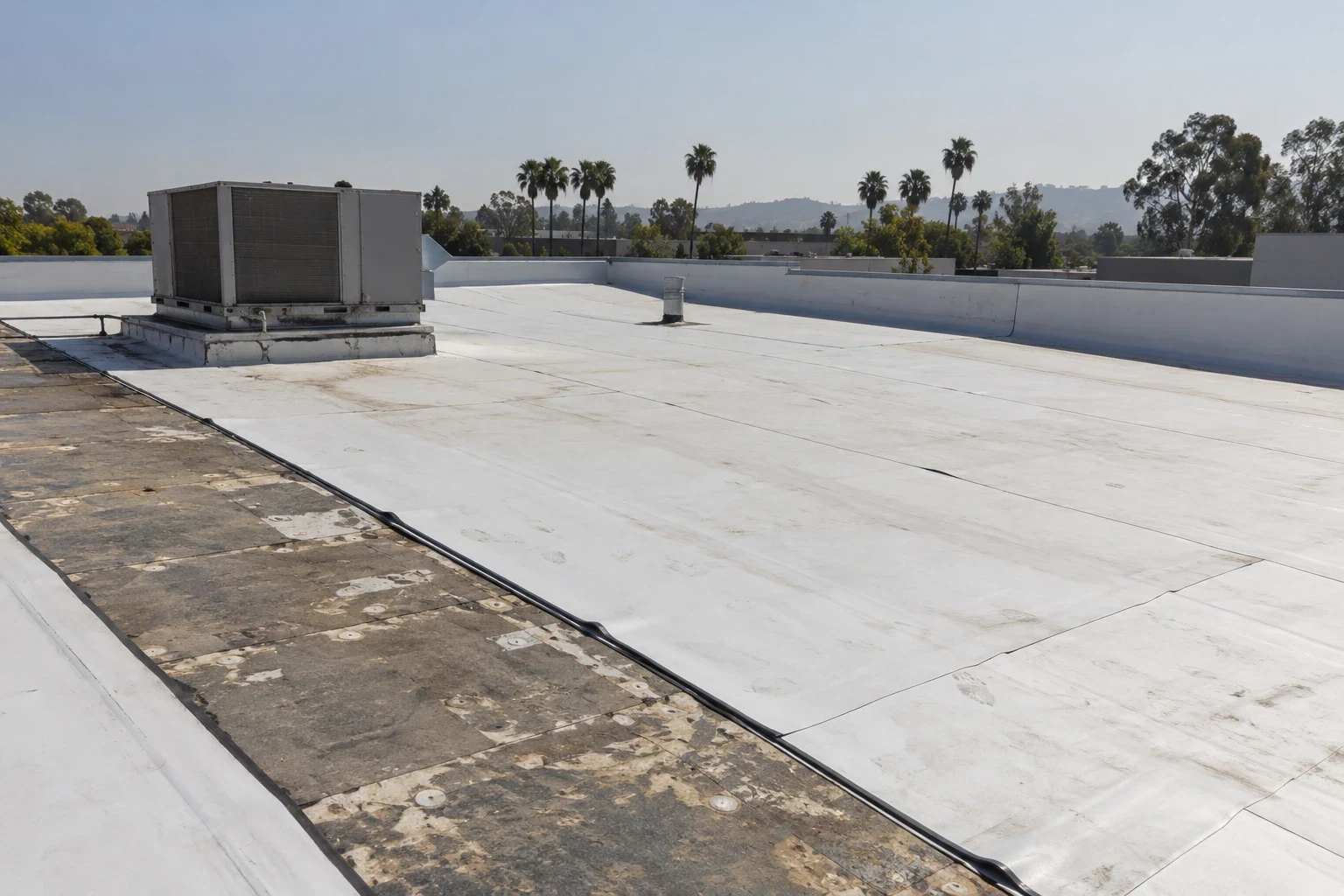
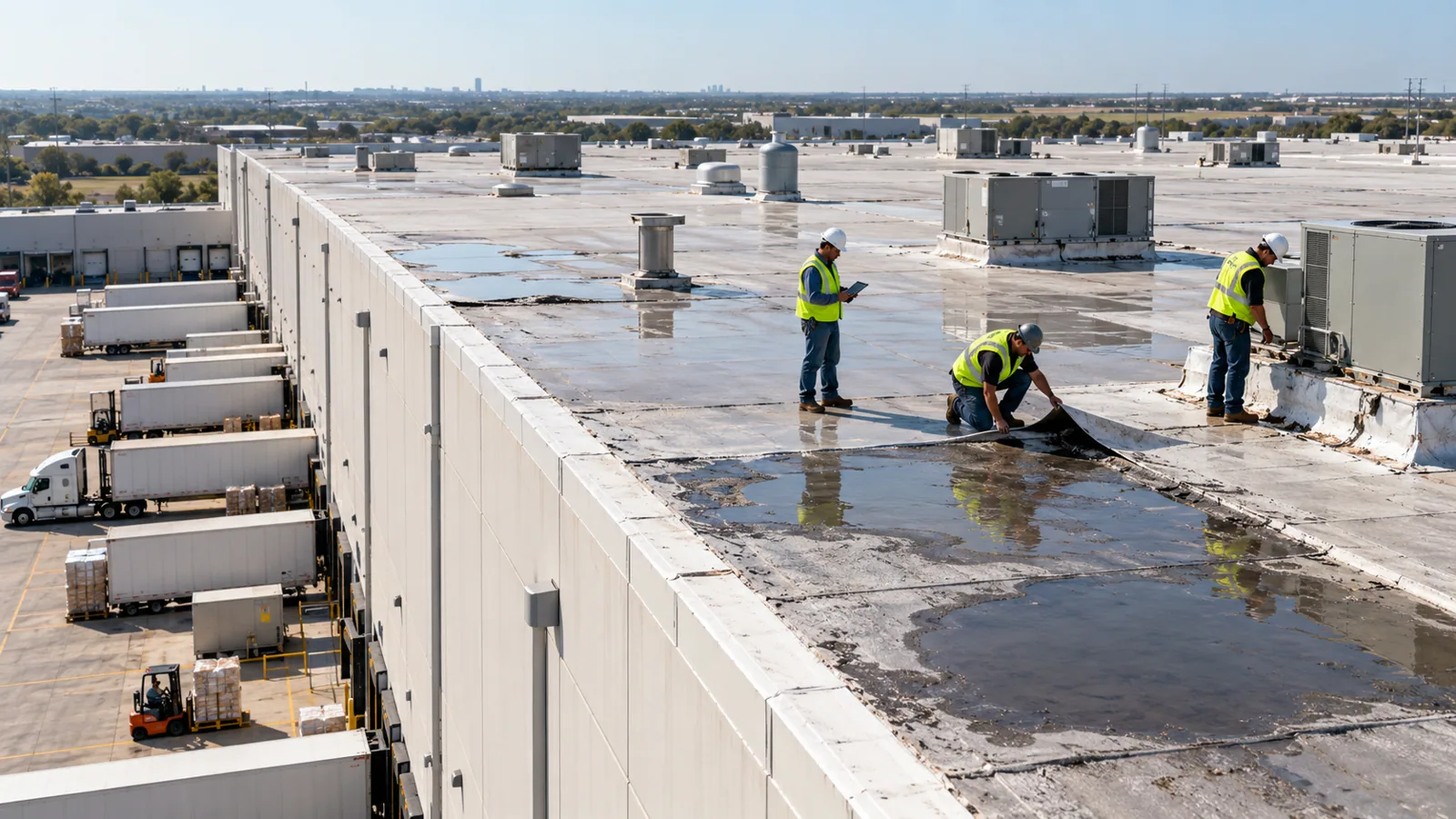
When a retail property owner chooses TPO, the conversation should cover more than the membrane. The asset manager also has rooftop units, drains and tenants to think about. A TPO price only means something when it includes those details and the condition of the roof underneath.
TPO is a single-ply thermoplastic membrane with heat-welded seams, and it is one of the most common low-slope roofs on commercial buildings in Glendale, CA. We inspect the existing roof and the planned work, then spell out the prep, insulation and welded details. The owner gets a plain description of what is being installed and which questions still need answers. That is what lets you compare complete proposals instead of matching product names.
An EPDM roof is a rubber membrane with taped or glued seams instead of welded ones. A PVC roof is also heat-welded but uses a different material with its own strengths, such as resistance to grease and chemicals. To compare them fairly, the asset manager needs each proposal's insulation, prep and flashing work listed next to the membrane price.
We start by identifying each roof area and whatever history is available. Different roof levels often went on at different times. The year the building was built and its floor area tell you nothing about how old the current membrane is or how many squares of roofing are up there.
A condition review should list what we found and what we could not check. We record damage and any hidden questions that matter. A wide photo of the roof surface cannot show every layer or the condition of the deck underneath.
The proposal should name the TPO product, its thickness, the insulation and cover board, and how everything is attached. That tells you exactly what the bid covers. Simply writing "TPO roof" leaves all of those decisions open.
Approved product data stays with the estimate. If a component changes, we review the prep and details that go with it. The crew and the purchasing team work from the same approved specification, not separate versions of a typical roof.
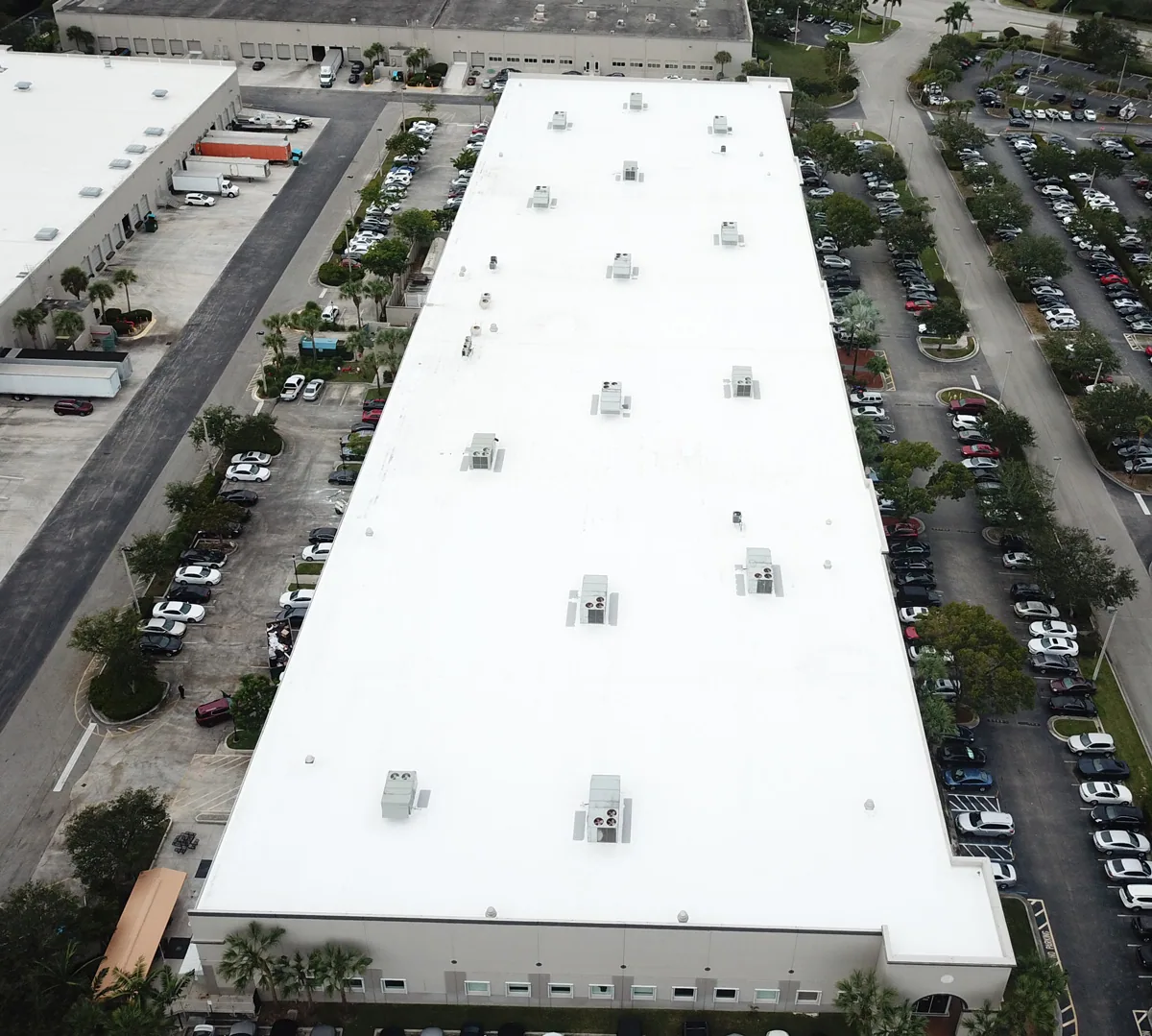
Before setting quantities, we check what will stay in place and whether it works with TPO. Cleaning, a separation layer or deck repair may be needed depending on the system and the condition. A new membrane cannot fix a wet or damaged layer underneath that nobody checked.
A roof recover needs moisture, the number of existing layers, attachment and code limits all checked. Core samples show what is happening at specific spots. They are part of the review, not the whole answer.
For a commercial roof replacement, we spell out how deep the tear-off goes and which areas are included. Damaged deck found during tear-off may need more review. Any allowance for extra work, and how it gets approved, is clear to the manager up front.
We also say what evidence is still needed before the prep is final. The owner can then approve a specific test or a confirmed repair. We do not bury important unknowns in a vague exclusion that does not explain how it affects the roof decision.
TPO field seams and accessories are welded with hot air following the manufacturer's procedures. The welder settings are adjusted for the actual membrane, temperature and conditions that day. One setting does not suit every product or every afternoon on the roof.
Seams are probed and checked, and any weak spots are repaired and noted in the work log. A long seam that looks continuous is not proof that every inch is fully welded until it has been checked.
Penetration flashing has to fit the actual curb, pipe or wall. Damaged supports or equipment access can affect the prep. We settle those questions before the crew is left to improvise around a unit nobody has dealt with.
We record the installed membrane's product information for future repairs. Two white membranes can look the same and still be different products. Future work should start by identifying the existing system and its approved repair methods.
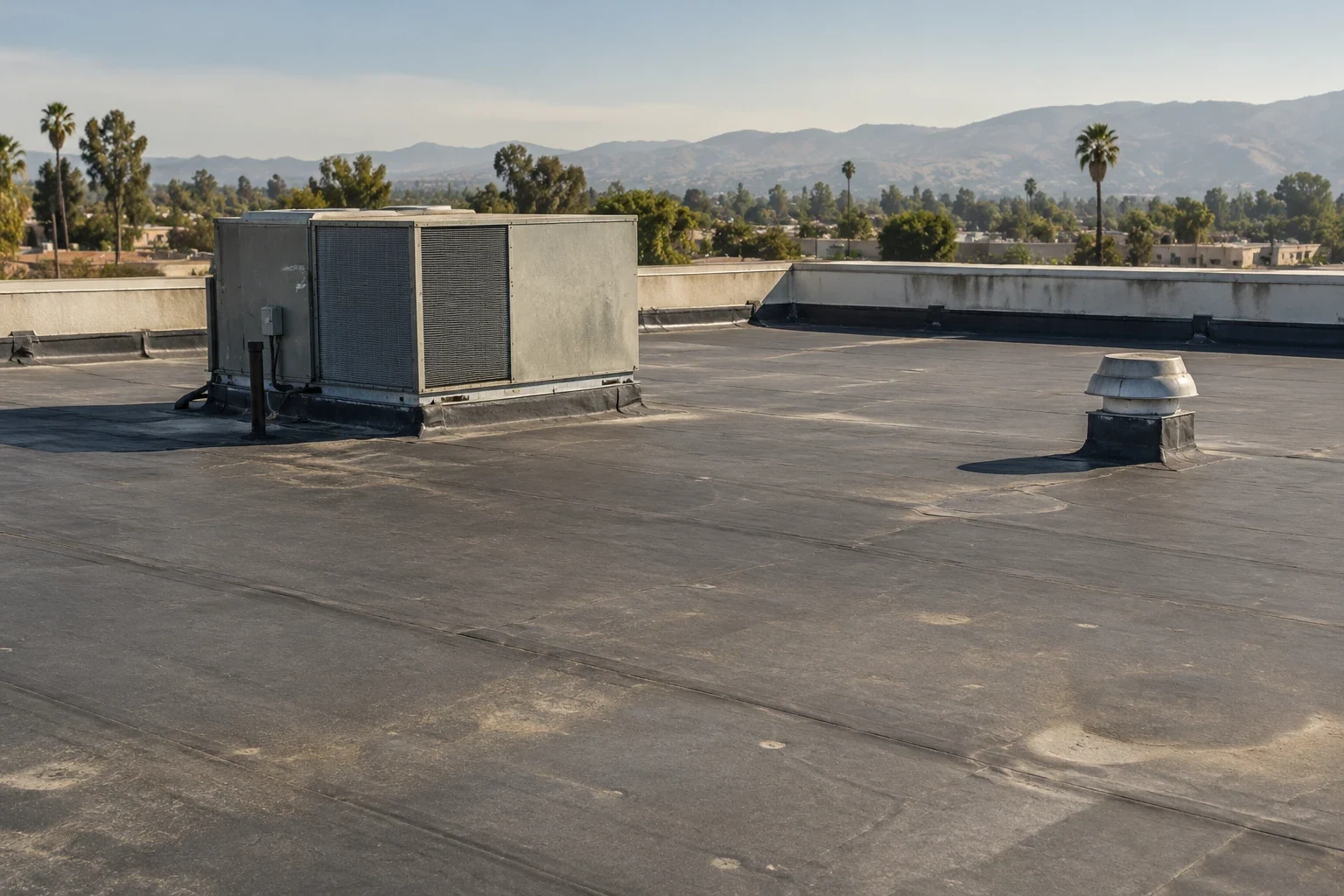
How the TPO is attached depends on the system and the deck. Fully adhered and mechanically fastened roofs each have their own requirements. The project documents set the attachment pattern, rather than a general description of local wind.
We coordinate insulation and cover board with the membrane, listing products, thicknesses and prep. If existing insulation stays in place, we need evidence that it is dry and sound.
Roof edges are part of the same review. The wood blocking and how the edge metal is fastened affect the finished detail. A price per foot of edge metal may not cover everything needed to tie the new roof into the existing wall or edge.
Structural questions go to a qualified engineer. Our observations can help, but we do not approve structural capacity on our own. Any engineering review and approved changes stay with the priced scope.
We map the drains and compare the finished roof height with existing levels. Installing TPO does not by itself fix low spots or undersized drains. Measurements and sometimes design input are needed.
With roof drain and scupper work, we define the primary and overflow drains and which ones are kept or replaced. The owner should know which drainage questions fall outside the membrane installation.
HVAC service needs a safe path and walkway pads to protect the membrane. We confirm routes with the building operator and the system's requirements. Service technicians should use those paths instead of treating the whole roof as a work area for tools and parts.
We ask about planned equipment changes before finalizing details. A new support or roof opening can change the flashing and finished height. Any revised detail stays visible in purchasing, scheduling and the closeout record.
For a property near the Glendale Galleria on West Broadway, we invite the tenant and receiving contacts to the planning meeting. We confirm the actual material route and the hours that affect store operations.
Buildings along San Fernando Road in South Glendale bring different planning questions. We review staging and delivery limits with the facility operator. Being on the corridor does not tell us the roof's layout or give us permission to use neighboring space.
Glendale has hot, dry summers and rain mostly in the cooler months. We plan around those patterns in general, but the actual weather and the product's requirements decide when we can weld and adhere. A seasonal forecast cannot promise that an open roof section will be finished by a set date.
Ventilation and sensitive spaces are coordinated with the building's responsible staff. Any HVAC shutdown needs an approved process and time window. We record how unfinished areas will be protected and who to contact if the sequence changes.
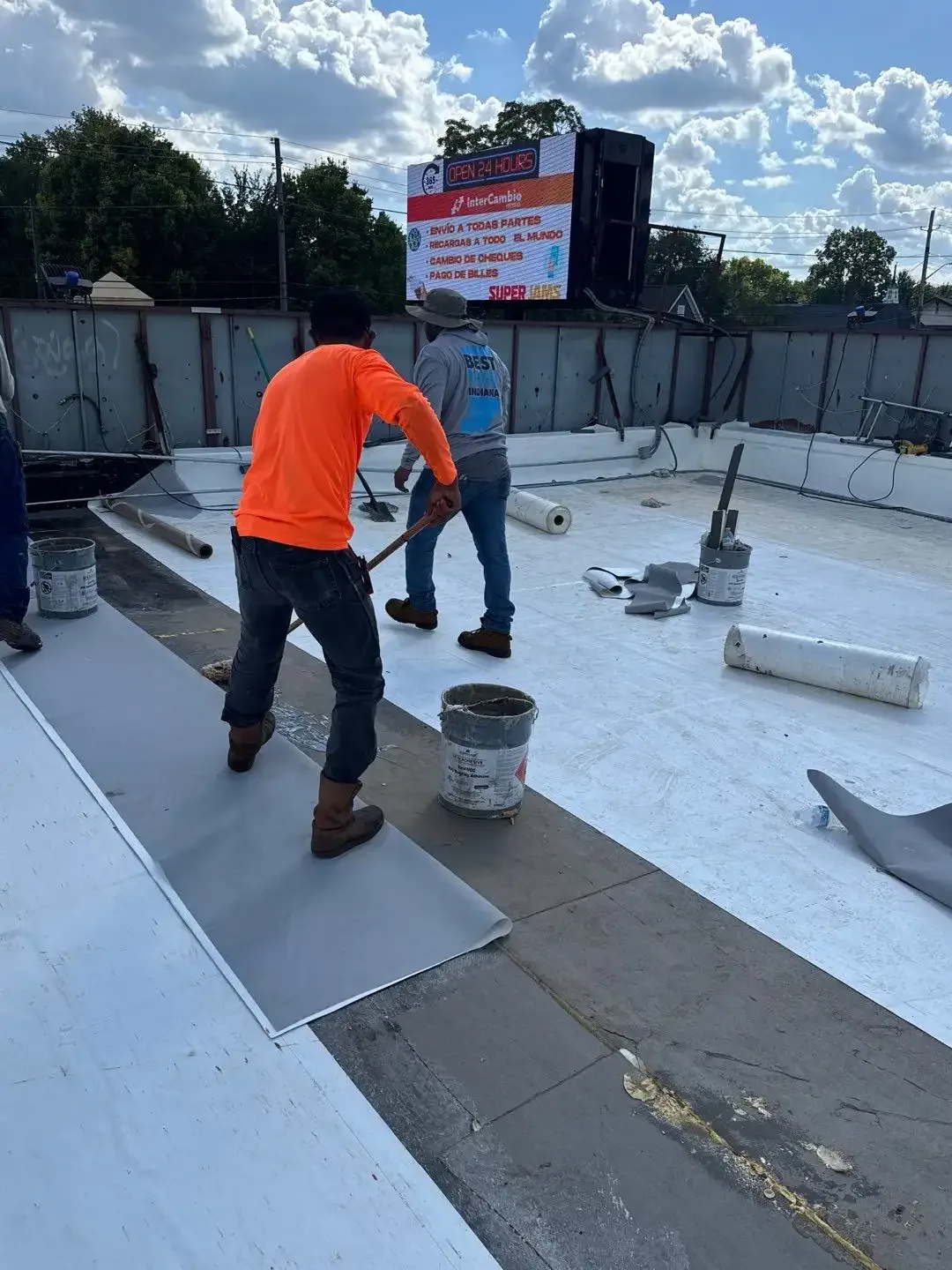
Compare tear-off, insulation, membrane and details across proposals. Separate measured quantities from allowances. Two bids can both say TPO and still describe very different prep or work around tenants.
Review the actual manufacturer warranty documents and the maintenance they require. The number of years on a warranty does not tell you what is covered or what happens when the roof is altered. Keep the warranty with the installed product record.
At completion, keep seam checks, photos and approved changes. Open equipment or operator tasks should stay listed. A photo of new white membrane is one part of the record, not proof that every connected system was accepted.
Plan future maintenance around both the roof and the building's needs. Note the location of new findings and alterations. The next manager can then see what was installed and why a particular repair or review is recommended.
On a TPO roof, the seam welds and edge details should be checked before other trades walk across the finished roof. We confirm the deck, attachment method and membrane compatibility, then build seam testing and inspection points into the schedule. A replacement can change the roof height at drains and curbs, so we measure those spots against the new build-up. Clean, dry seams and protecting finished welds make a real difference in the completed roof. In Glendale, heat and direct sun affect the workday, but the manufacturer's instructions remain the guide. Seam checks and repair locations go into the closeout file for future service.
TPO work over Downtown Glendale offices may need different staging than an industrial reroof on San Fernando Road. Each building's curb heights, edges and operating schedule decide how we install and protect the seams.
Share your building records and operating needs. We will explain the prep, the TPO system components and the installation plan in plain terms.
Other services, systems and conditions Glendale owners often review alongside this one.
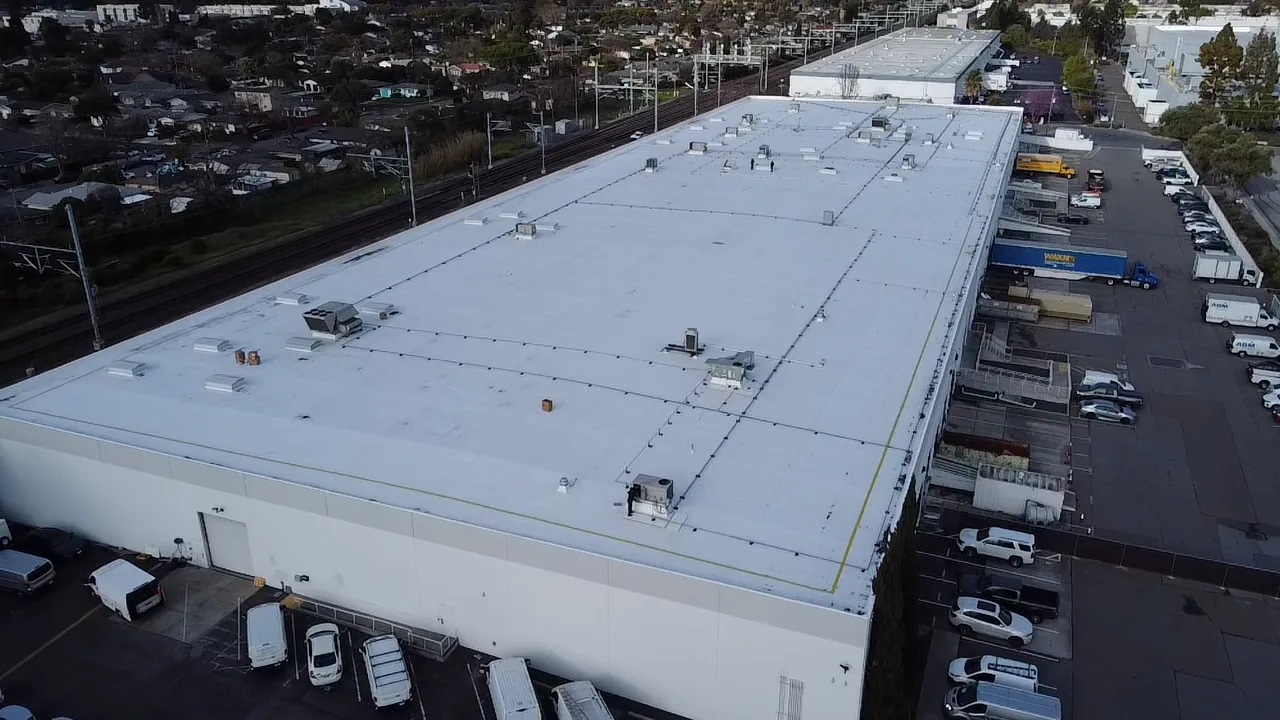
Scope, conditions and planning details for Glendale commercial buildings.
No. The proposal should name the membrane, insulation, attachment method and details. Prep depends on the existing roof and its condition, so the product name alone leaves a lot undecided.
Not reliably. PVC and some coatings look similar. We use records and a close inspection to identify the material, because the repair method depends on it.
Not by itself. We check slope and drains separately, and tapered insulation or drain work can be included. The membrane alone does not change where water goes.
Make sure each covers the same tear-off, insulation, prep and flashing details. Separate measured quantities from allowances and check the product and warranty documents.