Get Answers Fast

Send the Building Details

Request an
Assessment

Call Our Team

555-555-5555
Request an
Assessment
555-555-5555

Commercial Roof Repair

A creative-office building toward Burbank may have several roof details to deal with before the next tenant buildout. The owner needs a repair list based on what is actually wrong with this roof, not a general guess about how studio buildings age. That makes the cost and the coordination with other trades much easier to talk through.

Commercial roof repair in Glendale, CA starts with what we find on the roof. We identify the materials, measure the details and run any tests needed before setting quantities. The manager gets a clear line between repairs we can back up and bigger questions still open. If a larger option deserves a look, we explain the evidence and scope next to the spot repair.

The building and the reported problem

We review the repair history, any installation records and the owner's concern. A visible tear, an interior leak and a planned HVAC change each need a different kind of inspection. We start with the actual question instead of assuming every repair begins the same way.

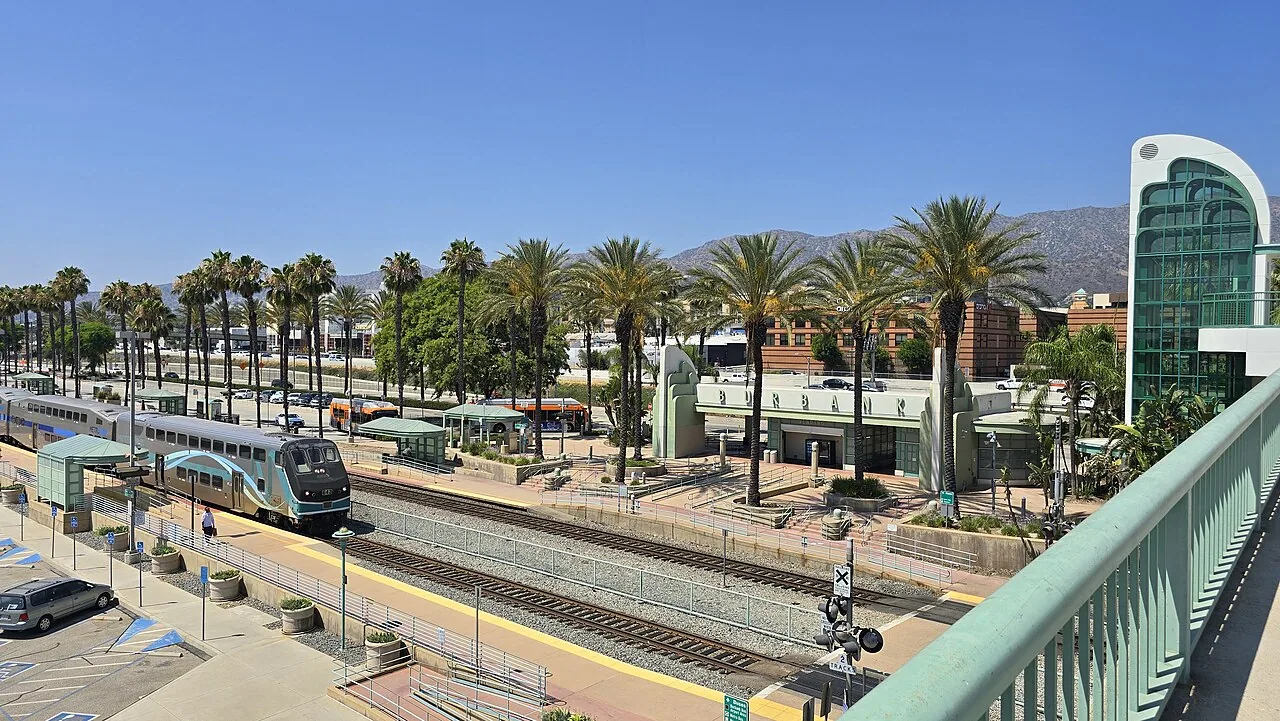
For a property toward Burbank, which borders Glendale to the west, we arrange access around the operator's rules. Knowing the location helps us plan the visit, but it tells us nothing about the roof material or a studio's work restrictions.

If water is getting in, we may need commercial roof leak repair with a proper investigation of the source. Where and when the leak appears inside helps guide us, but it does not prove which detail or building system is letting water in.

We record what we could inspect and what we could not reach. One photo cannot show what is hidden under the membrane. If uncertainty affects how far the repair should go, we name the test needed to firm up the scope.
Commercial Roof Repair in Glendale, CA

The installed materials

We identify the existing roof before choosing repair products. Records help, and so does a close inspection. Color, flexibility or apparent age are not enough to know what will bond to it.

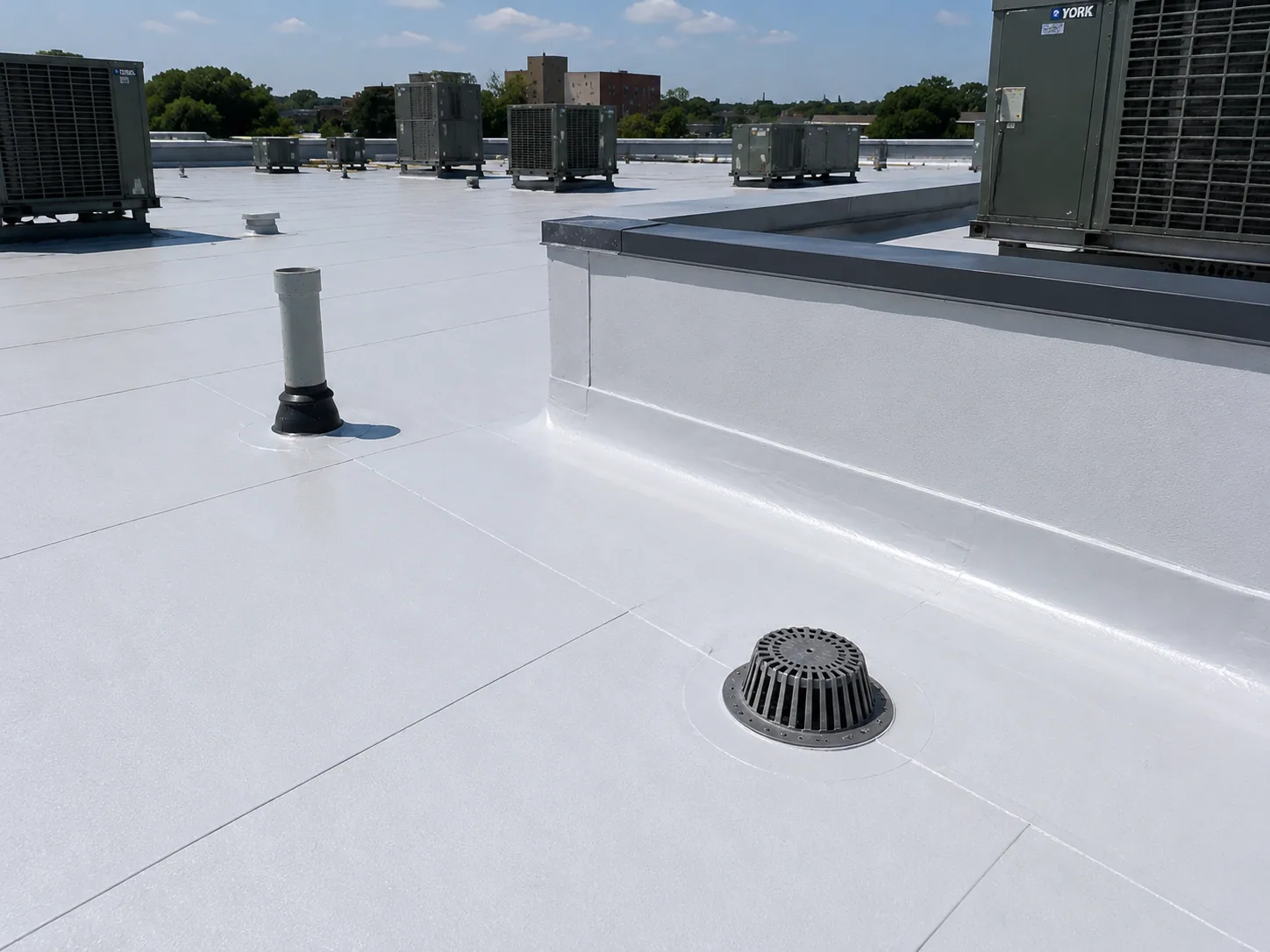
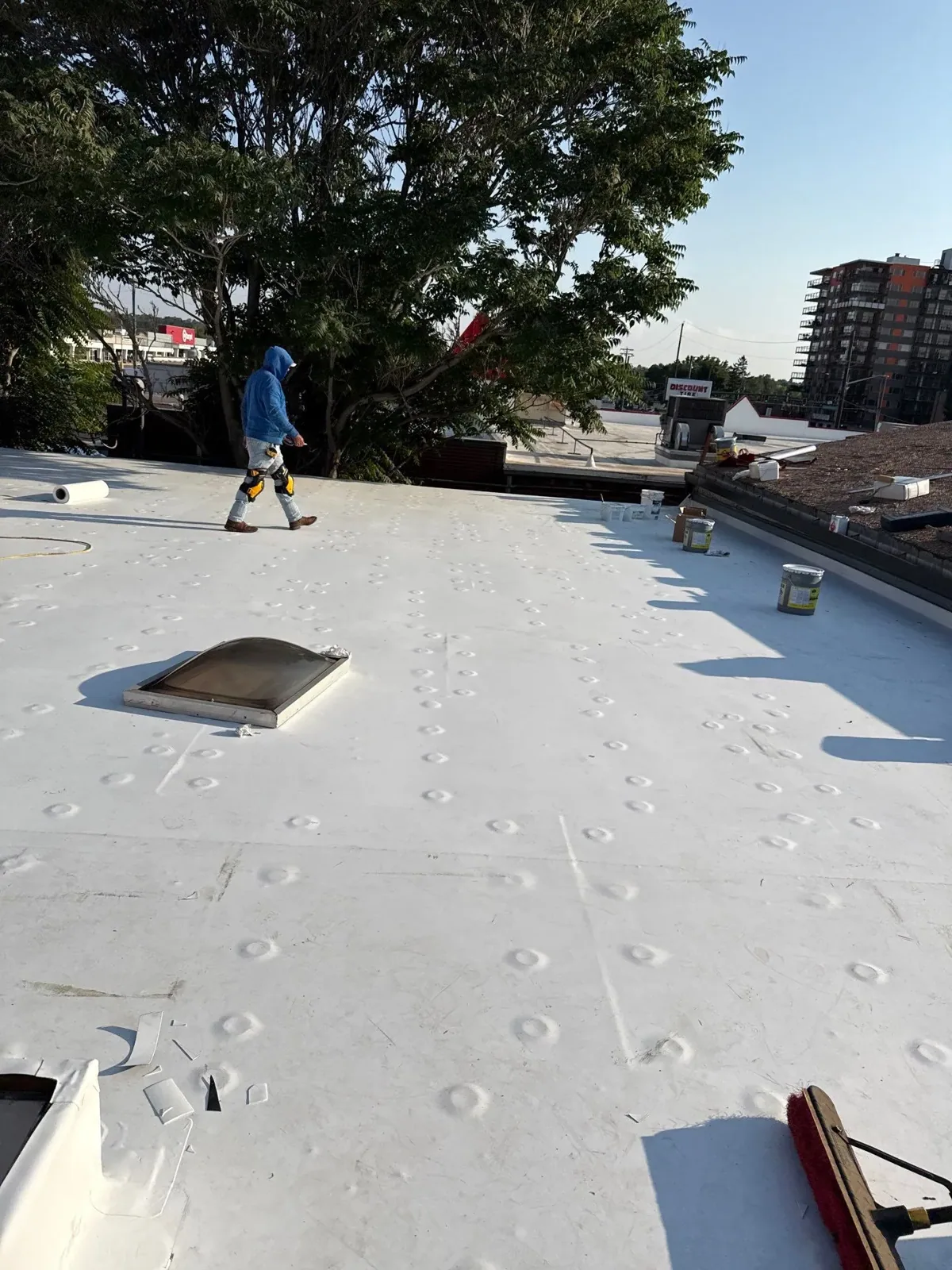
A TPO roof repair usually means heat-welding new membrane using that system's procedures. Rubber EPDM roofs use adhesives and tapes, and asphalt roofs use different methods again. We never borrow a technique from one material just because the damage looks similar.

Prep has to suit the actual surface and the repair product. Weathering, dirt and old coatings can all change what is needed. Where it matters, we do a test patch or adhesion check and note where it was done and what it showed.

Application conditions follow the product instructions. The moisture in the roof surface, the temperature and the weather that day all matter. A dry season or a sunny afternoon does not by itself mean a repair will bond or cure properly.

Seams, flashing and repair boundaries

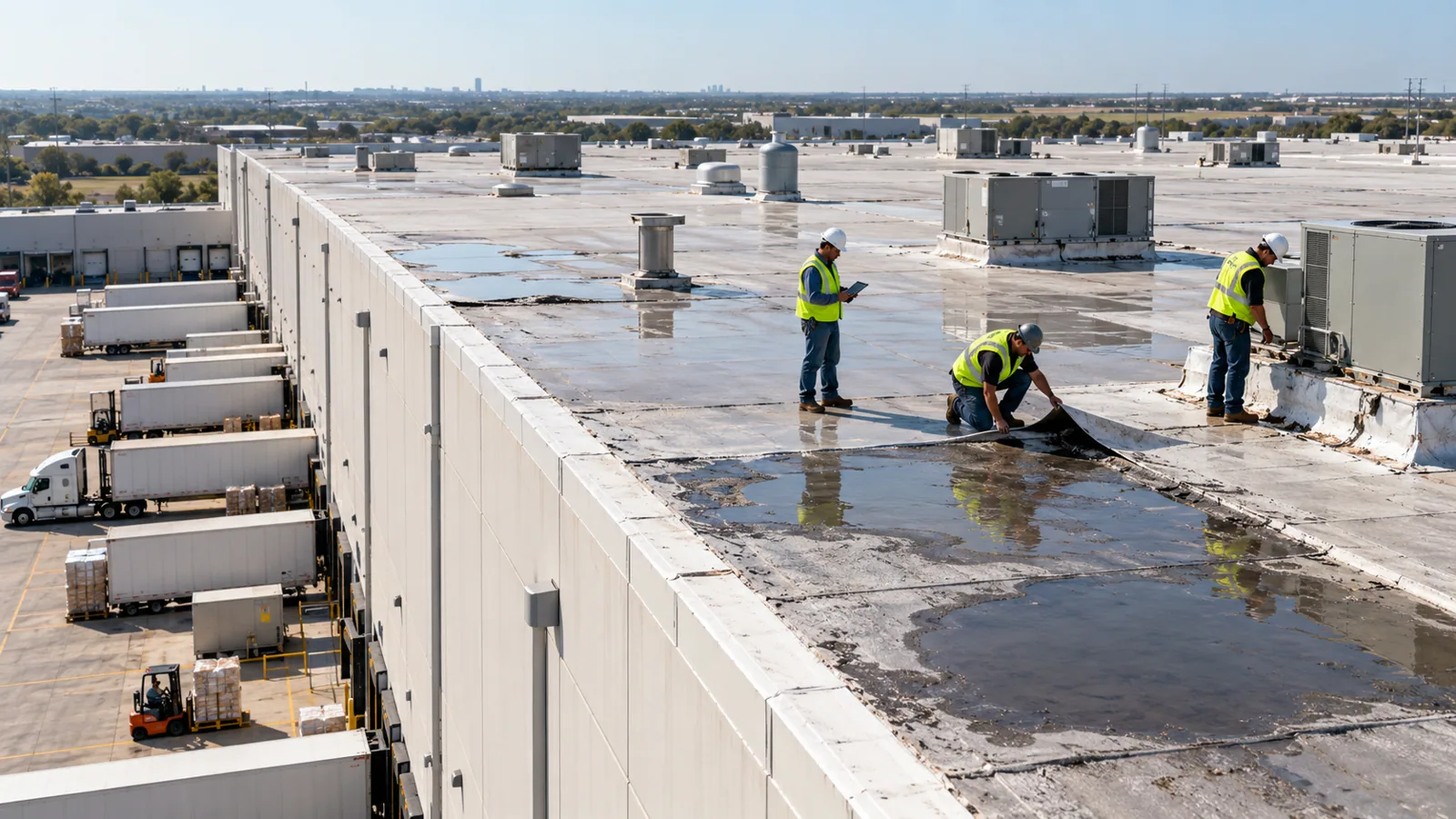
We check the seams, flashing edges and roofing around the damage to set the repair boundary. The visible hole may not show the full extent of the problem. A close inspection tells us what can stay and what needs repair.

A seam failure repair should use the right prep and the bonding or welding method for that roof. A bead of sealant is not a substitute. The manager should know the actual method used and how it was checked.

When we find flashing failure, we look at the shape of the detail and the condition of what supports it. Curbs, wall flashings and pipe boots each need a different repair. Questions about HVAC units or skylights go to the trades responsible for them.

Some repairs require removing or modifying existing components. We price the measured work and note any access needs. A detail that looks fine from the outside may still have rotted wood or loose fastening behind it.
Commercial Roof Repair in Glendale, CA

Hidden damage and drainage

Worn surfaces, an open seam or a spongy spot can all call for a closer look. Those signs alone do not tell us how long insulation has been wet or whether the deck is safe. We use the right test for the actual condition.

Core samples and moisture meter or infrared readings can all help when used correctly. We record the method, location and any uncertainty. A few readings do not prove the condition of the whole roof or justify keeping every layer.

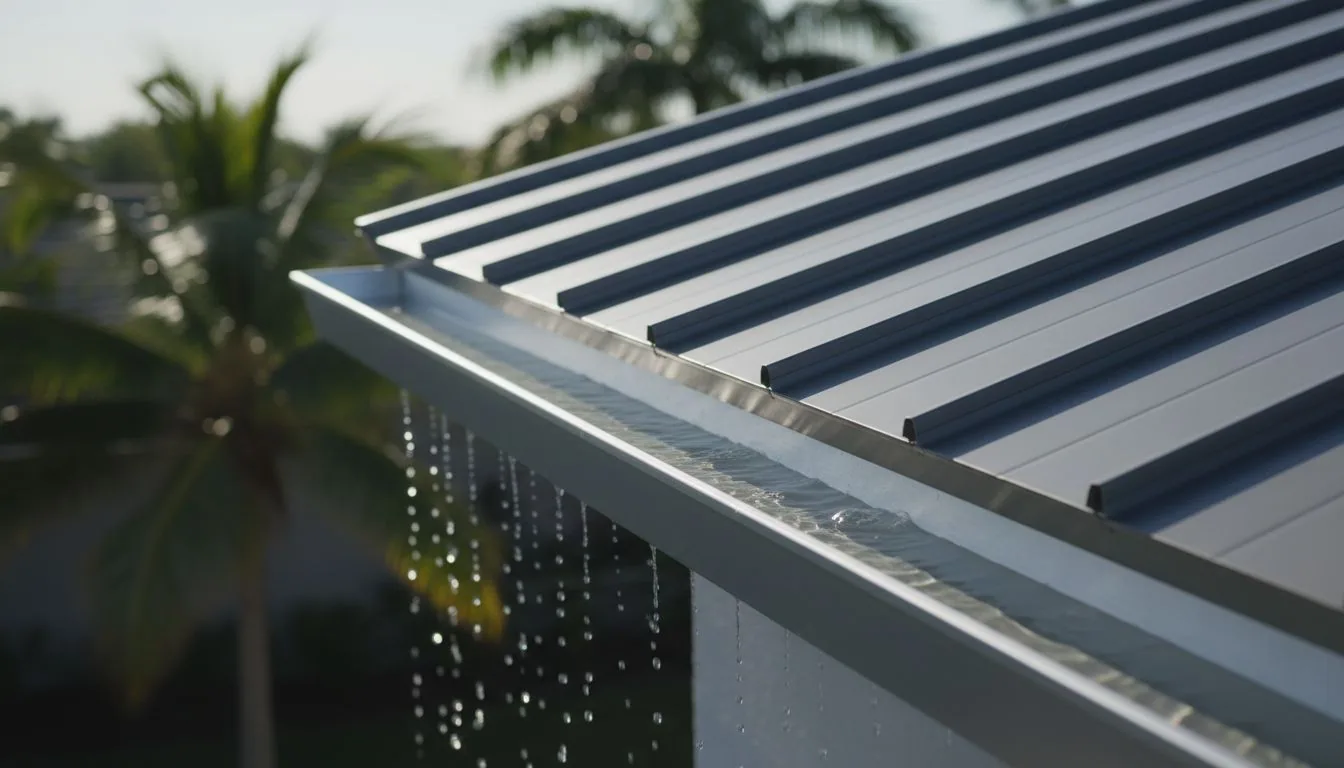
Where clogged drains or ponding water affect the repair, we check how water moves across the roof. A membrane patch does not change the roof's slope. Measurements or design input may be needed before recommending slope or drain changes.

When the cause of a leak is still uncertain, investigation and repair are listed as separate line items. Management should understand which task gathers information and which fixes a confirmed problem. That avoids treating a guess as a measured permanent repair.

Repairs in Glendale

Glendale's hot, dry summers and cooler-season rain help guide planning. How a material performs, and whether a repair will work, still depends on the roof system and conditions on site. We do not blame every open lap or cracked coating on one heat wave.

Santa Ana winds are a reason to look for loose edges and to secure materials while we work. They do not prove what caused a specific problem or tell us how to fasten the roof. We document the damaged or loose components we actually find.

For a property near the Glendale Galleria on West Broadway, we identify the specific building and roof areas. The mall's size or history tells us nothing about a roof's current dimensions, material or condition.

For an office near Brand Boulevard or a plant along San Fernando Road, we get the operator's access instructions. Those two areas are very different, and each building's own rules guide staging, inspection and repair scheduling.

The occupied work plan

We define the work area and a practical sequence around tenant needs. A repair may be small, but noise, access and HVAC questions still need coordination. A small job does not mean every operation below can continue as usual.

HVAC and ventilation arrangements are confirmed with the building's responsible staff. Any shutdown needs an approved procedure and time window. Sanitation, sensitive spaces and occupancy decisions get the facility's review alongside the roofing work.

When the roof will be open or a detail left unfinished overnight, we plan protection and material handling. Weather can change the sequence. The manager should know who approves a change and how affected tenants will be told.

A preventive roof maintenance program can include specific repairs when it makes sense. We keep cleaning, inspection and permanent repairs separate. The dated record shows exactly what was done at each spot.
Commercial Roof Repair in Glendale, CA

Repair or replace, and the repair record

Where the roof's condition calls for it, we compare a spot repair with bigger options. Commercial roof replacement may be worth considering, but we do not recommend it just because a roof has many patches or a chalky surface. We explain what we found, the realistic options and how they fit your goals.

Warranty documents stay with the roof system record. Warranty terms may cover repair methods, notice requirements or who is allowed to do the work. The type of repair alone does not tell you whether it affects coverage, and every warranty is different.

We document checks, before-and-after condition and approved changes. A dry ceiling after the repair is a good sign but does not prove every hidden path is sealed. Follow-up should target the actual question, not a set number of storms.

Our roof condition reports tie findings, repair quantities and later changes together. The next manager can see the history behind each expense. Our closing recommendation lists remaining tasks and who is responsible, in plain language.

A repair should leave the asset manager with a clear boundary, not a vague promise that the leak is handled. We mark the roof area, note the condition of the roofing the new material ties into and record any nearby detail that needs separate attention. If the crew opens the roof and finds more damage, the quantity can change, so we document it and get approval before expanding the work. Glendale's hot summers and winter rain make compatible repairs and reliable temporary tie-ins practical concerns. Before-and-after photos help the next inspection compare the same detail and decide whether maintenance or more investigation comes next.

Let us review the repair list with you

Share the building address, roof history and what you are seeing. We will inspect the roof and explain the repairs, related work and your options in plain terms.

Related Roofing Pages

Other services, systems and conditions Glendale owners often review alongside this one.
Burbank
Burbank

Scope, conditions and planning details for Glendale commercial buildings.

source investigation
Commercial Roof Leak Repair

Scope, conditions and planning details for Glendale commercial buildings.

TPO connection
TPO Commercial Roofing

Scope, conditions and planning details for Glendale commercial buildings.

seam repair
Commercial Roof Seam Repair

Scope, conditions and planning details for Glendale commercial buildings.

Questions About Commercial Roof Repair

We inspect the damaged detail and the roofing around it, identify the materials and look for related damage. The visible problem alone may not show all the work needed.

Not necessarily. We look at the roof's actual condition and the realistic options. The number of patches or the roof's age is not an automatic cutoff, and we explain our reasoning.

Only if it matches the existing roof and suits current conditions. We check compatibility and prep first, since an earlier choice is not automatically right.

Usually, with planning. Some tasks may affect access, noise or HVAC for a short time. We coordinate the work plan with your building contacts in advance.

Repair locations, materials, test results, approved changes, open items and warranty information. Future service should start from that record.

ServicesRoof SystemsProperty TypesIndustriesService AreasDamage RepairCapabilitiesManufacturersAboutRequest a Roof Assessment555-555-5555
Call555-555-5555