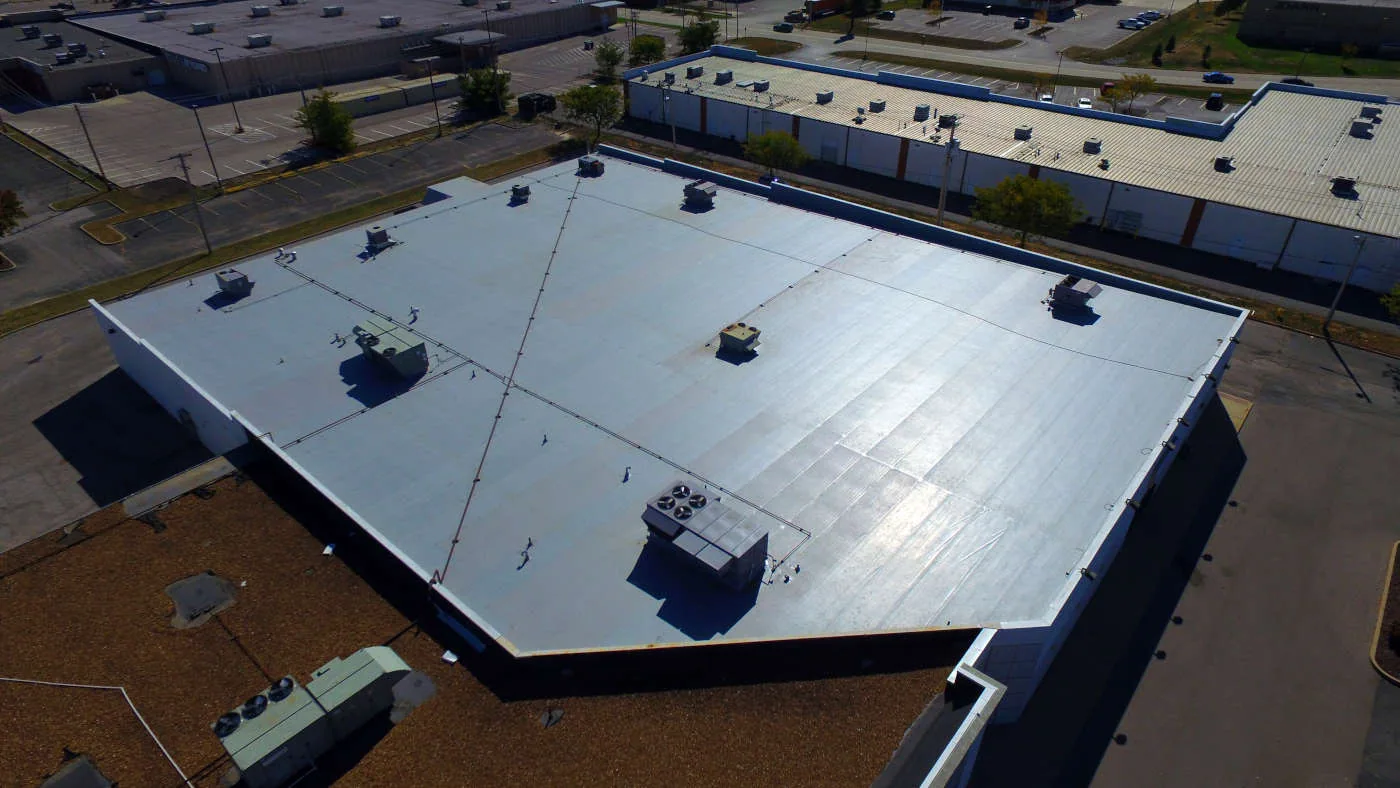
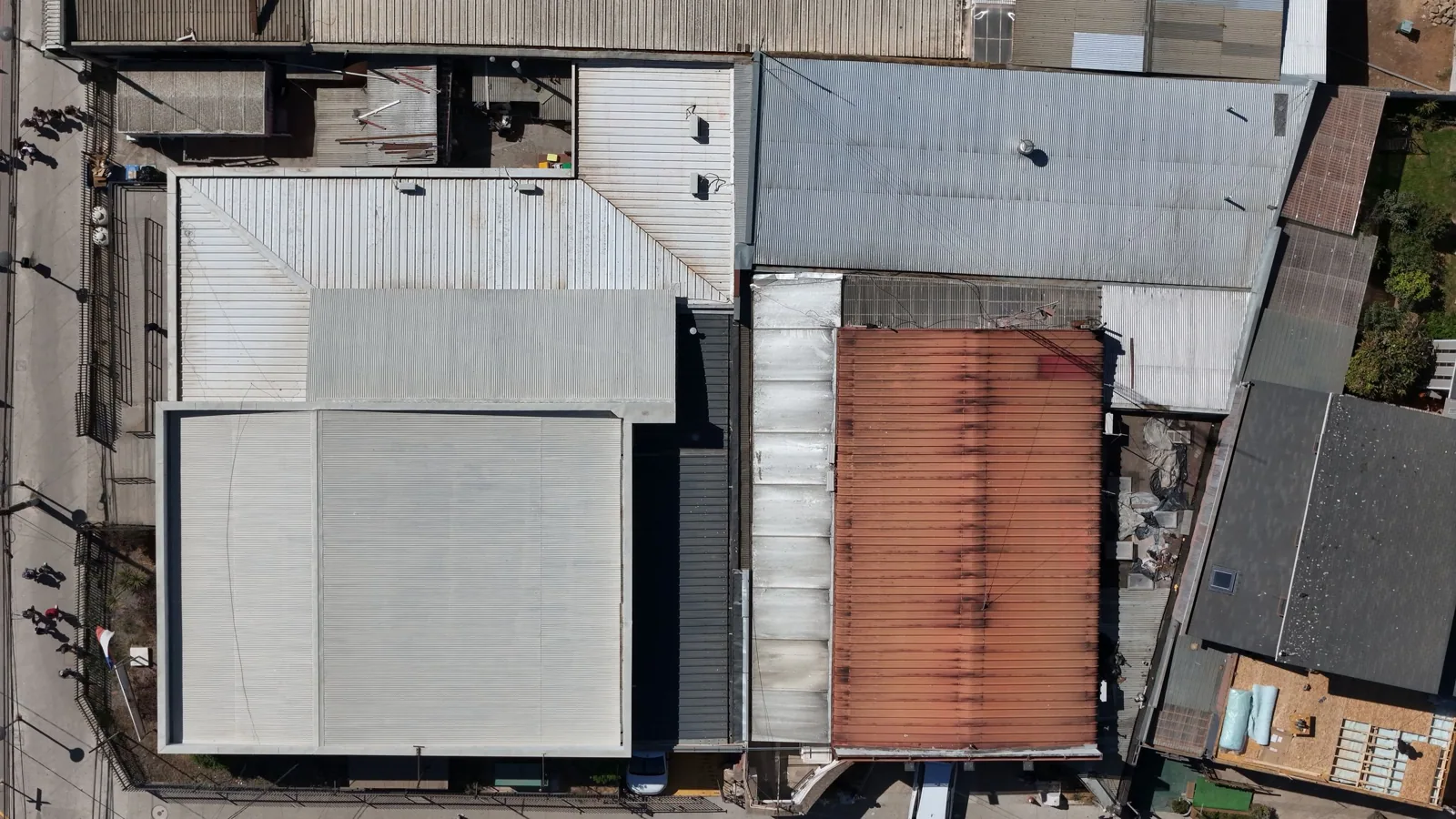
Roof work on an industrial building along San Fernando Road has to fit around the operation on the ground. We inspect the area that needs repair and figure out the prep around it. Material handling, equipment responsibilities and a realistic work window go into the scope along with the roofing quantities. The asset manager gets a practical recommendation based on the roof as it is built, including another check wherever hidden conditions could change the price or the method.
The Grayson utility site at Fairmont Avenue and San Fernando Road gives this part of Glendale, CA its industrial character, next to the Los Angeles River and the Verdugo Wash. For each building on the corridor, the property representative shows us the entrance, the activity inside and the roof area involved. We inspect the building and the route to the roof before choosing how to stage materials. Any operating restriction gets a specific line in the estimate.
A delivery truck can reach the property and the materials may still need another move to get to the roof. We walk the actual unloading spot, storage area and route to the roof. We look for conflicts with forklifts, workers on foot and emergency exits. The plant's rules may limit staging or change how we haul away old roofing. We price those tasks so the manager can see what the repair really costs at that building.
For production buildings, manufacturing plant roofing starts with what is happening below and beside the work. Facility staff tell us which activities can continue and review our products and methods. Process equipment, exhaust fans and HVAC are shut down or protected by the qualified people responsible for them. We build our roof protection around the approved plan and keep related tasks next to the installation schedule.
The corridor sits near the 134 and 5 Freeway interchange. That helps with directions, but the workable delivery route comes from the property walk. Materials, debris removal and prep by other trades need to fit the planned work days. If the job grows, we talk about setup and timing before opening more roof. The quantities and the work plan stay connected.

A seam or equipment curb needs the surrounding roof checked before we choose a repair. We record the membrane and old patches at landmarks staff can find on a return visit. Photos show the problem and the nearby details together. We compare drawings with what is installed. Where materials change, we look closer, because the new repair needs a sound surface to tie into.
Our commercial roof inspection gives every test a purpose. A core cut or small opening should answer the question that affects the repair. We record the layers and their condition at that spot, then patch it properly. Larger quantities need enough testing to support them. Any spot we could not reach is assigned a check before materials are ordered based on what might be under it.
An infrared scan can help guide testing when the roof type and weather are right. We read temperature differences with materials, shade and equipment in mind, and cores confirm what can support a quantity. A manager reviewing options needs to know what was checked and what still needs access. That keeps the inspection useful for approval without inflating the price beyond the evidence.
Changing a rooftop unit affects both the new curb and the opening it leaves behind. The mechanical contractor and engineer set the unit's needs, size, support and any load questions. We build insulation and flashing around those decisions and check the deck at the old opening for repair. We inspect the prep before the roof covers it, and the responsible contact is named in the scope.
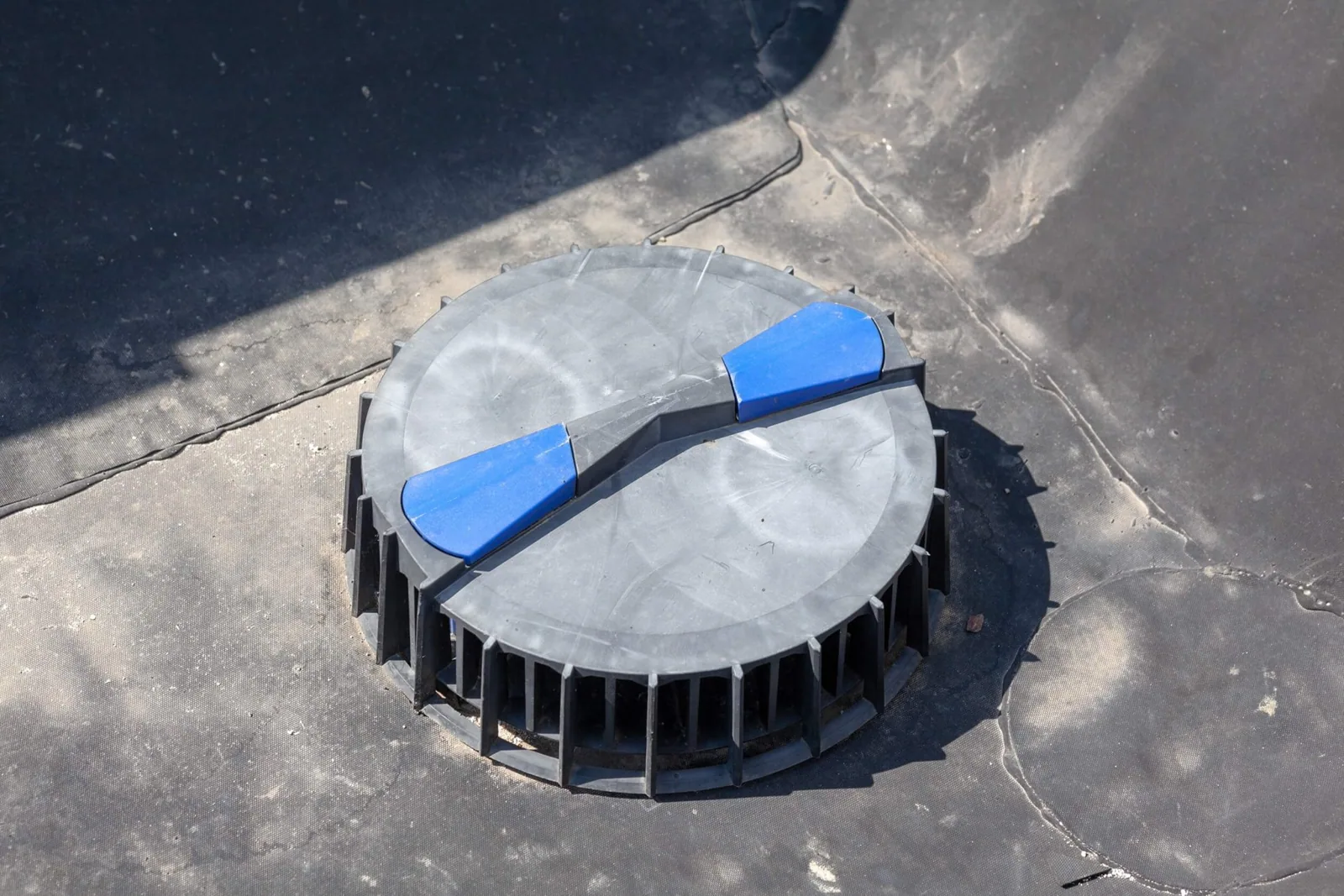
With roof drain and scupper work, we check each drain and the path water takes to it. Clearing debris can be a simple maintenance fix. Water that keeps ponding in low areas needs a check of slope and the layers underneath. A drainage change needs a plumber to confirm supports and discharge before we pick a new drain or tapered insulation. The roofing follows that plan rather than guessing at slope first.
When water shows up inside, we record where, when and any equipment or weather details. Water can travel under the membrane before reaching the spot where it drips. We inspect based on that history. Condensation is considered when the actual building conditions support it, which matters in some industrial spaces. The roof repair and any HVAC or wall follow-up get separate tasks and owners.
A spot repair needs surrounding roofing that the new work can tie into. A coating depends on a sound base and the prep the product requires. A roof-over needs the existing roof checked for condition, fastening and support. If keeping the old roof will not meet the job's requirements, we price tear-off and replacement. Every option is compared against the same problem, with the prep and details each one includes.
On industrial roofs, walls, drains and equipment curbs take different labor than open roof. Thicker insulation may mean checking flashing heights. When another trade does prep work, we name who and when. We describe those tasks along with installation and handling. That way the asset manager can explain the full cost without guessing at hidden work behind a membrane price.
Tear-off can expose damage the first inspection could not see. We mark it and present the extra repair for a decision, with revised quantities and any effect on protection or the schedule. We photograph the prep before it is covered. Approved changes stay tied to a real reason, so the added cost makes sense after the job is done.
Glendale has dry, hot summers and gets most of its rain in the cooler months. We check the actual weather and roof surface against the product specifications before scheduling. Santa Ana winds call for attention to edges, but they do not set the roof's fastening design. Permits go through the City of Glendale, and we confirm the requirements before ordering details. Materials and protection have to be ready for each phase and each finished detail.
A building in the Grand Central area or Downtown Glendale gets its own inspection and access plan. For an urgent leak on the corridor, we confirm safe, approved access and the help available. Any temporary patch is recorded with its location, purpose and limits. The permanent repair or more testing is assigned afterward.
At closeout, our roof condition reports keep test locations, prep photos and finished work together with approved changes. Unfinished maintenance or other trades' tasks get a contact and next step. Later inspections are dated separately. The owner keeps a running history and can plan the next visit from the work that actually remains.
The City treats the San Fernando Road Corridor as a large redevelopment area with commercial and industrial properties across many blocks. That helps us locate a job, but it does not tell us what is on any roof. We inspect each building's roof system and operating needs, then coordinate deliveries, rail or street traffic and roof access with its representative. Dry summer heat affects when we apply materials, and winter rain puts pressure on every temporary tie-in. When another trade shares a wall or equipment detail, we record who seals it. The final file shows finished areas and any follow-up still open.
Tell us about your corridor property and the roof work you need. We will inspect it and explain the prep, logistics and next step.
Other services, systems and conditions Glendale owners often review alongside this one.
Scope, conditions and planning details for Glendale commercial buildings.
It names the unloading spot, storage area, any extra handling and the debris route. We price the plan the plant approves.
Unit size, mechanical needs and support requirements. We also name who prepares the deck and when we will check it.
Sometimes. If water keeps standing after cleaning, a drain or slope change is needed, with supports and discharge reviewed separately.
Hidden conditions there could change the recommended option. We name the test and access needed before relying on that area.