Get Answers Fast

Send the Building Details

Request an
Assessment

Call Our Team

555-555-5555
Request an
Assessment
555-555-5555

EPDM Commercial Roofing

An office owner with a rubber roof may find several different repair products in the maintenance history. Before approving another repair or a new roof, the asset manager needs to know what membrane is there and how its seams are joined. Without that, a repair price does not mean much.

EPDM commercial roofing in Glendale, CA, uses a synthetic rubber membrane, usually black or white, joined with seam tape and adhesives. We check the roof's condition and what is under it, then explain the prep, layers and details we propose. The owner gets a scope tied to what we actually found. A roof that looks like rubber is not automatically compatible with every repair product.

EPDM seams are bonded with tape and primer, unlike the heat-welded seams on TPO roofing. A PVC roof also needs its own material and exposure review. Similar-looking sheets can mean very different work, and the quote should show those differences.

Identifying the Membrane

We look for product and installation records. A field inspection adds evidence where records are thin. Color alone does not tell us which membrane is installed or whether a coating was applied later.

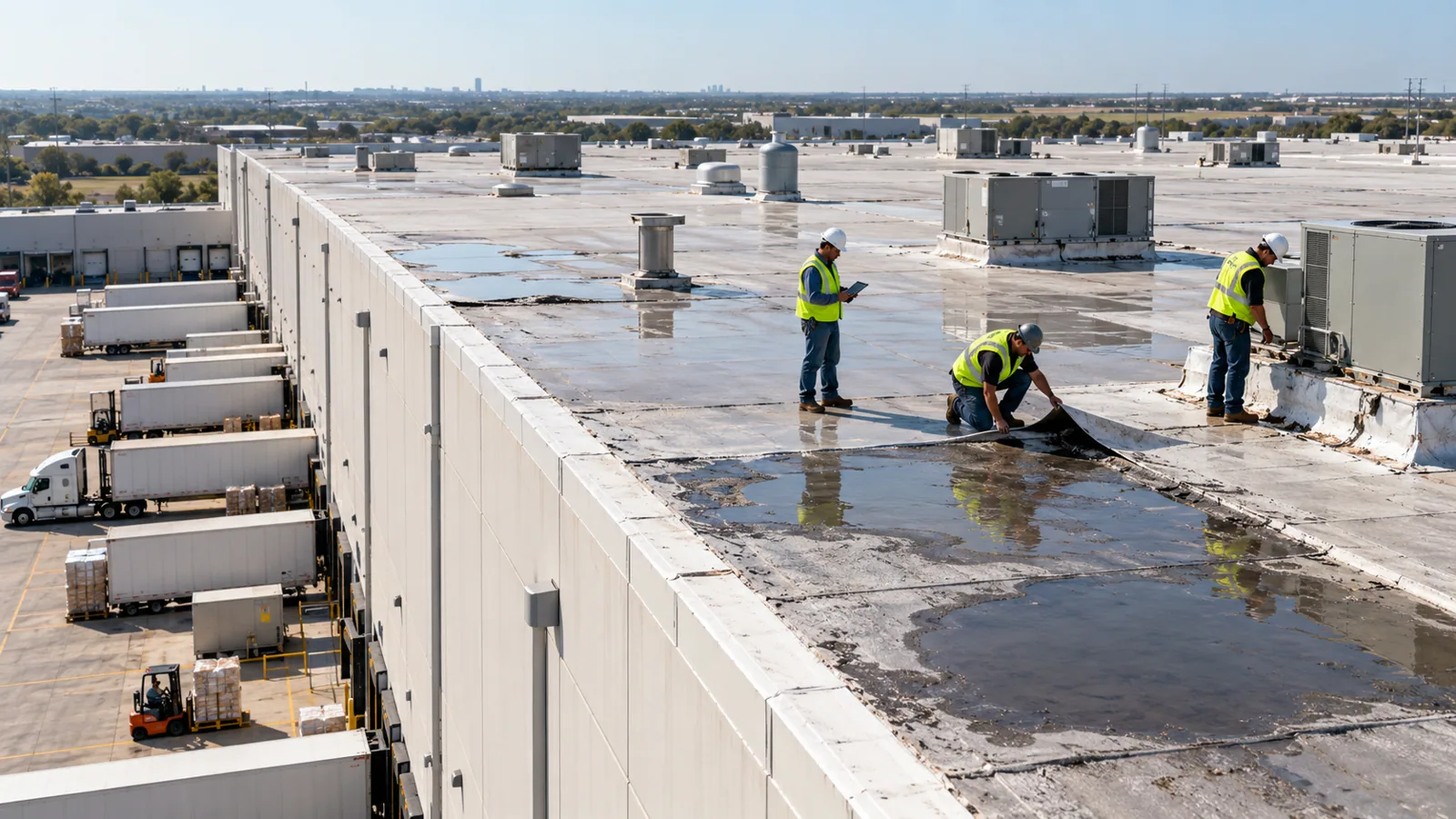
Our inspection describes the condition of what we can reach and what we could not see. We locate old repairs and note where roof sections change, since additions and different roof levels often have different histories.

We record each defect by location. An open seam or a damaged pipe boot is a useful finding, but it does not prove the insulation is wet roof-wide or tell us how many years the roof has left.

When the membrane type or a bigger condition question is uncertain, we name the next test and explain how it affects prep and scope. A guess about the roof's age is not a substitute for that evidence.
EPDM Commercial Roofing in Glendale, CA

Seams and Repairs

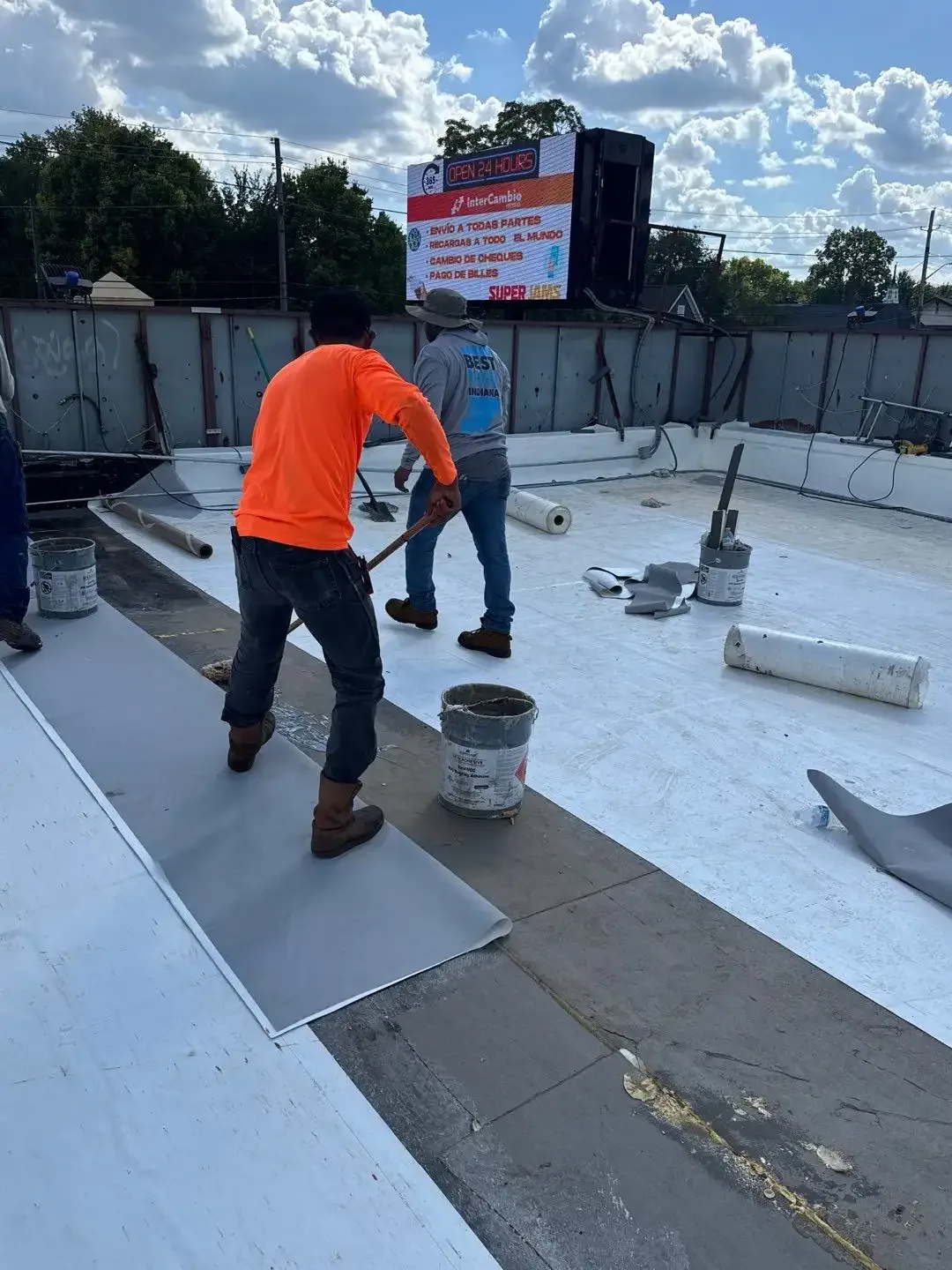
EPDM seams use the tapes, primers and adhesives specified for that system. That is a different process from heat-welding a TPO or PVC seam, and the method has to suit the membrane actually installed.

Weathering, dirt and old repairs change the prep. We specify cleaning, primer and the right accessories. Smearing sealant over an unassessed seam can hide the leak without making a compatible repair.

For a commercial roof repair, we measure the repair area and the condition around it, and list any areas still waiting on testing separately. One standard patch description does not fit every damaged seam or flashing.

We record test results and repair locations. A photo of a closed seam is useful, but it does not show that every step of prep was done right.

What Stays Under the Roof

The membrane is only one part of the roof. Insulation, cover board and fasteners sit underneath, and we check for moisture and damage before deciding what can stay. A clean surface does not tell us what is below it.

A recover evaluation looks at the actual layers along with code limits. Core samples show local conditions, but they cannot settle every question about attachment or the deck.

When commercial roof replacement is the right choice, we define how much is removed and where. Opening the roof can reveal new problems, so the owner gets clear allowances and a process for approving changes.

We also include any separation layer or surface repair the new system needs. Putting new rubber on top does not make every old product or surface compatible.
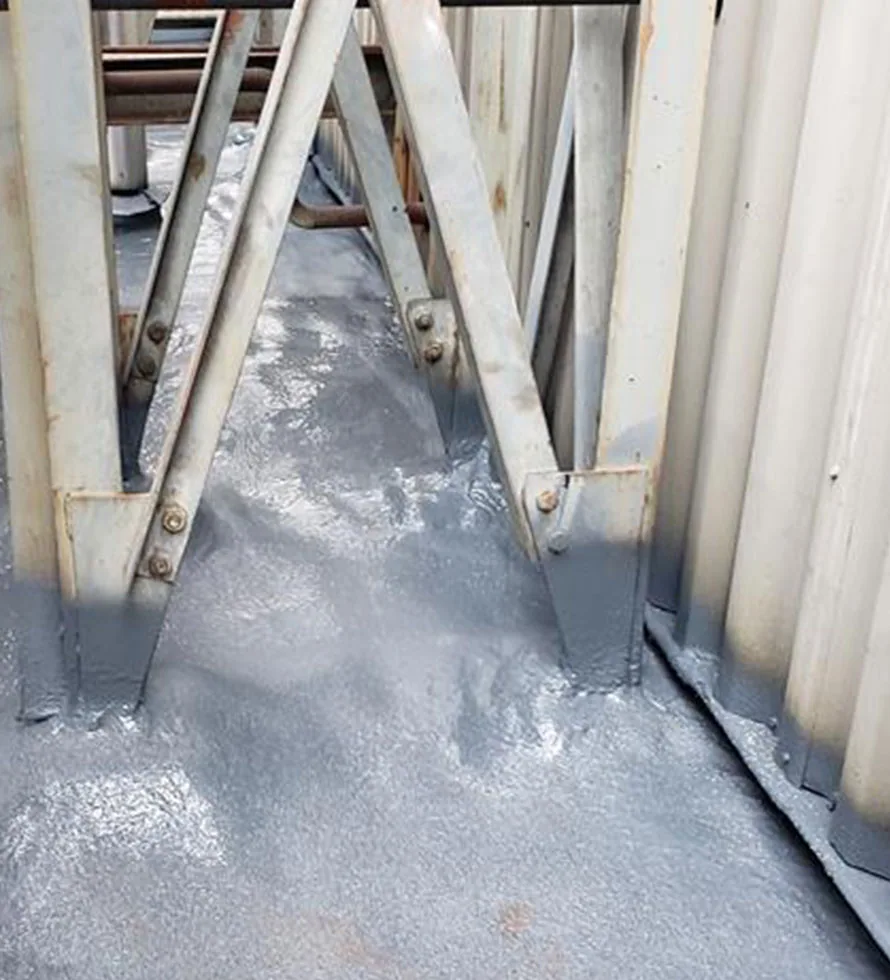
EPDM Commercial Roofing in Glendale, CA

Adhered, Fastened or Ballasted

EPDM can be fully adhered, mechanically fastened or held down with ballast, and each raises different questions. We identify the method and products proposed, since a general EPDM price is not a specification.

The deck and structure need the right review. Ballast adds weight and still involves drainage and edge details, so it is not a way to skip structural or perimeter decisions.

Our roof insulation and cover board scope names the products, thicknesses and attachment, and separates new layers from those staying in place. Manufacturer instructions and project documents should match what is priced.

We keep design and approval information with each revised estimate. Substituting a product later can change prep or details, so price and scope are reconciled before ordering.

Curbs, Pipes and Drains

Curbs, pipes and roof level changes need flashing that fits their actual shape. Curbs or supports may need repair or another trade's work, and we assign that before installing the flashing.

We coordinate skylight and penetration flashing with the EPDM system. Skylights and equipment stay the responsibility of their own trades, since a finished roof flashing does not mean the unit itself is sound.

We locate drains and check finished heights. A new membrane does not remove low spots or fix a poorly placed drain, and measurements or design review may be needed.

Rooftop traffic should use walkway pads and approved routes. HVAC technicians need to know the roof's status, because EPDM is easy to puncture and is not a place to store parts or tools.

EPDM Projects in Glendale

An office near Brand Boulevard may need tenant and HVAC coordination before work is scheduled. For a building in the Galleria District off West Broadway, we bring the delivery contacts into the same conversation and confirm the restrictions for that building.

For a project along San Fernando Road in south Glendale, we set material storage and truck access with the facility operator, who approves the practical route.

Glendale's hot, dry summers and cooler-season rain set broad timing, but the weather, the surface and the product requirements decide each day's work. Santa Ana winds can affect handling and access.

Adhesive fumes and HVAC shutdowns need the building staff's approval and a set time. We plan protection for unfinished areas and name a contact for schedule changes. Occupancy and sanitation decisions stay with the operator.
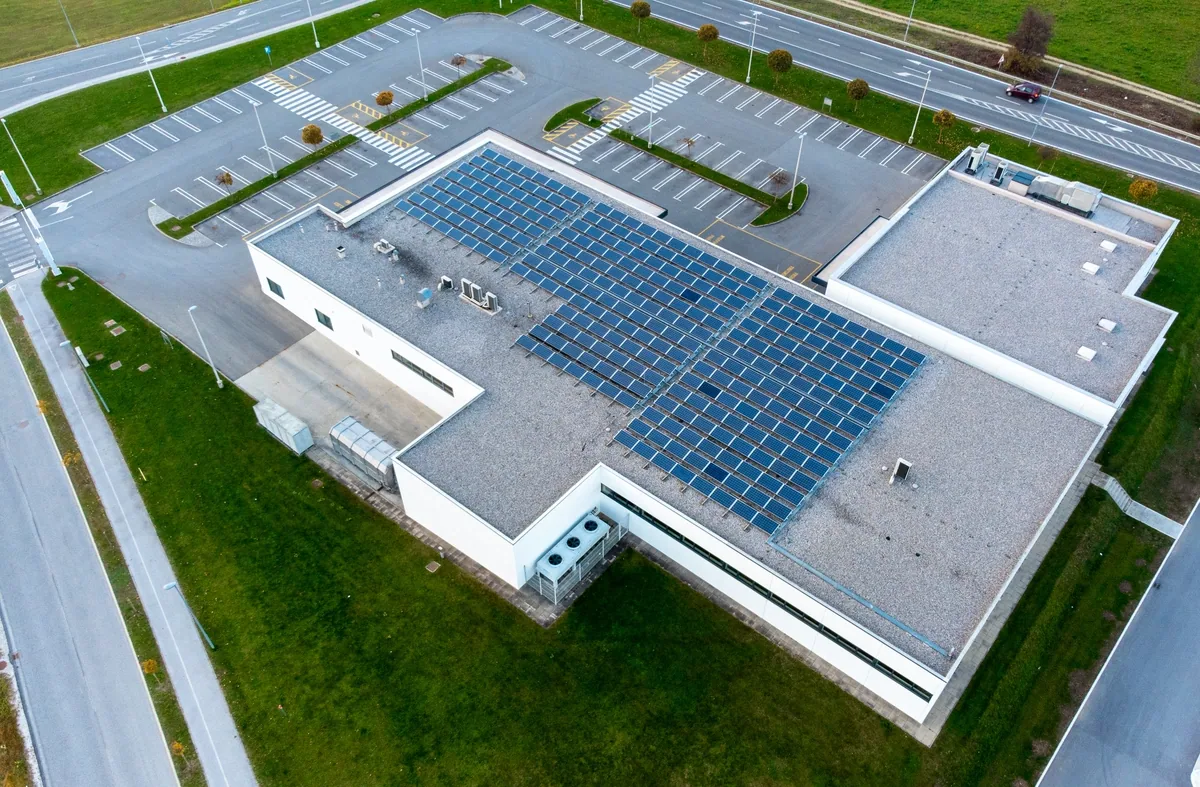
EPDM Commercial Roofing in Glendale, CA

Comparing Bids and Keeping Records

We compare bids on prep, insulation, membrane and details, with allowances and dependencies visible. The owner needs to see the actual scope to understand why two EPDM estimates differ.

We review issued roof warranty documents, including service and alteration terms. The membrane type and warranty length do not tell you everything that is covered, so we keep the installed-product information with them.

At closeout, we keep test results, photos and approved changes tied to locations, and list any open HVAC or operator tasks. If a detail is waiting on access, we record where it is and what is needed to finish it, so the property contact can schedule it. The record covers the roofing and does not imply other systems were accepted.

Routine maintenance keeps condition findings and new alterations on file. Dated, located records make the next repair decision easier to explain, so the next manager is not guessing from an old invoice.

EPDM is a rubber membrane, so its splice work follows a different method from a heat-welded TPO or PVC seam. We identify the installed product and compatible primer, tape or adhesive before proposing a repair. Surface preparation matters: dust, oxidation and old sealant can interfere with a new bond. A replacement detail also needs enough sound membrane beyond the visible split to create a reliable tie-in. We check flashing and drainage around the same area rather than treating a seam as an isolated line. We keep the material information and repair boundary in the roof file so the next service visit can select the right method.

EPDM repair at a Downtown Glendale office and at a San Fernando Road industrial site still starts with product identification, though access and equipment activity can differ. We verify the existing membrane before choosing the splice materials.

Talk Through Your EPDM Roof

Bring your roof history and operating restrictions. We will explain the testing, the right repair methods and a practical scope for your building.

Related Roofing Pages

Other services, systems and conditions Glendale owners often review alongside this one.
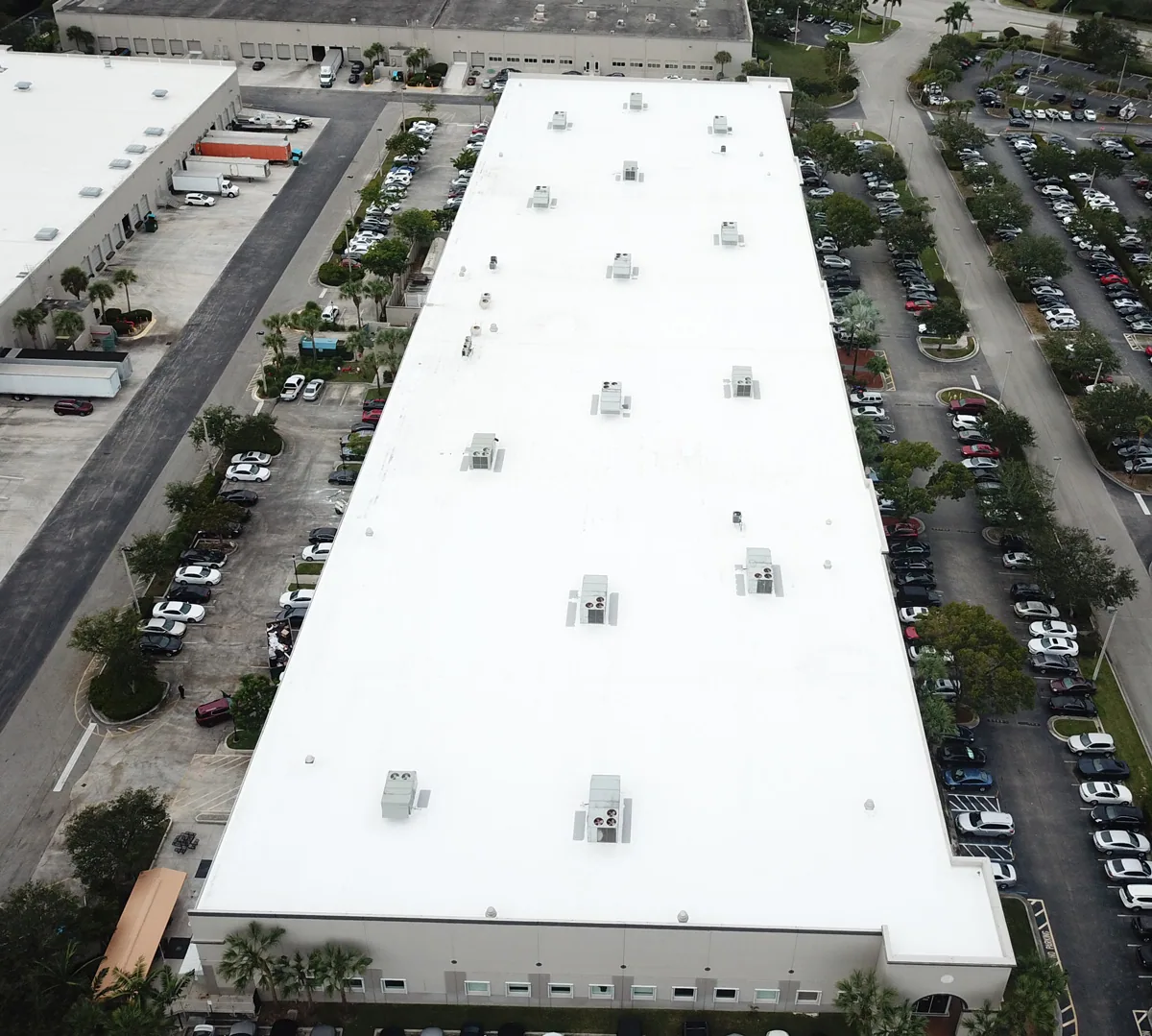
TPO roofing
TPO Commercial Roofing

Scope, conditions and planning details for Glendale commercial buildings.

PVC proposal
PVC Commercial Roofing

Scope, conditions and planning details for Glendale commercial buildings.

local correction
Commercial Roof Repair

Scope, conditions and planning details for Glendale commercial buildings.

replacement
Commercial Roof Replacements

Scope, conditions and planning details for Glendale commercial buildings.

Questions About EPDM Commercial Roofing

Not reliably. Similar-looking roofs can be different materials or have coatings on them. We check records and test the surface, because repair compatibility depends on the actual membrane.

No. EPDM seams are bonded with tape, primer or adhesive, while TPO seams are heat-welded. The installed membrane and its condition decide the right repair.

No. Ballast adds weight, so the structure needs review. Drainage and edge details also matter, and a non-penetrating system does not remove those questions.

The products, insulation, attachment method and prep, the flashing details and measured areas, with uncertain quantities and other trades' work listed separately.

ServicesRoof SystemsProperty TypesIndustriesService AreasDamage RepairCapabilitiesManufacturersAboutRequest a Roof Assessment555-555-5555
Call555-555-5555