Get Answers Fast

Send the Building Details

Request an
Assessment

Call Our Team

555-555-5555
Request an
Assessment
555-555-5555

Atwater Village

Atwater Village commercial buildings tend to be older, low-slope roofs that have been patched more than once. When a new problem shows up, the owner needs to know what the repair involves at that exact spot and what it will cost to do it right. We inspect the roof, explain what we found and price the work with access, protection and any other trades included. If something hidden could still change the plan, we say so and keep that check as its own step.

The neighborhood sits along the Los Angeles River and the rail line, right next to Glendale, with Glendale Boulevard as its main commercial street. We cover it from our Glendale, CA office. Before we come out, we confirm the building, the roof area in question and what is going on underneath so we can plan access around your tenants.

Tying new work into old patches

Old patches matter. A repair from years ago may be a different material than the roof around it, and the new work has to bond to whatever is actually there. We note what each patch is, where it stops and how our repair will tie into it. We also check nearby seams, parapet walls and pipe flashings, and take photos wide enough that your staff can find the spot again later.

Our commercial roof inspection compares any drawings you have with what was really installed. When we need to know what is under the membrane, we cut a small core, photograph the layers and patch it right away. One core tells us about one spot. If we are recommending keeping or replacing a large area, we take enough samples to justify it, and we flag any area that still needs a closer look.

An infrared scan can point us toward wet insulation when the weather and roof type allow it. Different materials, shade and rooftop equipment can all change the readings, so we treat the scan as a guide and confirm with cores. You get a clear line between what we know is damaged and what still needs checking, and a scan alone never decides how much roof gets torn off.
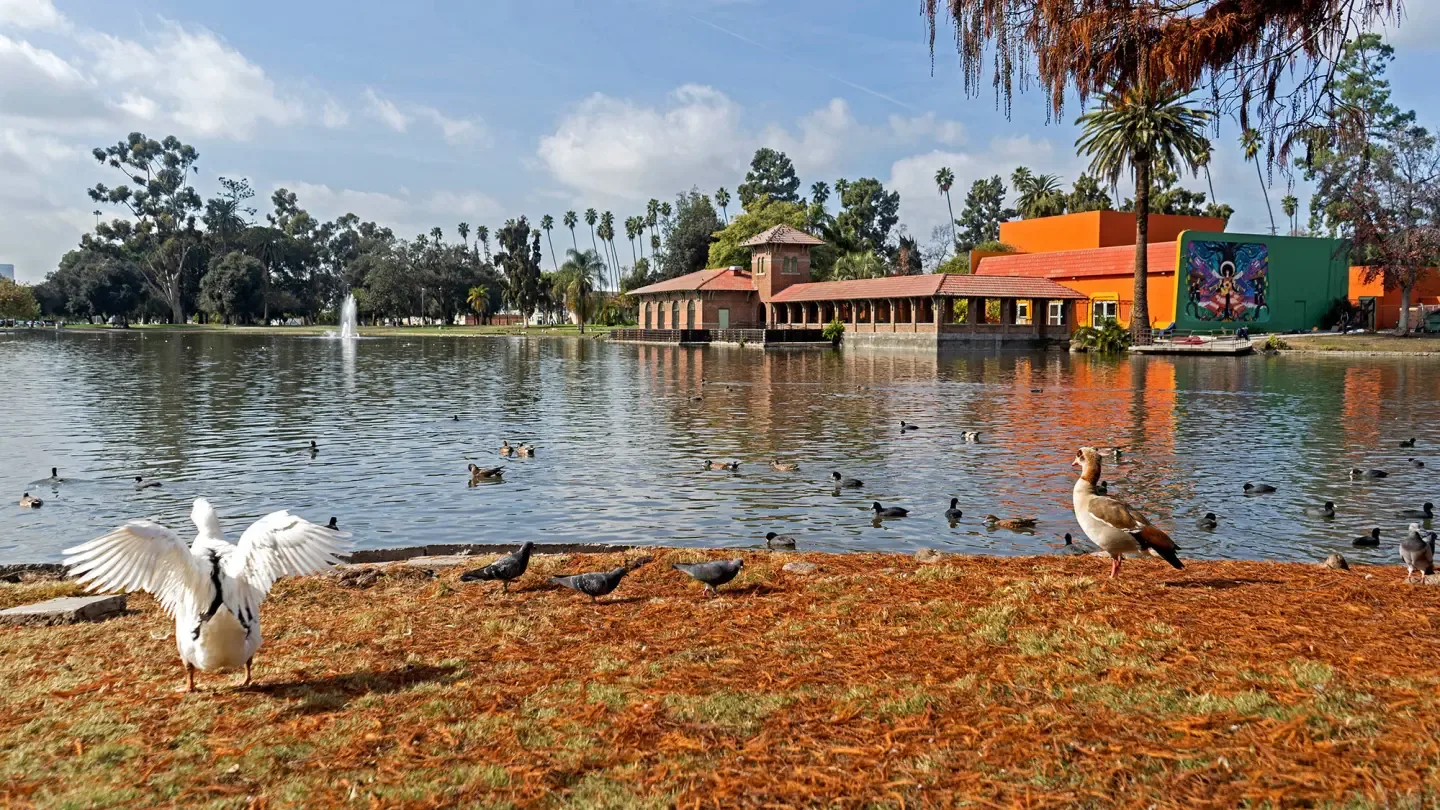
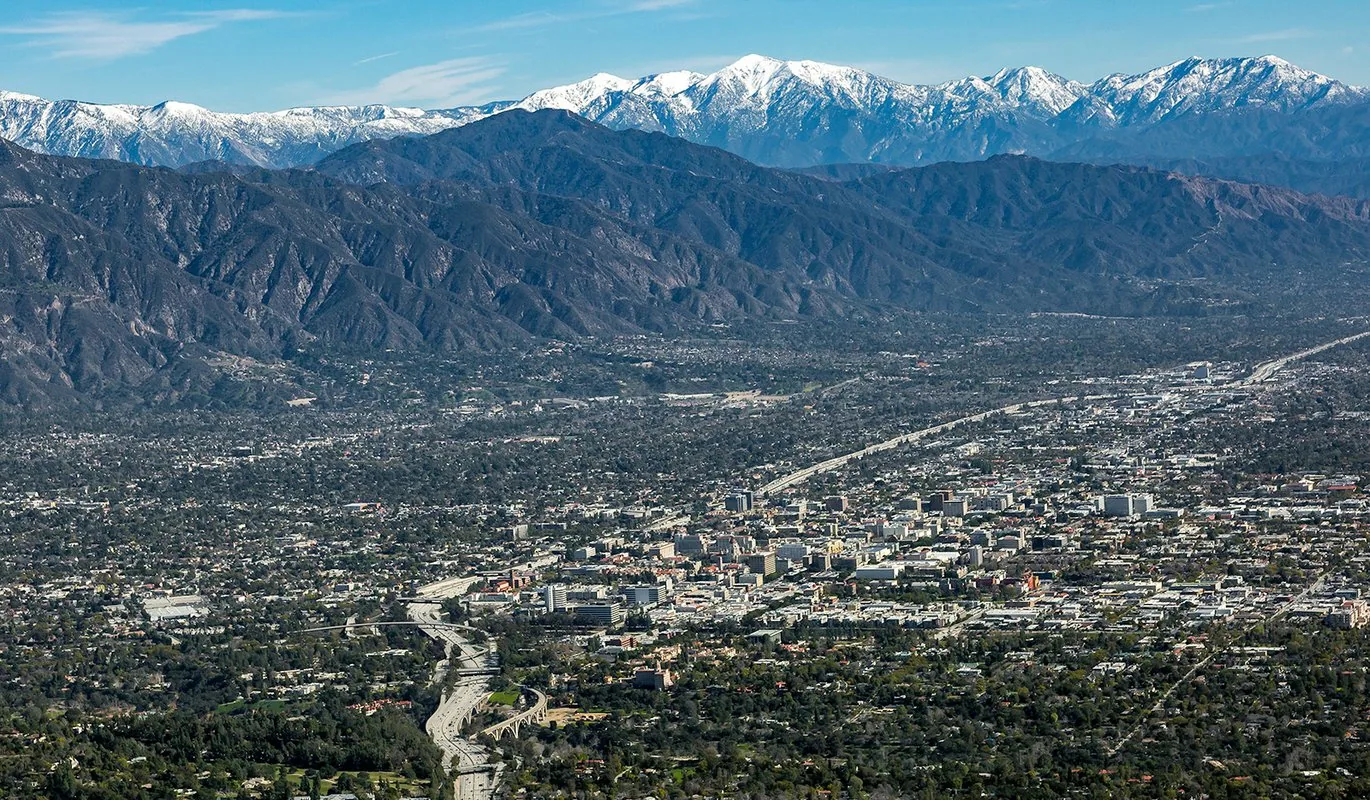
Commercial Roofing in Atwater Village, Los Angeles, CA

Tenants, deliveries and work hours

We start by asking what the tenant below does and what they keep there during the work. The building manager tells us about business hours and any restrictions. Your facility team can review the products we plan to use, and the HVAC contractor handles shutting down and protecting rooftop units. We build our interior protection around those decisions. If a tenant's schedule changes or the scope grows, we check back in before continuing.

For storefronts, shopping center roofing work means figuring out where trucks can unload, where materials can sit and where the dumpster goes without blocking customers, parking or emergency access. We walk it with the property manager first. A tight lot can mean more trips with smaller loads, and we price that as its own line so you can see what it costs and why.

Each phase needs materials on hand, the deck ready and enough crew to protect and seal the roof by the end of the day. Short work windows may mean setting up more than once. If the job grows, the amount of roof we can safely open each day can change. When that affects cost or tenant disruption, we put it in front of you for approval instead of quietly stretching the original price.

What each repair option includes

A spot repair only works if the roofing around it is solid enough to tie into. A coating needs a sound, dry base and proper cleaning and priming. A roof-over requires an existing roof that is dry and well attached. When keeping the old roof does not make sense, we price a tear-off and new roof. Every option is priced against the same problem and includes the flashing and edge work needed to finish it.

With commercial roof repair, a parapet wall or equipment curb often takes more labor than the open field of the roof. Adding insulation raises the roof surface, which can affect flashing heights and drains nearby. If another trade needs to prepare the deck or framing first, we say so and check their work before we start ours. The estimate should cover the finished job, not just the square footage of new membrane.

Tear-off sometimes uncovers rotted decking or wet insulation that nobody could see beforehand. When that happens, we photograph it, show you where it is, measure it and give you the added cost before going further. We also explain how it affects the schedule or interior protection. The photos stay in your file, so the extra charge still makes sense after the new roof covers everything up.
Commercial Roofing in Atwater Village, Los Angeles, CA

HVAC changes, drains and leak tracing

When HVAC equipment is being added or moved, the mechanical contractor and engineer give us the unit size and support requirements. We build the curb, insulation and flashing around those details. Moving a unit leaves an old hole in the roof that needs new decking or insulation and a proper patch. We list who is doing what at each location and check each area before it gets covered.

For drainage problems, we follow the water path to the drain or scupper. Clearing leaves, dirt and debris is often all it takes, and that is handled as routine maintenance. When water keeps sitting in the same low spot, we check the slope and insulation, and a plumber or engineer confirms where the water should go before we change a drain or add tapered insulation. Cleaning and rebuilding are priced separately.

For interior leaks, we ask when and where the water showed up, the weather at the time and whether any equipment was serviced. Water can run along the deck before it drips, so the stain is not always under the hole. We test the roof details along the likely path. If the cause might be condensation, we look at the actual building conditions. We repair what we can confirm and tell you who should look at anything that turns out not to be a roof problem.

Weather, permits and follow-up

The Glendale area has dry, hot summers and gets most of its rain in winter. In Atwater Village, we check the forecast and make sure the roof is clean and dry before applying coatings or adhesives. Santa Ana winds are a good reason to look closely at edges and loose flashing. Because the neighborhood is part of Los Angeles, permits go through the City of Los Angeles, and we confirm the requirements for your address before ordering materials.

If you also have a property in Glassell Park or Los Feliz, we inspect it separately. For an urgent leak in Atwater Village, we first confirm safe access to the roof and look at the conditions. What we can do right away depends on the roof type and what materials we can get there. Temporary patches are noted and kept separate from the permanent repair, and your manager decides how to handle tenants in the meantime.

When the work is done, our roof condition reports keep the photos of what we found under the old roof, the materials used and any approved changes, alongside photos of the finished details. Remaining maintenance items or work for other trades are listed with who is handling them. Each later visit is dated and tied to the same roof landmarks, so you can explain the spending and plan the next step easily.

Get a clear roof repair plan in Atwater Village

Tell us about your Atwater Village building and the problem you are seeing. We will inspect the roof and walk you through the repair and the next step.

Related Roofing Pages

Other services, systems and conditions Glendale owners often review alongside this one.
roof connection assessment
Commercial Roof Inspection

Scope, conditions and planning details for Glendale commercial buildings.

retail roof working coordination
Shopping Center Roofing

Scope, conditions and planning details for Glendale commercial buildings.

commercial roof correction planning
Commercial Roof Repair

Scope, conditions and planning details for Glendale commercial buildings.

Glassell Park
Glassell Park

Scope, conditions and planning details for Glendale commercial buildings.

Questions About Atwater Village

An old patch may be a different material than the surrounding roof, and the new repair has to bond to it properly. Knowing what is there keeps the repair from failing at the edges.

Work hours, interior protection and where materials can be staged all affect labor. We list those costs alongside the repair so you can see what drives the price.

No. One core shows conditions at one spot. A replacement decision needs enough samples across the area to show how widespread the damage is.

We photograph and measure it, show you the added cost and get approval before continuing. The photos and approval stay in your project records.

ServicesRoof SystemsProperty TypesIndustriesService AreasDamage RepairCapabilitiesManufacturersAboutRequest a Roof Assessment555-555-5555
Call555-555-5555