Get Answers Fast

Send the Building Details

Request an
Assessment

Call Our Team

555-555-5555
Request an
Assessment
555-555-5555

Roof Insurance Claim Assistance

A retail owner discussing roof damage with a carrier needs a record that other people can follow. The building, dates and repair locations should be clear before photographs move between the manager, adjuster and contractors. A useful file explains the work without making coverage decisions.

Roof insurance claim assistance in Glendale, CA organizes roofing observations and supported scope information. We document condition, investigation and completed measures, keeping interpreted cause separate from what was actually seen. The owner receives a practical evidence record for the responsible claim parties. Policy interpretation, payment and legal representation remain their own processes.

The building and event record

Identify the address, roof sections and reported incident date. Keep the source of each item clear. An owner's report, weather information and direct observation have different roles in the file and should not be merged into one unsupported conclusion.

Collect useful earlier roof records where available. Installation information, maintenance photographs and alteration history can help explain conditions before the incident. A building's opening date does not establish the current roof age or material.

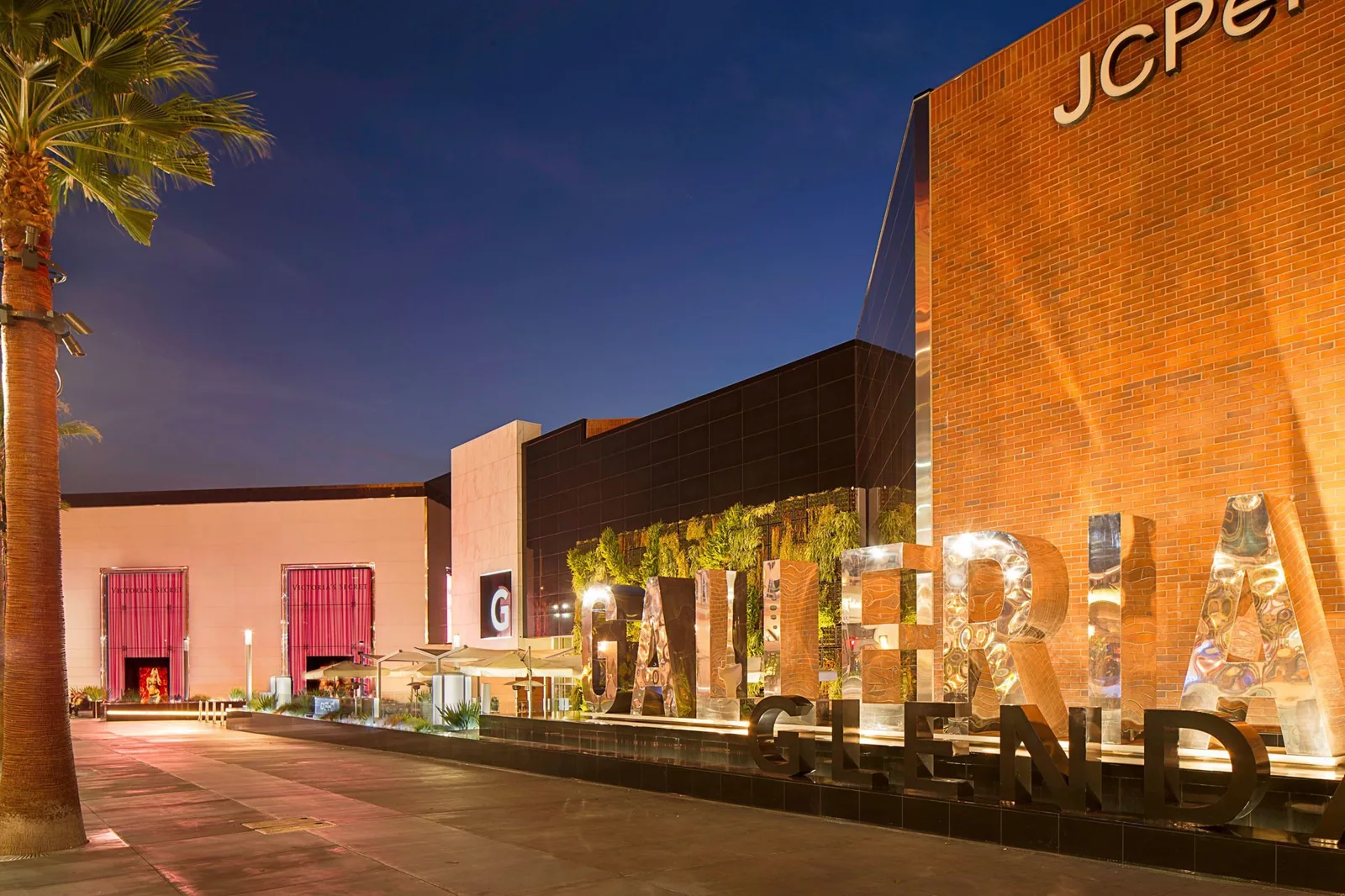
For a property around Galleria District, identify the actual building and tenant locations involved. The West Broadway retail setting helps arrange contacts. Floor-space descriptions cannot supply roof measurements or define the damaged construction.

Record information that remains unavailable. The claim file should identify a missing earlier image or inaccessible area rather than imply the condition was known. This makes later review easier without assigning certainty to an incomplete history.
Roof Insurance Claim Assistance in Glendale, CA

The observed roof findings

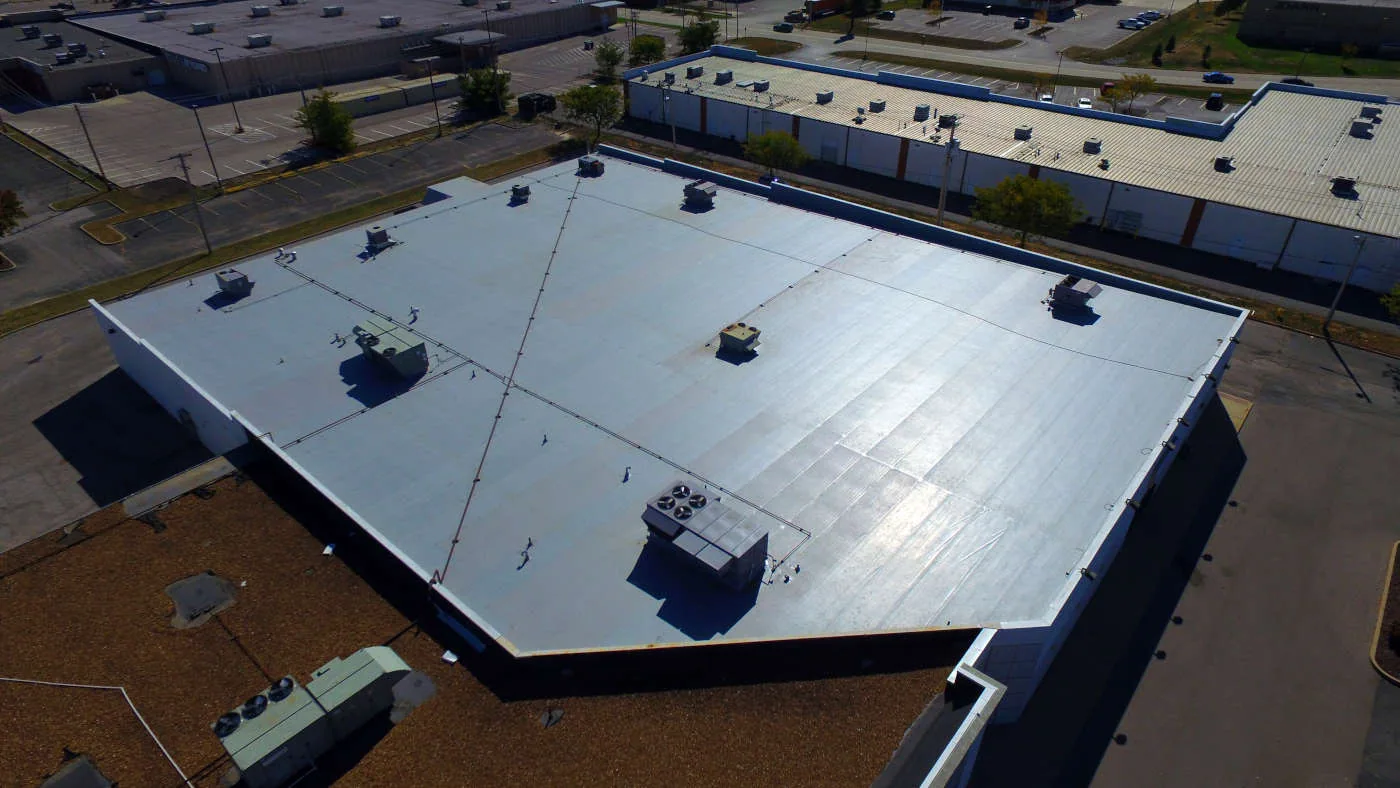
A condition examination should locate visible damage and state its coverage. Pair photographs with useful references and descriptions. A broad roof overview may orient the reviewer but does not show every connection or concealed layer.

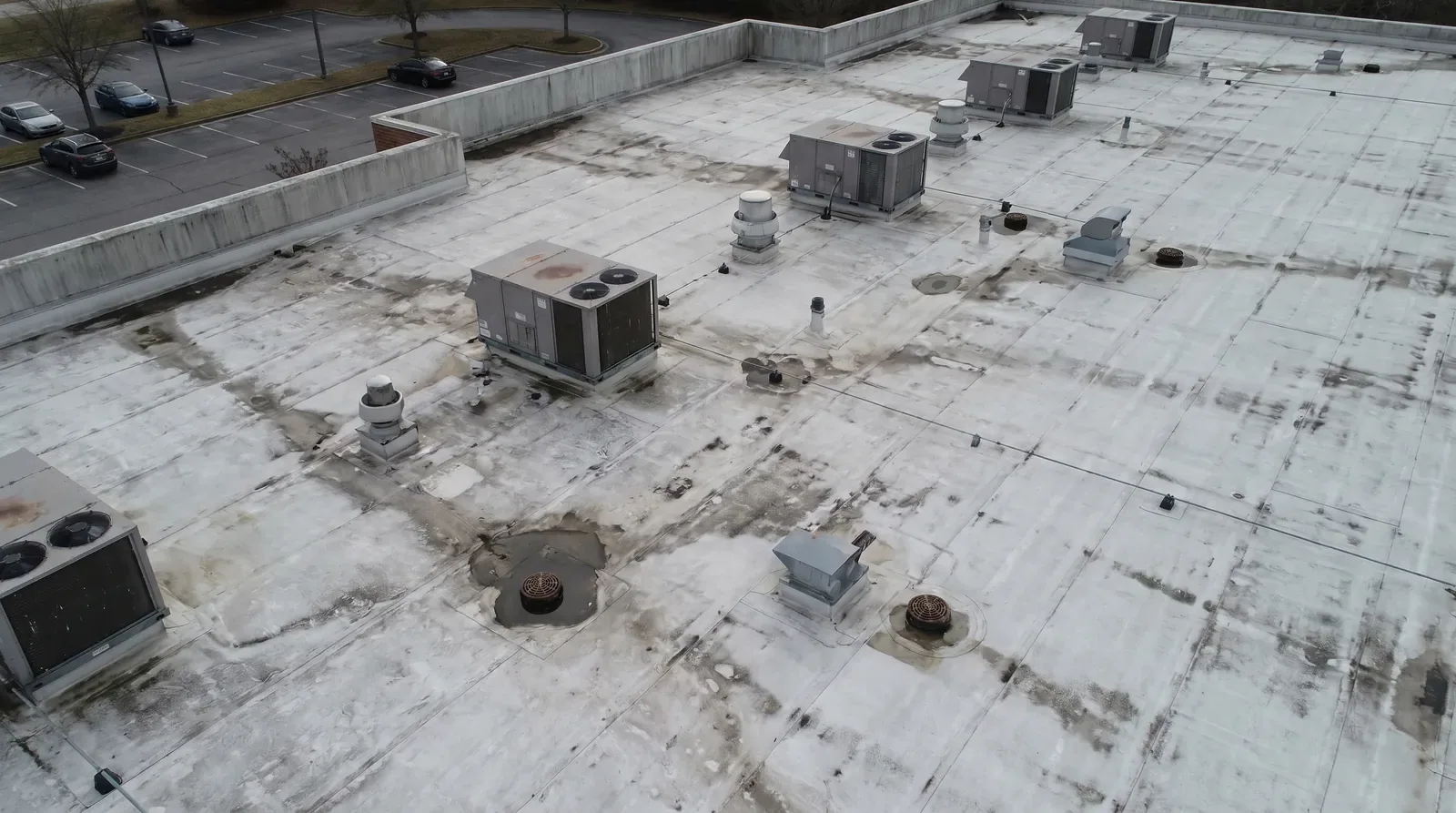
Describe displacement, openings or surface damage where observed. Interpretations about cause need suitable support. A regional storm report cannot independently prove that every recorded defect resulted from that event.

Use the material and assembly information available for the affected location. Different roof areas may have distinct construction. Avoid treating appearance or nearby building type as proof of the installed system.

Where adjoining equipment, glazing or wall components are implicated, identify the responsible review. The roofing record should describe its interface and limitations. It should not present one trade's observation as acceptance or rejection of all connected building systems.

The investigation evidence

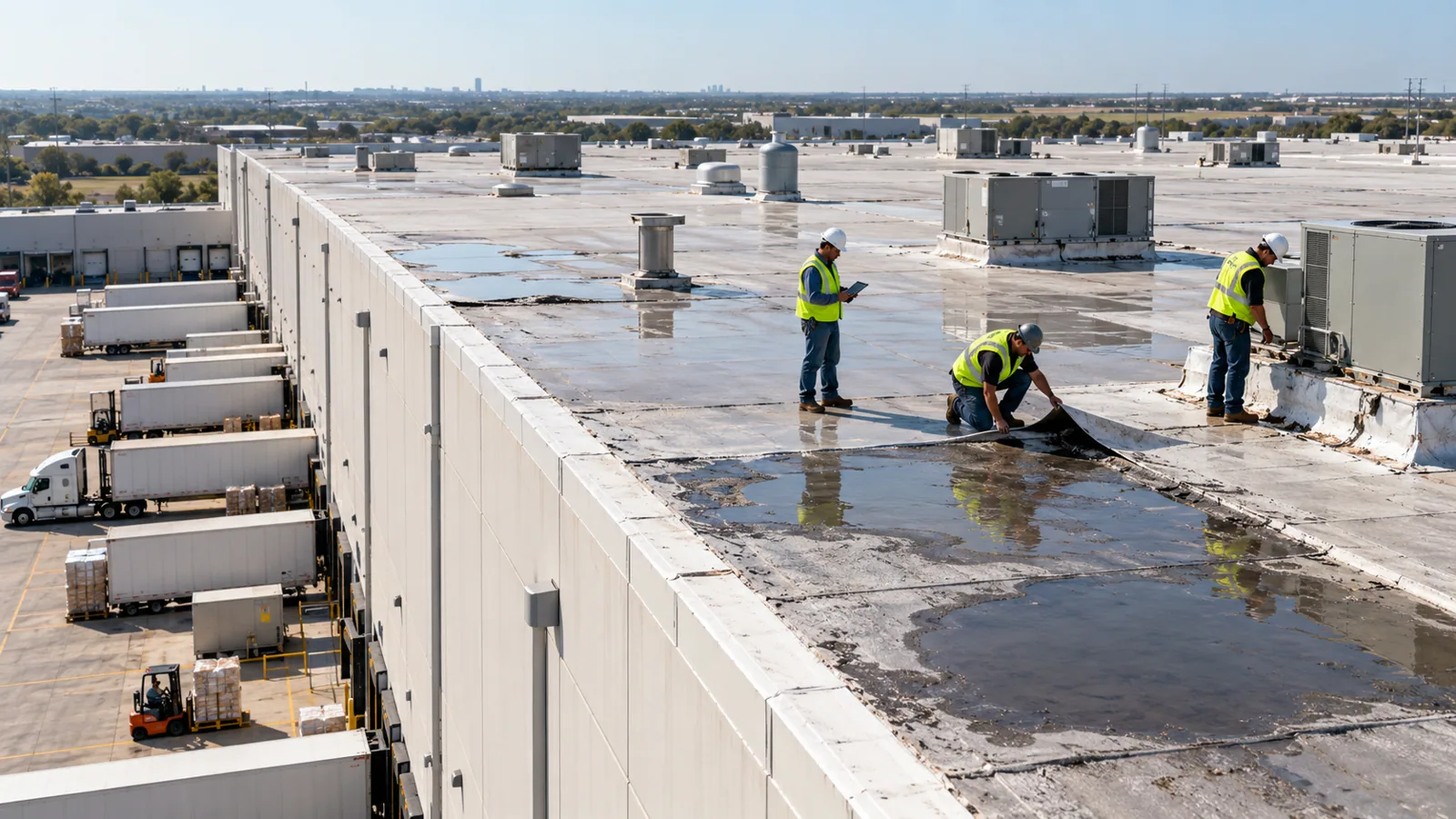
Define the actual question before selecting additional methods. An interior stain may need source investigation; a concealed material concern may need another appropriate task. The method should match the assembly and have necessary authorization.

An infrared investigation can contribute interpreted indications under suitable conditions. Appropriate confirmation supports moisture findings. Keep survey coverage and uncertainty with the images rather than label every temperature pattern as confirmed damage.

Samples establish local findings and need their locations recorded. They do not independently establish all wet-material quantities, structural condition or retained-roof eligibility. Explain how the evidence supports the recommended next action.

A drone image record can help document visible areas where feasible. It cannot establish every connection's bond or concealed cause. Preserve the date, coverage and examination limits beside the annotated observations.
Roof Insurance Claim Assistance in Glendale, CA

The protective work

Where active exposure requires action, document feasible measures and their purpose. Emergency roof protection needs suitable materials, attachment and current access conditions. The file should identify what was addressed and what remains open.

Keep the date and locations of temporary work separate from later permanent repair. Record materials and relevant limitations. A temporary measure cannot be assigned a universal lifespan or treated as proof that every source is resolved.

Coordinate interior and equipment decisions through responsible facility personnel. Electrical or structural concerns need appropriate qualified review. Roof records should not independently approve equipment operation or occupancy after an incident.

Retain invoices and work notes with the related observations. These records explain performed tasks and quantities. Whether an expense is covered remains a decision for the policy and responsible claim parties.

The repair scope and quantities

Identify compatible preparation, measured boundaries and supporting work for permanent correction. List retained components and repair locations. A material-only allowance may leave significant interface tasks unexplained.

Separate known quantities from allowances requiring further investigation or exposure. Define the approval path for changes. Photos and measurements should explain the consequence of a new finding before it is incorporated into an updated scope.

If replacement deserves consideration, give the condition basis and feasible alternatives. Patch count, chalking or an event date is not an automatic threshold. The recommendation should explain the actual construction decision.

Keep project requirements and accepted details aligned with the estimate revision. A new product or changed boundary can affect preparation and connections. The file should show the scope actually proposed or completed, not an outdated preliminary description.

The Glendale operating context

For a building along San Fernando Road, obtain access and receiving arrangements from the operator. South Glendale planning identifies the corridor as a distinct area. The individual property determines feasible staging and work restrictions.

Glendale has cooler-season rainfall and hot dry summers. These patterns help organize examination and repair planning. They are not evidence that the particular roof was damaged or a substitute for current surface and weather conditions.

Regional Santa Ana winds provide timing and handling context where relevant. Document the actual property findings before interpreting a wind-related cause. The fastening repair needs the actual assembly basis, while responsible claim parties evaluate the claim evidence.

Record tenant communications and affected work areas where relevant. Sanitation, ventilation and occupancy tasks need responsible contacts. Any planned equipment isolation should have an authorized procedure and interval rather than an arbitrary roof-work measure.
Roof Insurance Claim Assistance in Glendale, CA

The owner file and next decision

Organize documents so the reader can move from report to observation, investigation and work scope. Keep dates and location references consistent. The reviewer should be able to distinguish a finding from an estimate and a completed task.

Retain relevant quality checks and authorized changes at closeout. A finished-surface image does not show every concealed layer or complete every related trade task. Identify outstanding items and responsible contacts.

A dated roof report can preserve the same evidence for future ownership decisions. Later repairs and alterations should update it. The claim record then remains useful beyond the immediate incident discussion.

The closing recommendation should name the next supported task. Management can decide whether to investigate, approve repair or obtain another responsible review. Plain documentation helps that process without promising carrier acceptance, payment or a particular settlement.

A useful claim file lets a reviewer follow the path from roof observation to proposed repair. We connect dated photographs and inspection notes to a roof location, then state which findings are visible and which still need an opening to confirm. Quantities should identify what is being removed or repaired, while temporary protection stays separate from permanent scope. The owner and carrier make coverage decisions; a contractor's condition report should not make that decision for them. When construction reveals a new condition, document it before covering the area and follow the agreed approval process. Keep the final material and repair record with the building file for future maintenance.

A claim file for Downtown Glendale should identify the building and occupied area involved; San Fernando Road industrial records may include a different equipment context. Keep local setting separate from what the roof inspection confirms.

Put the roof record in clear order

Share the incident information and available roof history. We will review the roofing evidence and explain a practical documentation and work-scope approach in plain terms.

Related Roofing Pages

Other services, systems and conditions Glendale owners often review alongside this one.
Galleria District
Galleria District

Scope, conditions and planning details for Glendale commercial buildings.

condition examination
Commercial Roof Inspection

Scope, conditions and planning details for Glendale commercial buildings.

infrared investigation
Infrared Roof Moisture Survey

Scope, conditions and planning details for Glendale commercial buildings.

drone image record
Drone Roof Inspection

Scope, conditions and planning details for Glendale commercial buildings.

Questions About Roof Insurance Claim Assistance

Provide observed condition and supported scope information to the responsible claim parties. Policy interpretation and payment decisions remain separate. A roofing report does not determine every covered expense.

Use dated property evidence and appropriate examination. Images show what they capture within their limits. An event date or overview cannot independently assign every condition to the storm.

Keep the purpose, dates and quantities of each stage clear. Temporary protection may leave investigation or repair open. Later completion should reference the supported permanent scope.

Organize locations, dates, findings and work quantities consistently. Distinguish observation, interpretation and outstanding questions. Keep invoices and approved changes with the related tasks.

ServicesRoof SystemsProperty TypesIndustriesService AreasDamage RepairCapabilitiesManufacturersAboutRequest a Roof Assessment555-555-5555
Call555-555-5555