For the property manager, a tenant's new office equipment can create a roofing task shared by several trades. The new unit has a delivery date, but its support, clearance and waterproofing connection still need agreement. Commercial Roofers Glendale helps establish those tasks before the owner accepts a construction window.
A managed retail building brings a different arrangement. Entrances, receiving areas and the tenant mix can affect where materials move and how the work is phased. We ask about the actual building first, then put the roof correction and operating provisions in a scope that is easy to discuss.
The manager needs a practical record rather than a long list of unexplained defects. We locate the findings, describe what the proposed work addresses and identify the decisions still open. That keeps owner approval connected to the construction being purchased.
Start with the affected roof section and the rooms below it. Ask who controls access, which services must remain available and what tenant activity could be disturbed. An office above a public entrance may need different handling from a storage area at the rear of the property.
Occupied-building reroofing includes the protection and coordination suited to that arrangement. The method may involve separate phases, restricted deliveries or specific debris controls. Those provisions belong in the estimate rather than being left to the crew to discover.
Brand Boulevard and the San Fernando Road corridor give us local settings to discuss. A street name does not tell us the installed roof assembly or the tenant's working hours. We use the actual address, building layout and operator requirements to plan the task.
For mixed-use properties, identify the different areas affected by preparation and removal. Retail, office and residential spaces can require separate communication and protection decisions. A shared roof does not make their operating needs the same.
Near Glendale Galleria, confirm the subject property rather than assuming that a nearby landmark controls access. The manager supplies the actual loading arrangements and pedestrian restrictions. Local context helps us ask the right questions; the building representative establishes the provisions needed for the work.
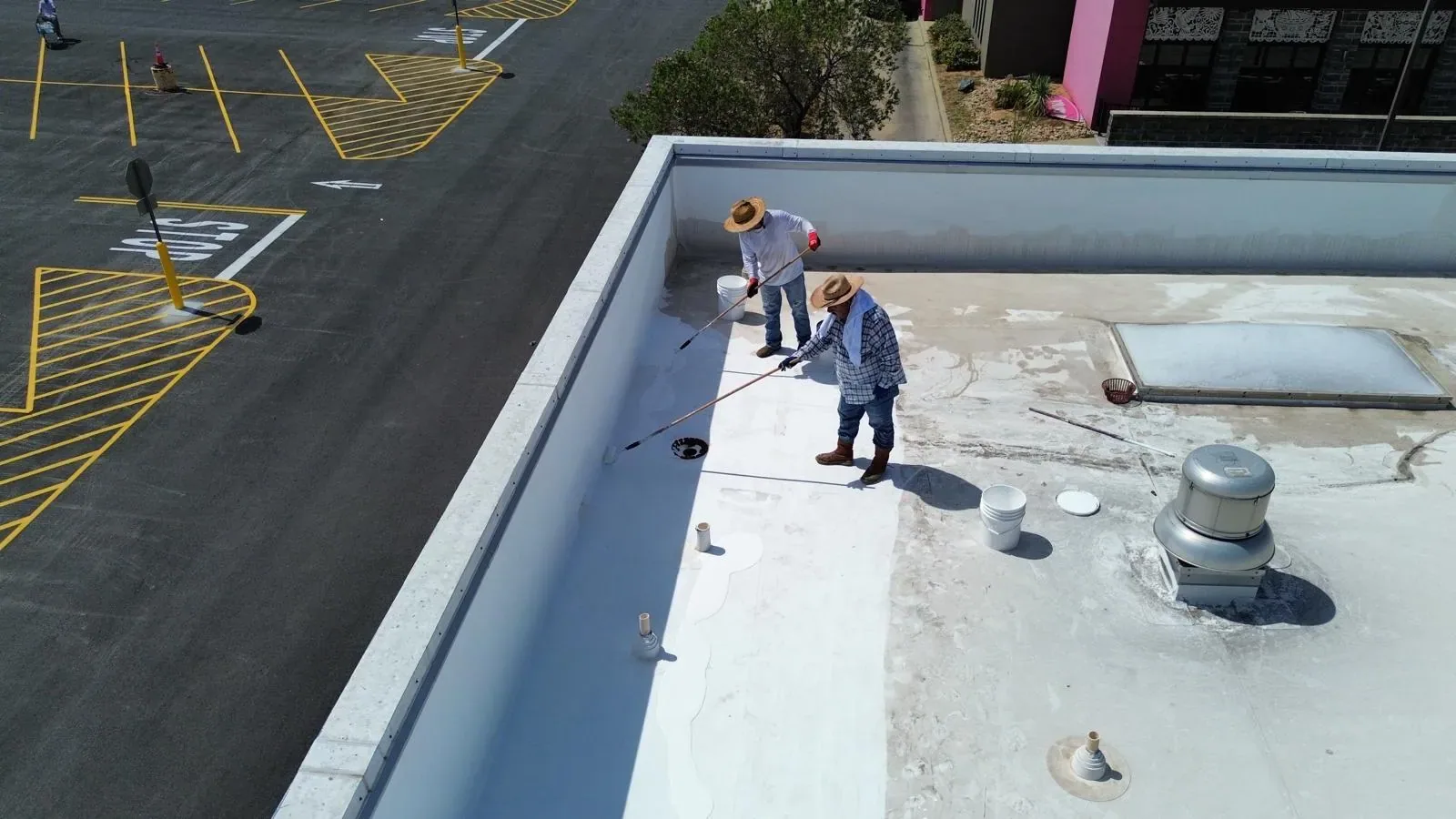
We mark the reported problem on a roof plan and record the membrane, old repairs, drains and equipment connections around it. Dated photos let another manager find the same spot later. Any area we could not reach is listed as not inspected.
Our commercial roof leak repair visits compare where water shows up inside with the roof we can inspect. Water can travel under the membrane, and a rooftop unit can be the real source. A ceiling stain tells us where to start looking, not which opening outside caused it.
If hidden wet insulation could change the recommendation, we agree on test cuts and how they will be protected before opening the roof. One core describes one spot; a larger quantity needs more testing. Infrared readings also need cores to confirm them.
The recommendation then explains the repair and the prep it needs. If a question is still open, we name the next step and who owns it, so the manager can approve real work without every unknown being treated as replacement area.
A repair price should include everything needed to make the fix hold: access, prep, backing or blocking, disposal and tenant protection where needed. A membrane quantity alone can leave out the work that makes the job possible.
Roof capital planning separates an urgent repair from a larger decision later. The record explains what a small repair fixes and when the rest of the roof should be looked at again. We do not promise a set number of years from a deferred section without testing to back it up.
Repair, coating, recover and replacement are compared by their full scope. Each has its own questions about what the new work goes on and whether the roof qualifies. We show the prep and any allowances so the owner can see what is behind each number.
Our roofing for real estate investors and REITs keeps the same findings available for a sale or refinance. A transaction review and a maintenance decision can use one report, even though they need different approvals.
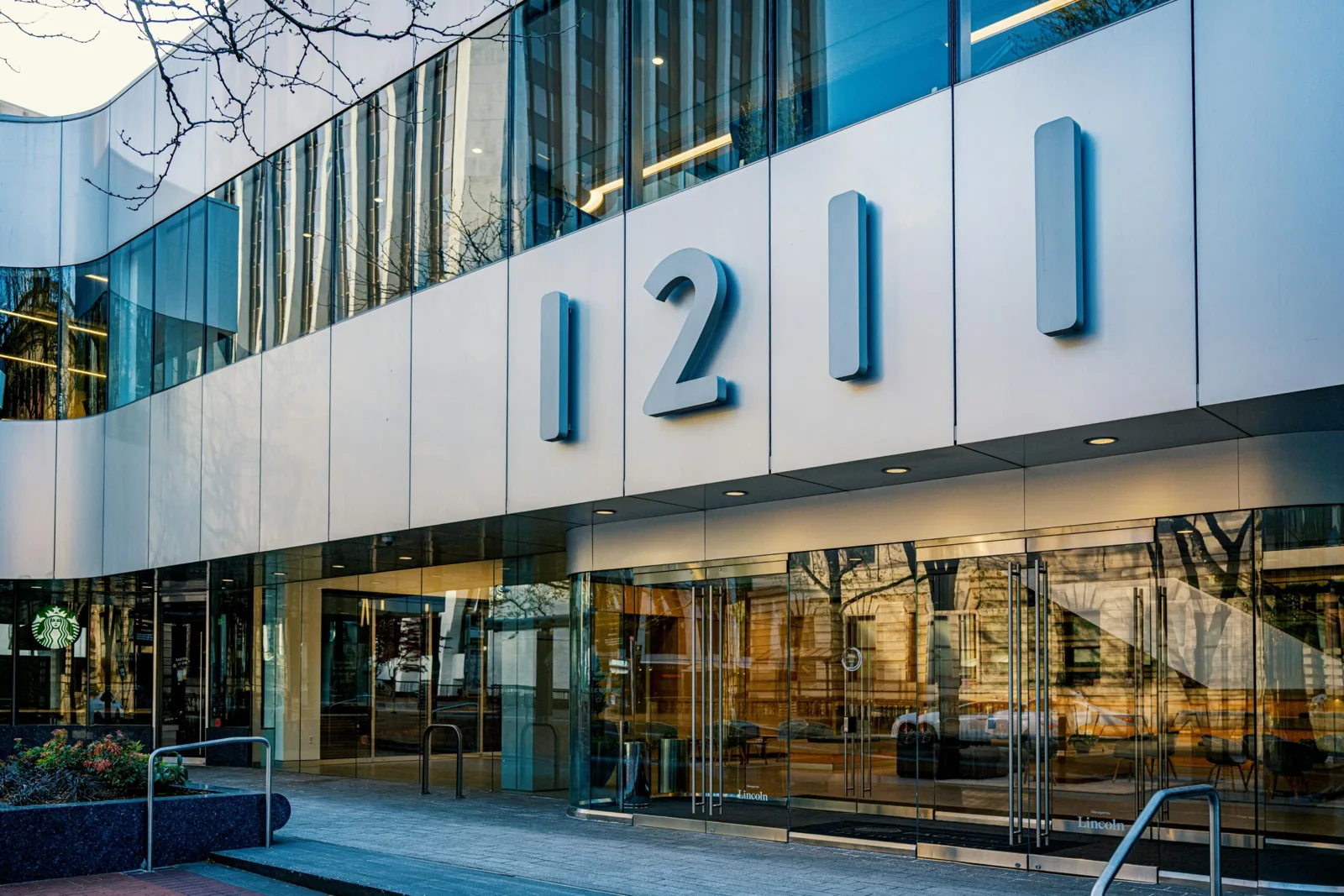
We confirm tenant restrictions before setting dates. A delivery date only works if access, a ready substrate and decent weather all line up. Having materials on site does not mean every detail can be finished in one visit.
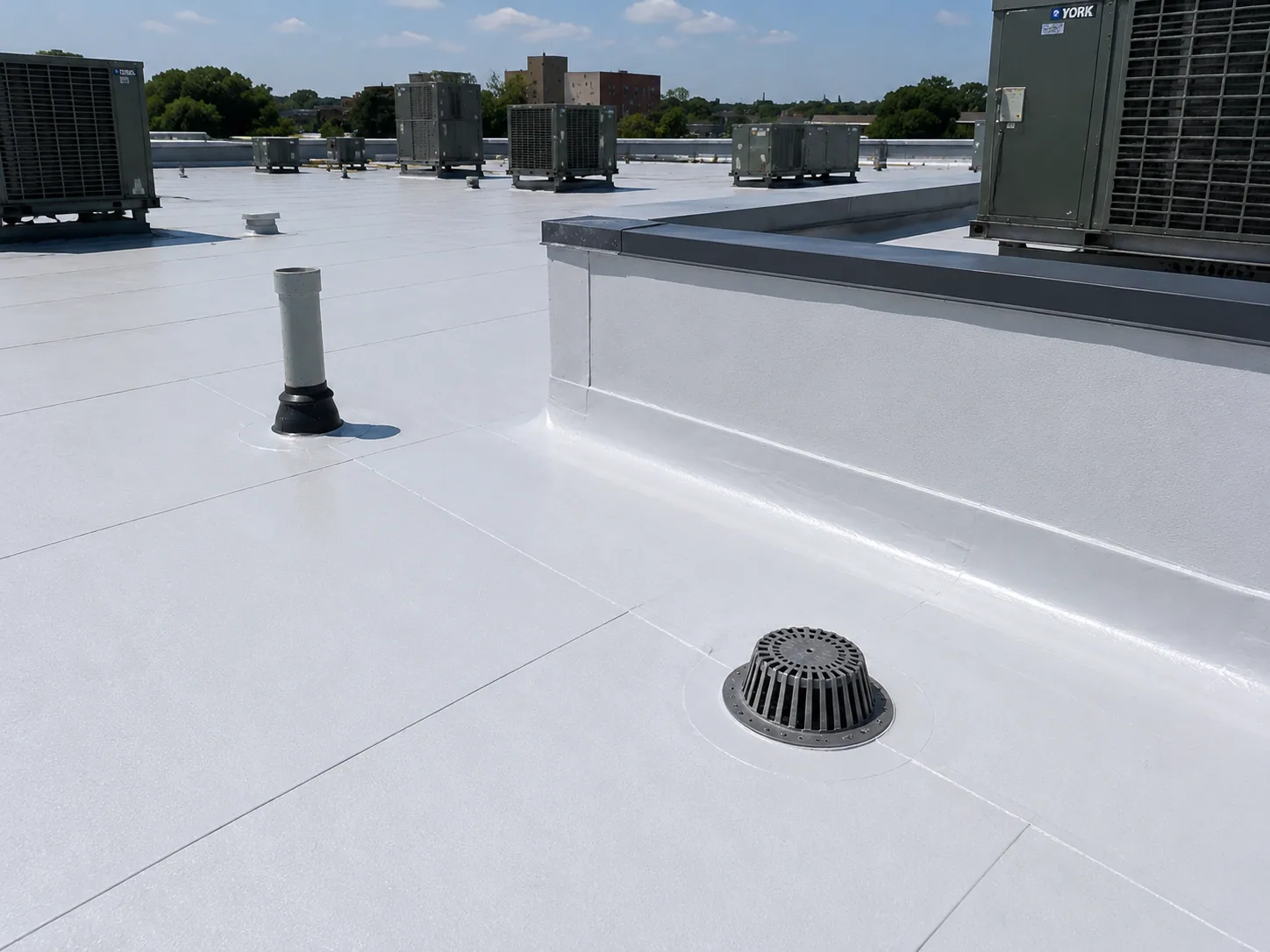
Rooftop equipment curbs and supports need a clear owner for each step. The HVAC and electrical contractors and the facility contact handle shutdowns and restart checks, and our roofing follows the equipment plan everyone agreed on.
We check the finished roof height against the new unit, wall flashing and drains. An extra layer or a support change can leave too little room to flash properly, so that gets solved before the unit is set and the curb becomes hard to reach.
When a permit is needed, the City of Glendale publishes its current code edition and local amendments. We check the authority, application timing and actual scope before choosing details. Being near the foothills does not by itself decide which fire or wind rules apply to a given roof.
Bring general contractors into the equipment schedule when their crews build the support or cut the opening. The manager needs to know when each trade is done before roofing covers their work.
Roof condition reports keep findings, the approved scope and the finished work together. Prep photos show what was later covered up, and completion photos show each finished detail, not just a wide shot of the roof.
Any change in quantity is listed with the owner approval behind it. Equipment, interior and other building work outside our scope stays on its own list. Our closeout covers the roofing we were hired to do; other systems have their own checks.
Preventive roof maintenance turns open items into a schedule, with the area, purpose and who is responsible for each. Product and warranty terms stay with that record before anyone approves later changes to the roof.
A property in the San Fernando Road corridor gets its own address and access record. Later service reports use the same roof locations with new dates, so an incoming manager can see what changed without digging through old emails.
Before closing the file, we review open recommendations with the owner and split them into finished repairs, deferred work and further testing. That gives the next budget meeting a clear starting point.
If water shows up again, the new report is dated and kept beside the original repair. We check the location and any equipment changes since before assuming the same cause, because a familiar stain inside does not always mean the same problem outside.
A property manager needs a roof record that can move between tenants, vendors and ownership without losing the condition behind a recommendation. We map each finding to a roof zone and separate immediate water control from a planned repair or replacement. The report identifies what was visible, what remained concealed and which next step would change the decision. For a Glendale mixed-use property, also coordinate access, retail deliveries and occupied residential space with the building contact. When work is complete, retain photos and material information beside the repair history. A future manager can then see what changed, who has an open task and what deserves the next inspection.
Arrange a visit to your Glendale property. We can review the findings, tenant requirements and complete roofing scope in plain terms before the owner decides.
Other services, systems and conditions Glendale owners often review alongside this one.
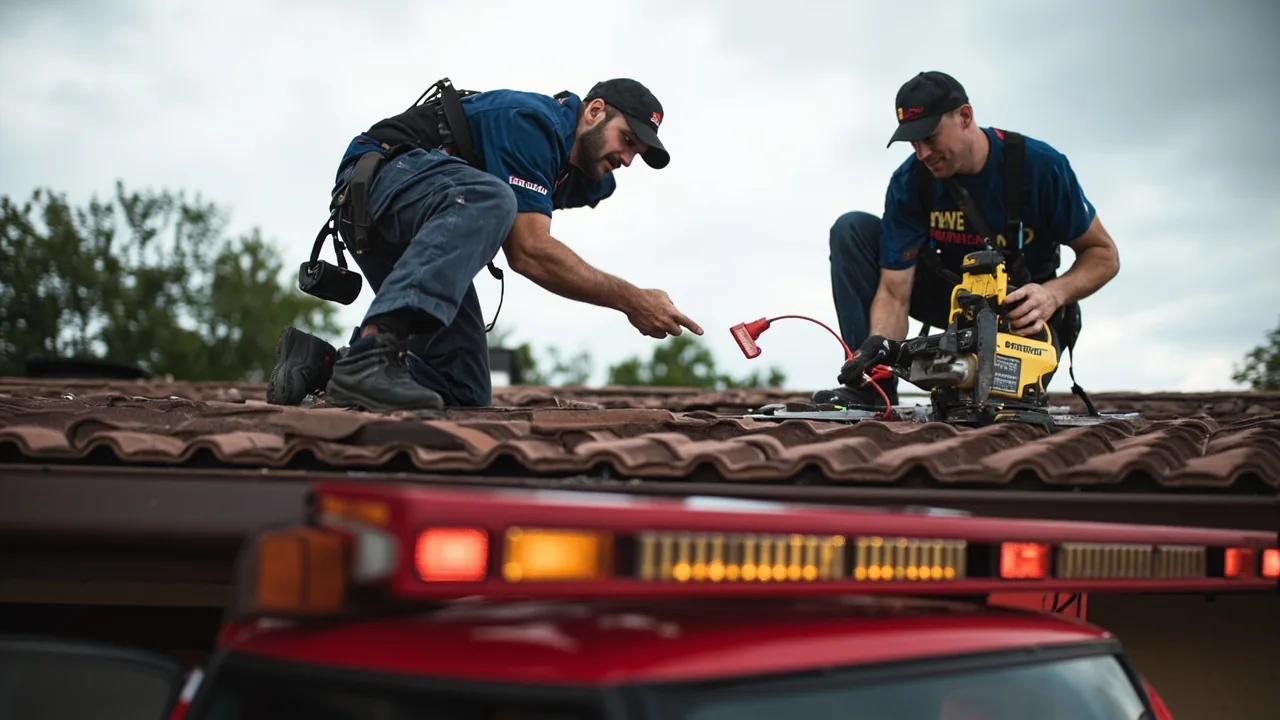
Scope, conditions and planning details for Glendale commercial buildings.
Send the address, roof records, recent reports and tenant restrictions. Identify the access contact and any equipment decisions still open.
Sometimes. Confirm each affected area and its operating needs before selecting phases and protection.
Support, service access or movement can be needed before the roof detail is ready. Include those assigned tasks in the complete scope.
Keep roof references, preparation and completion photographs, installed products, approved changes and the remaining responsibilities.