A mixed-use purchase needs its roof question tied to the actual building. Retail below one section and occupied rooms beneath another can change access, protection and the scope behind a reserve. Commercial Roofers Glendale helps the investment team understand those differences before comparing amounts.
For an office property, a planned tenant improvement may be just as important as the existing repair list. New rooftop equipment can alter the connections the next owner will need. We establish the current condition and the proposed changes rather than relying on a general roof age.
The result is a dated record with usable recommendations and defined limits. It gives the buyer a physical basis for the capital decision. It also gives the incoming manager a starting point for the work that remains after acquisition.
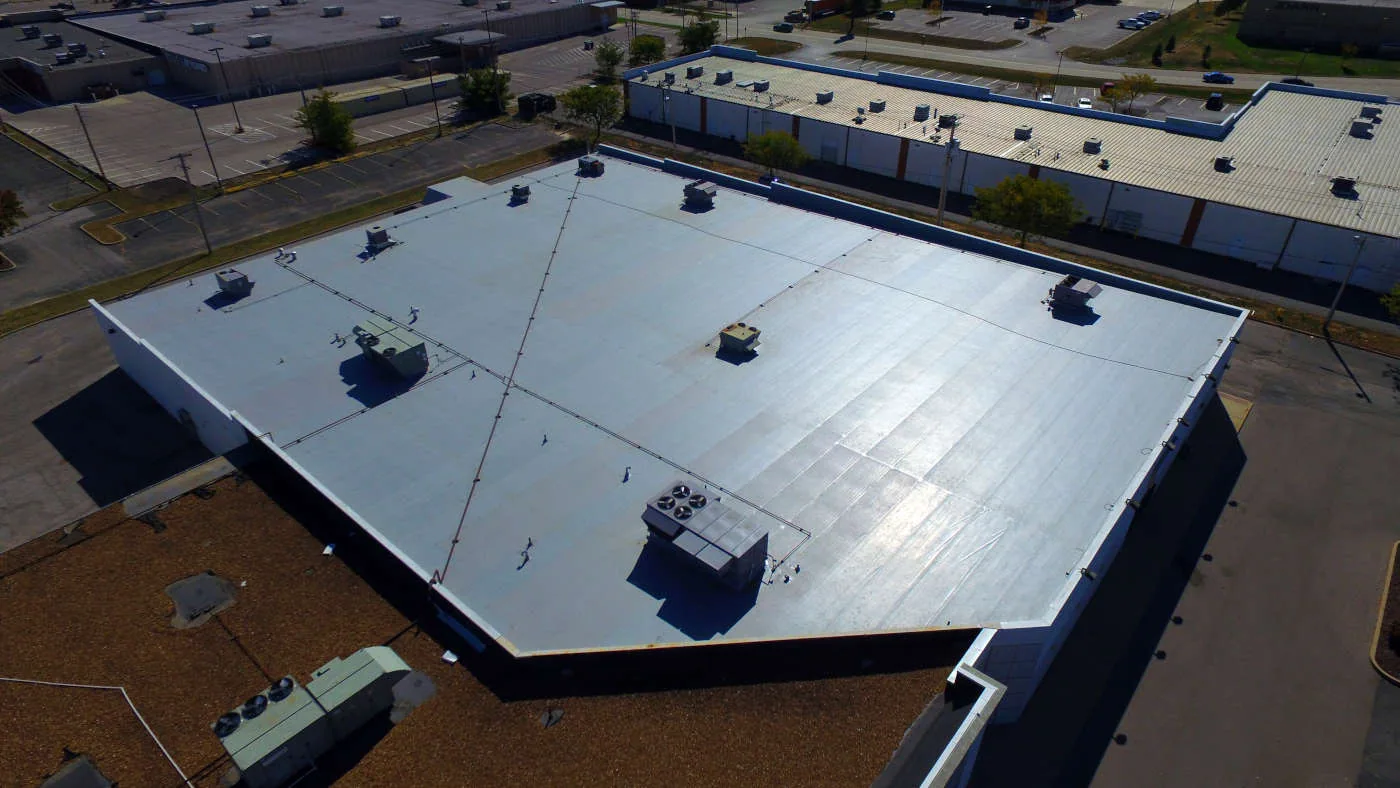
Identify the building, additions and accessible roof areas. A sale package may describe the property as one asset while its roofs have different assemblies or alteration histories. Keep those sections distinct in the assessment and price.
Due diligence roof surveys connect visible condition with the questions affecting the purchase. Record reported leaks, known repairs and inspection limits. A seller's invoice can help identify previous work without establishing current condition throughout the building.
Brand Boulevard offers a downtown commercial setting. San Fernando Road includes a different corridor context. Neither location establishes the specific roof construction, permitted access or tenant operating requirements. The survey uses the subject address and actual building arrangement.
Ask about planned tenant changes before the capital estimate is fixed. A later equipment project can require support, insulation or flashing work beyond the present repair. Keep that planned alteration separate so the investor can see what the current scope assumes.
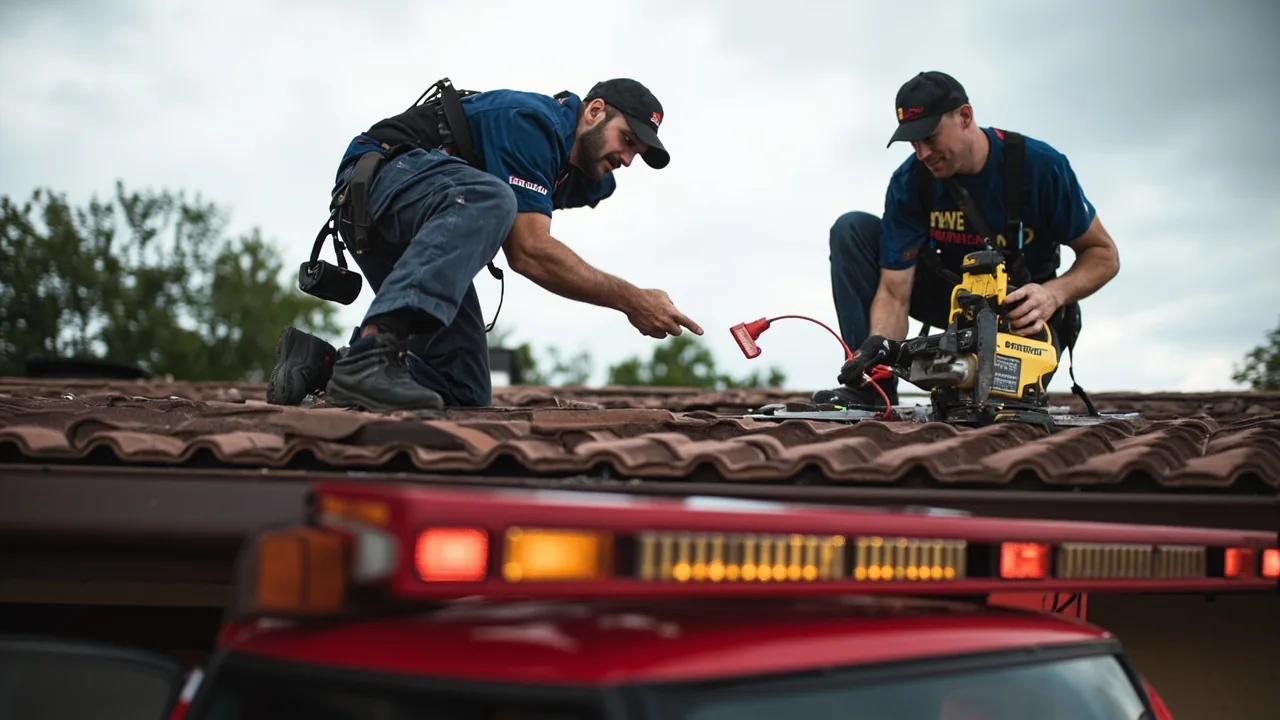
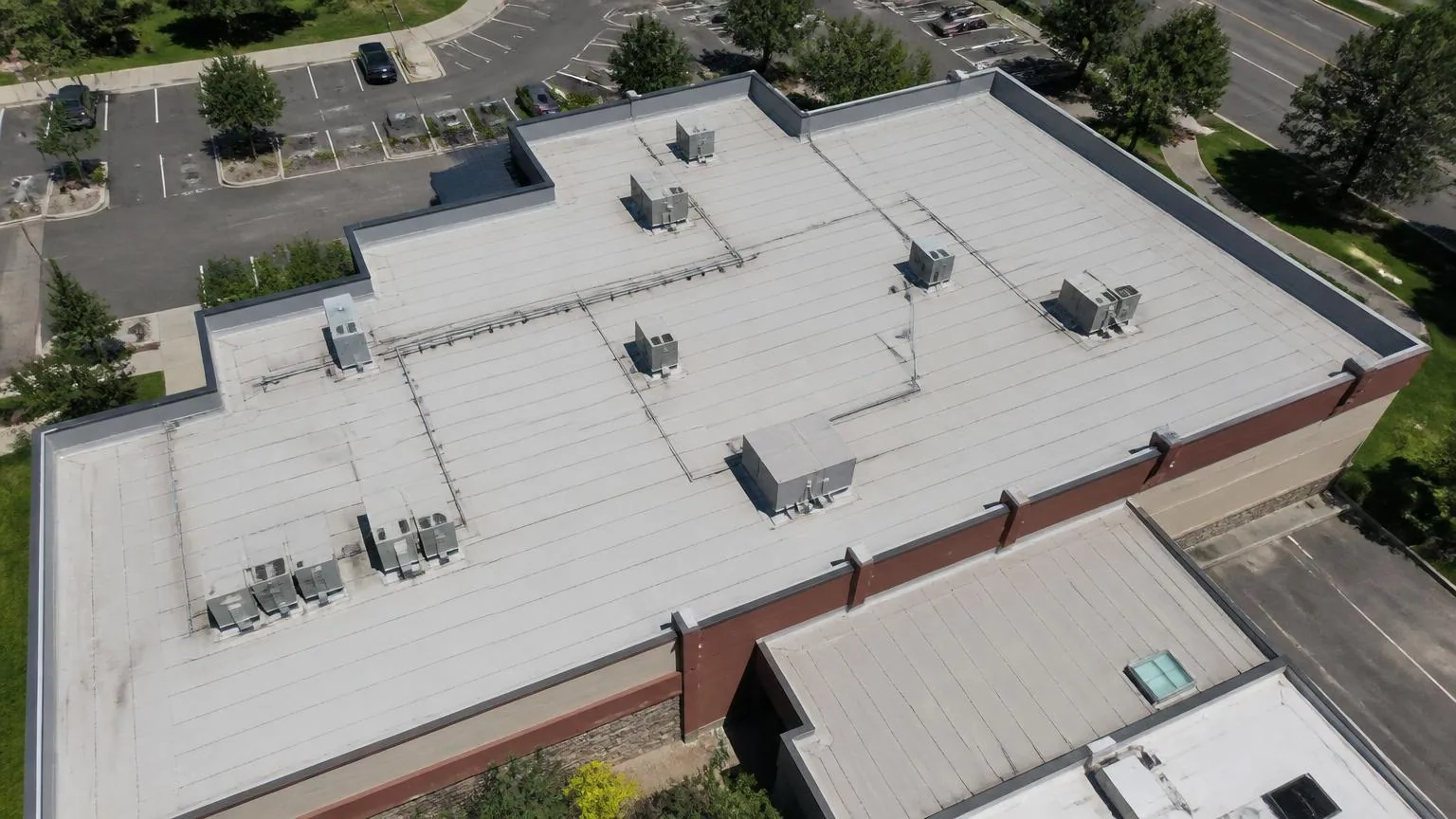
Record accessible membrane, drainage and junction concerns with dated photographs and roof references. Explain the condition that supports each recommendation. A wide photograph can orient the reader, but it does not replace a located observation of the affected construction.
Commercial roof inspection identifies the physical questions that can be examined. Where access or coverings restrict assessment, state the limit. An acquisition deadline should not turn an unexamined condition into a confident quantity.
Use suitable investigation when concealed construction affects the option. Samples describe their positions and require appropriate opening protection and closure. Wider quantities need evidence suited to the proposed extent. Thermal indications require interpretation and appropriate confirmation before being used in a removal recommendation.
Compare interior reports with the accessible roof and relevant equipment or enclosure paths. A room stain may guide the investigation without establishing the exterior entry point. Keep unresolved mechanisms assigned rather than treating one repair as an answer to every water question.
Obtain actual warranty documents where available. Check ownership-transfer, alteration and reporting provisions with the issuer as appropriate. A warranty name in a property description does not establish coverage for every present condition.
Identify the party authorized to approve further examination before the transaction deadline. An opening may require tenant coordination and suitable closure. If those permissions are unavailable, retain the consequence in the reserve discussion and identify how the buyer will resolve the question after closing.
Separate known work from conditional allowances. Measured repairs, required preparation and access have a different basis from concealed reconstruction that still needs investigation. Put that difference beside the proposed amount.
Roof capital planning connects immediate correction with later work. A deferred section needs a supported condition basis and reassessment point. Fixed remaining-life claims from age or appearance are poor substitutes for that record.
Compare repair, restoration, recover and replacement through their complete scopes. Each needs suitable receiving construction and defined interfaces. A low field-material price can leave support, equipment or drainage tasks unpriced.
For properties near Glendale Galleria, ask about the actual receiving arrangement and tenant access. A nearby landmark is useful context. It does not establish ownership, a service relationship or permission to use adjacent property during roof work.
A seller credit is a transaction decision made by the parties. The roofing estimate describes physical work and its qualifications. Keep those purposes clear so a negotiated amount is not mistaken for an accepted construction scope.
Closing and construction authorization can happen on different dates. Identify the access, investigation and approval decisions still required before mobilization. Available funding alone does not establish that the receiving assembly or equipment arrangement is ready.
Occupied-building reroofing includes the actual tenant restrictions. Confirm delivery routes, protection and affected services before setting phases. Keep the operating provisions attached to the physical scope so a revised method can be priced properly.
Equipment curb and support coordination assigns the related trade tasks. Qualified participants and the facility representative control service interruptions and restart. Roofing follows their accepted decisions rather than treating a new unit's arrival as completion of the roof interface.
Review applicable requirements with the authority for the address and project. Glendale states its code submission basis and local amendments. Actual scope, accepted application timing and relevant compliance paths need consideration before procurement fixes the assembly.
Choose exposed work boundaries around safe access, practical protection and installation conditions. If a concealed finding changes reconstruction, document its quantity and approval before expanding removal. The investor should see the cost and timing effect together.
Request the general contractor's construction sequence where a purchased building also needs tenant improvements. Price the roofing interfaces against that sequence so the reserve includes the agreed preparation and return visits.
Our roofing support for property managers keeps the assessment usable after the purchase. Identify approved corrections, deferred work and further investigation separately. The manager needs the physical basis behind the capital decision.
Retain completed-detail photographs, installed materials and approved changes in the property file. Include relevant inspection records and applicable warranty documents. Equipment, interior or other work outside roofing acceptance needs its own responsibility and sign-off.
Roof condition records preserve the inspection limits and outstanding recommendations. A property in the Downtown Glendale service area receives its actual building references and access arrangements.
Later reports and alterations should use the same roof locations with new dates. This lets the next budget review compare current findings with work completed after acquisition. The owner can see what the reserve purchased and which decision remains open.
Keep the pricing date and procurement assumptions with each recommendation. A later approval may need an updated estimate or work period. The physical assessment remains useful, while price and scheduling commitments follow the current proposal. That distinction helps the owner avoid relying on an outdated amount for new authorization.
Portfolio planning works when a report preserves the differences among assets rather than giving every roof one broad rating. We record assembly, repair history, observed moisture and inspection limits for each building. The owner can then separate urgent protection from capital work and see what investigation remains before a replacement scope is settled. For Glendale's retail and office mix, access and tenant schedules may affect timing as much as the membrane choice. Keep the assumptions behind quantities with the property record. When a project closes, update the assembly and open observations so an asset manager can compare later bids against current evidence instead of an old summary.
Arrange a Glendale roof assessment before acquisition or capital approval. We can discuss the findings, complete scope options and remaining questions with your property team.
Other services, systems and conditions Glendale owners often review alongside this one.
Scope, conditions and planning details for Glendale commercial buildings.
It records described work, not every current condition. Review the actual roof and keep inspection limits visible.
Condition and suitable options need assessment. Age alone does not establish the best scope.
It establishes local construction. Wider quantities need evidence appropriate to their extent.
Give them dated findings, approved work, inspection limits, applicable documents and the next assigned decisions.