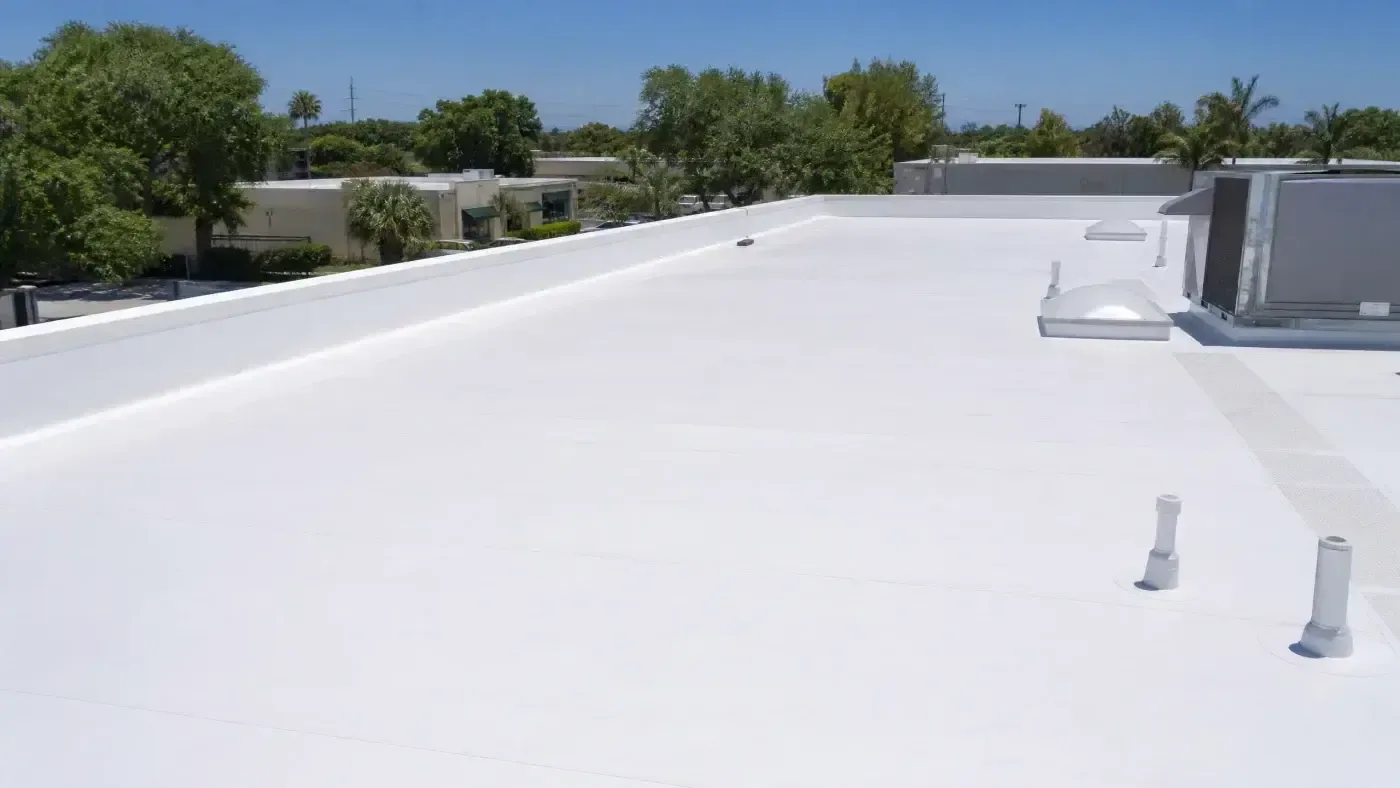
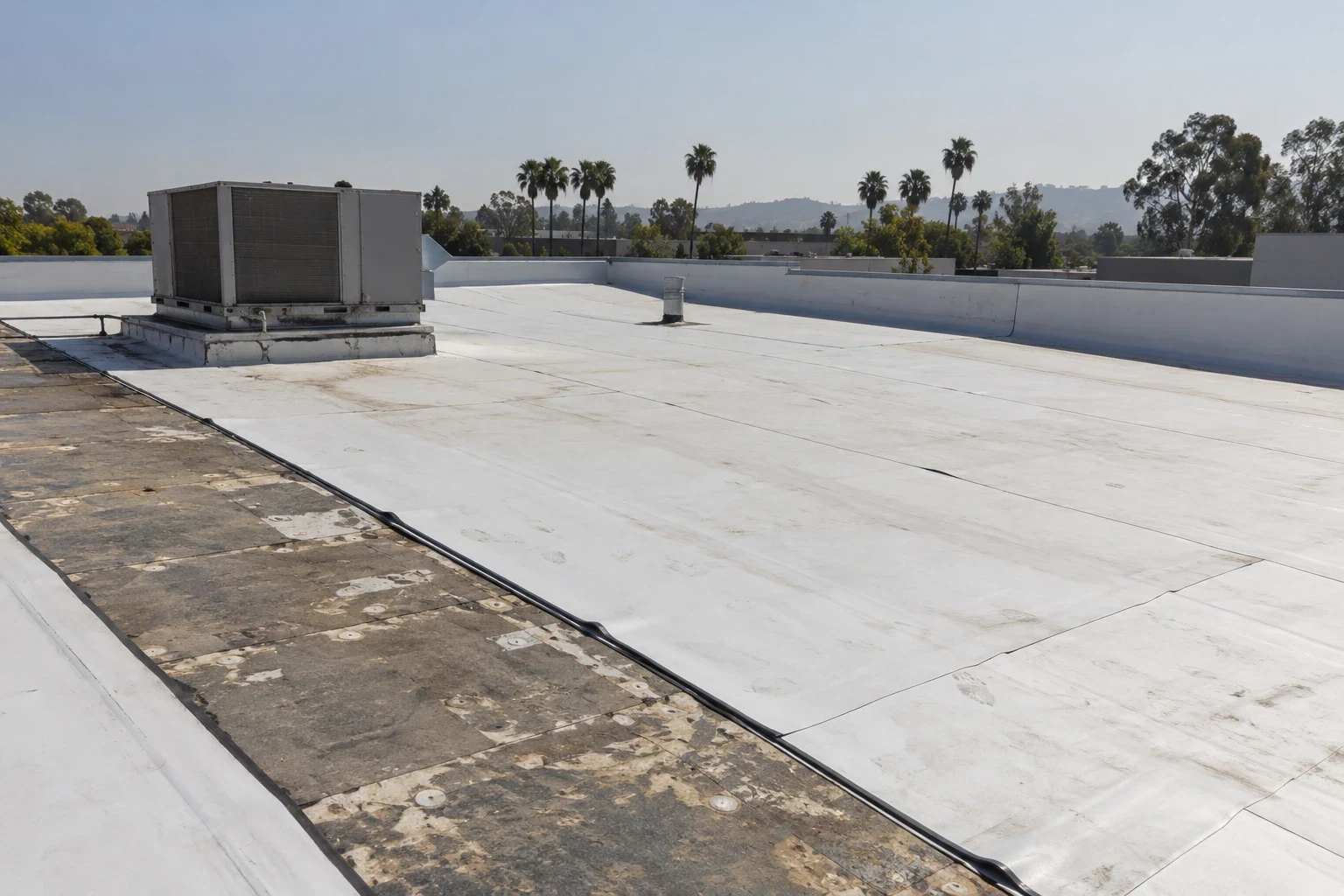
On a mixed-use building, the application method for a modified bitumen roof has to be explained before the project is scheduled. The asset manager has tenants and HVAC equipment to coordinate as well as the price, and those arrangements depend on the products and method chosen.
Modified bitumen roofing in Glendale, CA, uses reinforced asphalt sheets, usually in two or more plies, with a granular or coated surface. SBS and APP are the two main types, but neither one dictates a single installation method. We review the roof's condition, then explain prep, flashings and the work sequence. The owner gets a scope that can be discussed in plain terms with the building's facility contacts.
A built-up roof uses a different ply system and application process, and an EPDM roof joins its seams in a completely different way. We compare the full prep and installation work for each so the owner understands what would change in construction and day-to-day operations.
We identify the products, reinforcement and number of plies. A one-line description calling it a modified roof can leave major decisions open, so management sees the actual specification next to the quantities.
We note the application method allowed for those products. Some systems use cold adhesive or self-adhered sheets; others are torch-applied or set in hot asphalt. The membrane type alone should not mean a torch on every project.
We check compatibility where new work meets old. Earlier sheets and repair products affect prep, and similar-looking asphalt does not guarantee a good bond with every new product.
Specification changes stay aligned with the estimate. A substitute product may change the method and site safety controls, so we reconcile those before treating it as equal.
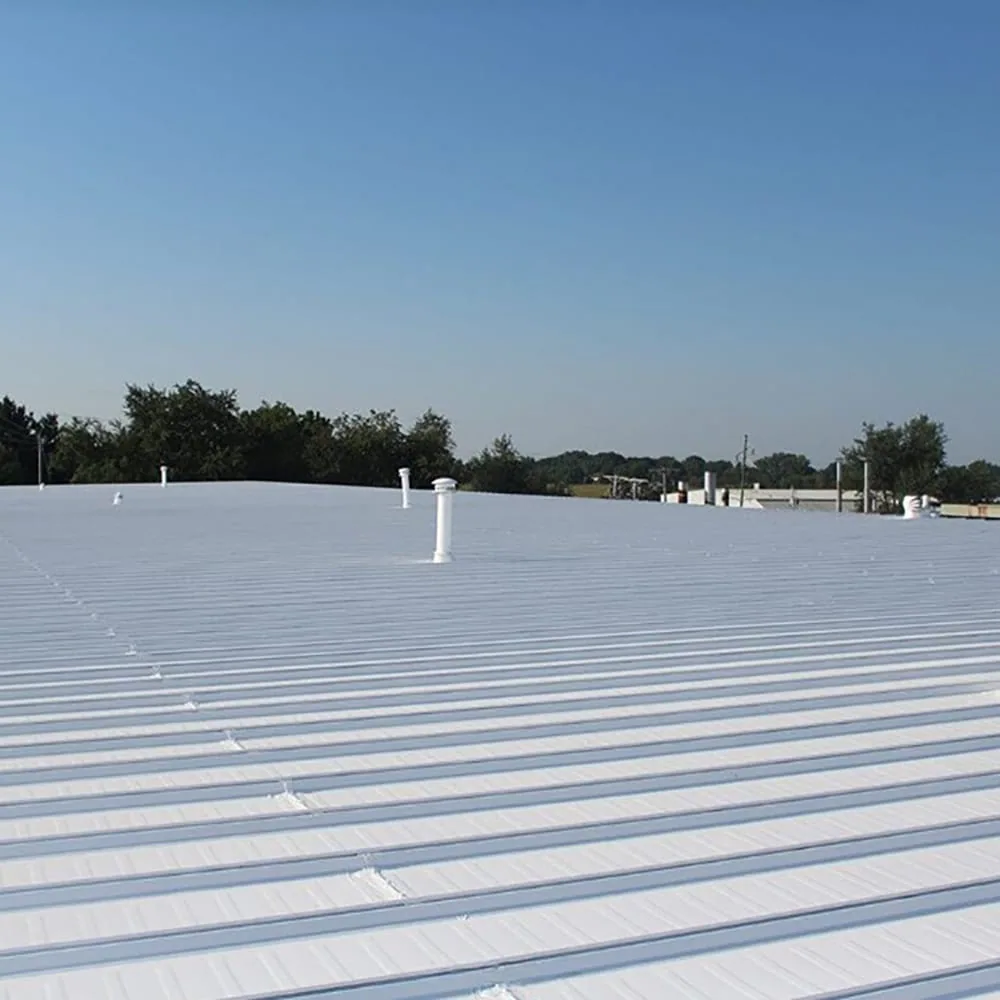
We review records and what we can see on the roof. Different sections may have been installed at different times with different materials, and the building's age does not identify the current roof.
Our inspection locates visible defects and notes what we could not check. Worn granules or surface cracking deserve attention but do not prove the layers underneath are wet, and we keep observations separate from guesses about hidden conditions.
Where a commercial roof repair makes sense, we define compatible prep and a measured repair area. There is no universal patch count that decides when to replace a roof. We explain what the repair fixes and what it leaves alone.
Further testing should answer a specific question. Core samples and moisture scans need approval and careful interpretation. Local findings add evidence but do not prove the condition of the whole roof.
The new roof needs a suitable surface. We identify the cleaning, repairs and any separation layer required, since new sheets cannot make structural or moisture problems disappear.
For a roof recover, we evaluate the existing layers, attachment, moisture and code limits together, and list open questions with the recommendation. Good core results alone do not settle whether a recover is allowed.
When commercial roof replacement is recommended, we define tear-off areas and depth. Deck problems found during tear-off may need more review, so the owner gets allowances and a clear approval path for added work.
We measure the actual roof and details rather than relying on floor area. Roof level changes and additions may need different prep, and the estimate shows those differences.
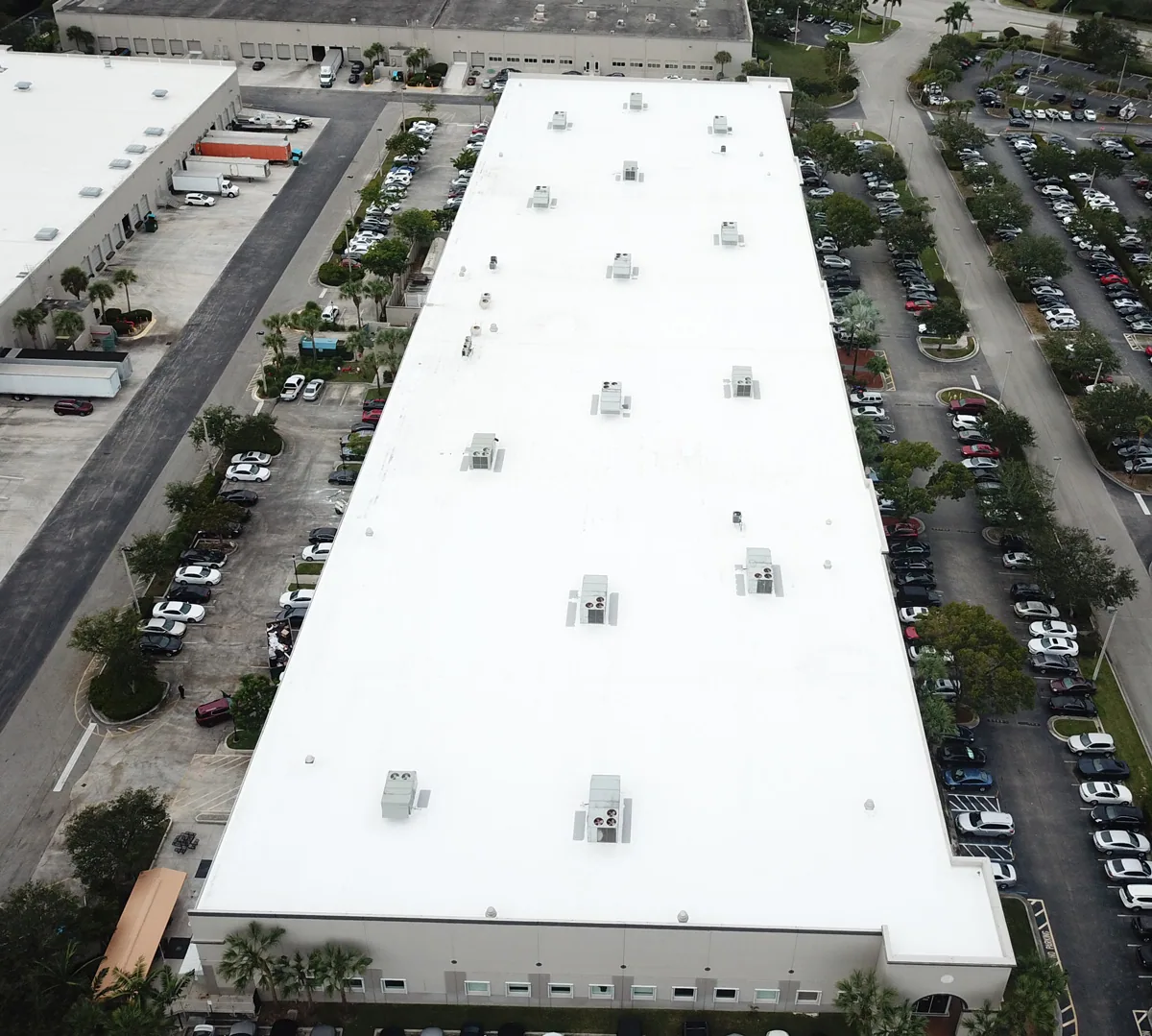
We follow the product instructions for surface and weather conditions. Moisture, temperature and wind all affect installation, and daylight alone does not tell us an adhesive or sheet is ready for the next step.
If the system is torch-applied or uses hot asphalt, we set up the required fire safety controls and permits, including a fire watch, extinguishers and a check of combustible materials near the work. Crew experience does not replace an agreed safety plan.
We agree on staging, material handling and disposal routes with the operator. An occupied building may limit storage, access or nearby activity, and we record who can approve changes to those arrangements.
Asphalt fumes near air intakes need the building's HVAC staff to decide on shutdowns and timing. Covering an operating intake without their input is not an acceptable shortcut.
We check curbs, pipes and roof level changes based on their actual shapes. Curb or support repairs may need to come first, and we assign that work so the flashing price is realistic.
We coordinate skylight and penetration flashing with the sheet system's requirements. Corners and terminations need specific prep, and skylight or equipment problems stay with their own trades.
Edge metal, coping and gutter work includes the wood nailers and fastening behind the metal as well as the waterproofing. A coping allowance alone can leave that work undefined, so approved details go to the crew and future service technicians.
We locate drains and check finished roof heights. New sheets do not fix ponding or poor drain placement on their own, and measurements and design input may be needed for drainage changes.
For a retail building in the Galleria District off West Broadway, we bring tenant and delivery contacts into scheduling. Each building's restrictions decide material handling and work windows.
A facility along San Fernando Road in south Glendale needs its own access approval. We confirm delivery and equipment arrangements rather than assuming a standard industrial schedule.
Glendale's summers are hot and dry, and most rain falls in the cooler months. That helps with scheduling, but the surface, the forecast and the product's procedure decide each day's work.
We plan protection for unfinished flashings and name a contact for schedule changes. Food service or other sensitive tenants may have their own requirements, and we list those next to the roof work instead of assuming every tenant can carry on as usual.
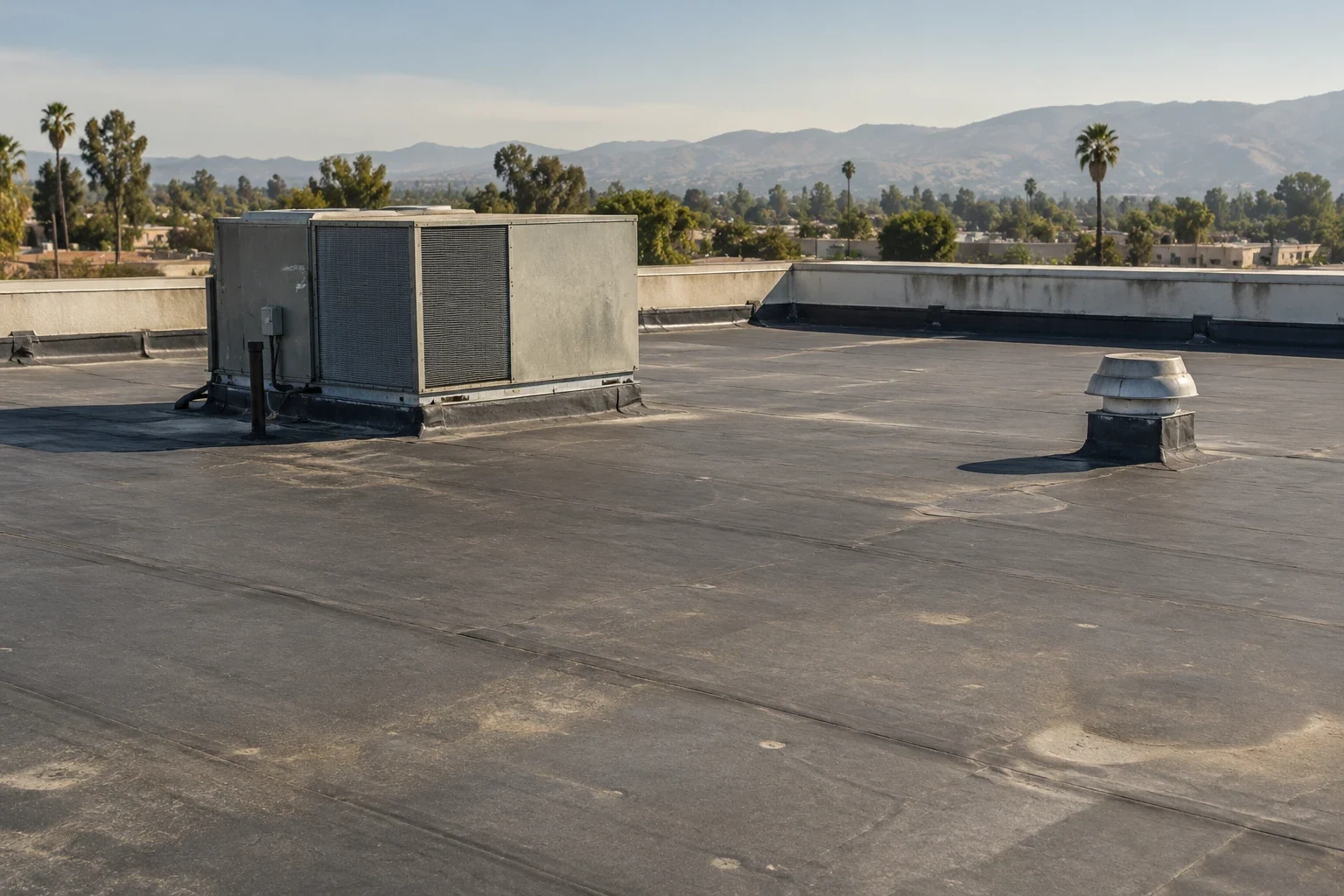
We compare bids on prep, plies, application method and flashings, with quantities still waiting on testing shown separately. Two bids describing similar sheets can hide very different work and disruption.
At completion, we keep test results, flashing photos and approved changes, and record any hidden problems and how they were fixed. Where a detail was changed, the revision and location stay with the photos, so future equipment work refers to what was actually built rather than an old standard drawing. A photo of the finished surface cannot show every hidden layer.
We review the issued warranty terms for the installed system and keep the required maintenance information. The membrane type or warranty length does not define coverage, and later alterations should check the installed-system record.
Routine maintenance keeps a location-by-location condition and repair history, so the owner can tie the next expense to real findings. A good final recommendation lists remaining tasks instead of promising a fixed number of years.
Modified bitumen repairs begin with the surface and layer condition. We look for open laps, blisters, splits, exposed reinforcement and failed flashings, then determine how many layers are involved before setting a scope. Torch work requires fire precautions and a clear check of the surrounding construction; other application methods have their own substrate and weather limits. The project should specify how the new detail meets drains, walls and metal edges. Glendale's hot weather can affect handling and work timing, but it does not replace the selected product's instructions. We document what was removed, retained and installed so later repairs do not guess at the roof build-up.
A modified-bitumen repair in Downtown Glendale may need careful protection below an occupied space; a San Fernando Road industrial building can require separate staging. We inspect the layers and fire-prevention conditions at the actual job.
Share your roof history and operating restrictions. We will explain the prep, details and application method in plain terms.
Other services, systems and conditions Glendale owners often review alongside this one.
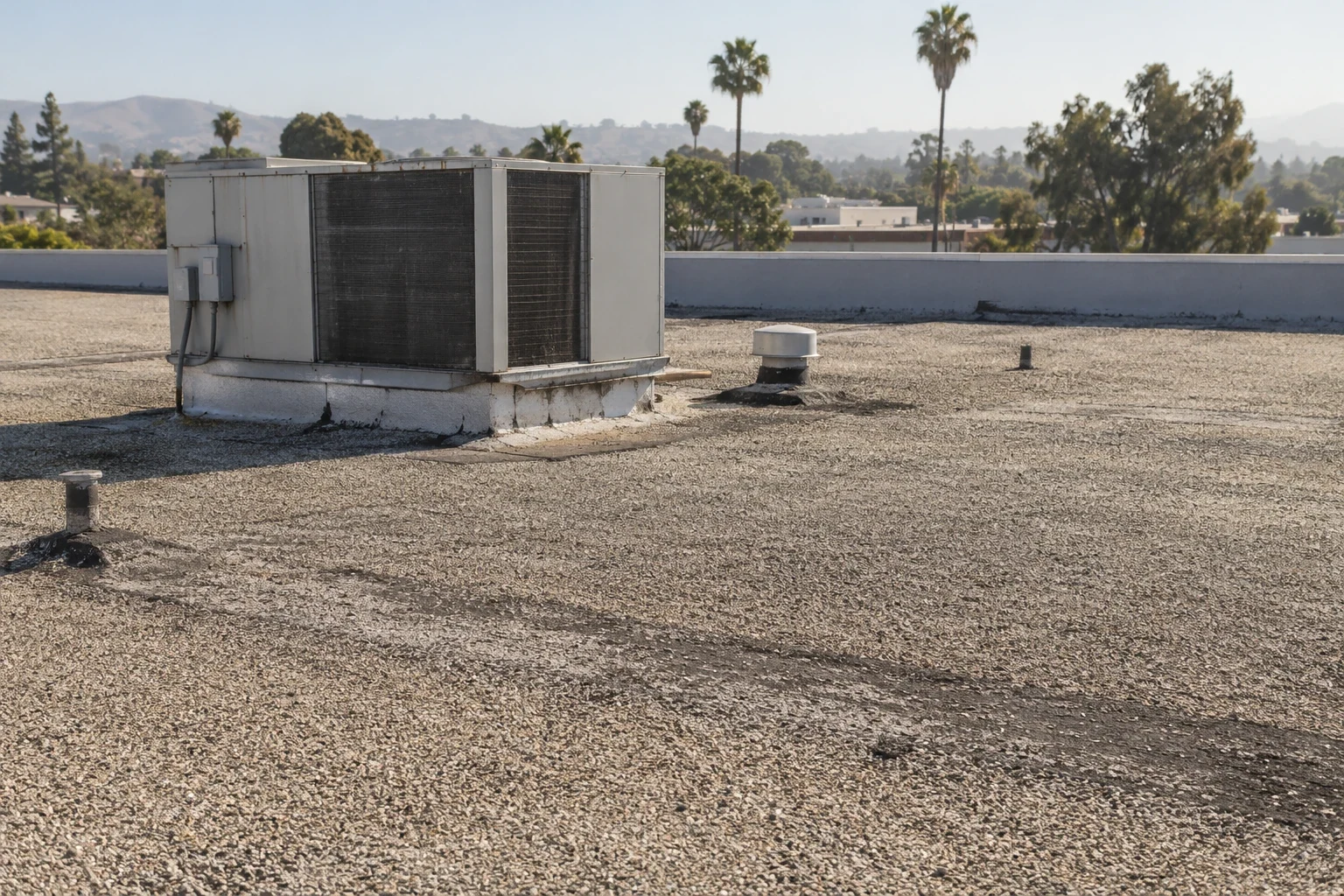
Scope, conditions and planning details for Glendale commercial buildings.
No. Many systems use cold adhesive or self-adhered sheets, while others are torch-applied or set in hot asphalt. The specification and building controls describe the actual method.
Not necessarily. We assess the condition and whether it points to wider damage. A repair or a broader option may fit, and surface wear alone does not prove the whole roof has failed.
Sometimes. We check the existing layers for moisture and attachment and confirm code limits. A compatible product is only part of that decision.
Prep, number of plies, application method and flashing details, with allowances and other trades' work shown separately. Similar membrane descriptions do not always mean the same work.