Loose perimeter material observed after wind at an office building calls for a clearly defined work boundary. The asset manager has people and equipment to consider below, while the roof findings need examination. Start with the actual condition and the response that can be performed appropriately.
Storm damage roof repair in Glendale, CA connects dated observations with suitable protection and permanent work. We identify the affected components, compatible methods and supporting questions. The owner receives a practical sequence and a record of what remains open. A regional storm report helps establish timing context; the property evidence supports the repair recommendation.
Collect the building address, affected locations and available before-and-after information. Describe water entry, displaced material or damaged details where observed. Staff should use appropriate access limits rather than enter a questionable roof area to improve the report.
Identify roof sections and equipment from reliable records and suitable examination. Separate additions may have distinct construction. A general office or retail description cannot establish the installed membrane or attachment arrangement.
For active interior water, coordinate feasible protection and facility responsibilities. The operator should identify affected spaces and contacts. Electrical and structural concerns need appropriate qualified personnel within their responsibilities.
Keep observation and interpreted cause separate. An apparent change may need additional evidence or examination. The repair record should explain what was found without assigning every condition automatically to the recent event.
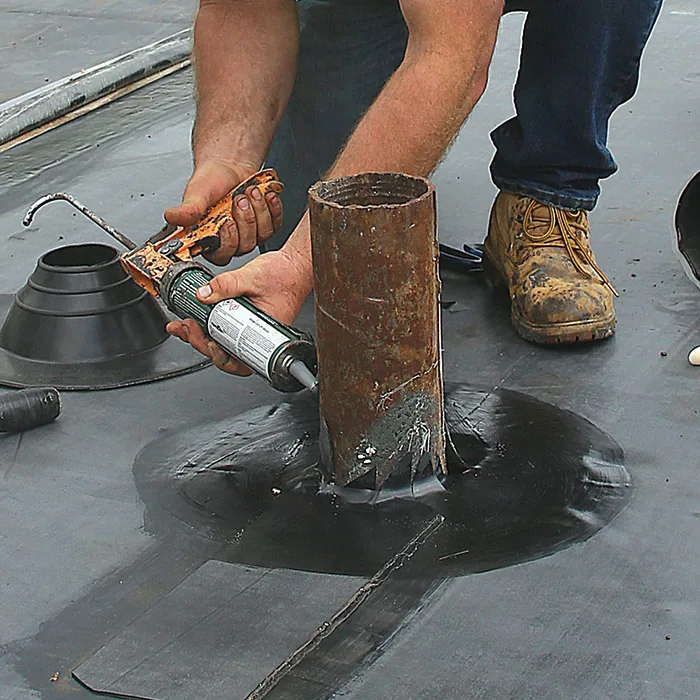
Review accessible coverings, seams, flashing and edge components. Locate displaced or damaged material and consequential adjoining conditions. Supporting construction may need closer review before a surface-only repair can be defined.
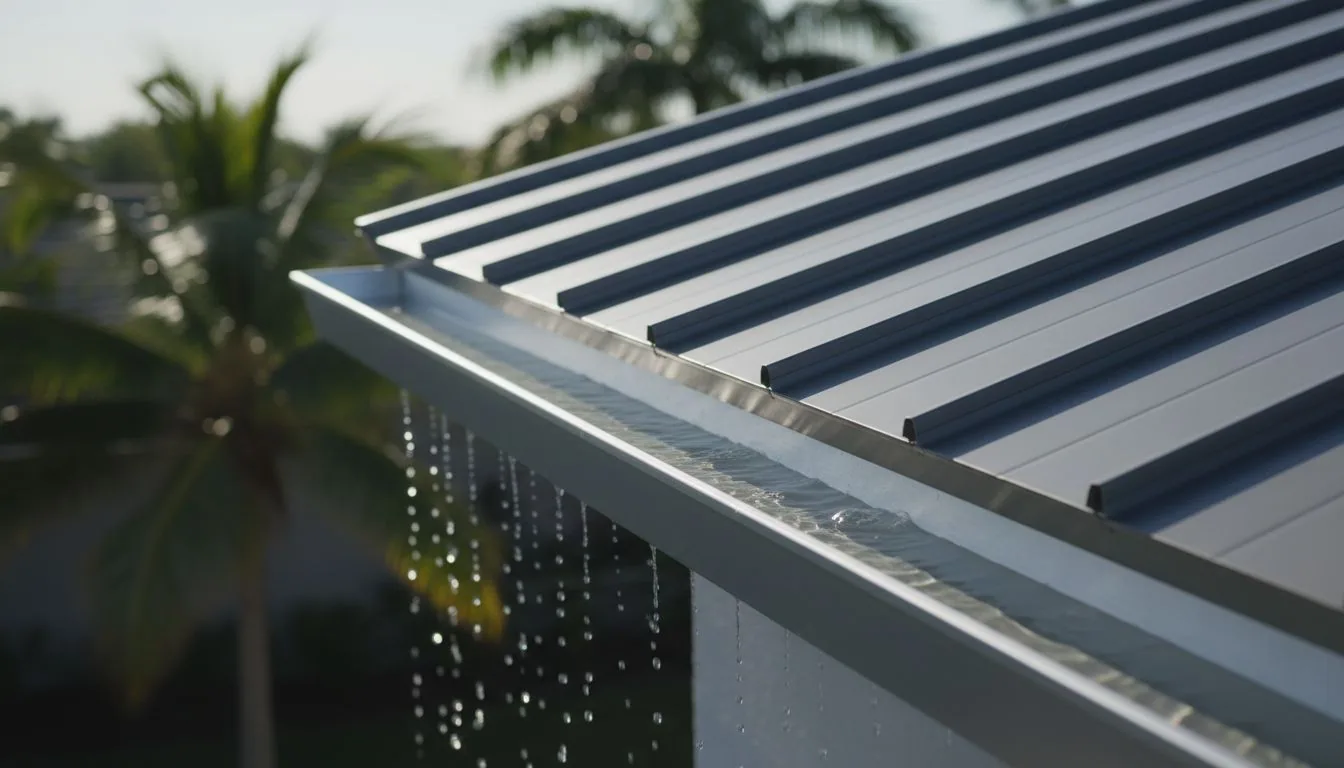
Perimeter metal work should identify supporting preparation and attachment as well as the visible component. A replacement cap or panel price may leave those tasks undefined. Match the detail to the selected assembly and project basis.
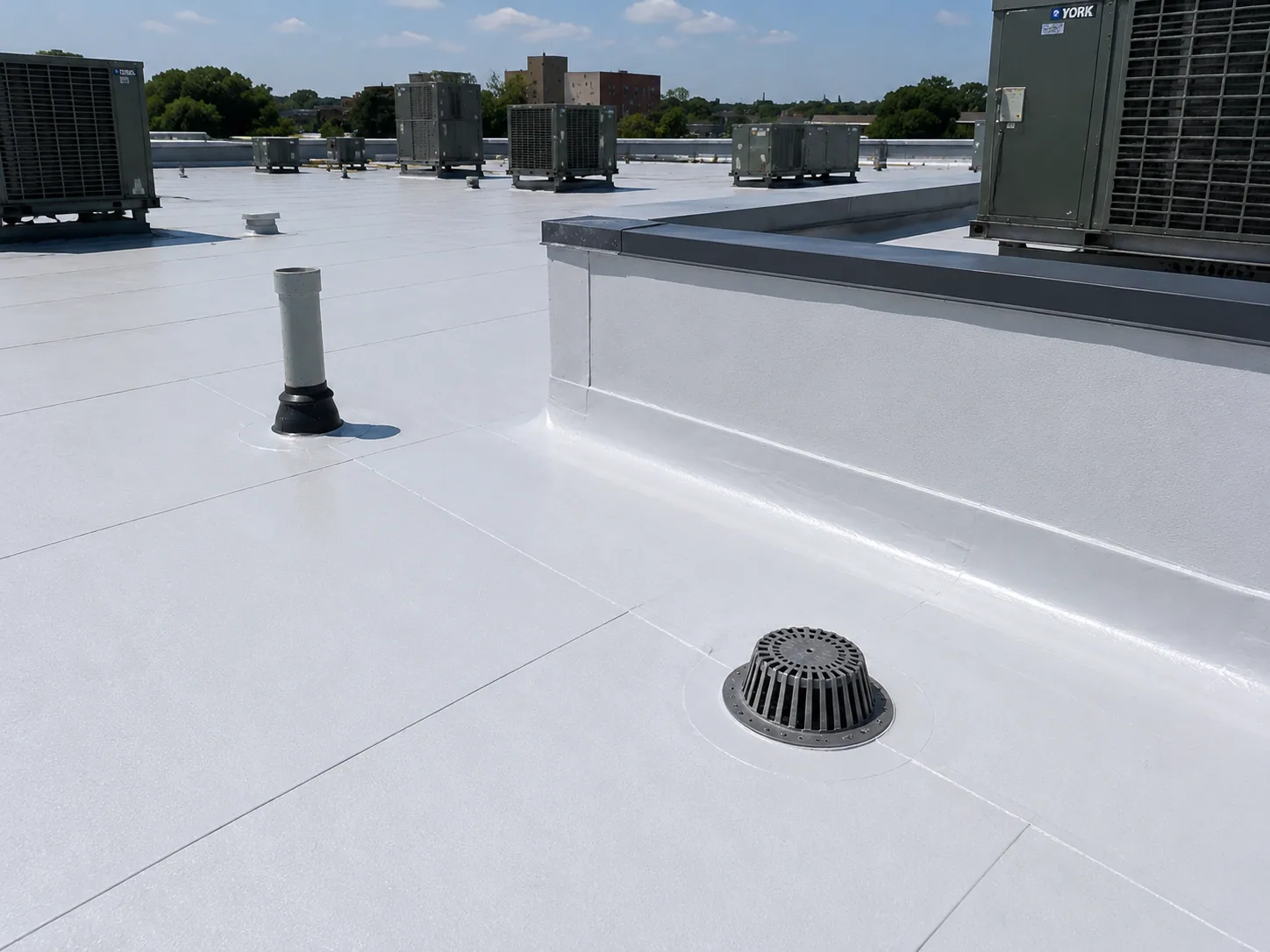
Roof openings and penetrations need separate examination. Equipment or glazing components may require their responsible trades. The roofer should define the waterproofing interface and identify dependencies rather than assume one patch resolves every adjoining problem.
Document unavailable or concealed areas. A visible overview cannot establish all supporting condition. Where uncertainty changes the quantity or method, assign an investigation task before the permanent price becomes firm.
Compare reported interior locations with the roof observations. Water can follow concealed construction before becoming visible. The stain may guide examination without establishing the exterior entry point by itself.
A source investigation should answer the actual supported question. Testing must suit the assembly and have appropriate authorization and controls. A generic hose or flood procedure is not automatically appropriate after every storm report.
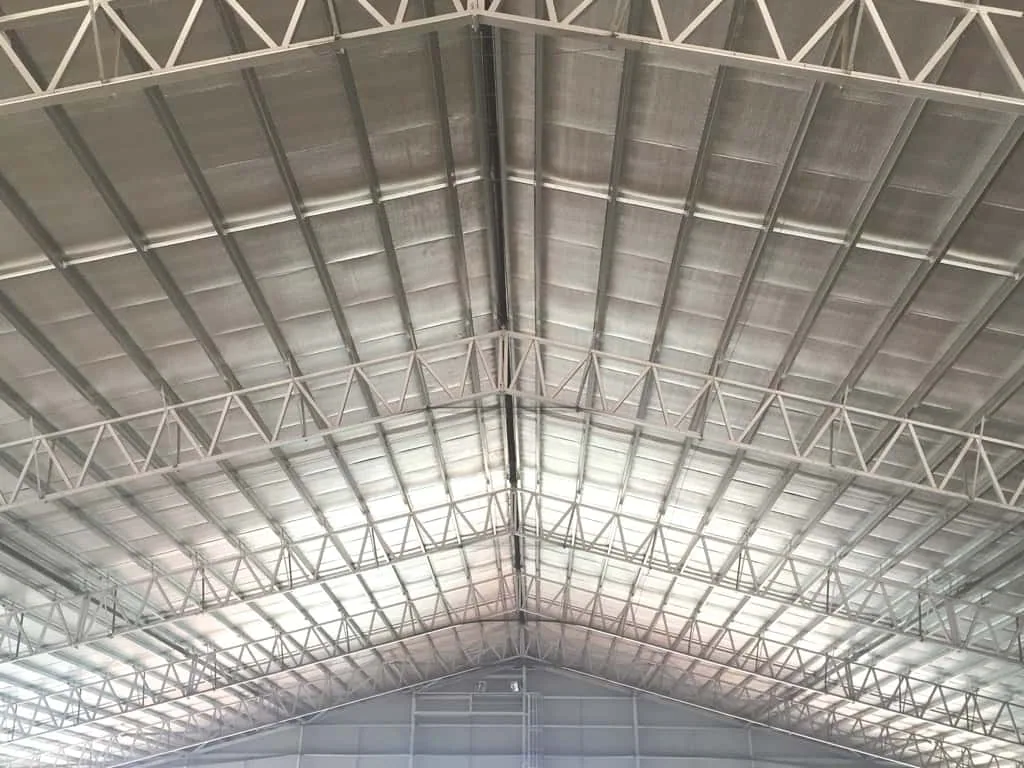
Where thermal investigation is useful, patterns require interpretation and appropriate confirmation. Record coverage and limits beside proposed material correction. The image alone cannot establish roof-wide wet insulation or an exact removal boundary.
Samples provide local information and may affect the recommendation. Keep their locations and findings with the report. They do not independently approve every retained layer or settle all support, attachment and recover requirements.
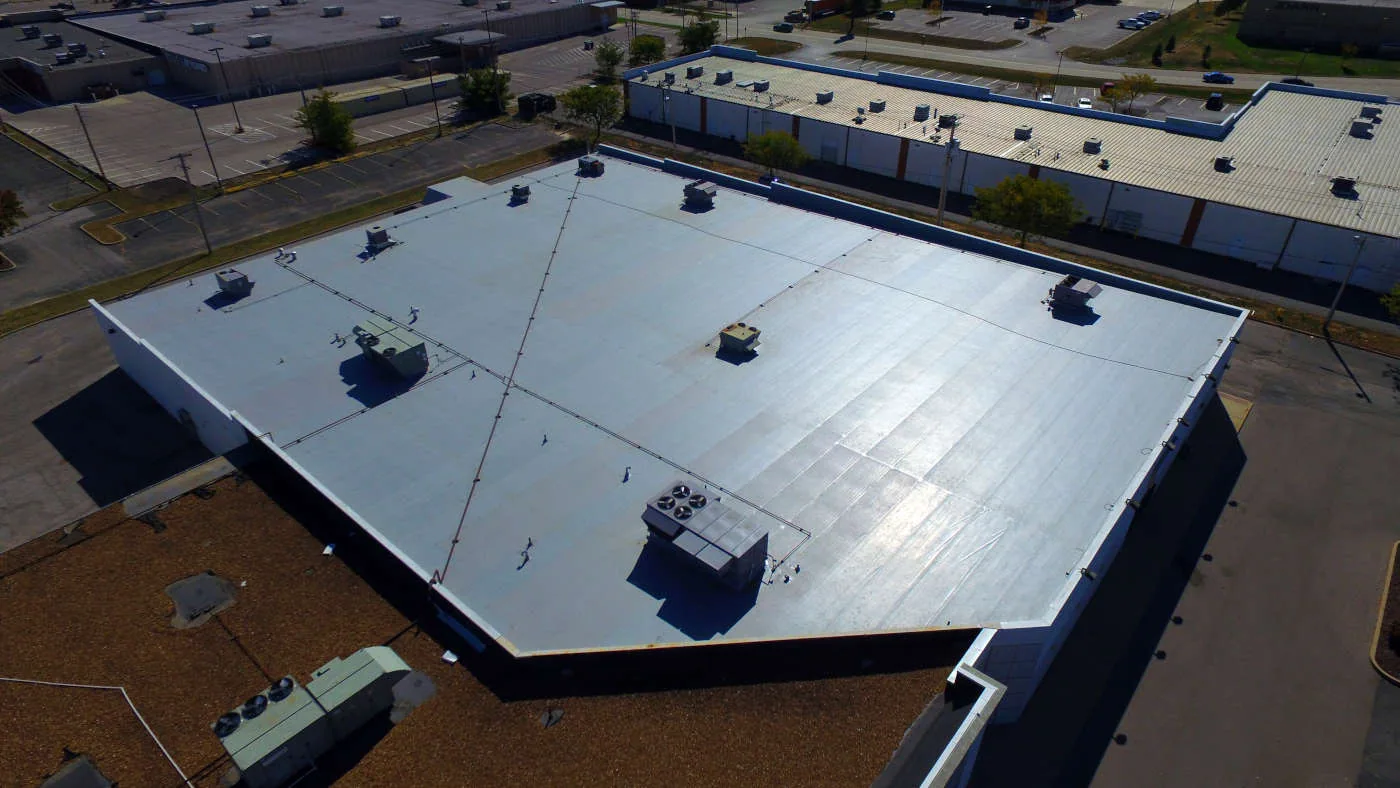
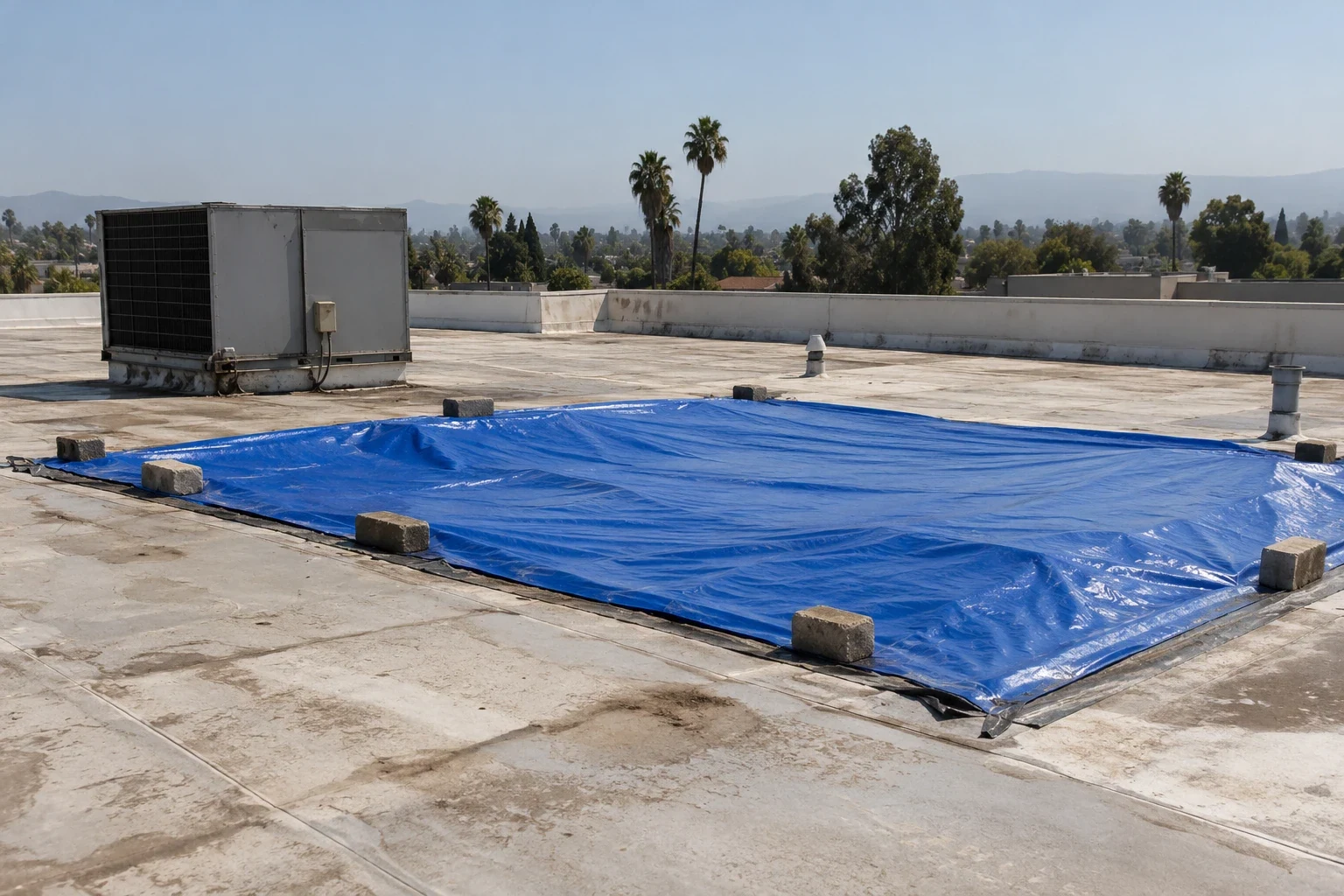
Assess feasible access and current weather before selecting protection. The actual materials, opening and surroundings determine a suitable arrangement. Tarps, temporary membrane or local repairs need their own compatibility and attachment review.
Define the measure's purpose and addressed area. Document any remaining exposure and review need. A fixed number of storms or days cannot describe how every temporary installation will perform.
Coordinate affected equipment and interior arrangements with responsible personnel. Any ventilation isolation requires an authorized plan and operating interval. Occupancy or return-to-service decisions remain identifiable facility tasks beside the roof work.
Record changed findings and the communication process. A new condition may alter the work boundary or next feasible action. The owner needs that update rather than an assumed same-day arrival or universal closure promise.
Identify the installed material and select compatible preparation and products. Thermoplastic welding, rubber bonding and asphalt-system methods differ. Appearance alone should not transfer one system's procedure to another.
A defined repair scope should show measured interfaces and relevant supporting work. State retained components and correction boundaries. Keep quantities awaiting investigation separate from known work.
Attachment follows the actual project documents and receiving construction. Regional Santa Ana winds provide planning context, not a universal fastening pattern. Supporting or design questions should be resolved through responsible reviewers.
If broader replacement review is warranted, explain the documented condition and feasible alternatives. Neither an event report nor a patch count creates an automatic replacement threshold. The owner should see a supported recommendation and its practical consequences.
Glendale has most rainfall in its cooler season and hot dry summers. These patterns help organize scheduling, while actual forecasts and surface conditions govern the work. Product application requirements remain part of the permanent repair plan.
At a property near Galleria District, obtain tenant and receiving arrangements from the operator. The West Broadway setting helps locate the project. Actual restrictions determine the material route and permitted activity.
For a building along San Fernando Road, review approved staging and equipment access before delivery. The corridor is a distinct South Glendale planning area. Each facility supplies the operating instructions for its roof work.
Assign suitable protection for unfinished connections and a revised-sequence contact. Other trades need the current work status. Record the plan so maintenance or tenant activity does not unknowingly disturb an incomplete interface.
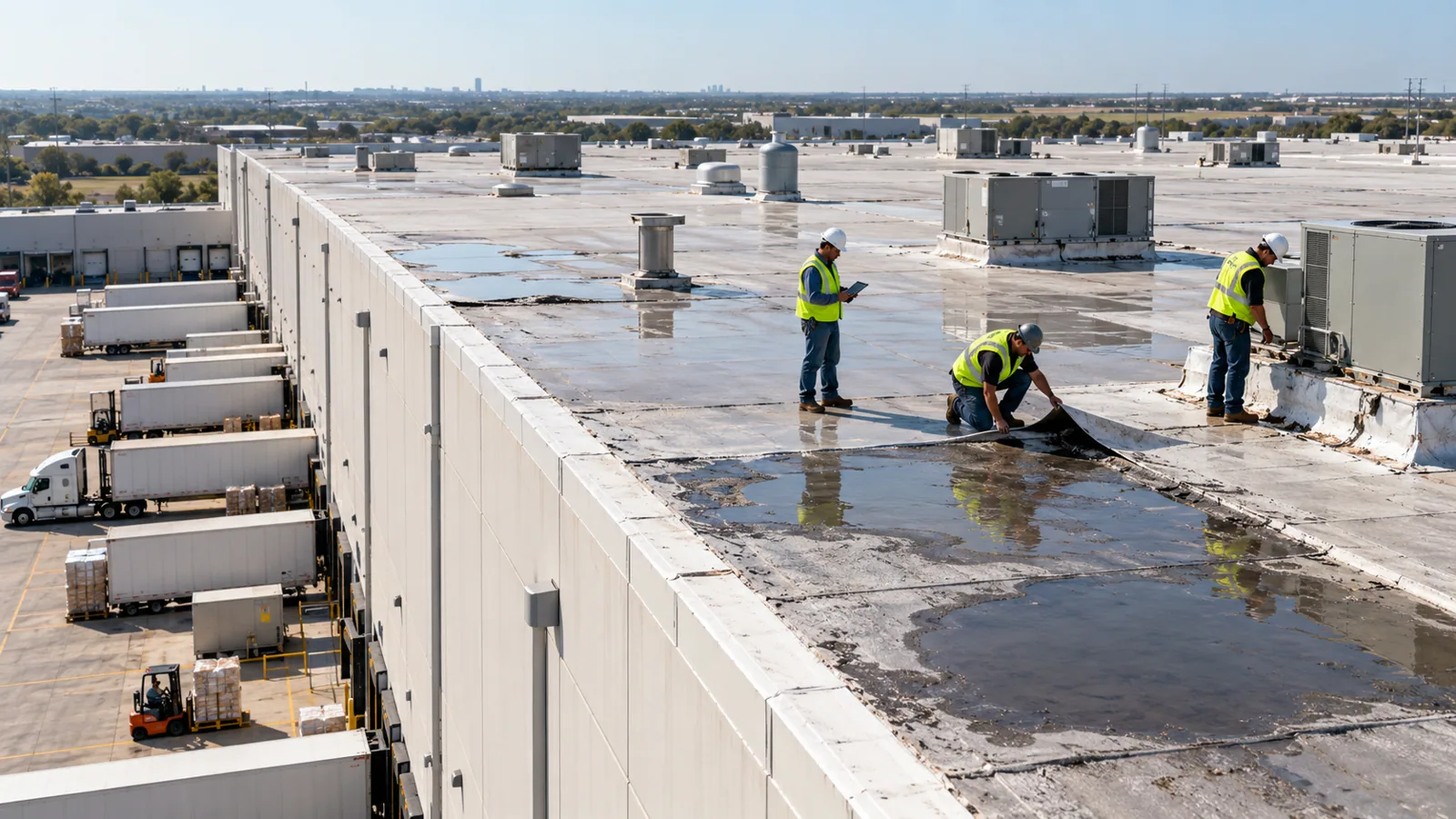
Keep dated photographs and locations for initial condition, protective measures and permanent work. Include relevant checks and authorized changes. A photograph of the finished surface cannot show every concealed material or prove every associated trade task is complete.
Use claim documentation to organize roof evidence where needed. Responsible claim parties determine coverage and payment. The record should distinguish observed condition from interpreted event causation.
Read actual product and warranty information for the installed system. Notification, alteration and maintenance requirements vary by document. Keep those provisions available before later service work changes a repaired detail.
The closing recommendation should identify completed quantities and remaining tasks. Follow-up should address the actual investigation or repair question. Management can then authorize the next step from a traceable record rather than a preset rain-event closure rule.
After wind or heavy rain, start with safe access and the areas reported by building staff. We photograph displaced edge metal, open seams, impact marks and blocked drainage, then keep observed damage distinct from the event that may have caused it. Santa Ana wind conditions are regional context, not proof that a particular roof was damaged. Temporary protection can limit further water entry while the owner decides on permanent work. If a detail is concealed, say what the inspection could not confirm and how another examination would change the scope. A dated record of each repaired location gives the next inspection a fair comparison after another wind or rain event.
After regional wind or rain, compare a reported Downtown Glendale roof issue with the observed property evidence; a San Fernando Road industrial building needs its own inspection. Neither location alone establishes the cause or extent.
Provide the address, affected locations and recent observations. We will explain feasible roof measures and the supported permanent scope in plain terms.
Other services, systems and conditions Glendale owners often review alongside this one.
Scope, conditions and planning details for Glendale commercial buildings.
Use dated property evidence and appropriate examination. Regional event information gives context. It cannot independently assign every roof condition to that event.
Review current conditions, feasible access and available information first. The actual materials and opening govern a suitable measure. Record its purpose and limitations.
Interpret patterns under suitable conditions and obtain appropriate confirmation. Keep coverage and uncertainty visible. A temperature image alone cannot establish every layer or quantity.
Identify compatible materials, preparation, supporting tasks and measured interfaces. Separate uncertain quantities and related trade dependencies. Keep the evidence behind the recommendation with the price.