Get Answers Fast

Send the Building Details

Request an
Assessment

Call Our Team

555-555-5555
Request an
Assessment
555-555-5555

Preventive Roof Maintenance

A mixed-use building has more to coordinate than its roof surface. Residents, storefront deliveries and rooftop equipment all need consideration when a maintenance visit is arranged. The asset manager should know which tasks the visit includes and what needs a separate repair decision.

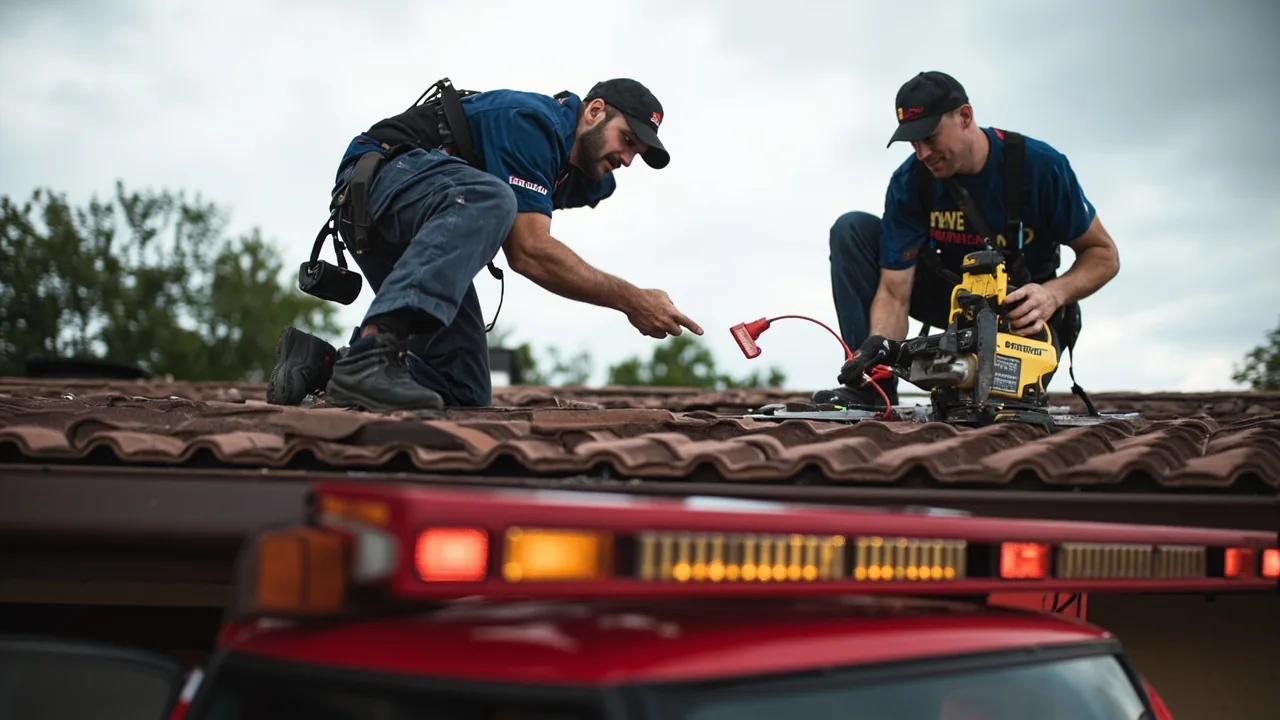
Preventive roof maintenance in Glendale, CA creates a practical record of accessible condition and defined upkeep. We review the building's roof system, prior findings and operating restrictions before setting the scope. The owner gets a plain explanation of completed tasks, recommended correction and any area that still requires access or investigation.

The building and maintenance plan

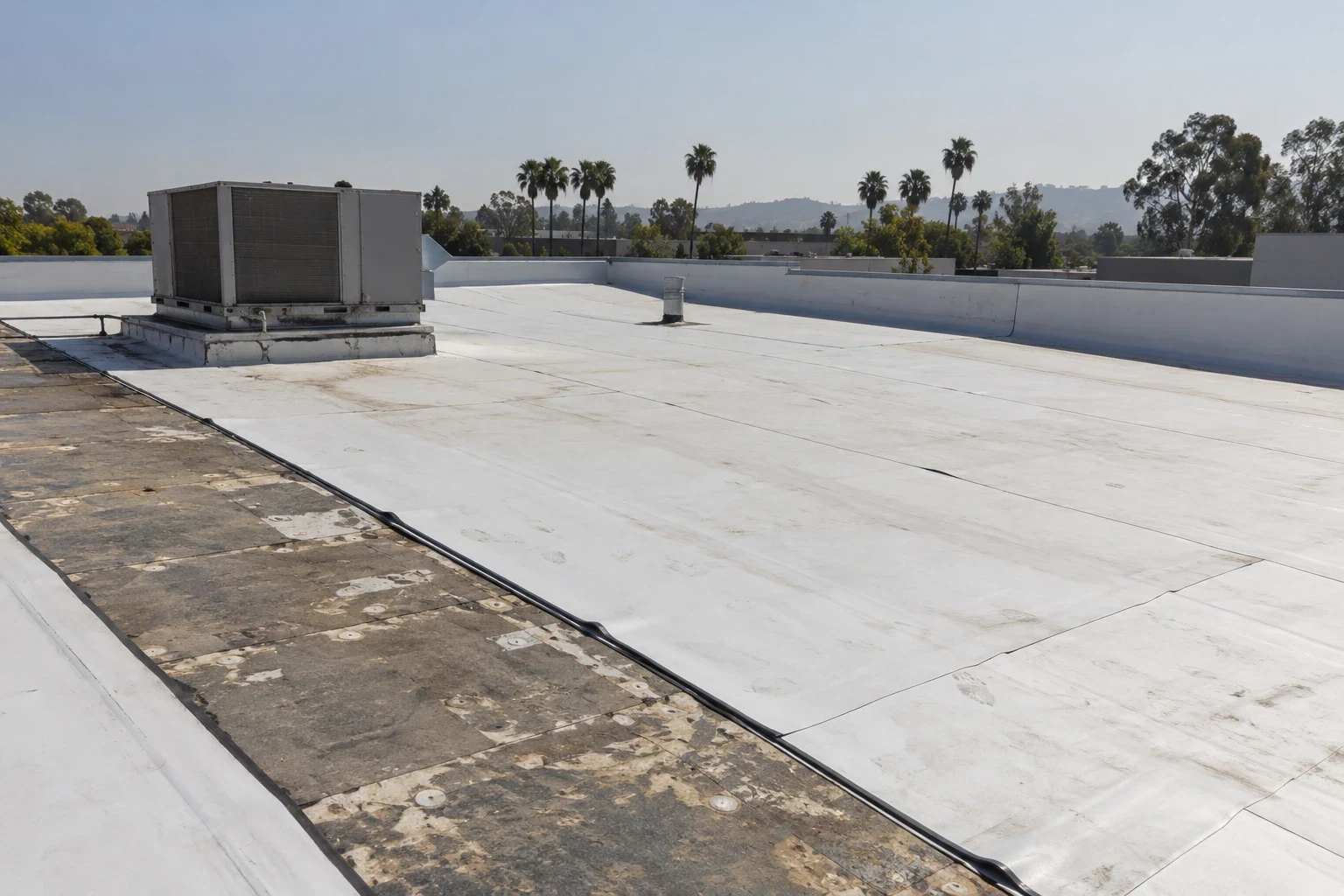
Begin with the installed roof information and available work history. A white membrane, rubber sheet, coated surface and metal system have different service requirements. General appearance should not become the basis for choosing cleaning or repair materials.

Establish the areas to be visited and the purpose of the review. The roof can include distinct levels or assemblies from earlier projects. A building's footprint does not necessarily describe those maintenance areas, and its opening date is not the current roof installation date.

A condition assessment can help establish the starting record where needed. Maintenance should use that evidence rather than quietly assume every concealed component is sound. State the review limits with the recommended tasks.

Ask the operator about equipment service, access and planned alterations. Those activities can affect roof contacts and connections. A useful plan keeps their coordination visible beside routine upkeep instead of waiting for an unexplained new defect.
Preventive Roof Maintenance in Glendale, CA

The accessible roof details

Review seams, flashing, edges and relevant surface condition using methods suitable for the materials. Record visible findings by location. A routine visit is not automatic permission to probe every connection, cut samples or manipulate fragile components.

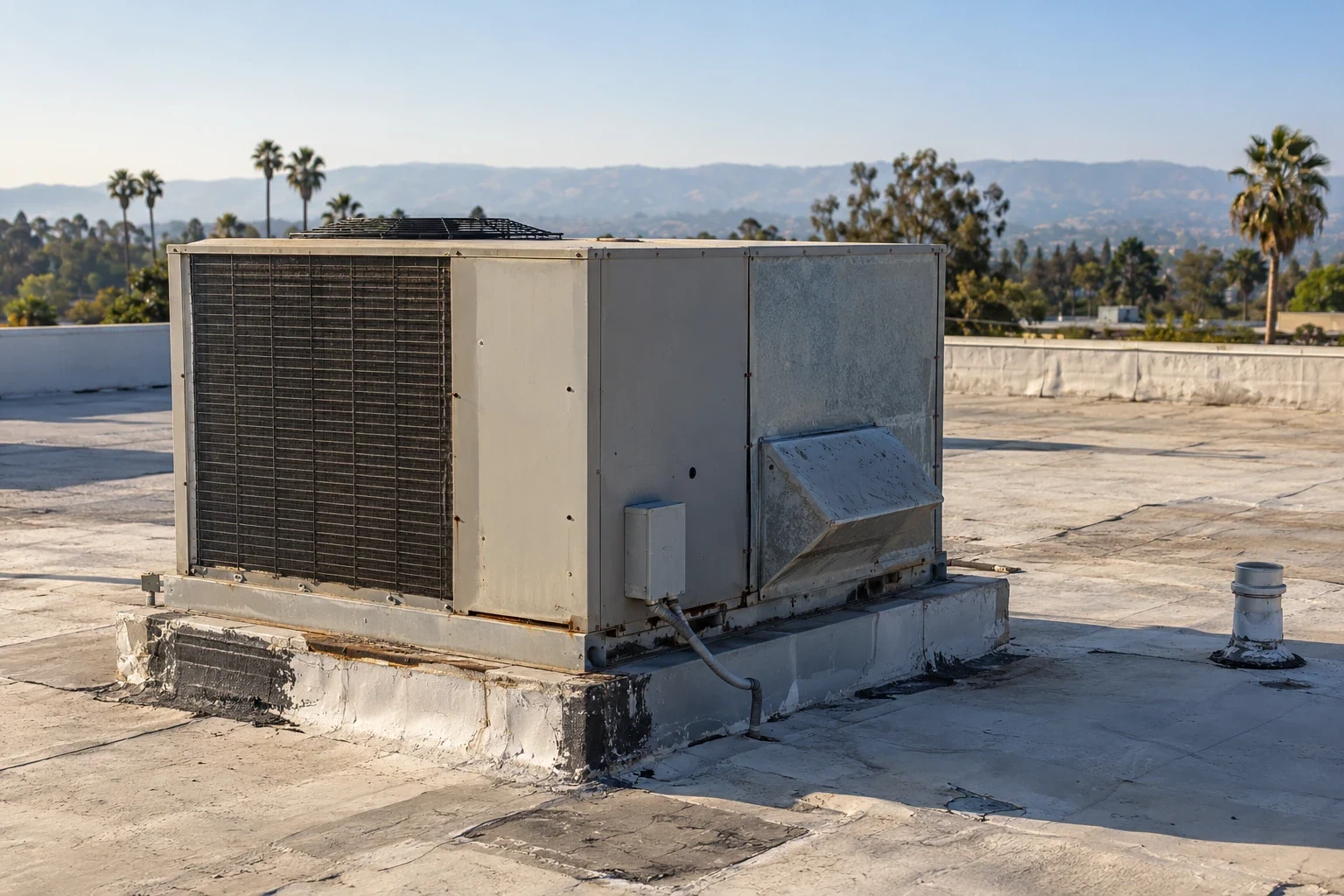
Equipment curbs and pipe groups need attention to their actual interfaces. An apparently abandoned component should be checked with the operator before removal is proposed. The roofing task cannot independently decide whether a building service is still needed.

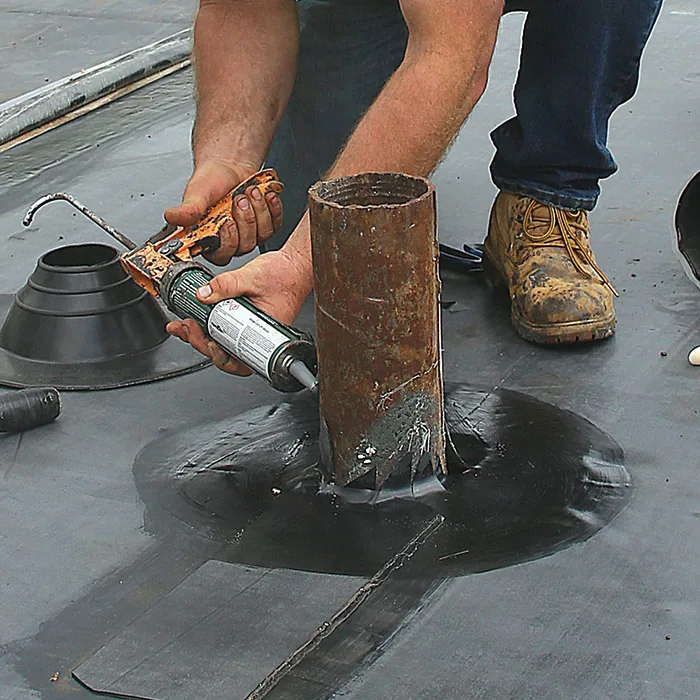
Where penetration repairs are indicated, describe the component and compatible correction. Glazing or mechanical questions may require another trade. Added sealant is not a universal substitute for a supported flashing scope.

Identify details unavailable during the visit. Equipment obstruction or operating restrictions may require further coordination. Record the next access task rather than treat an unexamined location as a completed part of the condition review.

The outlets and debris

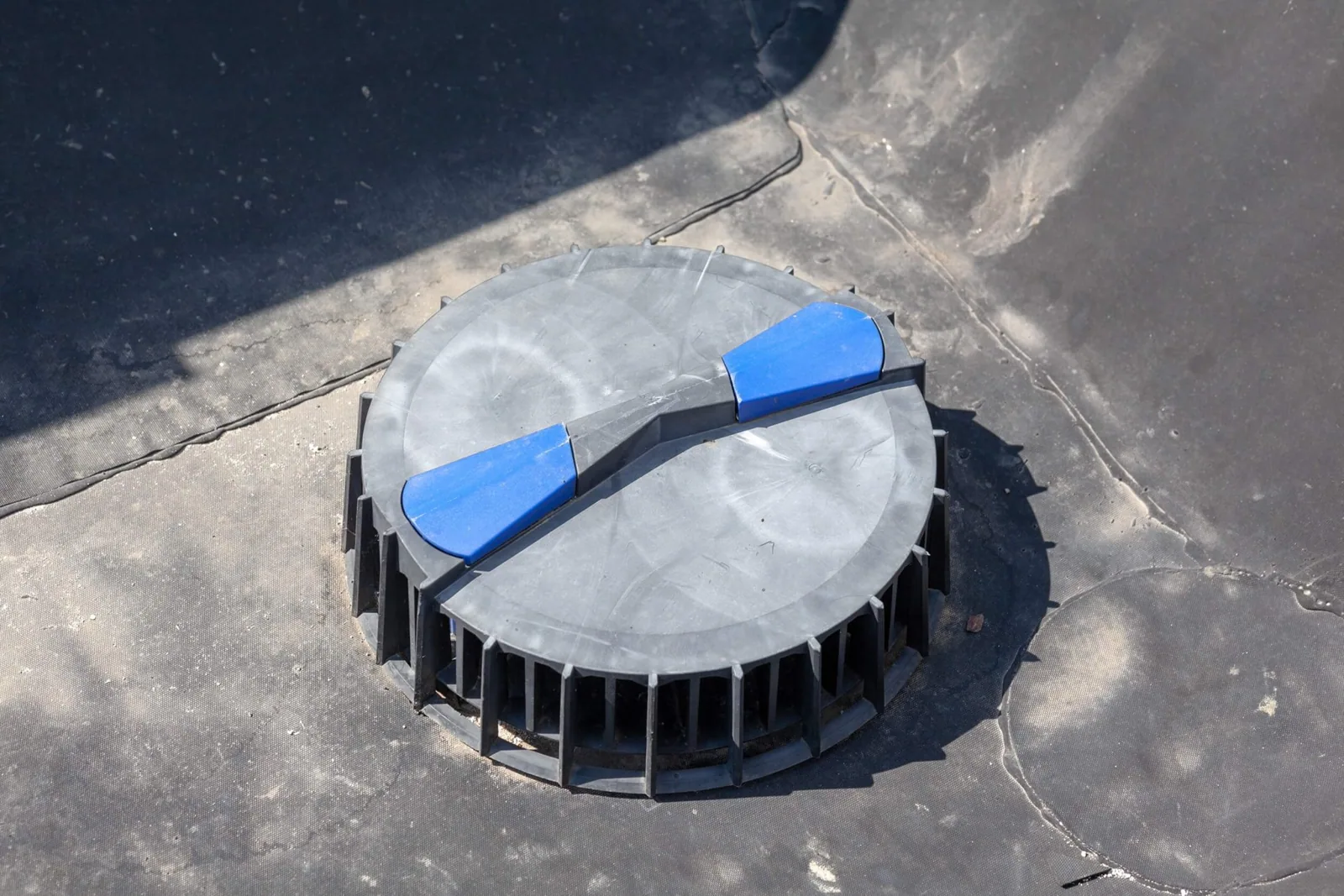
Locate the accessible outlets and compare them with the known roof arrangement. Suitable debris removal may be part of the agreed visit. The method should protect the roof and use appropriate handling for the material found.

Do not push collected material into downstream piping or assume every obstruction is a roof-cleaning task. Record the outlet condition and relevant restrictions. A clear strainer does not establish all line capacity or prove that roof geometry is adequate.

Drain and scupper correction may be a separate recommendation. Retained-water findings can require measurements or design input. The visit should not prescribe a new outlet or more insulation solely from one photograph.

Where unusual debris or ash is observed, assess suitable handling and any relevant restrictions. The condition should be documented rather than attributed automatically to a regional fire. Routine maintenance cannot independently settle concealed fire damage or environmental questions.

Preventive Roof Maintenance in Glendale, CA

The service routes

Review how equipment personnel reach their systems. Contact protection and walkways should suit the roof and agreed routes. Their presence does not establish that every surrounding surface is appropriate for unrestricted tool or component handling.

Coordinate equipment interfaces where servicing or a proposed alteration affects the roof. Assign supporting, mechanical and electrical questions to the responsible trades. The roof record should describe their dependencies clearly.

Ask the operator to report later changes at the same location references. A new pipe or moved support can alter waterproofing and service access. Keeping the information current helps the next crew review the actual connection instead of an obsolete detail.

Access decisions require suitable current controls. Wet surfaces, openings and damaged materials can change the feasible visit. The manager should know which tasks were deferred and what review or arrangement is needed before they are resumed.

The Glendale setting

Glendale's hot dry summers and cooler-season rain provide a useful seasonal framework. Actual roof condition and facility needs determine what to schedule. A calendar interval alone cannot establish that a system needs coating, repair or replacement.

Regional Santa Ana winds can prompt review of reported changes and loose-material concerns. Record actual displaced or damaged components where observed. A local wind notice provides regional context; a property-specific finding needs its own supporting evidence.

At a property near Galleria District, coordinate tenant and receiving access directly. The West Broadway retail location helps organize the meeting. The individual property's restrictions should determine the visit and material route.

A building along San Fernando Road needs its own operator-approved staging and equipment arrangements. South Glendale planning identifies this corridor among its distinct areas. That context does not prescribe a uniform industrial maintenance schedule.

The repair recommendation

Keep completed cleaning and observation distinct from supported permanent repairs. The owner should be able to see which expense addressed a condition and which task gathered information. An unclear all-inclusive maintenance label can hide those differences.

Where repair work is justified, state materials, preparation and measured boundaries. Identify concealed questions affecting the quantity. Suitable investigation can follow when the visible finding is insufficient to define permanent work.

Broader condition may warrant review of other options. Existing patches or chalking do not automatically establish replacement, and a local repair is not always the whole answer. Explain the evidence and feasible alternatives rather than assign one fixed economic rule.

Obtain approval for tasks outside the agreed visit. Use location references and clear quantity assumptions so management can understand the change. Later completion should be recorded against that authorization and the original finding.
Preventive Roof Maintenance in Glendale, CA

The owner history

Keep the visit date, coverage, photographs and completed work together. A condition record can preserve recommendations and unresolved items. Later comparisons need the context of weather, activity and examination limits.

Read the actual warranty terms for required service, notice and alteration provisions. General statements about maintenance cannot establish every coverage condition. Retain the documents with installed product information.

Set the next review according to findings, system requirements and facility operations. A major alteration or relevant event may change that plan. Keep its reason in the record so the next manager understands the proposed timing.

The useful outcome is a roof history that supports the next decision. Management can see what was done, what still needs review and who should act. That record does not promise an inspection outcome or fixed future cost, but it gives the owner a concrete basis for approval.

Maintenance at a Downtown Glendale mixed-use property should record tenant-facing access; San Fernando Road industrial sites may have different equipment and delivery paths. Keep the roof history mapped by the property rather than the broader area.

Talk through a maintenance plan for your building

Share the roof history and operating restrictions. We will explain suitable upkeep, the repair questions and a practical record of the work in plain terms.

Related Roofing Pages

Other services, systems and conditions Glendale owners often review alongside this one.
condition assessment
Commercial Roof Inspection

Scope, conditions and planning details for Glendale commercial buildings.

penetration repairs
Skylight and Penetration Flashing

Scope, conditions and planning details for Glendale commercial buildings.

Drain and scupper correction
Commercial Roof Drains and Scuppers

Scope, conditions and planning details for Glendale commercial buildings.

equipment interfaces
Rooftop Equipment Curbs and Supports

Scope, conditions and planning details for Glendale commercial buildings.

Questions About Preventive Roof Maintenance

Define the agreed tasks and approval limits. Some findings can need separately priced correction or investigation. The record should distinguish completed upkeep from recommendations.

Accessible review has limits. Concealed moisture may need suitable investigation. A routine visit cannot independently establish all retained-layer conditions.

Use actual findings, installed-system requirements and facility needs. Seasonal conditions can inform planning. Avoid one universal interval for every building.

Keep dated coverage, locations, completed work and outstanding tasks together. Include product and warranty information. Later alterations should update that same history.

ServicesRoof SystemsProperty TypesIndustriesService AreasDamage RepairCapabilitiesManufacturersAboutRequest a Roof Assessment555-555-5555
Call555-555-5555