Get Answers Fast

Send the Building Details

Request an
Assessment

Call Our Team

555-555-5555
Request an
Assessment
555-555-5555

Infrared Roof Moisture Survey

A warehouse roof can look orderly from the parking lot while leaving an owner with unanswered moisture questions. A surface photograph may not explain an interior report or identify the layers worth retaining. The useful next step is an investigation suited to that assembly and decision.

Infrared moisture survey work in Glendale, CA examines thermal patterns that may help evaluate roof condition. The method needs suitable conditions, interpretation and appropriate confirmation. We explain the coverage and findings together with their limits. That gives the asset manager a basis for further examination or a supported scope without treating a temperature image as a complete wet-roof map.

The roof question

Start with available installation information and the owner's concern. A leak investigation, recover evaluation and purchase review may need different evidence. Define the areas under consideration and what the survey is intended to contribute.

Record roof materials and accessible construction information. The type and arrangement of layers can affect thermal behavior. A warehouse or retail label does not establish that the roof has an insulated membrane assembly suitable for a particular method.

Review reported water locations and prior repair history. Interior evidence helps organize investigation without identifying the entry path by itself. A dry-looking surface also cannot establish the condition of all layers below.

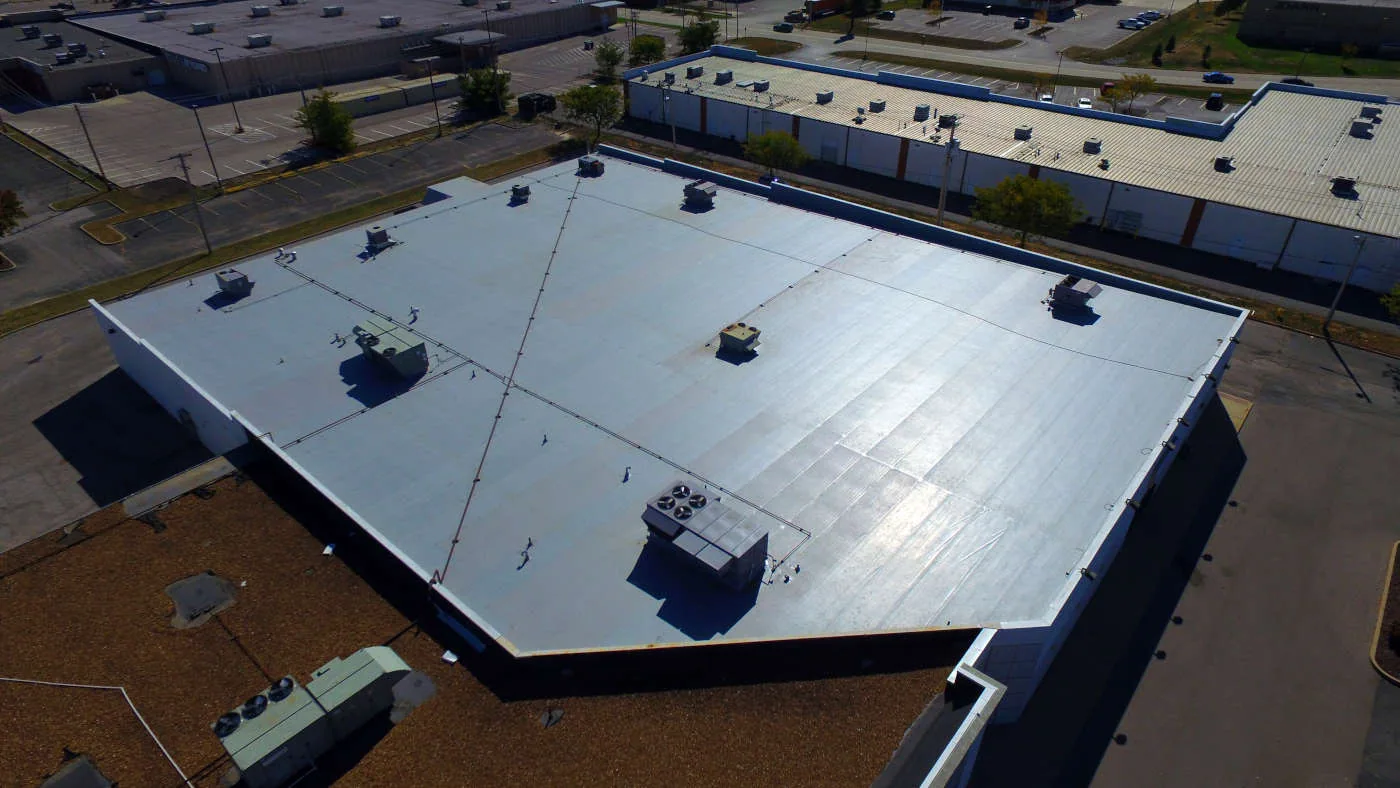
For a big-box retail property, define the actual roof sections and access needs. Floor area cannot supply roof survey quantities. Different elevations or additions may require separate coverage and interpretation.
Infrared Roof Moisture Survey in Glendale, CA

The thermal evidence

Thermal cameras record surface temperature patterns. Moisture can affect thermal behavior in some assemblies, but other conditions can also produce contrast. The examiner must consider the materials, surface history and circumstances before interpreting a pattern.

Some methods use changing temperatures after suitable daytime conditions. The useful interval depends on the assembly and procedure. Avoid a universal statement that every wet roof area stays warmer than every dry area after sunset.

Record relevant survey conditions and coverage. Weather, surface water, obstructions and equipment effects can limit interpretation. The report should identify areas that could not support a useful conclusion.

Keep interpreted indications distinct from confirmed findings. A colored image does not independently establish moisture quantity, material depth or an exact removal boundary. Those decisions need appropriate supporting evidence and an explanation of remaining uncertainty.

The suitable survey window

Select timing according to the planned method and actual conditions. A regional dry season can make scheduling more practical. Surface readiness and useful thermal contrast still need assessment for the actual survey. The survey decision should remain condition based.

Glendale has hot dry summers and most rain in the cooler season. Use those patterns as scheduling context. Current roof condition, weather and thermal history matter more than a fixed month range.

Regional Santa Ana conditions can affect access and examination. Evaluate the actual operation instead of assigning one blanket wind threshold. The crew needs suitable controls and a feasible access window for the method being used.

Coordinate roof access and security with the operator. Where evening work is appropriate, identify affected routes and contacts. A survey window should not imply unrestricted access to every roof section or automatic completion regardless of changing conditions.
Infrared Roof Moisture Survey in Glendale, CA

The confirmation work

Select confirmation that suits the thermal question and assembly. Samples or other appropriate methods may contribute evidence. Destructive work needs suitable authorization, location planning and closure arrangements before it is performed.

Record each sample location and local construction findings. A sample can establish condition at its point. It does not automatically calibrate every thermal pattern, prove structural capacity or settle all retained-roof requirements.

Where instrument readings contribute evidence, interpret them within the material and method limitations. A meter indication alone should not become a roof-wide moisture quantity. Keep the relationship between indication and confirmation visible.

Define compatible repairs at investigation locations and document completed closure. Current conditions can affect the procedure and timing. The work plan needs suitable protection and follow-up rather than an automatic same-day watertightness promise.

The local building context

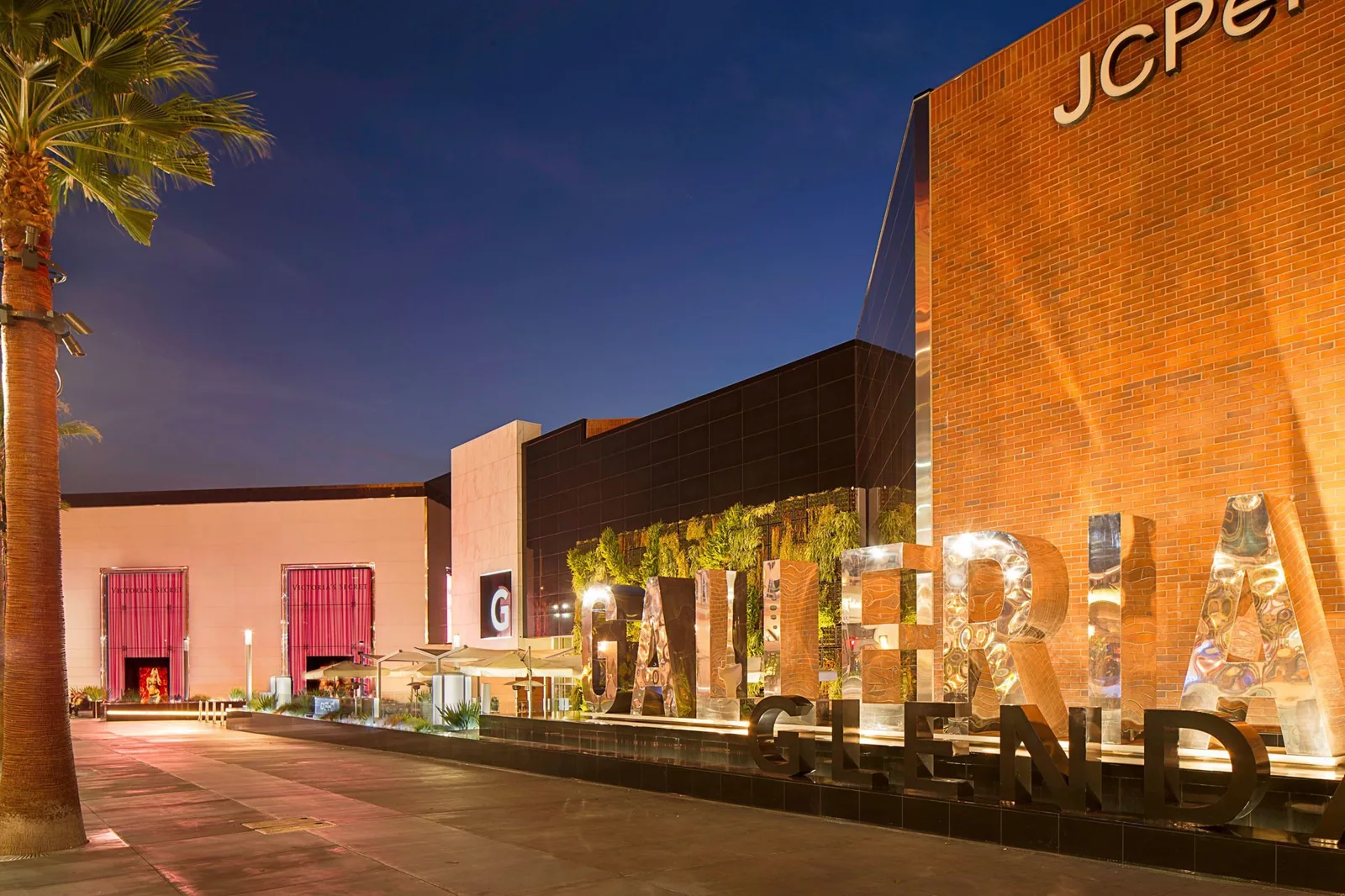
A property near the Galleria District needs its actual roof layout established for survey planning. The Galleria is on West Broadway. That location helps arrange access without identifying membrane materials or proving the condition of neighboring retail roofs.

For a building along San Fernando Road, ask the operator to identify receiving and roof-access restrictions. The corridor is part of South Glendale's planning areas. Its industrial setting does not imply that a particular roof is old or wet.

The broader condition examination can connect thermal work with visible details and available history. Equipment or adjoining-building questions may need their responsible trades. Thermal investigation is one part of that evidence record.

Where the assembly or access prevents useful infrared work, explain the limitation and consider another appropriate task. Choosing a different method is preferable to assigning certainty to images that cannot answer the owner's question.

The repair and retained-roof decisions

Confirmed local findings can support defined correction, while broader uncertainty may require more investigation. The report should distinguish those situations. A thermal indication is not an automatic instruction to remove all material within a drawn outline.

For a recover decision, moisture evidence belongs alongside layers, attachment and applicable project requirements. No single method independently settles every eligibility question. Identify the remaining review before recommending retention.

A replacement option should explain the documented condition and feasible alternatives. Widespread indications need appropriate support and interpretation. Avoid a blanket rule that one survey result establishes replacement as the only answer.

Drainage findings may need separate retained-water assessment. Moisture in the assembly does not by itself prove ponding caused it. Measurements, history and suitable source examination should inform that question.
Infrared Roof Moisture Survey in Glendale, CA

The owner report

Give the manager useful location references, visible and thermal evidence, confirmation results and survey limits. Explain what each finding supports. A clear record should separate observed condition from an interpreted cause and a recommended next task.

For purchase review, share the actual deadline and required decision. Feasible coverage and unresolved questions should remain visible. The survey does not establish a transaction outcome or fixed future roof expense.

Keep supporting information in a dated condition report. Later repair or investigation should use the same location references where practical. Changes then have a traceable relationship to the original findings.

The closing recommendation should identify supported quantities, additional tasks and remaining approvals. Management can decide what to price or investigate next. The report's value comes from usable evidence and honest limits, not a promise that every hidden condition has been found.

Mixed-use buildings in Downtown Glendale and industrial properties along San Fernando Road can have different roof assemblies and interior operating conditions. Interpret thermal patterns against the inspected roof, not the district name.

Discuss the moisture question before scheduling the scan

Tell us the building, roof history and decision you are weighing. We will review a suitable investigation approach and explain the findings, confirmation needs and practical next step.

Related Roofing Pages

Other services, systems and conditions Glendale owners often review alongside this one.
big-box retail property
Big-Box Retail Roofing

Scope, conditions and planning details for Glendale commercial buildings.

Galleria District
Galleria District

Scope, conditions and planning details for Glendale commercial buildings.

San Fernando Road
San Fernando Road Corridor

Scope, conditions and planning details for Glendale commercial buildings.

broader condition examination
Commercial Roof Inspection

Scope, conditions and planning details for Glendale commercial buildings.

Questions About Infrared Roof Moisture Survey

Interpret the pattern for the actual assembly and conditions. Appropriate confirmation is needed for moisture findings. Other factors can produce temperature differences.

Assess the construction, purpose and feasible conditions first. Some roofs or areas may not produce useful evidence for the selected method. Explain limitations and suitable alternatives.

Choose confirmation for the actual question and obtain suitable authorization. Record sample locations and their local findings. Samples do not independently settle every roof-wide condition.

Use moisture evidence within the broader retained-assembly and project review. Layers, attachment and other requirements still matter. The survey alone cannot decide every eligibility issue.

Keep conditions, coverage, interpreted findings and confirmation results together. Identify uncertainty and recommended tasks. A colored map without those details is an incomplete decision record.

ServicesRoof SystemsProperty TypesIndustriesService AreasDamage RepairCapabilitiesManufacturersAboutRequest a Roof Assessment555-555-5555
Call555-555-5555