The Roof Record at Each Property
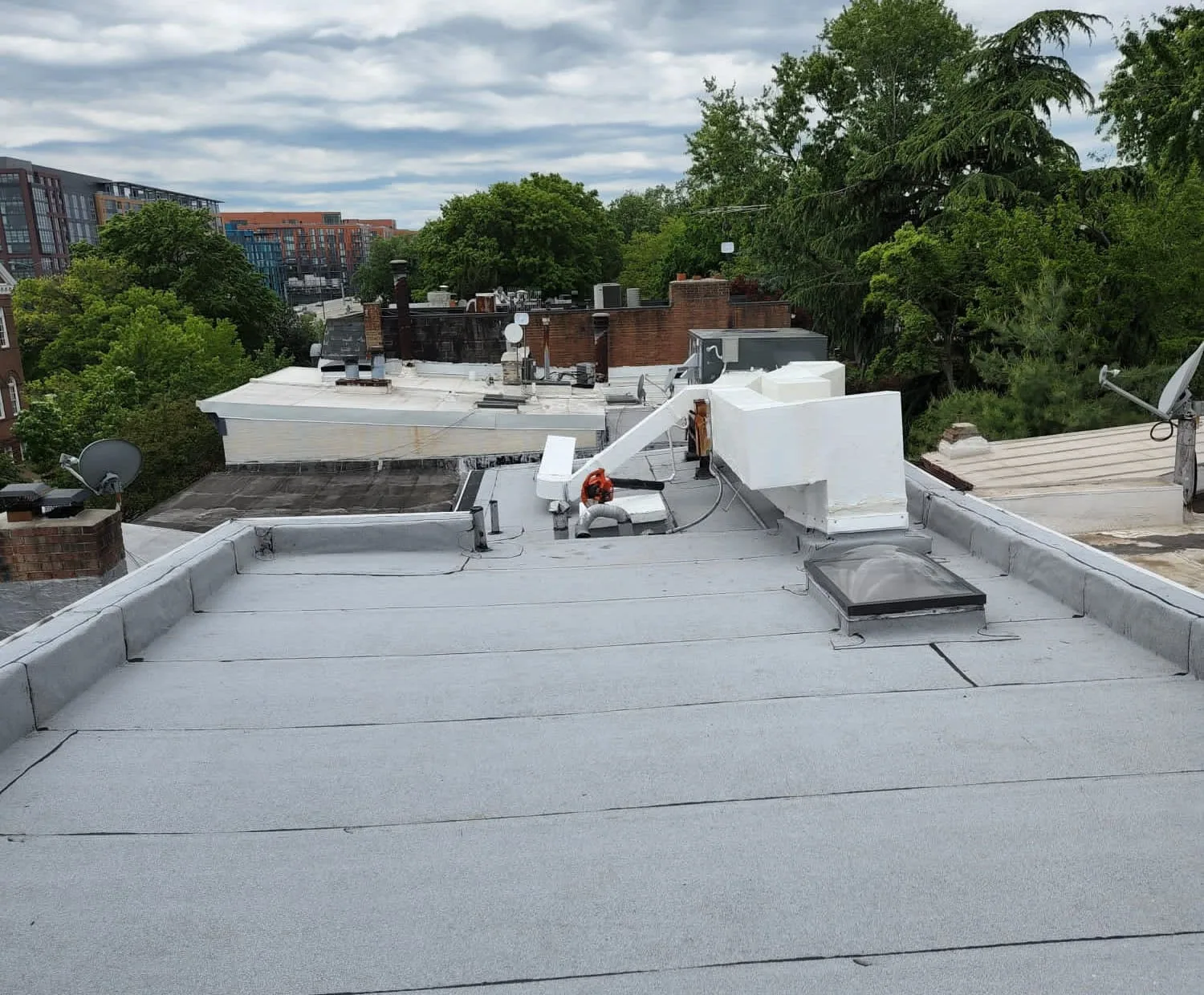
Identify included buildings and roof sections before creating the review calendar. Known installation information retains its source and date. Keep separate levels, materials and additions findable on the roof plan. Earlier repairs and equipment changes connect to those locations. The record shows where construction is established and where further assessment is useful.
Property roof histories carry that information through staff changes. Images need enough wider context to locate a close detail again. Restricted areas remain identified with the access needed to examine them. A portfolio summary can organize status while keeping assessment coverage visible at the individual building.
Give each property an operating contact and a route for approving access or protection. The asset manager can arrange a useful investigation without reconstructing those responsibilities for every visit. When the operator changes, update the practical information attached to that address and retain the earlier work history.
The Retail Access and Receiving Plan
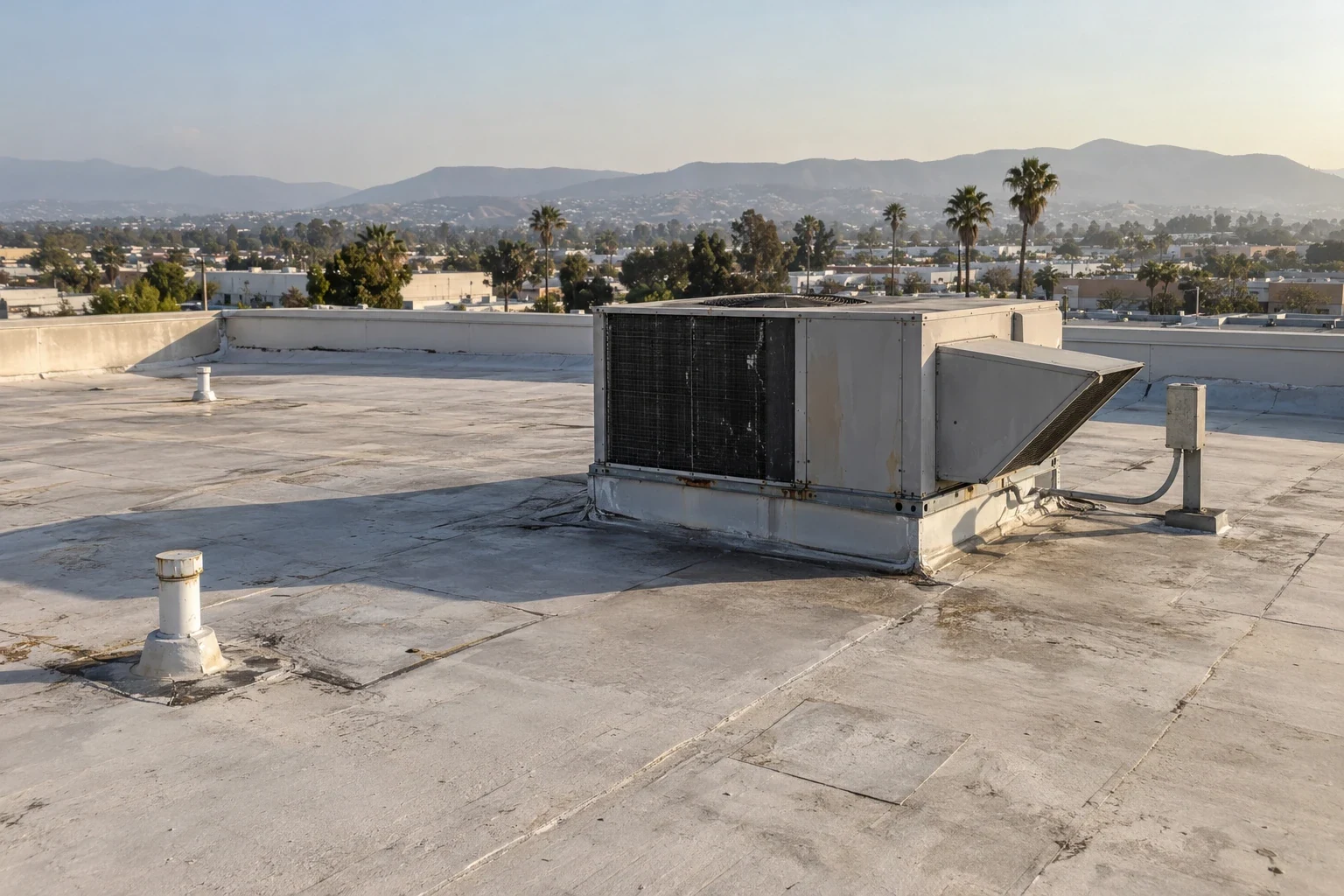
Retail properties can involve several users beneath the same roof phase. Local retail settings include Americana at Brand and Glendale Galleria. For an included property, its operator establishes the receiving position, customer routes and staging arrangements. Map those requirements against the roof section being assessed or corrected. The practical plan accompanies the material and detail scope.
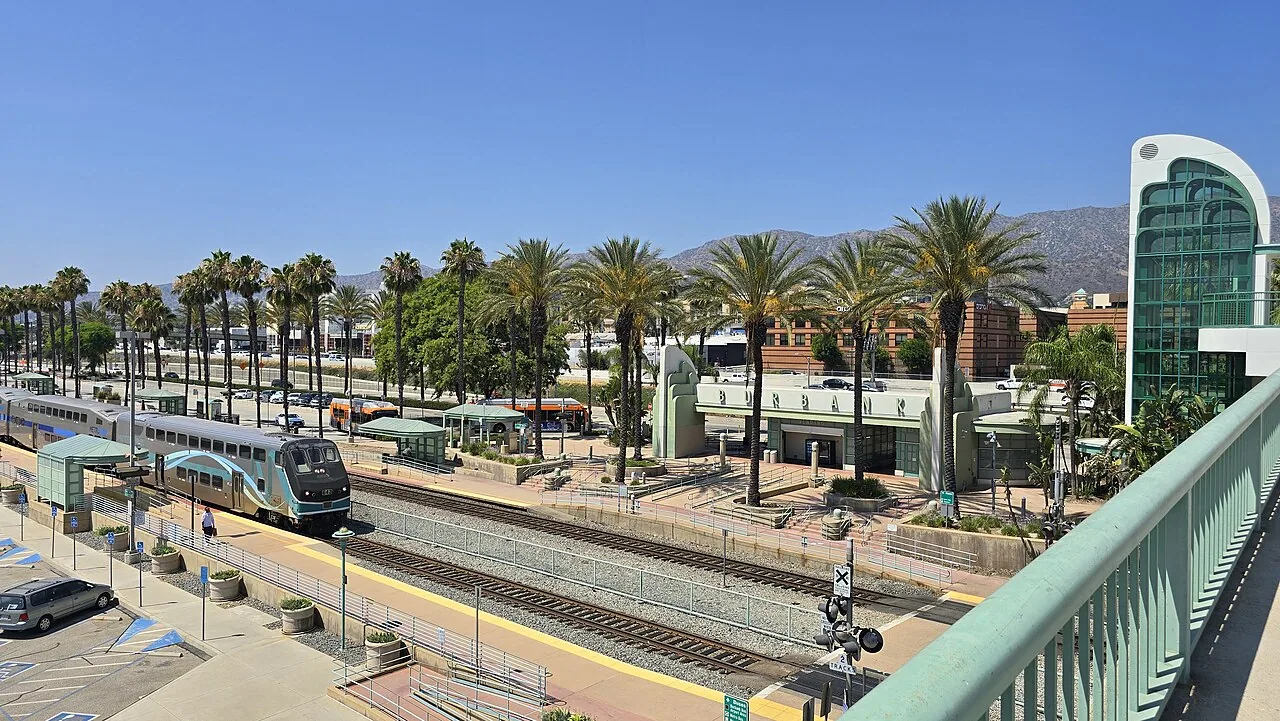
A portfolio project in Burbank keeps its own property arrangements and assessment. Regional location helps plan travel and procurement, but it does not identify the usable entrance or staging position. Confirm those decisions before arranging handling equipment. The owner can compare access provisions with the actual phase they support.
Daily opening limits follow forecast, product requirements and practical closure. A planned retail window still needs the materials and details ready for the construction involved. A concealed discovery may change the quantity or sequence. The property record retains that finding and the approved adjustment rather than obscuring it in a shared portfolio total.
The Approval Calendar and Work History
The planning calendar takes Glendale's dry summer and wetter cool season into account. Actual forecasts, safe access and application conditions govern each construction phase. Coordinate approval and procurement tasks where useful, while keeping the work period suited to the property. The record identifies decisions that need resolution before materials or handling dates are committed.
Issued agreement records remain attached to the installation they describe. Completion images identify material and corrected locations. Retain approved changes and tasks outstanding from other trades. A later portfolio review can compare current findings with completed work, keeping maintenance and future investment decisions tied to a usable building history.
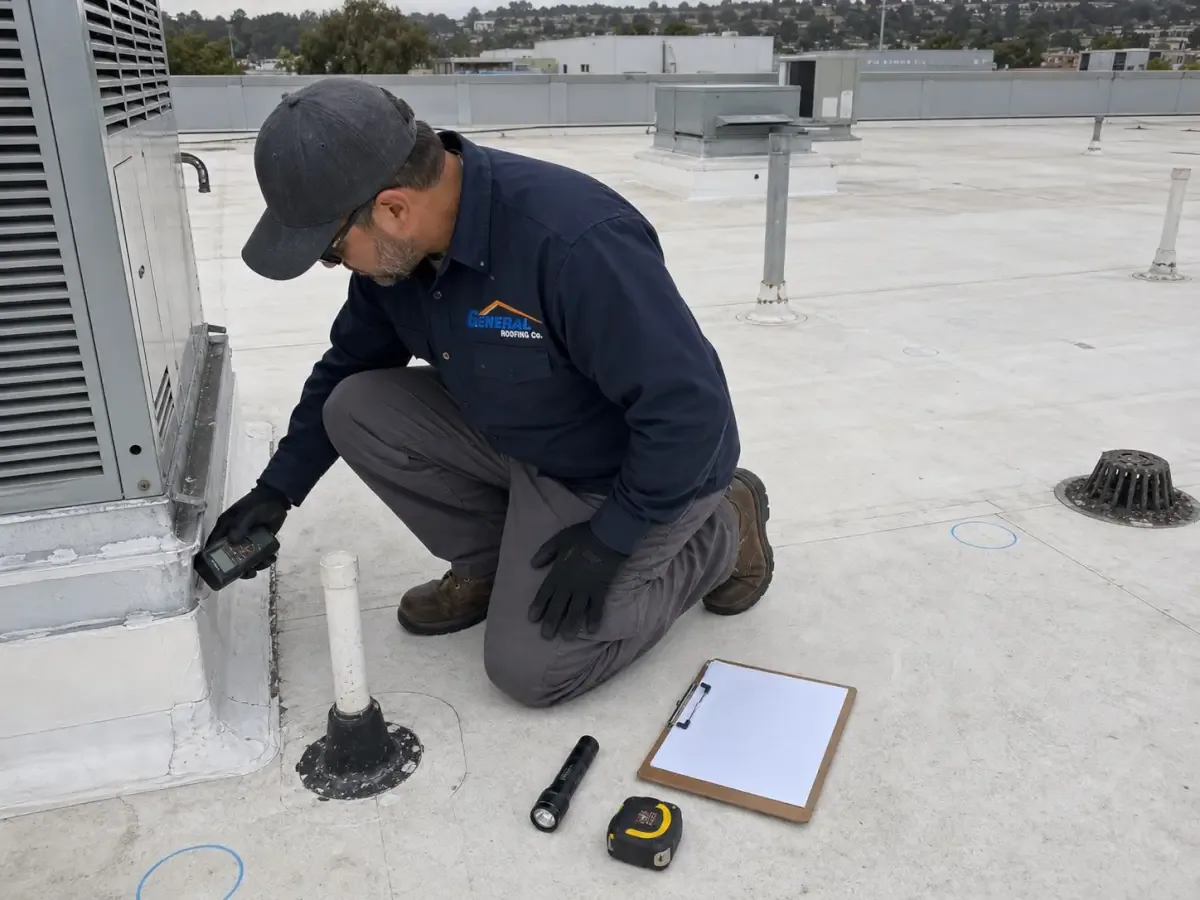
A multi-site program can use common inspection fields while preserving each building's actual assembly, access and operating limits. We map findings by property and roof zone, identify similar repair tasks and show where different construction calls for a separate method. Central staff can compare priorities, while local managers confirm tenant schedules and access. When work is complete, update each record with materials, photos and open observations. A Glendale portfolio may include downtown mixed-use buildings and San Fernando Road industrial properties, which do not share one roof condition. Keep those differences visible so group planning speeds decisions without turning a local finding into a portfolio-wide assumption.
Talk Through the Next Roof Task at Each Property
Arrange a portfolio review with located findings, feasible scopes and the operating decisions needed to move the roof work at each building forward.
Related Roofing Pages
Other services, systems and conditions Glendale owners often review alongside this one.
Questions About Multi-Site Roof Programs
Use consistent fields for property, roof location, date and task status. Keep assembly, findings and operating requirements independent so the owner can compare decisions with their actual basis.
Each building needs a feasible assembly based on its condition and project requirements. Procurement can be coordinated where suitable, while support, details and operating provisions remain property-specific.
Identify the access task and the condition concern separately. Arrange useful investigation or practical protection with the operator. A scheduling restriction does not settle the physical correction needed.
Complete scopes include preparation, related trade tasks and operating protection. Separate known quantities from unresolved construction and keep the decisions affecting award visible.
Retain completion information at each property roof reference, with approved changes and outstanding tasks. Issued terms and maintenance guidance stay with the installation they serve.