The Roof Inventory at the Building
Identify the separate roof areas, levels and known material changes. Existing plans and installation records help establish their history. Keep the source and date of each item available. Where the construction is uncertain, identify the examination needed before using it to select a permanent correction or retained-layer option.
Located roof condition records add current accessible findings to the inventory. A report identifies the detail examined and its surrounding construction. Restricted areas remain visible with the access needed to assess them. Staff can find the location and understand the information available there without treating one visit as a complete investigation of all concealed layers.
Images should connect close detail with enough wider context to locate it again. Use the same roof references for later service. A record of changed insulation, equipment or perimeter work belongs beside the affected section. That continuity makes a later repair review easier for an asset manager who was not involved in the earlier project.
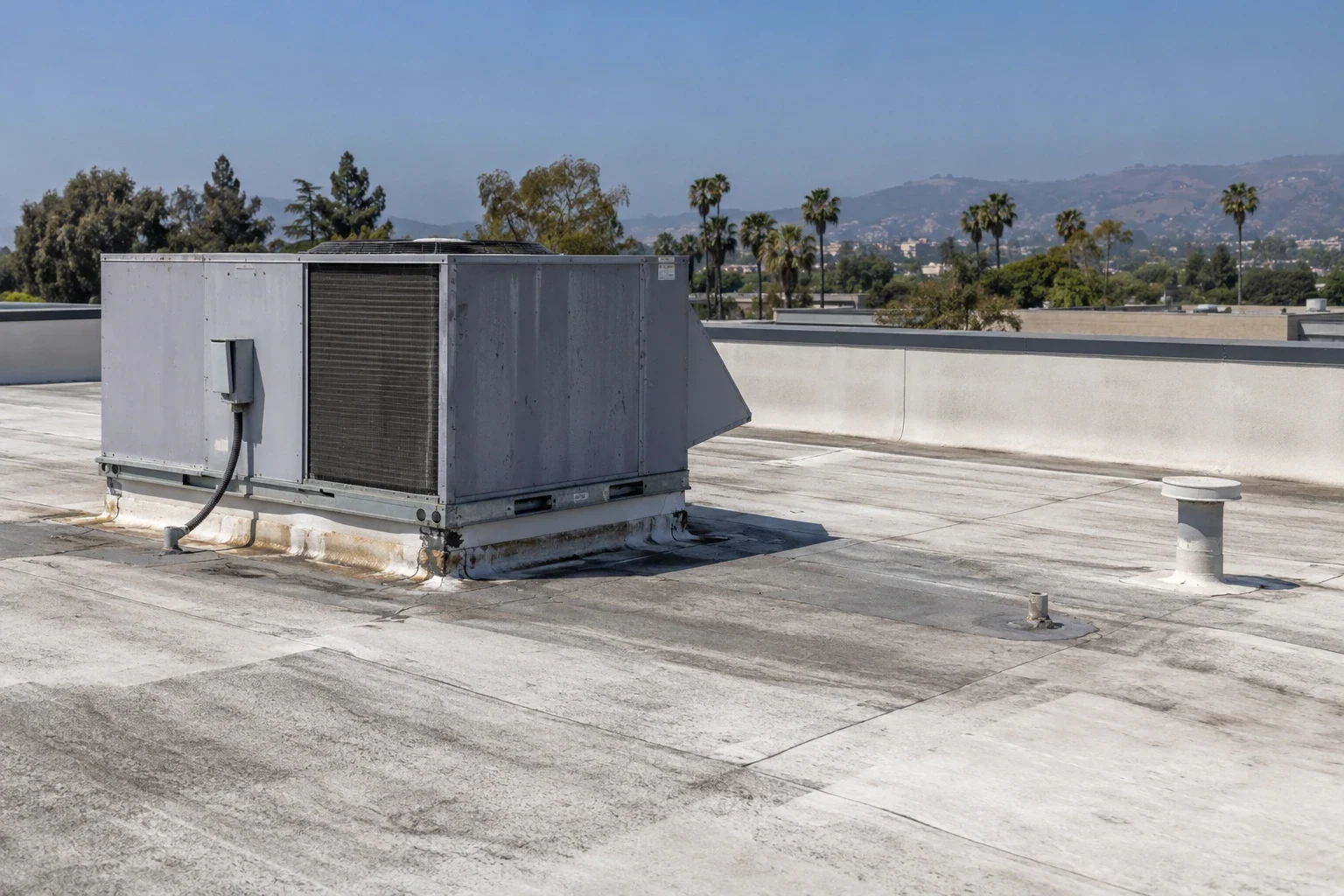
The Retail Service Record
At a retail property, maintenance access may involve receiving areas, customers and several occupied uses. The Glendale Galleria and Americana at Brand provide local commercial context. The actual operator confirms the work entrance and approved staging for the building being served. Retain those arrangements where they affect inspection, handling or a future construction phase.
Documented maintenance records the task and the accessible condition left at the location. Outlet debris, damaged flashing and a persistent low area can require different action. Cleaning does not settle a question about geometry or discharge. Assign further examination when a drainage concern remains after the service task.
A temporary measure keeps its own limitation and remaining correction in the record. Completion of a visit does not necessarily close the cause investigation or permanent scope. The asset manager can find the outstanding task and its contact, making the next approval easier to carry forward through a change in property personnel.
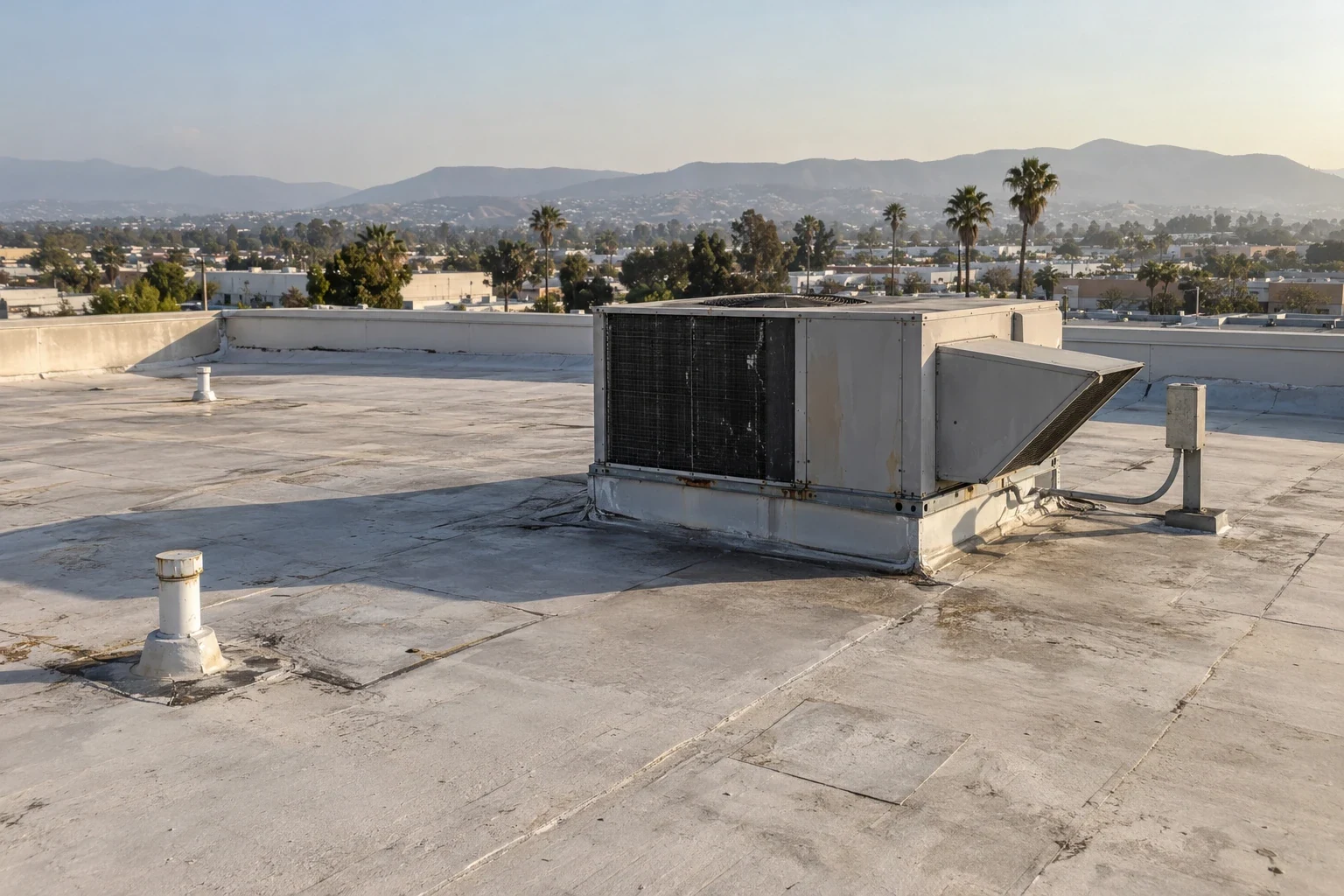
The Record Through Handover
Issued agreement information stays with its installation and relevant notice procedures. Completion images identify corrected details and installed material. Add approved changes and maintenance guidance, with unfinished trade tasks assigned. A later manager can compare a new observation with the work actually completed and identify which part of the record needs updating.
Glendale's hot, dry summers and cooler-season rainfall help frame visit planning. Actual weather, safe access and applicable product instructions establish the practical work window. Retain visit dates and examination conditions with the findings, keeping seasonal context separate from the physical condition recorded at the roof.
A property in the San Fernando Road corridor receives its own roof-area identifiers. Keep later alterations and water reports under those references. A common management file remains useful when each entry identifies the actual building, date and construction affected.
A useful roof inventory shows where each assembly begins and ends, when repairs were made and what remains unknown. We record zones, drains, curbs and access limits so later inspections can find the same details. Separate an urgent leak response from planned capital work, then update the file when either is completed. For a Glendale portfolio that includes retail, offices and industrial buildings, one broad condition label can hide important differences among properties. Keep photos and material information with the map. The owner can then compare changes over time and give future vendors a clear record before they cut into the roof or price a larger project.

Make the Roof History Useful for the Next Property Decision
Arrange a review of the building records and current findings, with located tasks and practical operating inputs for the next roof scope.
Related Roofing Pages
Other services, systems and conditions Glendale owners often review alongside this one.
Questions About Roof Asset Management
Connect dated reports and completed changes to stable roof locations. Keep known material information, issued agreements and outstanding tasks findable, with their source and status clear.
Review the proposed support and connection with the installed construction. Assign roofing and related trade work, then retain the completed detail and relevant maintenance changes.
It directs attention to the recurring location. Current examination establishes the cause, supporting condition and feasible correction before selecting a larger construction option.
Identify the measure, location and limitation. Keep the permanent task or further investigation assigned until its completion is documented.
Use consistent fields for dates, roof locations and task status. Preserve the assembly, findings and operating requirements independently for each property.