Get Answers Fast

Send the Building Details

Request an
Assessment

Call Our Team

555-555-5555
Request an
Assessment
555-555-5555

Hospitality Groups

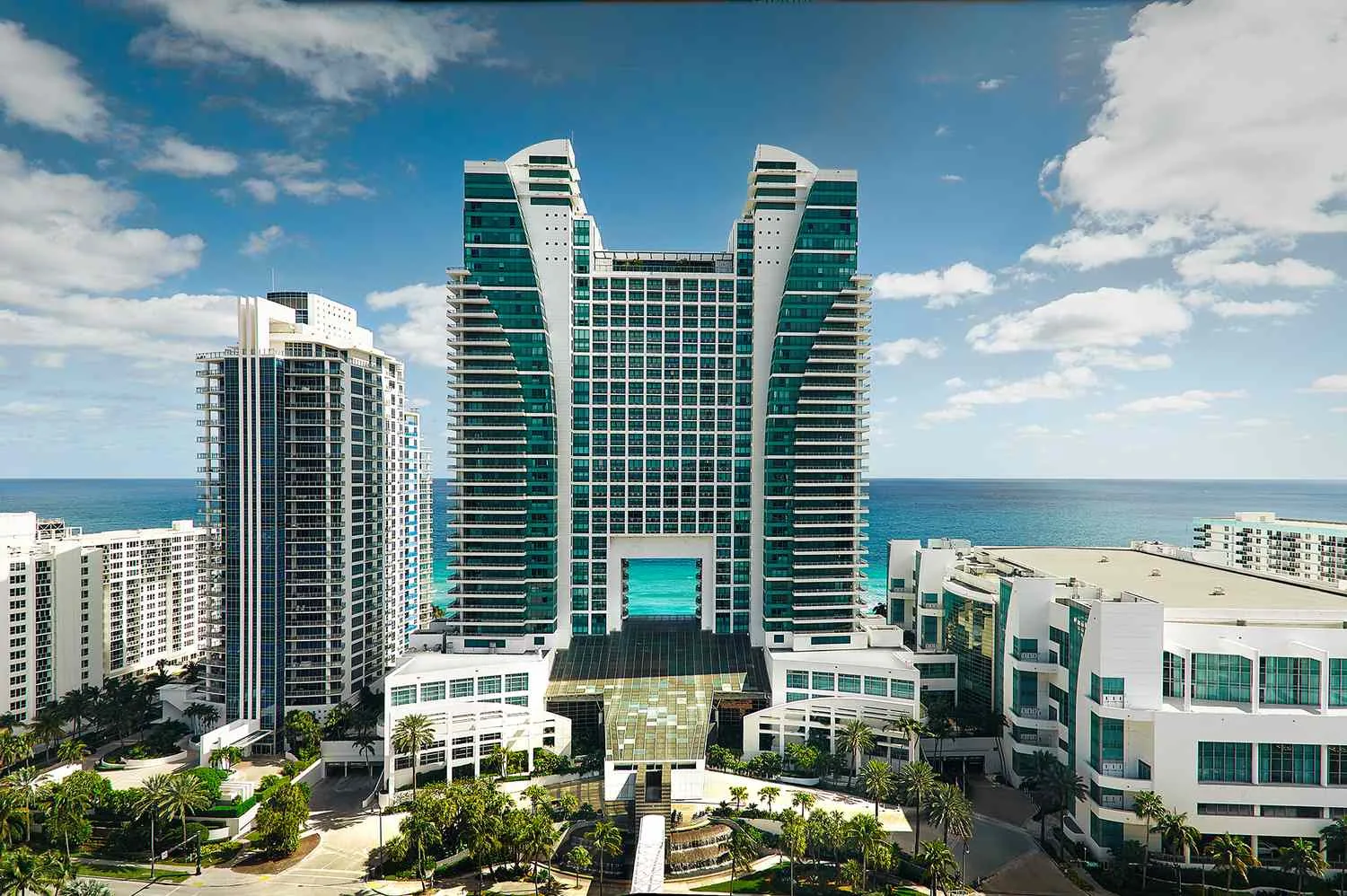
A hotel roof repair has to fit around guests. A leak over an occupied room and a new rooftop unit project call for different investigations and different approvals. We pin down the problem, inspect the roof it sits on and explain the job, including prep, access and what other trades need to do, so the hospitality manager can judge the cost against how the hotel actually runs.

The Glendale Galleria and Brand Boulevard are familiar landmarks in Glendale, CA, but every property is different. Management tells us the building, the roof area and who controls access. We look at what is happening below and at the roof details before suggesting an option, and the price comes with the decisions still needed, including any testing that could change the bigger choice.

Guest rooms and work hours

Management tells us which rooms and spaces are under the work and what is in them. We talk through guest services, quiet hours and how the crew gets in and out. Facility staff review our products and methods, and the HVAC contractor handles any unit precautions. Our protection plan follows those rules, and if room use or the work area changes, the plan is reviewed again.

On hotel roofing jobs, each work window covers only what the crew can open and close properly in that time. Materials, readiness and how much we can protect all matter. Short windows may mean more setups or smaller sections, and that effort is priced with the reason, so each phase is a real piece of finished roof.

Deliveries and debris need a route the hotel approves. We walk the loading areas, staging spots and haul-off path, and look for conflicts with guest parking, valet or the main entrance. Limited staging can mean more deliveries or extra moves, and those are listed separately so the manager can see why access affects the price.
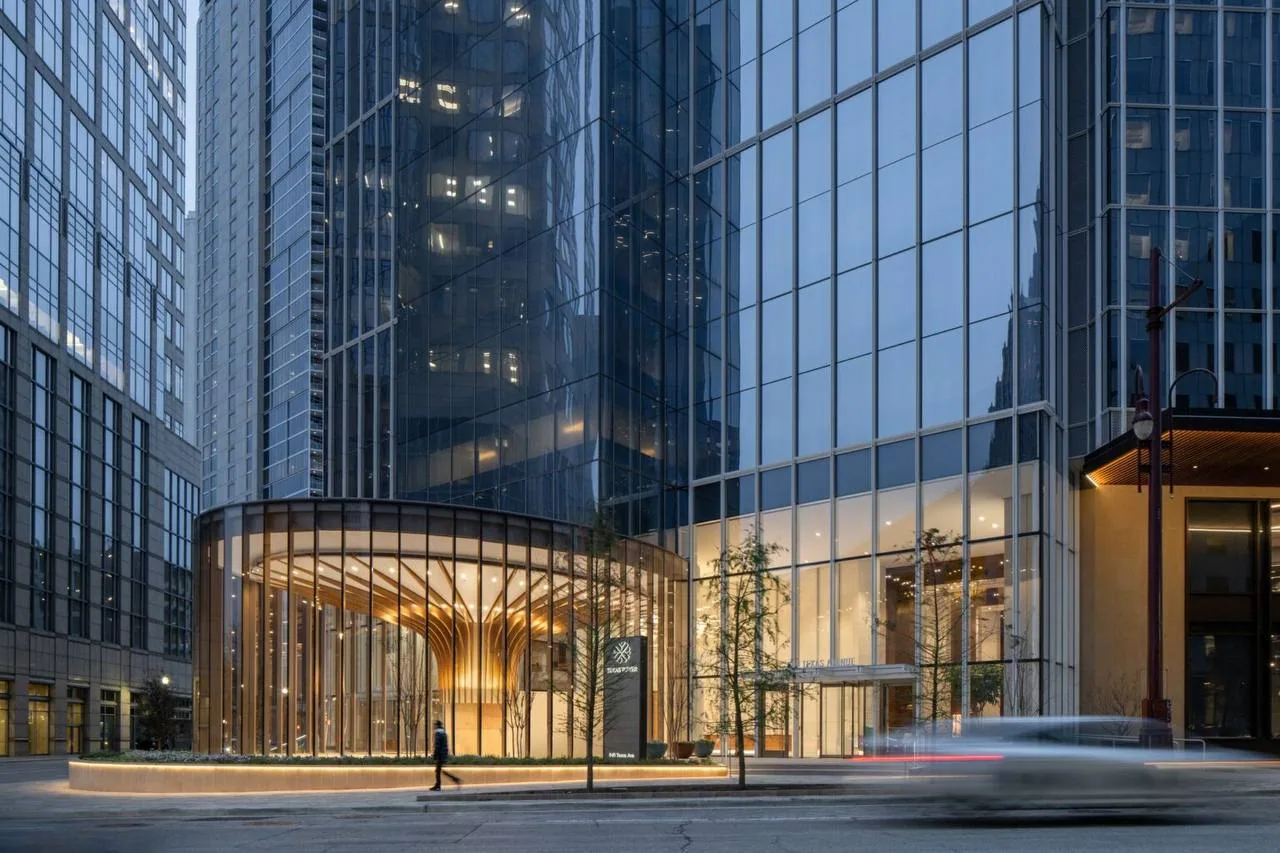
Commercial Roofing for Hospitality Groups in Glendale, CA

Tracing a leak into a guest room

A leak report should note the room, when it appeared and any recent equipment work or repairs. Water can travel inside the building before it shows on a ceiling, so we check the roof and equipment connections above rather than guessing from the stain. If the path is still unclear, we name the next check and who should do it, in terms staff can use when arranging room access.

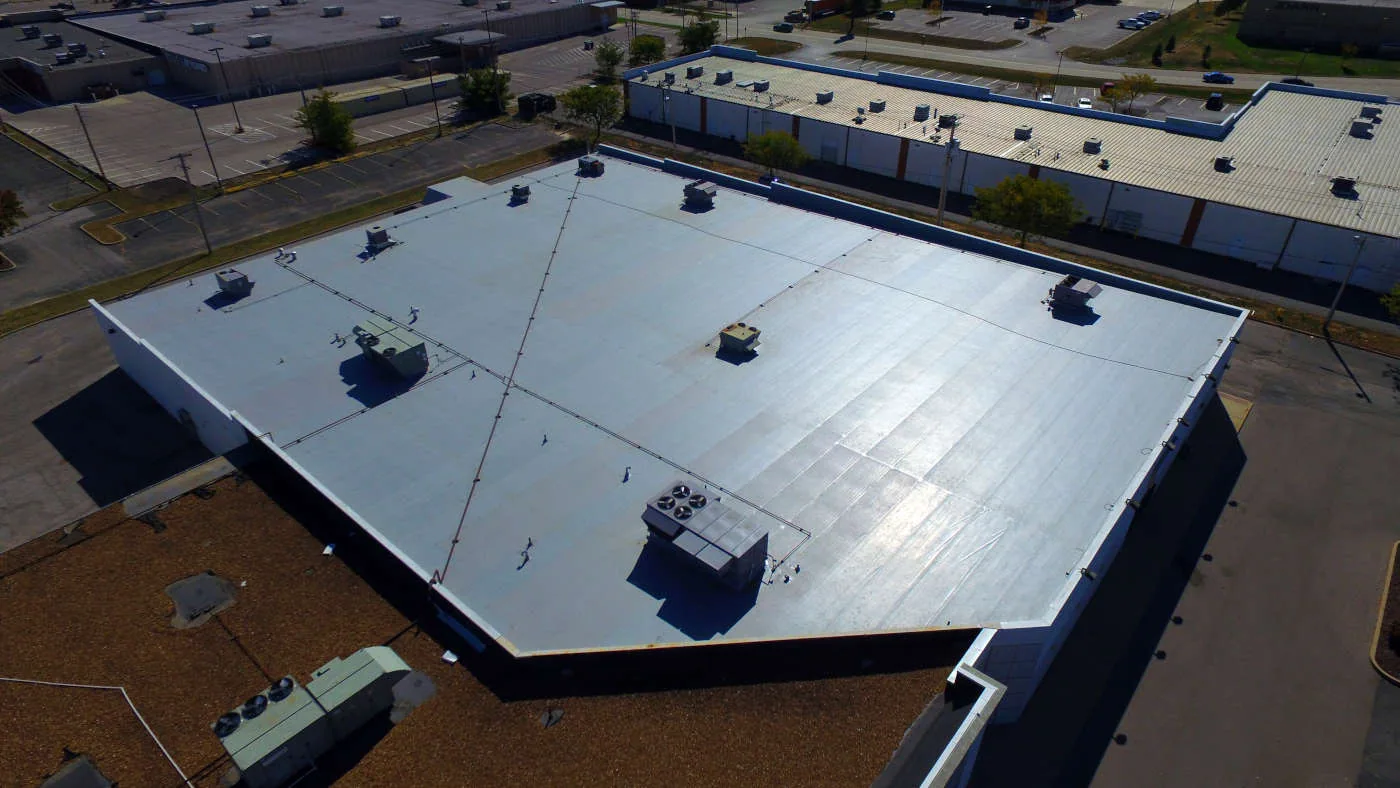
During a commercial roof inspection, photos place seams, wall flashing and penetrations against roof landmarks. We note the surrounding materials and old repairs that affect prep, and use drawings where they match what is built. A small defect may need a larger repair to tie into sound membrane, and we explain that before the price is approved.

Condensation is checked when temperature, humidity and HVAC conditions point that way, with the mechanical contractor looking at system questions. A confirmed roof defect can be repaired while a window, wall or equipment investigation continues, and each task gets its own owner so the roof repair is not expected to explain everything.

Testing layers and comparing options

What is under the membrane often decides between a repair and a bigger project. A test cut shows the layers and condition at that spot; we photograph it and seal it. A decision to keep or remove a larger area needs enough testing to support it. Infrared scans can guide where to cut when the roof and weather suit them, but cores confirm the readings.

A repair needs sound membrane all around it. A coating needs a qualifying roof and proper prep. A recover depends on the existing roof, fastening and wall and curb heights. If the roof cannot be kept, we plan a tear-off. All options are compared using the same findings and include their full edge and flashing work and the hotel's operating needs.

With roof coating restoration, the owner should understand the prep beyond the open field: old patch materials and tricky corners can change the job, and flashing problems must be fixed before a coating price assumes they are ready. We note any testing that could change the option, so the final choice is one that will hold up.
Commercial Roofing for Hospitality Groups in Glendale, CA

Rooftop equipment and drains

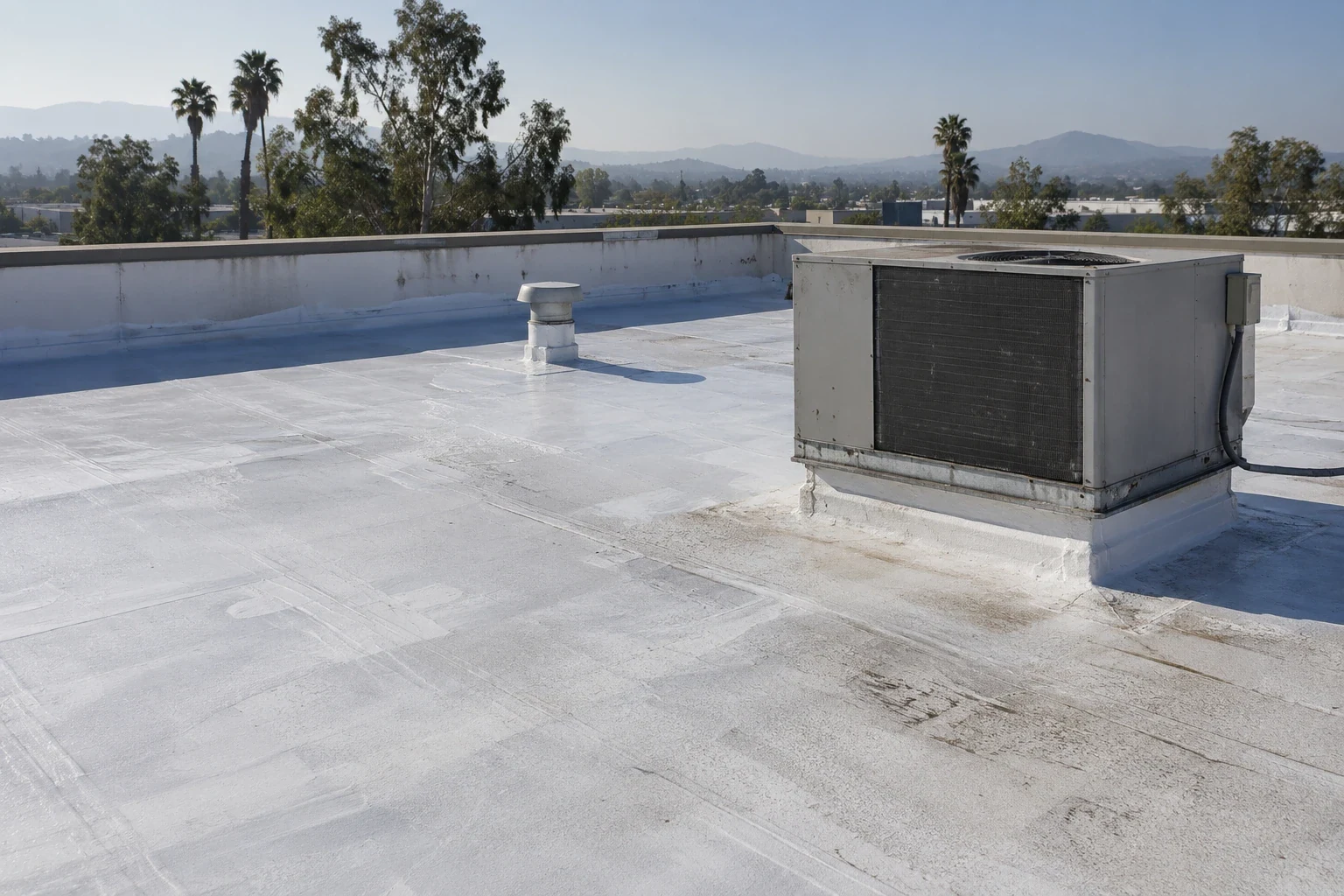
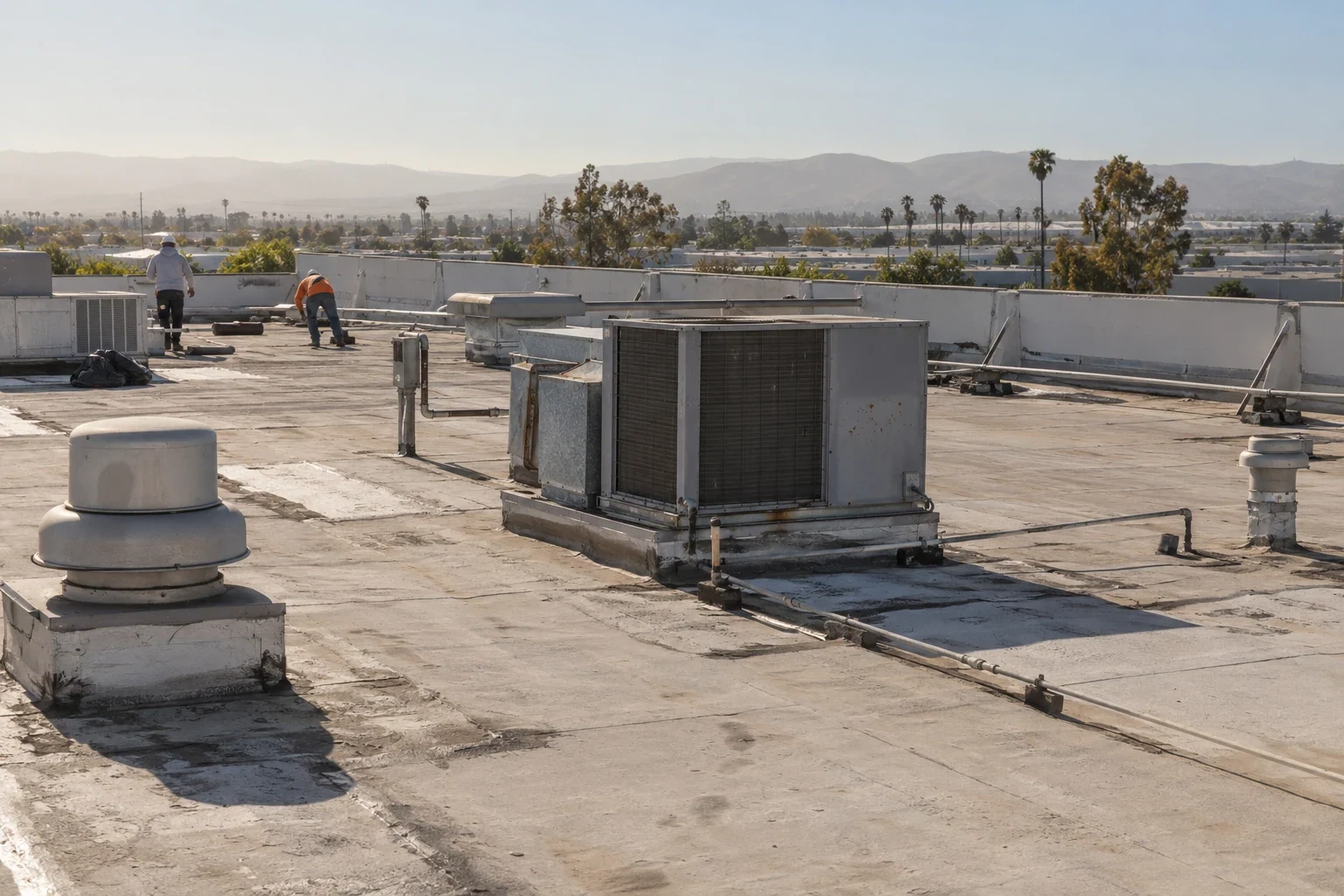
Equipment work starts with the mechanical engineer setting unit sizes and support requirements. We use those to plan clearance and the insulation and flashing around each curb. If a unit moves, the old opening is its own repair, with a named supplier and an inspection before we cover it, so both the new curb and the abandoned opening show up in the price.

At drains, we check the drain itself and where water flows. Clearing debris may solve a clog. Water that keeps ponding calls for a look at elevations, insulation and the deck. A new slope or drain needs the plumber and designer to decide where the water goes, and the roof detail follows their plan, priced separately from routine cleaning.

If tear-off reveals more damage, we document it and send a revised price that explains the fix and any effect on deliveries, protection and the work window. Photos are taken before it is covered. Approval keeps the change tied to a clear reason, so the manager can explain why the cost changed.

Permits, emergencies and property records

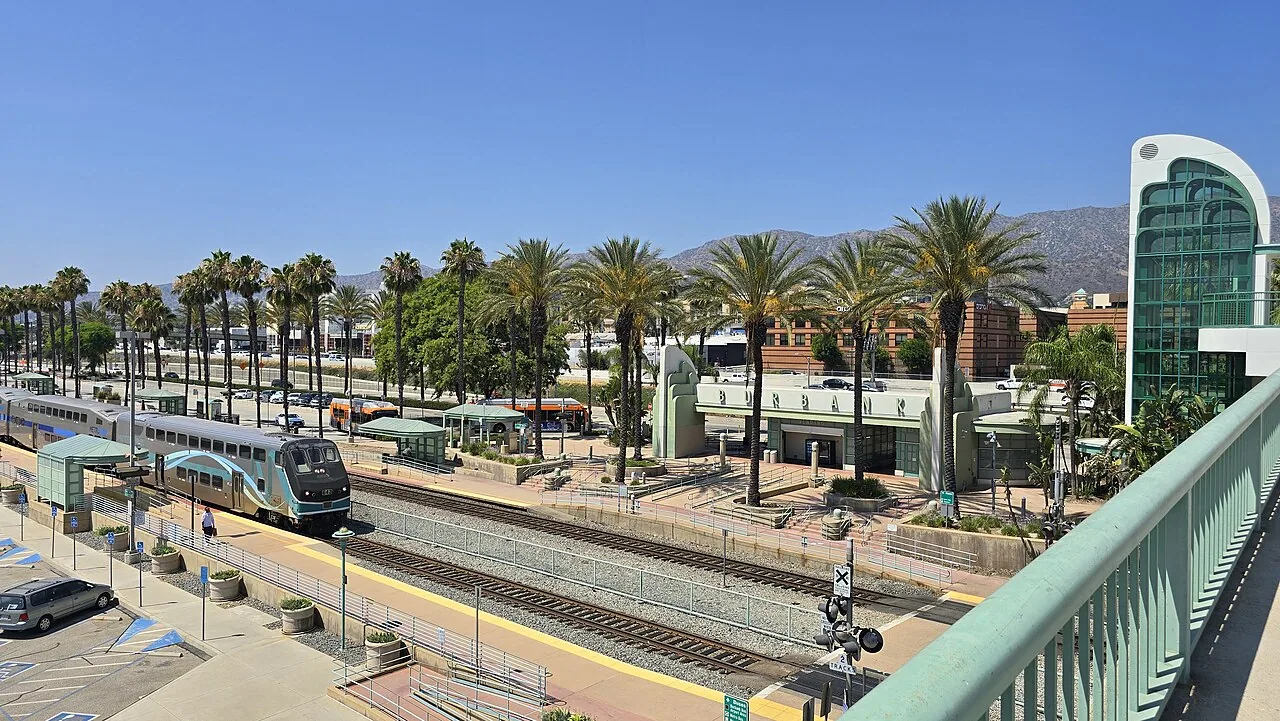
Glendale has hot, dry summers and most of its rain in the cooler months. Install days still depend on actual weather and a prepared surface. Santa Ana winds are a reason to check exposed edges, while the project design sets fastening requirements. We confirm the permitting authority before ordering for an alteration, and a Burbank hotel follows its own city's review and the operator's rules.

Owners who also work with retail and restaurant chains or general contractors keep each task and approval clear. For an urgent leak, management handles guest moves while safe access and crew availability are confirmed. Temporary measures are recorded with what they cover, and the permanent repair or further testing is assigned separately.

The closeout file includes dated prep photos, approved changes and finished details at marked locations, plus open maintenance and trade items with contacts. A hospitality group can use consistent cost categories while keeping each building's roof history, which helps with future equipment changes, inspections and capital planning.

Plan roof work around your guests

Tell us about the property and the problem. We will cover the inspection, room coordination and prep needed for a clear roofing price.

Related Roofing Pages

Other services, systems and conditions Glendale owners often review alongside this one.
hotel roof working preparation
Hotel Roofing

Scope, conditions and planning details for Glendale commercial buildings.

hospitality property roof examination
Commercial Roof Inspection

Scope, conditions and planning details for Glendale commercial buildings.

roof treatment suitability review
Roof Coating Restoration

Scope, conditions and planning details for Glendale commercial buildings.

Burbank hotel assignment
Burbank

Scope, conditions and planning details for Glendale commercial buildings.

Questions About Hospitality Groups

Which rooms and spaces are below the work, what is in them, quiet hours and access rules. Facility staff review our methods, and the HVAC contractor handles unit precautions.

We note where and when it appeared and any equipment work, then inspect the roof details above. If the cause is still unclear, the next check is assigned.

The condition of the existing roof, old repairs and the flashing at walls and curbs. Those need to be fixed and tested before the coating price is final.

Access and roof details vary across a group. Dated findings and finished-detail photos help explain costs and plan future work at each hotel.

ServicesRoof SystemsProperty TypesIndustriesService AreasDamage RepairCapabilitiesManufacturersAboutRequest a Roof Assessment555-555-5555
Call555-555-5555