Starting With the Right Building
We start with the facility manager or project officer for the specific building: its building number, the rooms where leaks show up, and any roof drawings or past repair records on file. We check the paperwork against what is actually on the roof before using it to price anything.
Military installation roofing projects usually involve several approvals: someone who signs off on roof access, someone who clears personnel and vehicles through the gate, and sometimes a separate rule for photographs or cutting core samples. We write those requirements into the plan so the inspection can actually happen and the findings can be used.
We also agree up front on what the inspection needs to answer. Finding the source of one leak over an office is a smaller job than deciding whether the whole roof should be recovered or replaced.
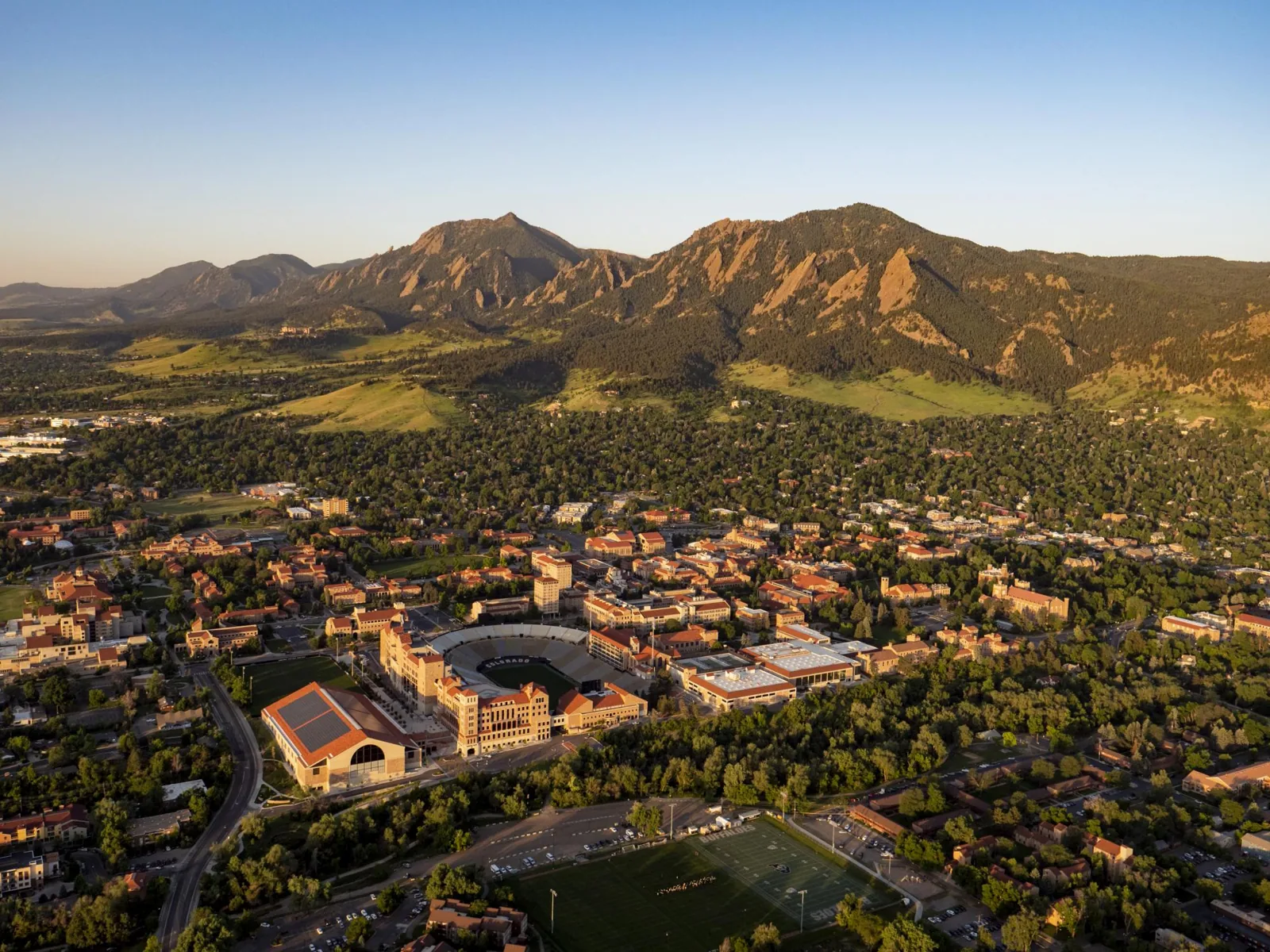
Tracing the Leak to Its Source
Leak tracing begins with when and where the water appeared: the building, the room, and whether it followed rain or showed up with the air conditioning running. We follow the evidence rather than patching the first damaged spot we see.
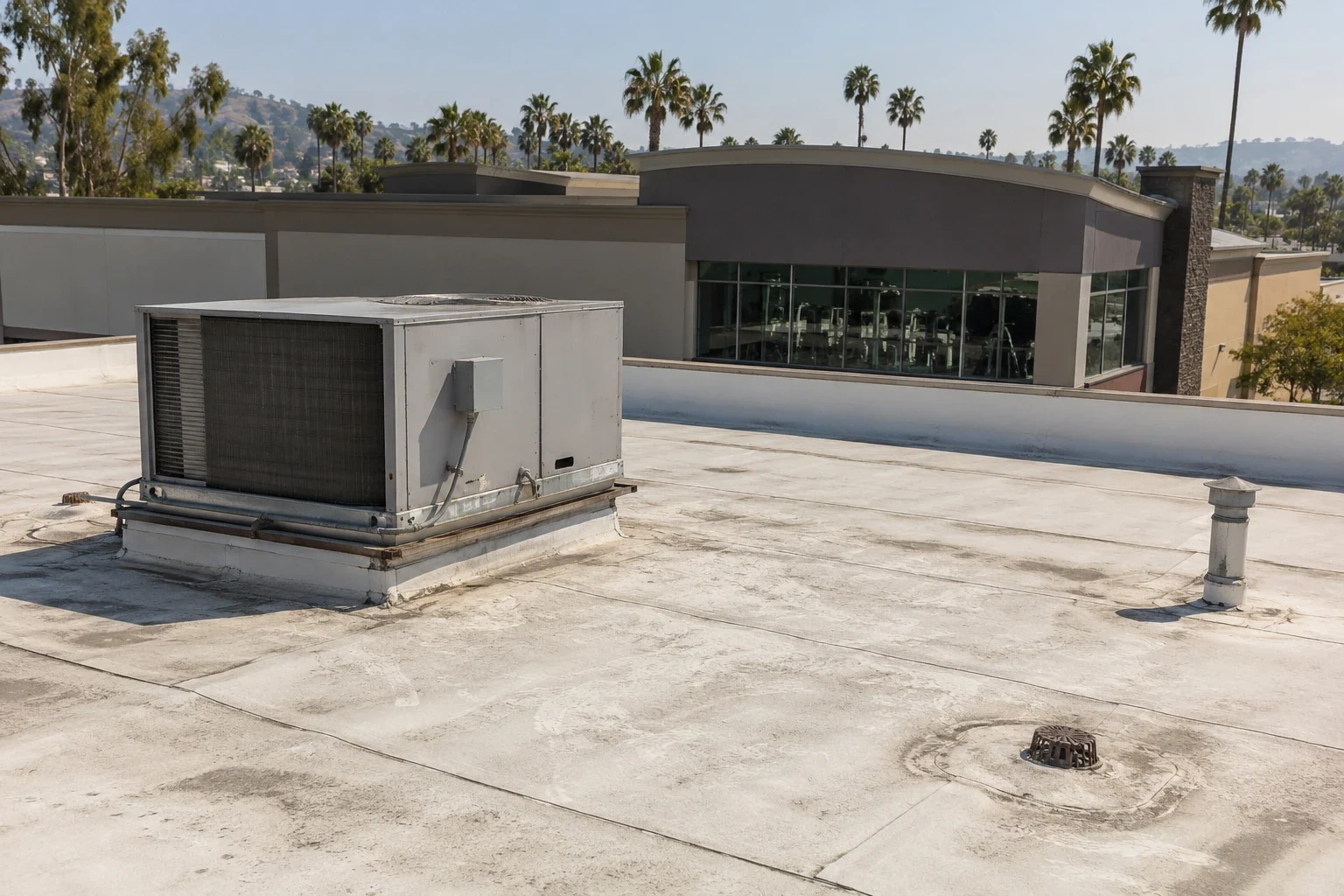
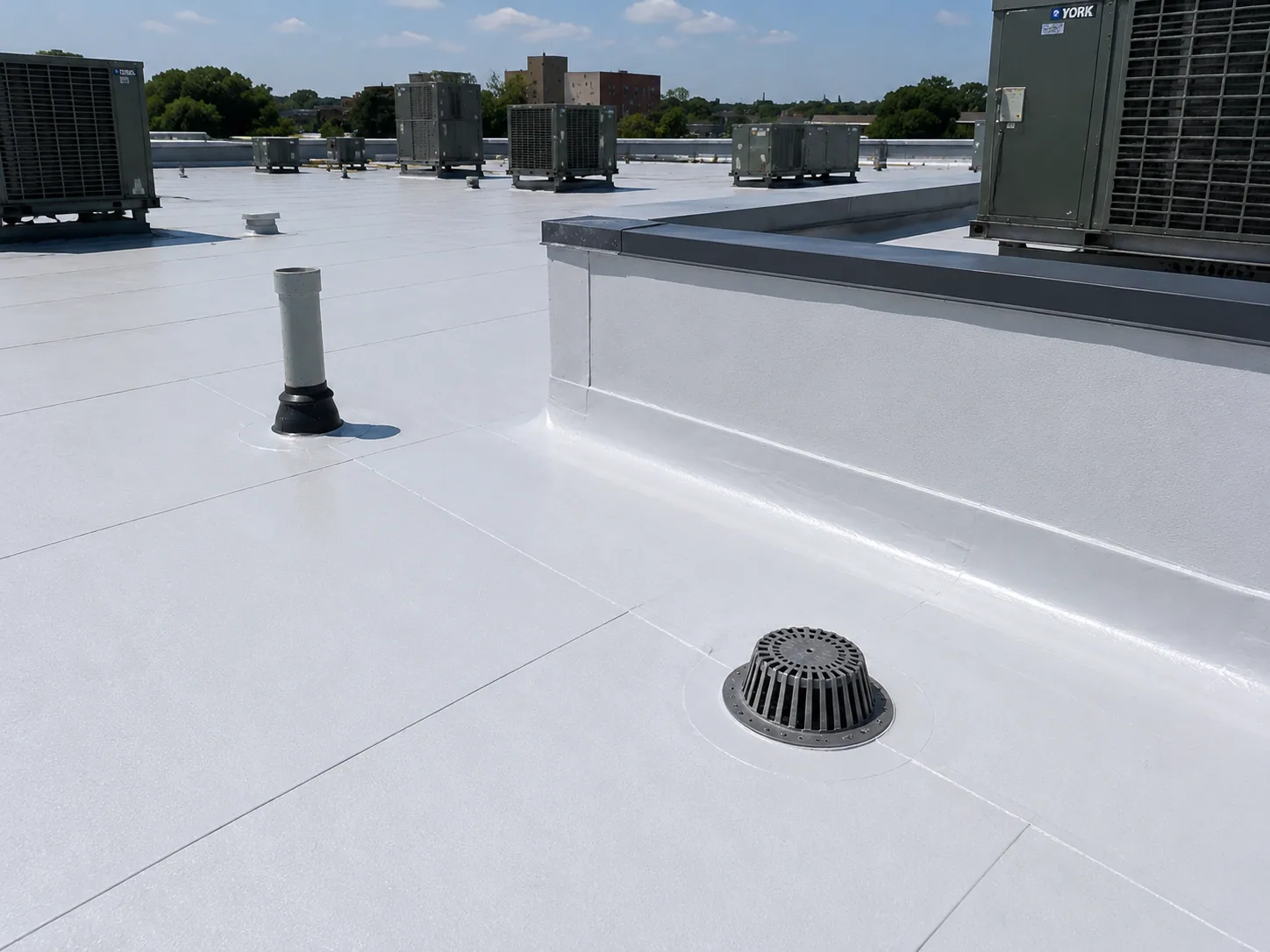
Our commercial roof leak repair work checks the flashings, curbs, seams, drains and wall terminations near the leak, and measures how much sound membrane is available for a lasting tie-in. If the source turns out to be a rooftop unit, a window or a wall rather than the roof, we tell the facility team who should look at it next.
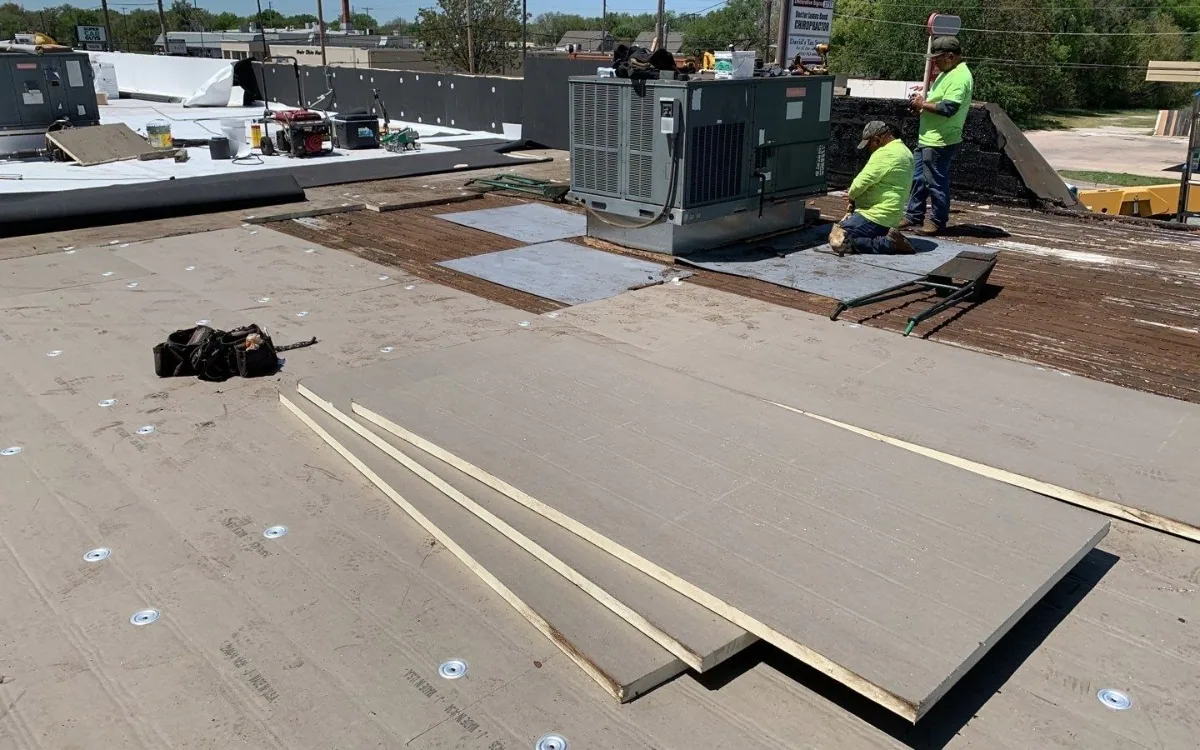
The repair price covers the preparation, not just the final layer. Old patches, mastic and deteriorated flashing often have to be cut out before new material will bond. Where the wall or deck behind the flashing is damaged, we include that rebuild or recommend a structural review instead of assuming it is ready to take new work.
Weather, Emergencies and Project Closeout
The project's design review sets the code and specification requirements for the building and the scope. Glendale's dry summers make for a long working season, but the weather at the site on the day of work is what matters. We watch for Santa Ana winds, which make loose insulation boards and membrane rolls dangerous to handle, and we only open as much roof as we can dry in if the day gets cut short.
We can respond to roof emergencies at nights, on weekends and on holidays. A crew can only get on the roof once base access is cleared and conditions are safe. Emergency work is a temporary fix to stop water; the permanent repair follows once it is approved.
If we open the roof and find something we did not expect, such as wet insulation or a rotted deck, we document where it is, propose a fix, and submit the added quantity, price and schedule impact through the agreed change process before proceeding. We review the warranty terms before later repairs so they do not void coverage.
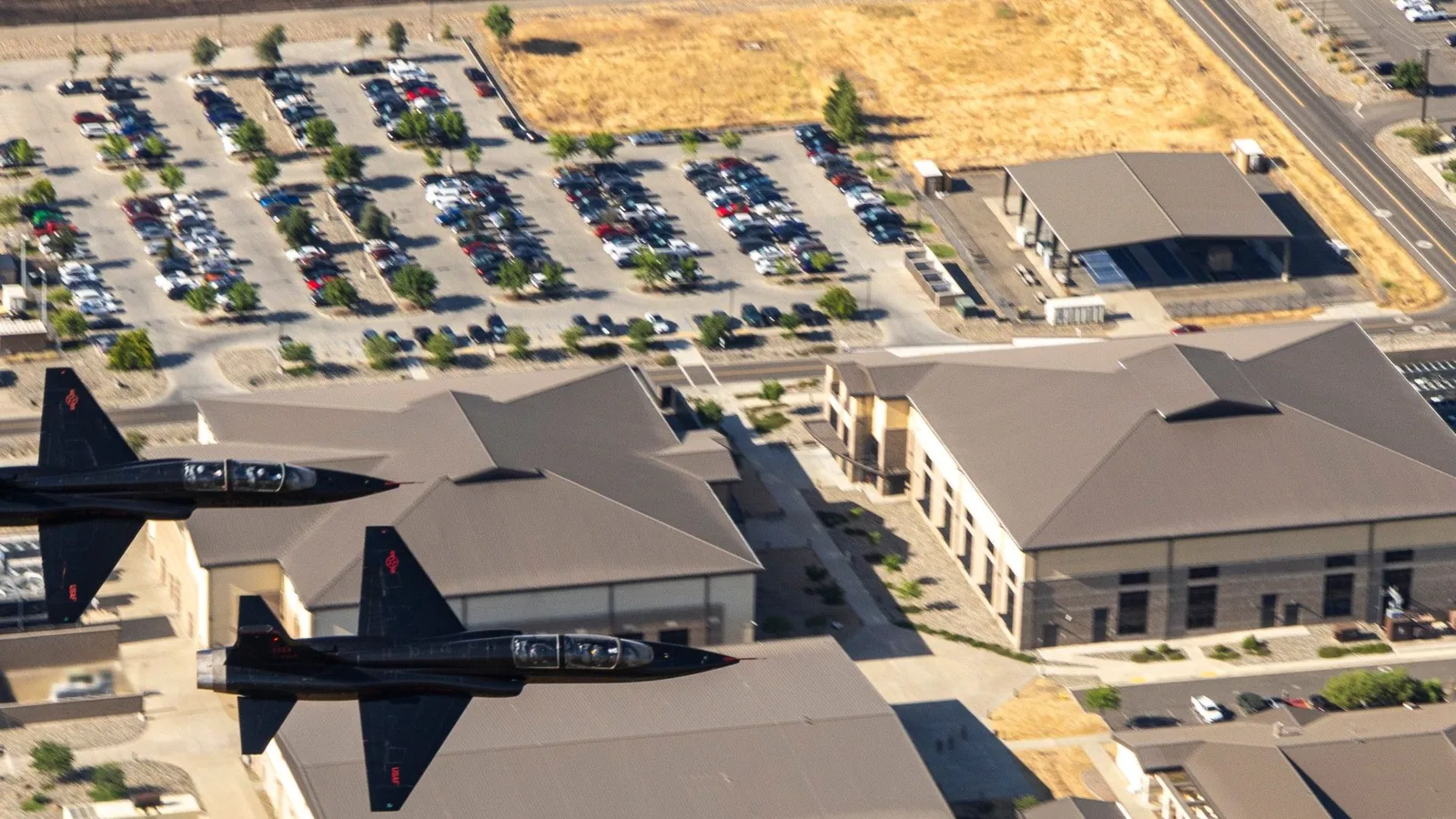
Army installation roofing requires the project team to plan around authorized access, operating areas and any escort or badging rules in force at the site. Before mobilization, we agree on material delivery, staging and safe work limits with the facility representative. We document the existing roof and sequence protection so no area is left open across an unplanned shift. The exact assembly follows the project specifications and the review required for that facility. We record inspections, material information and approved changes as construction proceeds. The owner receives a closeout that identifies the roof areas changed and the maintenance items or follow-up work that remain.
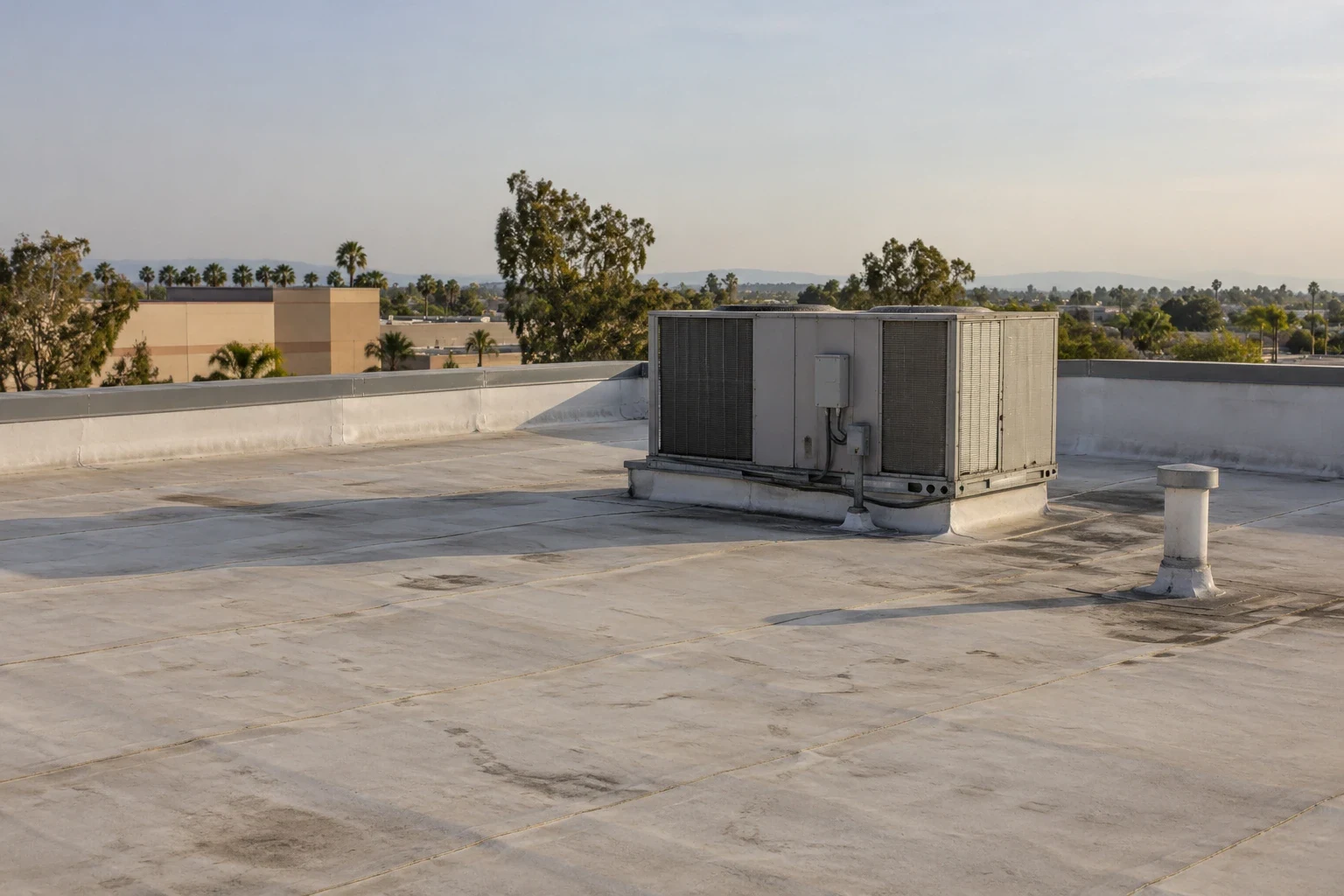
Discuss the Army Building Roof Scope
Schedule a roof inspection for your installation building. We will explain what we find, what the repair or replacement involves, and what base access and delivery planning it will take.
Related Roofing Pages
Other services, systems and conditions Glendale owners often review alongside this one.
Questions About Army Installation Roofing
It names the specific building, shows where the problem is, and describes the finished repair. It also lists base access, escorts and delivery costs, so the reviewer can see exactly what the money pays for.
Because a core sample or test opening should answer a real question. Tracing one leak needs less investigation than deciding between recover and replacement, and the method and patching are agreed with the facility contact first.
We confirm the destination, gate process and any vehicle or escort requirements before scheduling. A visitor pass for an inspection usually does not cover a material delivery, so both are arranged and the cost is included.
The existing deck and insulation have to be sound, and the added thickness can affect walls, drains, door thresholds and equipment curbs. Raising those details is priced as part of the recover option.
Yes, if each building's operator can support the schedule. We keep separate findings and quantities for each roof. A shared contract can save on mobilization, but each building still needs its own approval.