Get Answers Fast

Send the Building Details

Request an
Assessment

Call Our Team

555-555-5555
Request an
Assessment
555-555-5555

Rooftop Equipment Curbs and Supports

When a creative office in Glendale swaps out a rooftop unit, the new unit rarely matches the old curb exactly. It may be larger, heavier or set in a different spot. Sorting out the curb, the support and the roof flashing in the same meeting as the equipment order saves a lot of rework and leaks later.

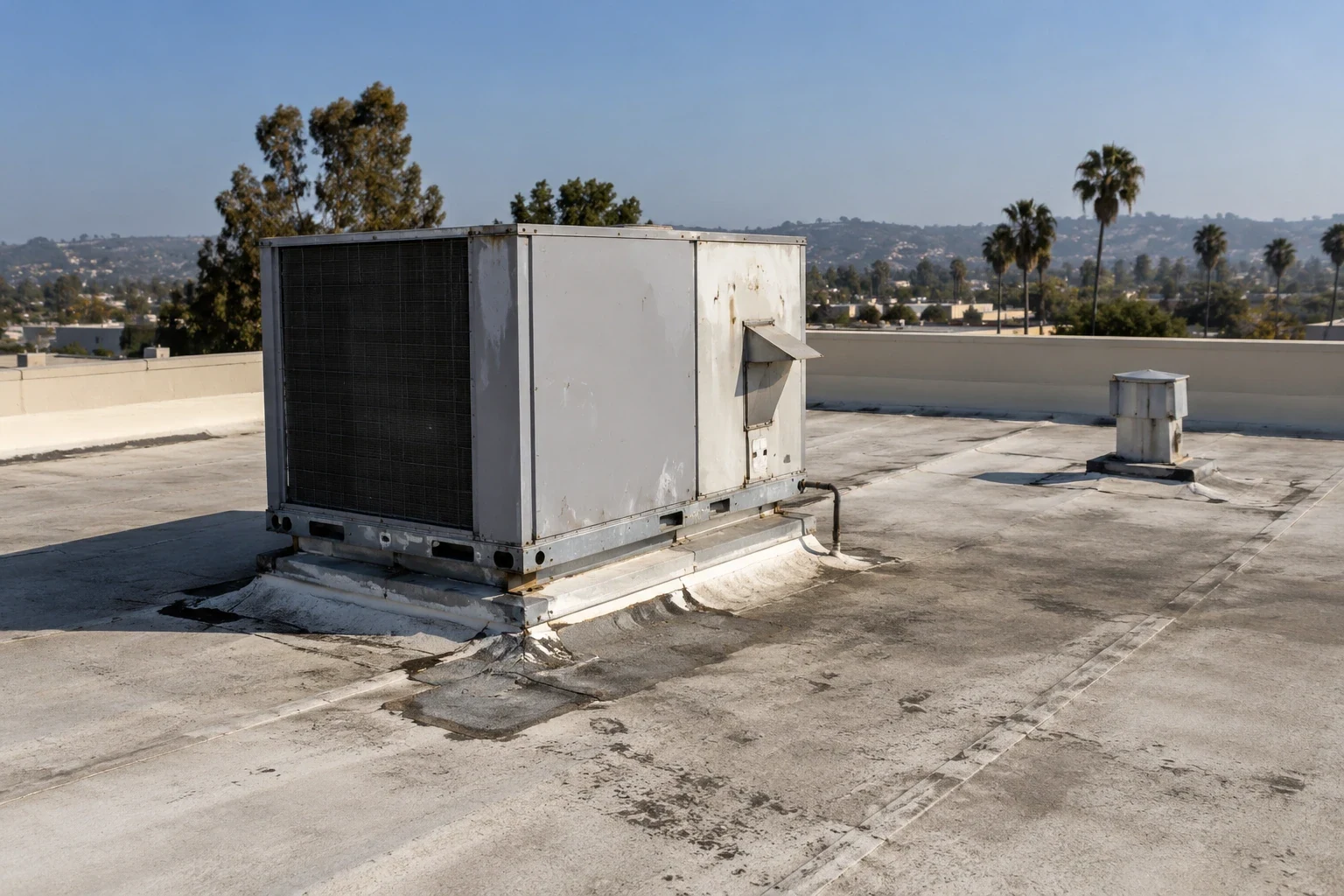
We handle rooftop equipment curb and support work in Glendale, CA alongside your mechanical, electrical and structural contractors. We check the existing curbs and roof, measure what the new equipment needs, and build and flash the curb so it stays watertight. The engineer sizes the support, the HVAC contractor handles the unit, and we make sure the roof around it is done right.

The proposed equipment

We need the submittal for the new unit before we measure anything: its footprint, weight, curb size and where the duct and gas connections land. A replacement unit from a different manufacturer often needs an adapter curb or a new curb altogether.

The mechanical contractor or engineer chooses the equipment and its support. We tell them what the roof is made of, how thick it is and where the drains and seams are. We do not decide whether the deck can carry the new weight; the structural engineer does.

For offices near Brand Boulevard, we ask the building manager about access routes, crane permits and any spaces below the work, such as server rooms or studios, that need extra protection or off-hours scheduling.

If the unit model changes after we price the job, we update the curb dimensions and the flashing before anything is ordered.
Rooftop Equipment Curbs and Supports in Glendale, CA

The existing supports

We look at the existing curbs and supports for rust, rot, loose fasteners and cracked flashing.

A roof inspection notes the condition of each curb, the membrane around it and any old patches. Different sections of the same building can have different roofs, so we check the area where the new equipment will sit, not just the area near the hatch.

Sagging deck, rusted joists or a unit that is much heavier than the old one call for a structural engineer. We point out what we see; the engineer confirms whether the framing can carry the new load or needs reinforcing.

Old curbs and pipe stands that look abandoned sometimes still carry live gas lines, conduit or condensate drains. We confirm with building engineering before removing anything, then close up each removed curb with new deck and roofing.

The roof elevation and connection

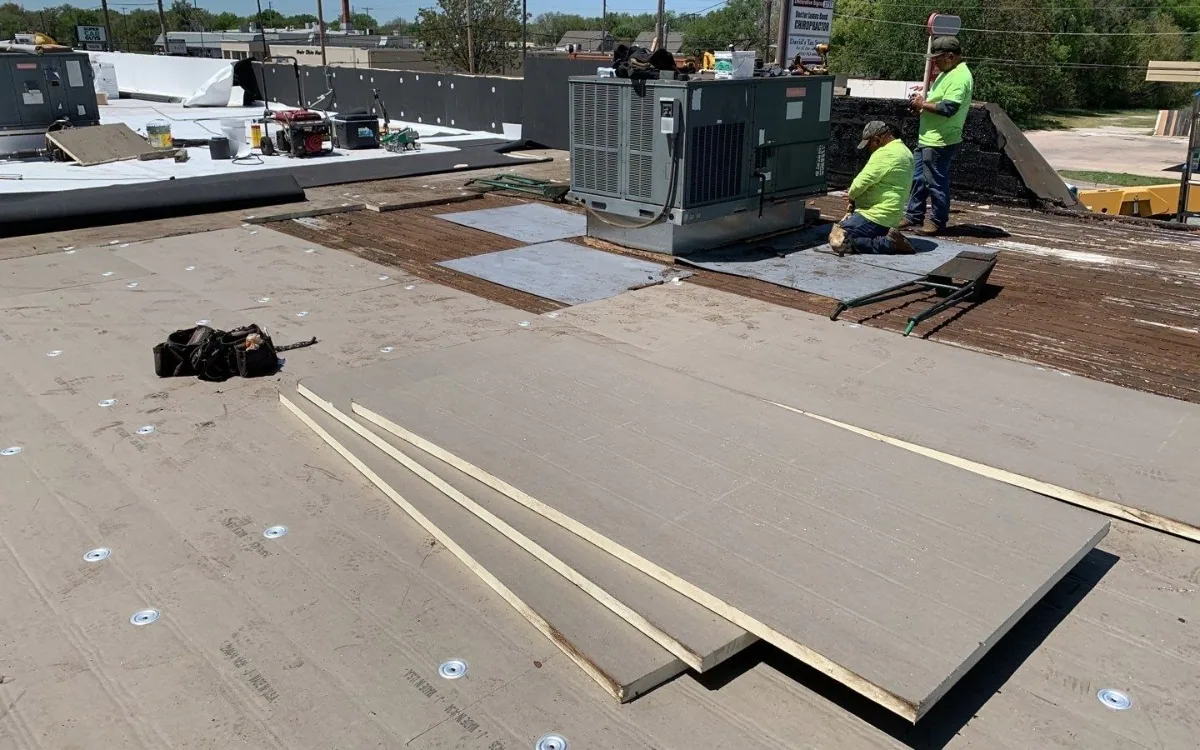
Flashing has to run high enough up the curb, usually at least 8 inches above the finished roof, to keep water out during heavy rain. We measure the curb height, the roof thickness around it and nearby wall flashing to make sure the new detail has enough room.

If the roof is being recovered or new insulation is going on, the roof gets thicker and an old curb can end up too short. We raise it to suit.

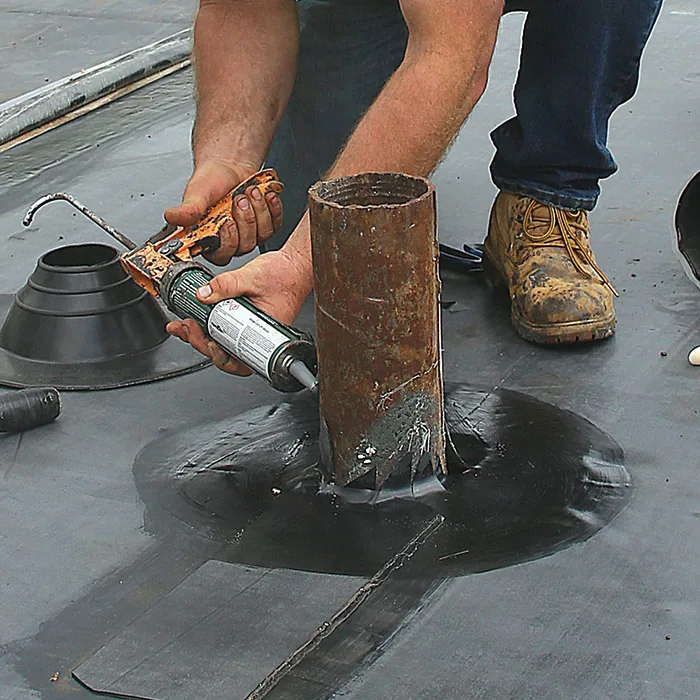
The curb flashing has to match the roof. On TPO or PVC we heat-weld the flashing; on EPDM we use the manufacturer's tape and adhesives; on built-up or modified bitumen we use compatible base and cap sheets. Our penetration flashing work follows the same rule.

We price the curb or support work and the roofing separately, but schedule them together. The owner can see exactly who is building the support, who is flashing it, and what each part costs.
Rooftop Equipment Curbs and Supports in Glendale, CA

The support arrangement

Equipment can sit on a full curb fastened to the deck, on pipe stands or rails, or on non-penetrating supports that rest on the roof. Non-penetrating supports avoid new holes, but they still add weight, can wear the membrane and can block water flow if placed badly.

Rails and stands need protection pads or a sacrificial membrane layer under them, and the engineer specifies how they are attached and braced for wind and seismic loads. We follow that design and record it with the installation.

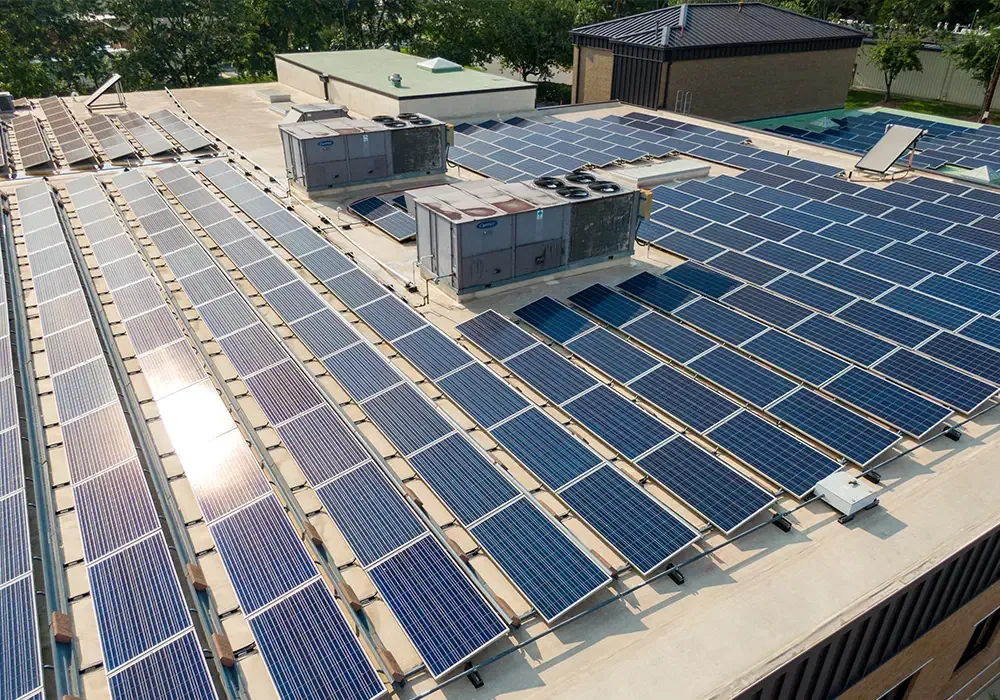
For solar arrays, the racking layout, conduit routes and attachment points all affect the roof. We review the layout early so attachments avoid seams and drains.

Technicians will keep walking to the units for years. Walkway pads along the service route and around each unit prevent most of the wear and punctures we see on Glendale roofs.

The trade sequence

A typical swap goes like this: the HVAC contractor disconnects and removes the old unit, we and the curb installer prepare the curb, the crane sets the new unit, and the trades reconnect it. Electrical and gas work must be done by licensed contractors, and we line up our dates around theirs.

Any time the curb is open, we put temporary cover over it and agree on who checks it each evening.

Shutting down air handlers and protecting air intakes from adhesive fumes is done through the building engineer's procedures. We do not tape over running intakes; we schedule odor-producing work for times when the units can be shut off.

On occupied buildings, a curb change can affect tenants below, from noise to temporary loss of cooling. We plan the work hours and interior protection with management so tenants know what to expect.

The Glendale site plan

Around the Glendale Galleria and West Broadway, crane lifts and deliveries usually need to happen before stores open or on set days. We get those rules from property management at the first site visit.

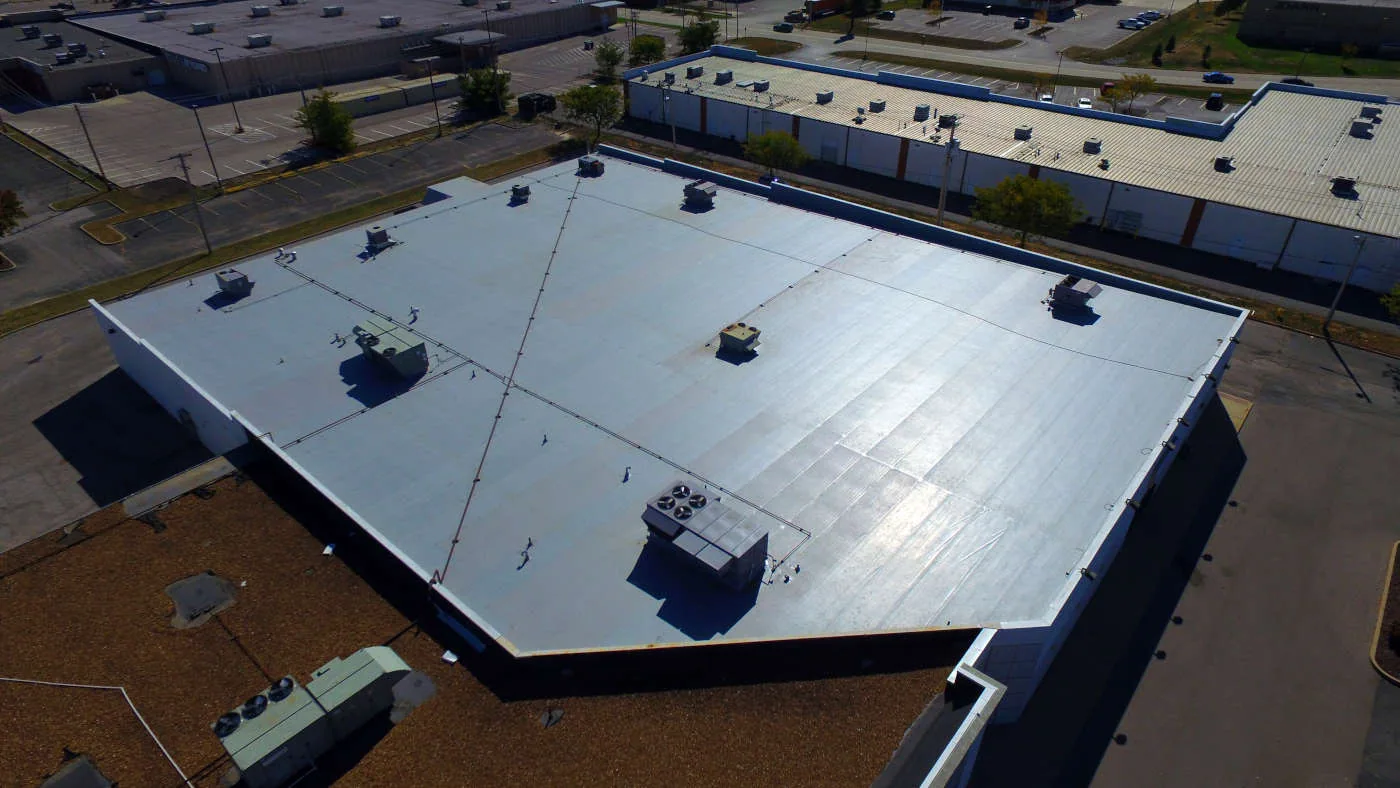
Industrial buildings along the San Fernando Road corridor often have yards and loading docks, but trucks and forklifts are moving all day. We plan the crane position and street access with the operator and, when needed, a city permit.

Glendale's hot, dry summers and rainy winters make most of the year workable, though midsummer roof temperatures push work to the morning. Santa Ana winds can halt crane lifts, so we build some slack into the schedule.

New equipment, heavier units and structural changes often require a building permit. We confirm with your engineer and contractor which permits apply and keep the approved drawings with the job file.
Rooftop Equipment Curbs and Supports in Glendale, CA

The owner cost and completion file

Our estimate separates the inspection, the curb or support work, the trade coordination and the roofing. Measured quantities and allowances are listed, so you can approve the work knowing what still depends on the engineer's review.

When old equipment comes off for good, we patch the deck and roof the opening properly instead of leaving a cap over a hole. That is part of our roof repair work and gets priced as such.

At closeout you receive photos of each curb before and after, the product details and a note of anything still open for the mechanical contractor, such as startup or a final inspection.

We add the new curb locations and details to your roof condition report. The next time equipment changes, the facility manager knows what is installed and where.

The roofer needs a settled equipment footprint before the curb detail can be priced. Mechanical and structural reviewers establish dimensions, support and service clearance; we match the roof connection to that accepted information. A unit that shifts after the membrane is laid can block a drain, crowd another curb or require a new flashing transition. Agree who installs the support, who closes the roof and who inspects the completed connection before the equipment is set. Glendale's summer heat can affect how the work is sequenced, so protect finished seams from follow-on traffic. Keep final curb locations and photos in the facility file for the next replacement.

New equipment above Downtown Glendale retail or offices needs its own curb and service route; San Fernando Road industrial projects may have other support constraints. We confirm the dimensions and who finishes the roofing at each building.

Talk through the equipment interface together

Send us the new unit's specs and any roof drawings you have. We will inspect the curbs, price the roof work and coordinate with your mechanical and electrical contractors.

Related Roofing Pages

Other services, systems and conditions Glendale owners often review alongside this one.
roof assessment
Commercial Roof Inspection

Scope, conditions and planning details for Glendale commercial buildings.

insulation and board heights
Roof Insulation and Cover Board

Scope, conditions and planning details for Glendale commercial buildings.

compatible penetration flashing
Skylight and Penetration Flashing

Scope, conditions and planning details for Glendale commercial buildings.

planned solar equipment
Solar-Ready Commercial Roofing

Scope, conditions and planning details for Glendale commercial buildings.

Questions About Rooftop Equipment Curbs and Supports

Sometimes. It depends on the new unit's size and weight and the curb's condition. If the footprint differs, an adapter curb or new curb is needed, and if the unit is heavier, a structural engineer should confirm the support. We flash whatever curb is approved.

It avoids new holes, but not every issue. The supports still add weight, can wear the membrane and can block drainage. We put protection pads underneath and place them clear of drains and water paths.

The building engineer and the mechanical contractor. They set the shutdown times and procedures, and our crew schedules the roofing around them.

The equipment layout, curb and flashing details, photos, product information and any open items. Keeping these in the facility file makes the next equipment change or repair much easier.

ServicesRoof SystemsProperty TypesIndustriesService AreasDamage RepairCapabilitiesManufacturersAboutRequest a Roof Assessment555-555-5555
Call555-555-5555