Kitchen Exhaust and Curb Flashing
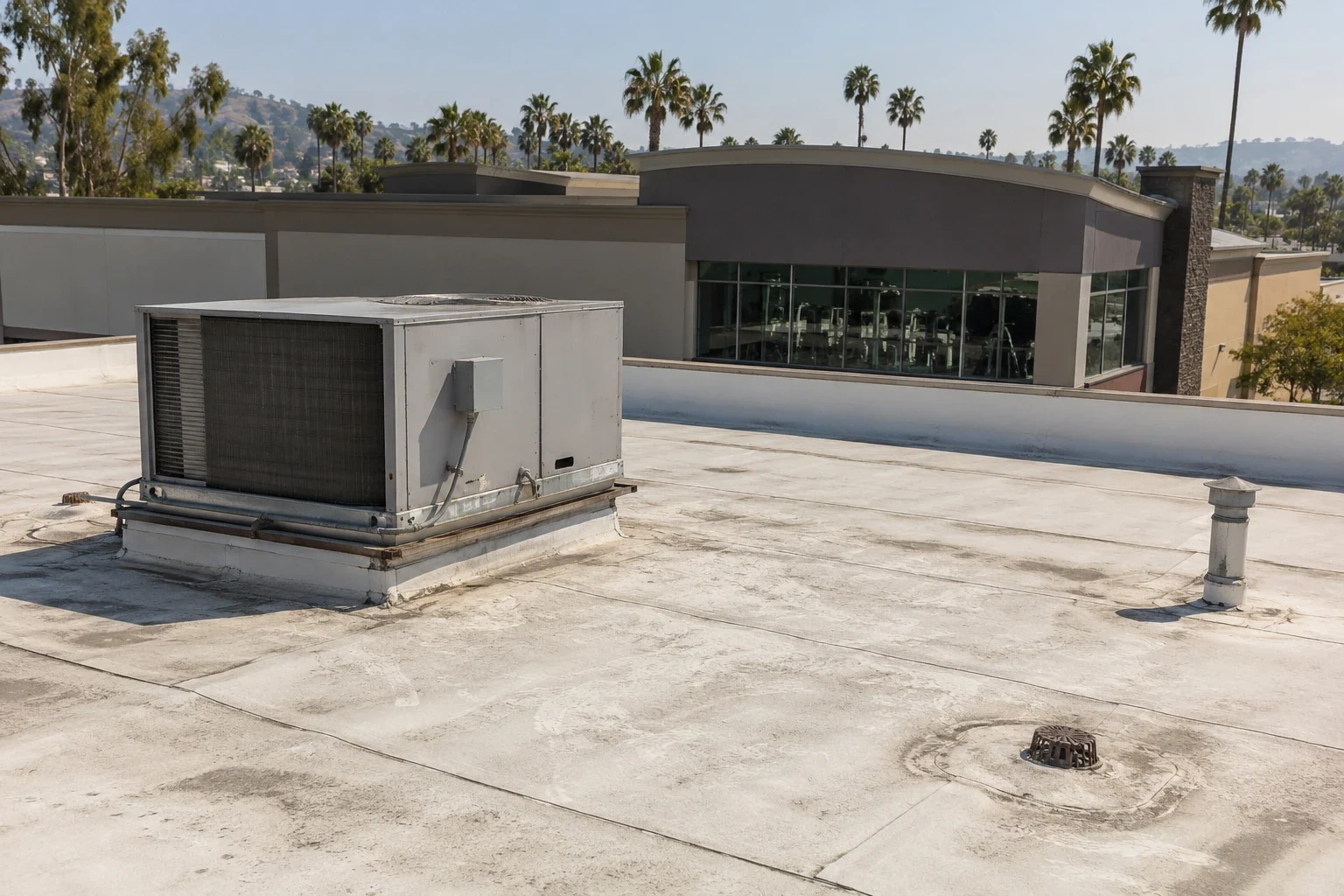
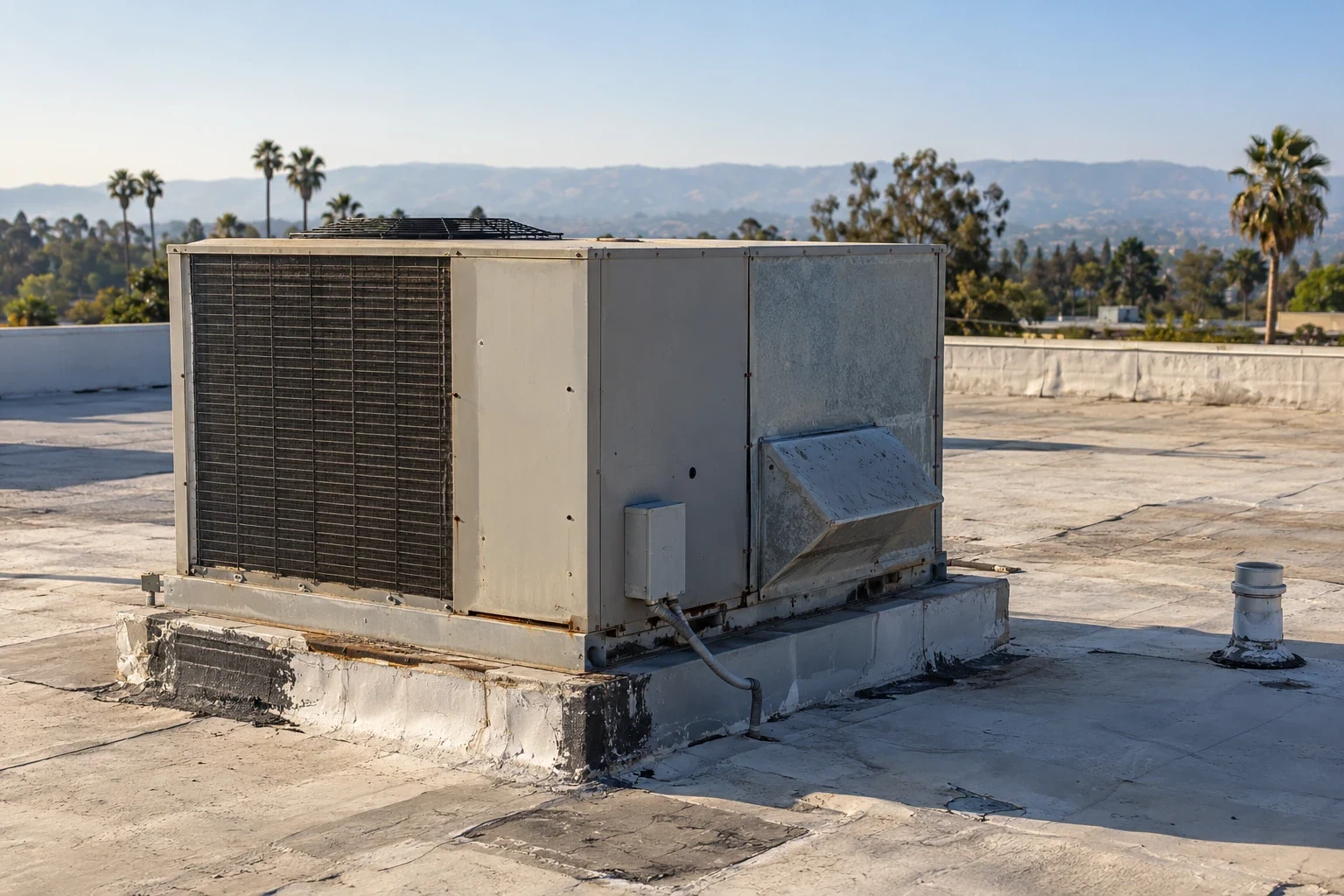
Replacing an exhaust fan or makeup air unit means comparing its size with the curb and roof around it. We get the layout, support and service clearance before setting the flashing detail, and measure the finished roof height and room available. The hood contractor and engineer handle their requirements; we spell out what the curb needs.
Our rooftop equipment curb and support work includes the curb flashing and any related repairs. A curb or support repair can delay our final flashing, so we protect the opening in the meantime. Delivering a fan is only one step toward a finished, watertight curb.
Restarting the exhaust is scheduled with the restaurant, which approves any shutdown. We note which work must be done before we close the roof. A delivered unit is not ready just because it is on site, and the manager can review the combined schedule first.
Protecting the Kitchen and Dining Room
The operator tells us about food prep, storage and dining areas near the work. We propose where tear-off, materials and debris will go, and controls are matched to what happens below. The kitchen and the dining room may need different approvals, and each phase keeps its boundaries through prep and repair.
When reroofing an occupied building, we stay in contact with the manager responsible for the restaurant's schedule. Closing early or working before opening needs approval first. We price the handling the approved plan needs, and HVAC or hood work may extend protection around a curb.
Odors near makeup air intakes need the HVAC contractor's review. We tell them which products we will use and where, and they choose how to protect the system and who restarts it. The roof plan shows what is still needed before the permanent flashing can go on.
Scheduling, Changes and the Owner's File
Glendale's hot, dry summer and cooler rainy season help plan the first phase, but the roof surface decides when we apply material. We check how the roof will be protected if hood or HVAC work delays close-up, and the restaurant's approved schedule and a ready roof need to line up before we prep more area.
If we find more damage, we record where it is and propose a fix, explain the added cost and any change to food-area protection, and get approval before expanding the work.
Restaurant staff can reach us on weekends, holidays and overnight. Tell us where the leak is and who can let us in. What we can do right away depends on crew availability, permission and safe conditions. We document temporary work and the permanent fix still needed. Completion photos locate finished details, and the product record lists what was installed, with approved changes and any open exhaust or wall item assigned for follow-up.
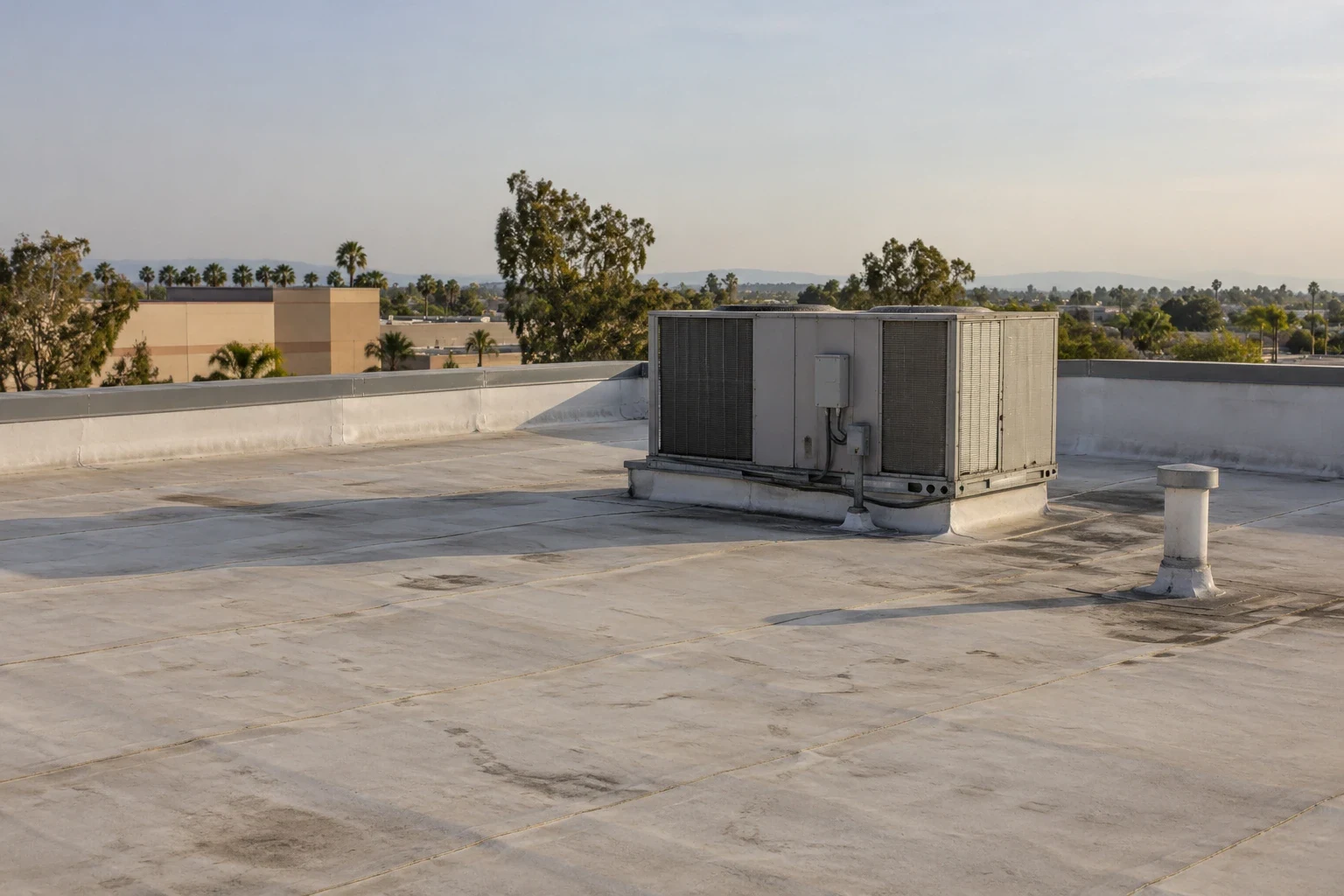
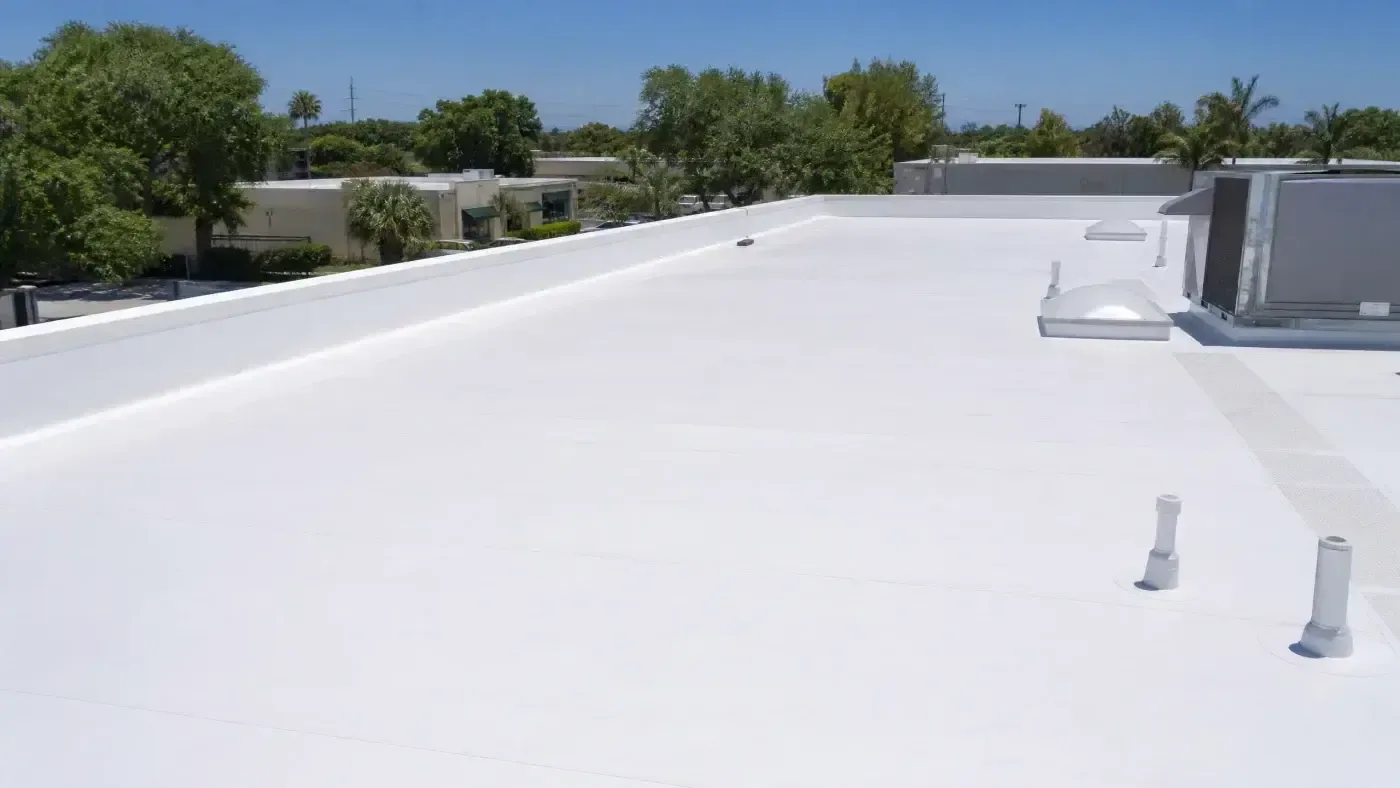
Restaurant roof work needs a plan for exhaust, make-up air and the hours when the kitchen must keep running. We inspect the membrane around hoods and curbs, then identify whether grease or service traffic affects preparation. A new fan or exhaust extension should not be set before support and flashing responsibility are clear. We coordinate cleaning, staging and temporary protection with the operator so rooftop work does not create an avoidable interior problem. Glendale's hot season makes equipment and material handling part of the schedule. At closeout, we label treated areas and details excluded from the scope; the next equipment vendor can then work around the roof system already in place.
Talk Through Your Restaurant Roof
Schedule a roof inspection. We will explain the repair, the full cost and how we will work around your kitchen and service hours.
Related Roofing Pages
Other services, systems and conditions Glendale owners often review alongside this one.

Questions About Restaurant Roofing
The new fan or unit layout and support requirements, a curb tall enough for proper flashing, and temporary protection until the hood contractor's work is done.
We identify the membrane and how much grease has affected it, clean and prep to suit the product, and replace material that can no longer hold a repair.
The operator tells us about food prep and storage areas and approves the protection plan. We propose where materials and debris go, and some areas may need separate approval.
Check that each includes prep, insulation, curb and drain adjustments, and food-area protection, and states what is torn off and what stays.
Installed products, photos of finished details and approved changes, plus any open exhaust or wall items, so later maintenance starts from an accurate record.