Get Answers Fast

Send the Building Details

Request an
Assessment

Call Our Team

555-555-5555
Request an
Assessment
555-555-5555

Skylight and Penetration Flashing

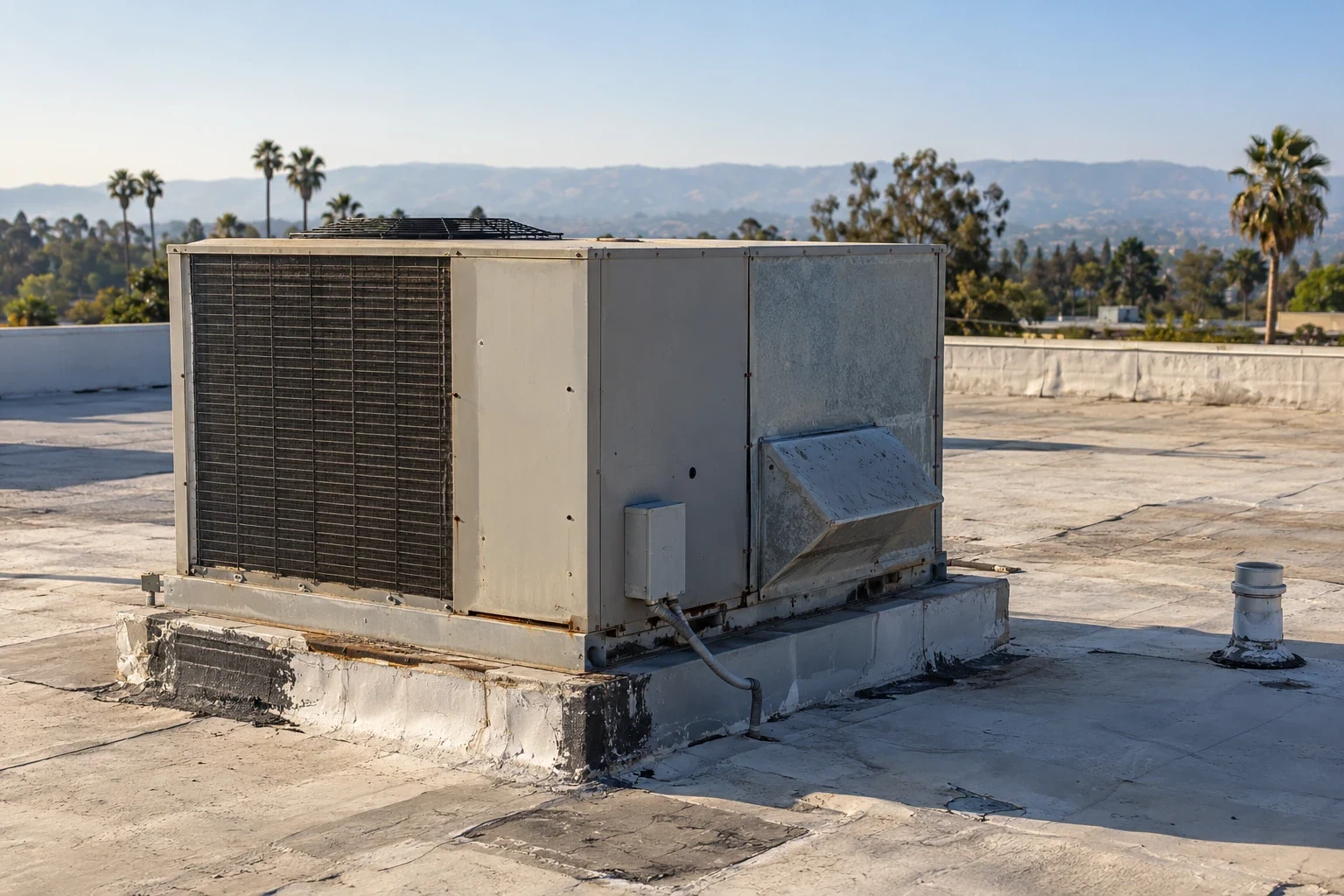
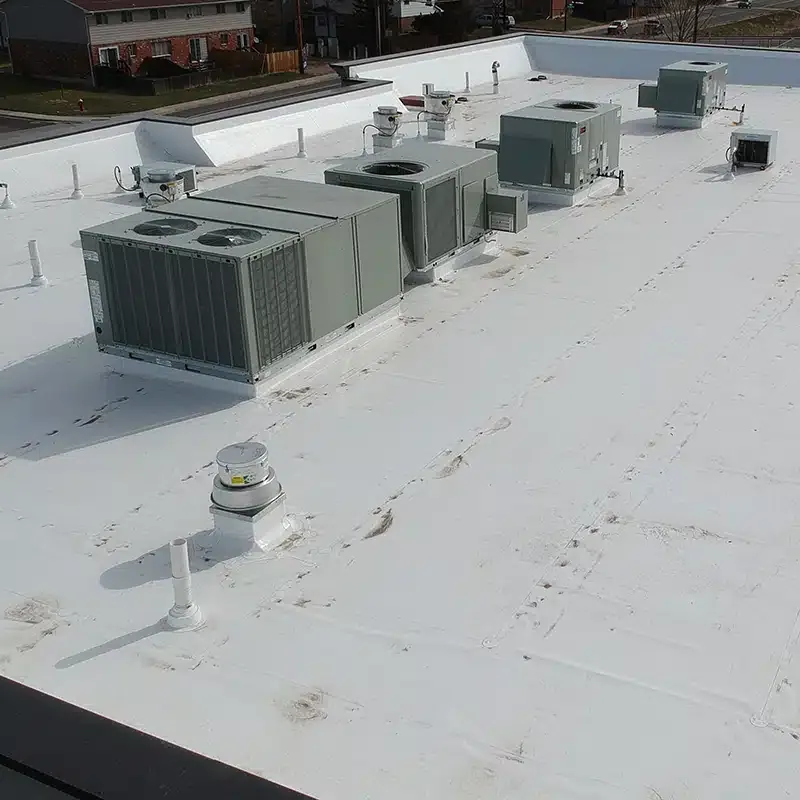
A creative office adding rooftop equipment usually needs new holes cut through the roof for ducts, pipes or conduit. Those openings should be planned before anyone picks up a saw. When the support, the equipment and the flashing are worked out together, the flashing gets built for the real component instead of a guess.

We handle skylight and penetration flashing in Glendale, CA on all common commercial roof types. We find where the water is actually getting in, measure the curb or pipe and the roof around it, and flash it with materials that bond to your existing membrane. When the skylight glazing or the equipment itself is part of the problem, we say so and coordinate with that trade.

The reported source

Water dripping near a skylight does not always mean the skylight is leaking. It can come through the glazing seals, the frame, the curb flashing or a split in the roof several feet away. We compare what you see inside with what we find on the roof before blaming any one part.

Our leak repair work starts with a close look at the roof, and sometimes a controlled water test. Water testing in an occupied building needs someone watching inside and permission from the building manager, so we plan it in advance.

We report what we saw separately from what we think caused it. If the cause is a cracked skylight lens or a leaking unit cabinet, we tell you and bring in the right trade. Patching the roof next to a leaking skylight will not stop the drip.

When we cannot reach part of the detail, such as under a unit that has to be lifted, we say so in the report. You will know what is confirmed and what still needs a closer look before the permanent fix is priced.
Skylight and Penetration Flashing in Glendale, CA

The dimensions and clearances

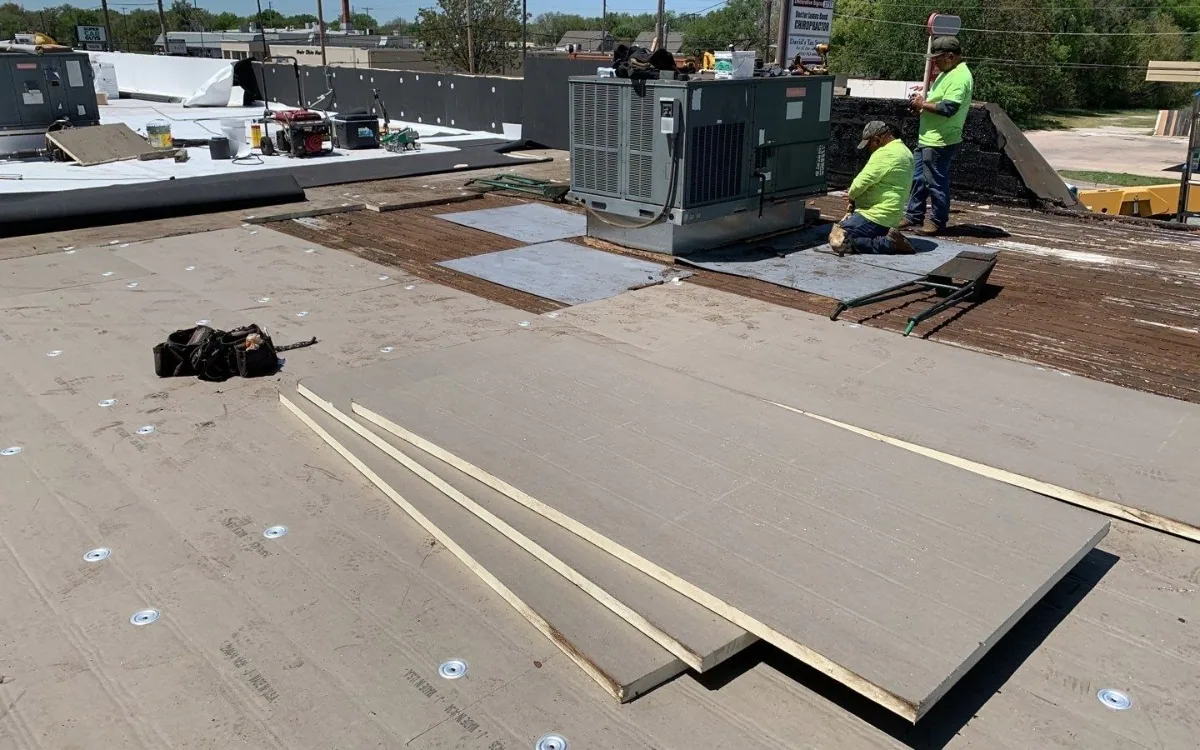
We measure the curb height, the flashing height and the roof thickness around each skylight and penetration. A recover or new insulation raises the roof and can leave an old curb too short, so we check that before materials are ordered.

Where we can, we check the wood nailers, curb framing and deck around the opening. Soft wood or rusted metal gets replaced. If the deck or framing looks structurally questionable, we ask an engineer to take a look.

New equipment often needs new or raised curbs. We confirm with the mechanical contractor who supplies the curb and who disconnects the unit, then build the flashing to match.

Not every curb needs to be rebuilt. Some just need new flashing; others need to be raised or replaced. We list each one with the work it needs, instead of a single allowance for all of them.

The compatible materials

We start by identifying the roof membrane and what condition its surface is in. Flashing materials have to bond to that specific roof.

TPO and PVC flashings are heat-welded. EPDM uses the manufacturer's primer, tape and adhesives. Built-up and modified bitumen roofs get compatible base and cap sheets.

Good flashing repair covers the corners, the top termination and any spot where the roof moves. Extra caulk is not a repair; it buys a season at best. We replace the failed flashing and seal the top edge properly.

Old roofs can be chalky, weathered or covered in residue that keeps new material from sticking. In those cases we clean and prime, and sometimes do a small test patch first to confirm the bond.
Skylight and Penetration Flashing in Glendale, CA

The skylight product and opening

The roofer handles the flashing around the skylight curb. The glazing, frame seals and the skylight unit itself belong to the skylight installer or manufacturer. When a skylight is being replaced, we confirm its exact dimensions and how it attaches before we build the flashing.

Most skylights cannot support a person's weight. We set up fall protection, screens or guardrails around open skylights before work begins, as required.

Removing a skylight or curb can let dust and debris fall inside. We arrange interior protection with the building manager, and any electrical or structural work around the opening is done by the right licensed trade.

Our closeout notes spell out where our work ends. A finished flashing detail does not mean the skylight glazing or the equipment has been checked or approved; those items are listed separately.

The new penetration sequence

Before cutting a new opening, we get the final equipment layout and support design. Ducts, pipes and conduit each need a different flashing method, from curbs to pipe boots to pitch pans.

New insulation can change the roof height at the opening. We confirm the finished height so the curb or pipe boot is the right size, and so water still drains away from it.

Each time the opening passes between trades, someone is responsible for keeping it covered. We agree on who that is, and who can approve a change in location, before work starts.

Shutting down equipment near the opening is done by the building engineer or mechanical contractor under their procedures. We schedule around those shutdowns instead of covering running air intakes.

The Glendale site arrangements

For buildings near the Glendale Galleria, we confirm tenant hours and delivery rules with management. Every building around West Broadway has its own roof and its own work windows, so we learn them at the first visit.

Industrial buildings along San Fernando Road usually have their own truck routes and roof access. We work out with the facility contact where materials go and how we reach the roof without slowing operations.

Glendale's winter rains are when skylight leaks show up most, and its hot, dry summers are the easiest time to do the work. Even so, we check the forecast and the roof surface each day, since adhesives and sealants need a dry, clean surface.

Some spaces below need extra care, such as food areas, clean rooms or offices that need quiet. We plan around those and keep other trades informed while a detail is still open.
Skylight and Penetration Flashing in Glendale, CA

The owner acceptance record

Our estimate lists the inspection, any curb or deck repairs, the flashing work and anything the skylight or mechanical trade has to do. Quantities and allowances are shown so you can see the full job.

We take photos before, during and after, tied to locations on a roof plan. Any changes to the curb or roof are recorded.

Keep the warranty paperwork for the roof and any skylights. Most roof warranties require notice before anyone cuts a new opening, and some require the original roofer or a certified contractor to flash it.

We add each skylight and penetration to your maintenance plan, so seasonal inspections check them and record changes. Over time that gives you a real history for each opening, not just an old invoice.

A skylight curb and a new mechanical penetration create different roof details, even when they sit close together. We identify the existing membrane, curb material, fasteners and nearby water path before selecting a repair. If another trade is changing the opening, agree on support and final flashing responsibility before the curb moves. Temporary cover needs to keep the interior protected until the permanent transition is complete. Retired openings also need roof closure, not just an interior cap. Photos should show the substrate, the completed connection and enough surrounding roof to find it later. The owner then has a useful record when glass, equipment or adjacent construction is replaced.

A skylight repair in Downtown Glendale can sit above occupied retail or office space; a San Fernando Road industrial opening may affect a work area below. We protect the room under the work and document each roof connection.

Look at the connection before pricing the flashing

Send us leak reports, photos or plans for new equipment. We will inspect the openings, find the source and give you a clear price for the flashing and any related work.

Related Roofing Pages

Other services, systems and conditions Glendale owners often review alongside this one.
leak investigation
Commercial Roof Leak Repair

Scope, conditions and planning details for Glendale commercial buildings.

curb and support work
Rooftop Equipment Curbs and Supports

Scope, conditions and planning details for Glendale commercial buildings.

flashing correction
Commercial Roof Flashing Repair

Scope, conditions and planning details for Glendale commercial buildings.

finished insulation elevations
Roof Insulation and Cover Board

Scope, conditions and planning details for Glendale commercial buildings.

Questions About Skylight and Penetration Flashing

Not necessarily. The water may be coming through the glazing, the frame, the curb flashing or the roof nearby. We inspect all of those before recommending a fix.

No. We measure each curb against the new roof height. Curbs with enough flashing height stay as they are; the rest are raised or rebuilt, and the estimate lists each one.

The equipment layout and support design should be final, the trades should agree on who covers the opening between steps, and the building manager should approve the timing. Check your roof warranty too, since many require notice.

Use the same roof plan and location labels, note what was changed and have the flashing inspected afterward. That keeps the roof history accurate and helps protect the warranty.

ServicesRoof SystemsProperty TypesIndustriesService AreasDamage RepairCapabilitiesManufacturersAboutRequest a Roof Assessment555-555-5555
Call555-555-5555