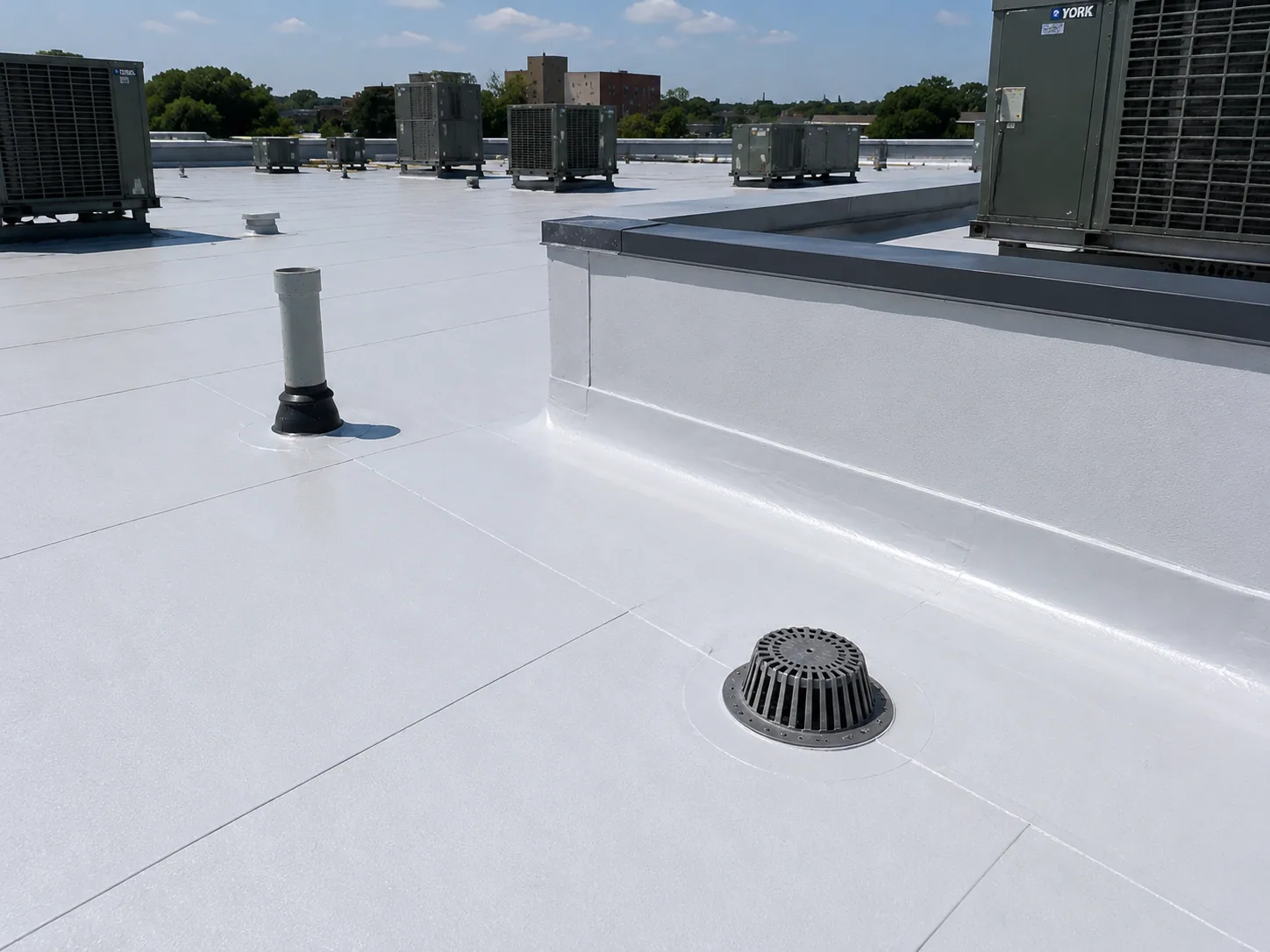
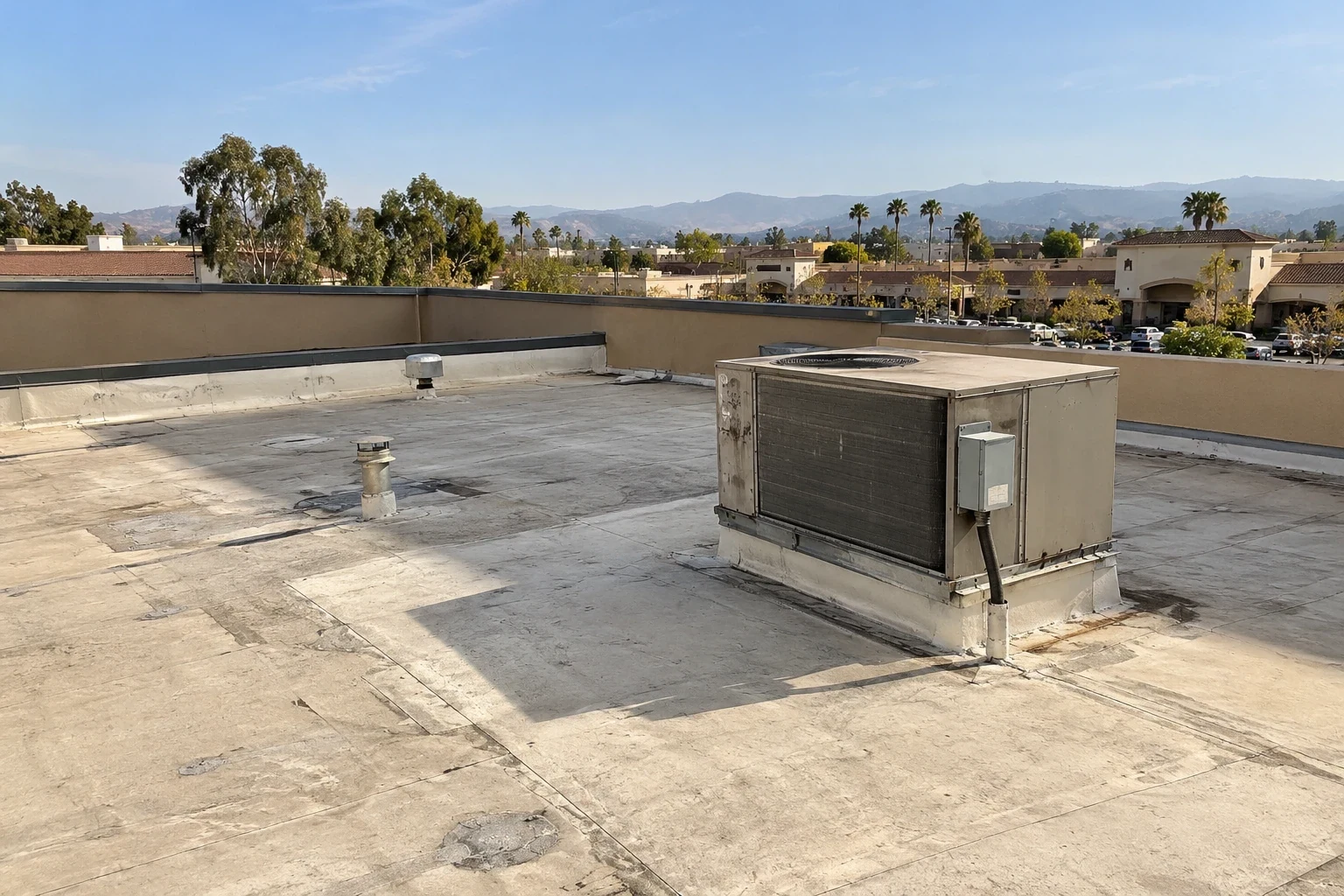
Owners of leased commercial buildings in Los Feliz want roof spending tied to a fix they can point to. We look at the problem detail, the roof it sits in and how tenants use the building around it. The recommendation describes a repair you can find on the roof, prepare for and approve. If something under the membrane is still uncertain, we suggest a specific test first, so that guess does not end up as a quantity in a larger project.
Vermont and Hillhurst Avenues are the heart of Los Feliz Village, with Griffith Park to the north. We serve the neighborhood from Glendale, CA. Management confirms how we get in and which roof area needs inspecting. The way the roof is built and how the building is used shape our proposal, including any reviews needed for HVAC or other systems the work touches.
A manager's leak report is most useful when it includes when it happened, which room and anything that changed recently. We also note equipment operation and earlier repairs. During a commercial roof inspection, we follow that information across the roof using recognizable landmarks. A ceiling stain gives us a starting point. We trace the water path and inspect the details before blaming a particular membrane split or another building system.
We pay close attention to places where materials change or where the building moves. A wall flashing, curb or roof edge can need more prep than a photo of its visible damage suggests. We figure out how much sound roofing the repair needs to tie into. Our photos show the surrounding area and old patches, with clear location notes, so the owner can discuss the whole detail rather than a single close-up.
Drawings and maintenance records help organize our questions, as long as we check them against what is installed. When we recommend more testing, it is to answer a specific question. That might mean opening a flashing, doing a water test or having the HVAC contractor on site. We explain the question, what it takes and what we expect to learn, so the extra step is a clear task and not an open-ended allowance.
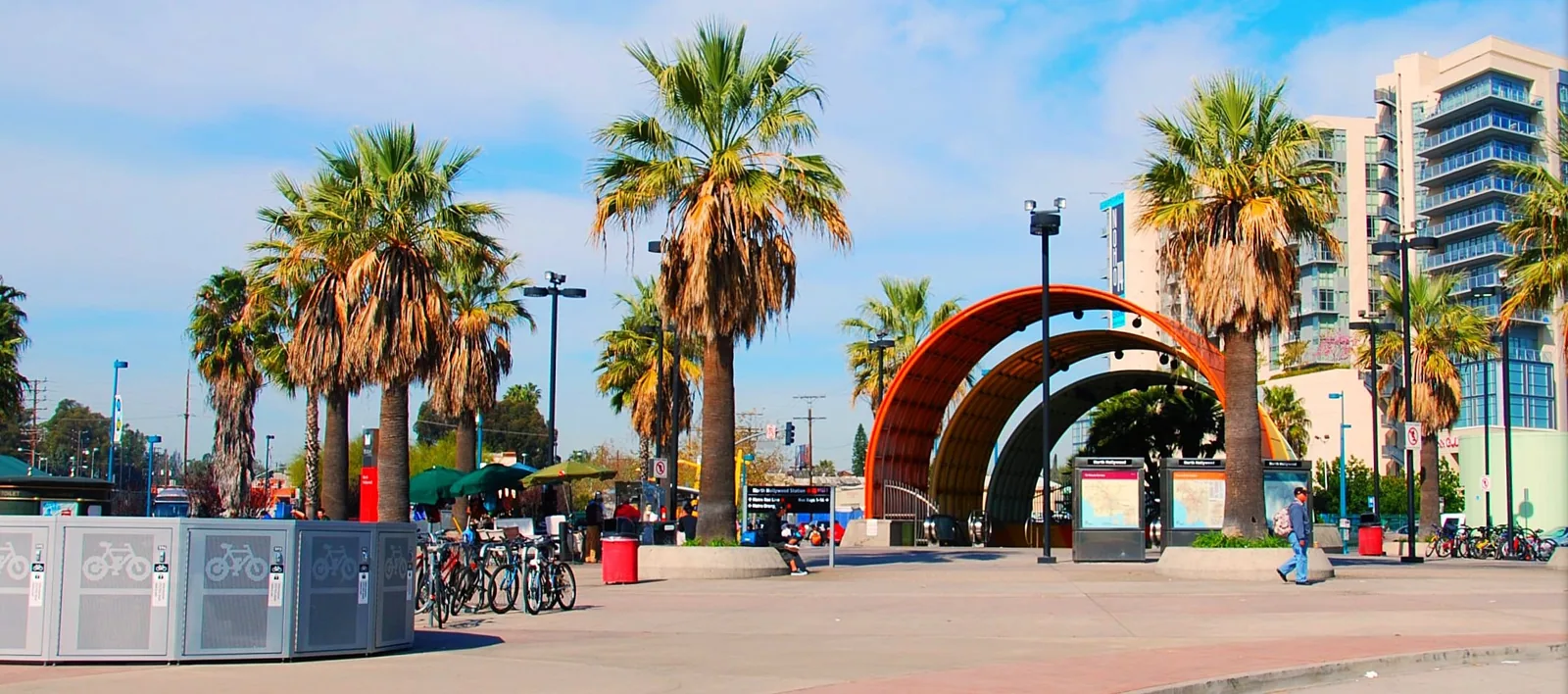
For commercial roof leak repair, the fix has to reach sound roofing all the way around the detail. Sometimes that means a bigger repair than the visible damage, and we explain why and how much. A coating proposal needs an inspected base and the prep the product requires. We compare options against the same problem, including the flashing work and any testing each one needs.
Core samples show the layers and their condition where we cut. We record what we find and patch each spot properly. Keeping a large area in place requires enough testing across it. When the roof type and weather are right, an infrared scan can help guide testing. We read the scan with sun, shade and equipment in mind, and cores confirm the conditions the proposal relies on.
For a roof-over, we check the existing roof's condition, fastening and support, along with all the new flashing details. Replacement comes into play when keeping the existing roof will not work. We explain why each option is still on the table. More testing can change the price or rule an option out, and the owner hears about that before paying for a bigger job based on a single spot finding.
For retail buildings, shopping center roofing is planned around what is happening under each section of roof. We ask management which rooms, merchandise and customer areas are affected. We set work hours and the check-in process. Your facility team reviews our materials and methods, and HVAC contractors handle equipment shutdown and protection. Our roof protection follows the plan the building approves.
Getting materials on and off the site is its own cost. We walk the delivery, storage and debris routes with the operator, checking for conflicts with vehicles and emergency access. Limited staging can mean smaller deliveries, extra handling or a different storage setup. We list those tasks next to the roofing quantities. That way bids can be compared on the full job, not just the size of the patch.
Before tear-off, we check that materials are on site, the deck prep is ready and we can protect the building. The plan may change if a detail grows or the allowed work hours change. We explain any change in handling or work before asking for approval. If we find hidden damage, we mark it on the roof. The revised price stays tied to what we found and what needs fixing before the new roof covers it.
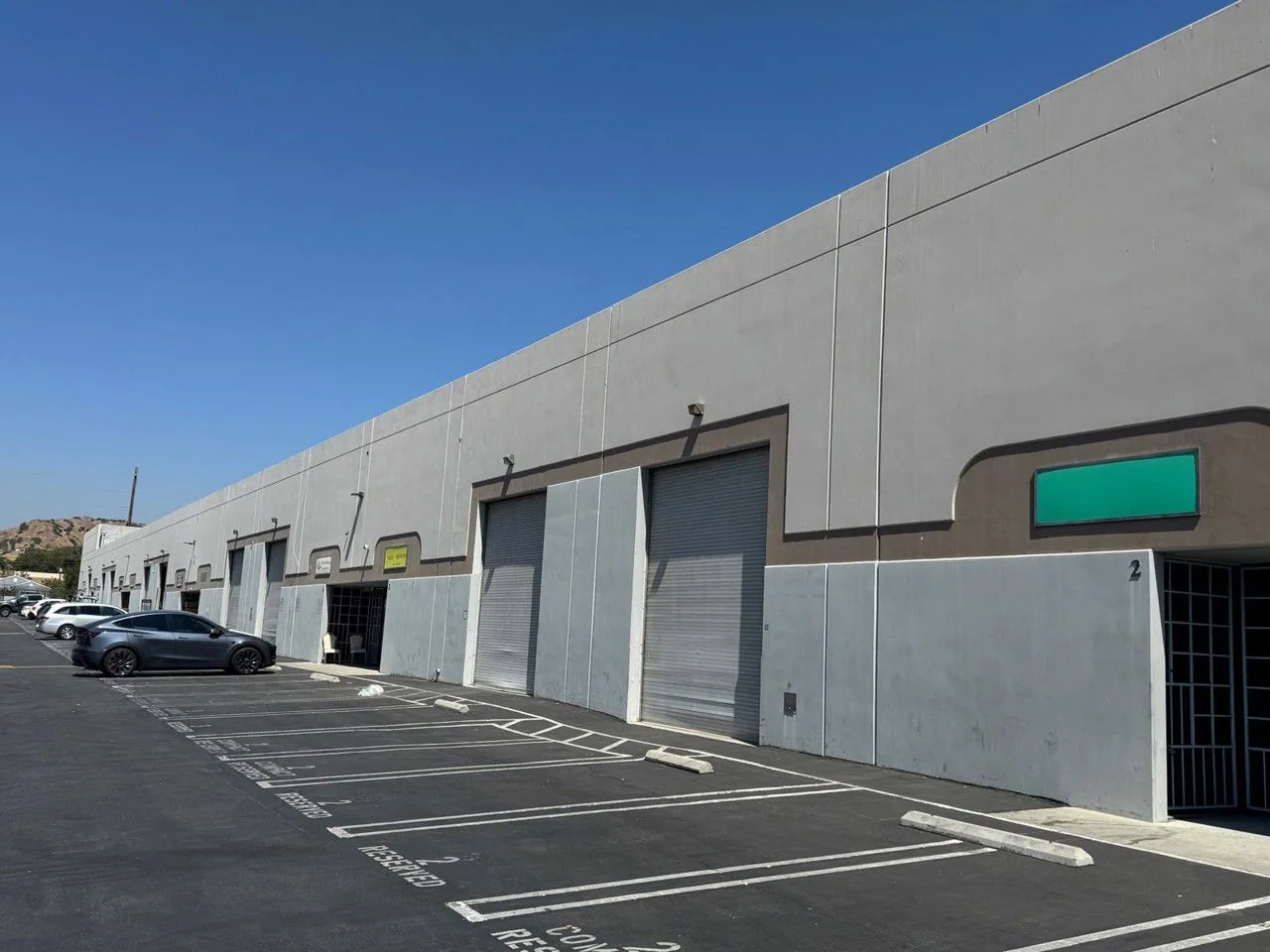
The mechanical contractor and engineer provide equipment sizes and support requirements. Our roofing scope uses those details to build the insulation and flashing around each curb. We confirm what other trades need to finish first. When an old unit is removed, the opening may need new deck and insulation. We assign that work and check it before the finished roof hides it.
To understand a drainage problem, we look at each drain and the way water moves across the roof. Clearing debris handles many problems. When water keeps standing, we check slope and the layers underneath, along with structural and plumbing needs. Where the water should go is settled with the plumber before we change a drain or the slope. The estimate includes the drain flashing and any related roof work.
Some leaks call for a look at HVAC or walls along with the roof. We consider condensation when actual temperature and humidity point to it. We note which tests ruled out which causes, and leave any open question with the right trade. Our repair recommendation names the roof problem we can fix. That keeps clear what was observed and what is still only a theory.
The Glendale area has dry, hot summers and gets most of its rain in the cooler months. At a Los Feliz building, we check the actual weather and roof surface against the products we plan to use. Santa Ana winds are a reason to inspect edges carefully, but fastening design comes from the roof system and project review. Permits go through the City of Los Angeles, and we confirm what your project needs before ordering materials.
A property in Hollywood or Atwater Village has its own contact, access and findings. For an urgent leak in Los Feliz, management handles tenants while we confirm safe access and the help available. Any temporary patch is noted by purpose and location. We also state what testing or permanent repair remains, so a quick fix does not get lost in the final scope.
Our finished roof condition reports are built for the owner's next decision. Dated photos show the prep work before it was covered and the finished detail afterward. Any change in quantity comes with the reason and the approval. Outstanding maintenance or other trades' work is listed with a contact and next step, so management can connect spending to the work installed and find the same detail again later.
Tell us about your Los Feliz property and the leak or roof problem. We will inspect it and explain the repair, coordination and approvals needed.
Other services, systems and conditions Glendale owners often review alongside this one.
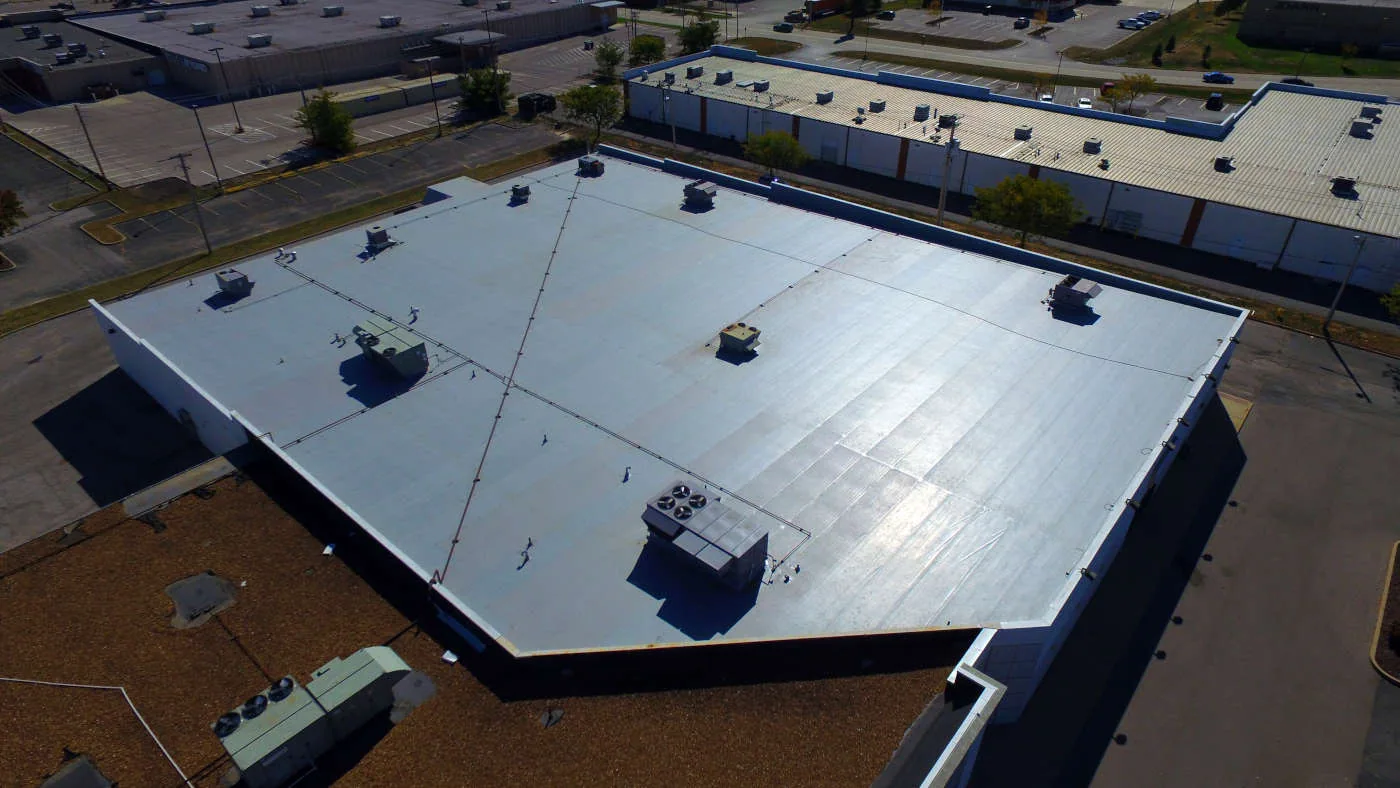
Scope, conditions and planning details for Glendale commercial buildings.
When and where the leak showed up and any recent HVAC or roof work. Clear access arrangements also help the visit go smoothly.
Keeping or tearing off a large area has to be backed by samples across that area. One core only tells us about its own spot.
Occupied rooms, delivery routes and allowed work hours change handling and protection costs. We list them next to the roofing quantities.
The finished roof hides the deck and flashing work underneath. Dated photos show what was found and what the owner approved.