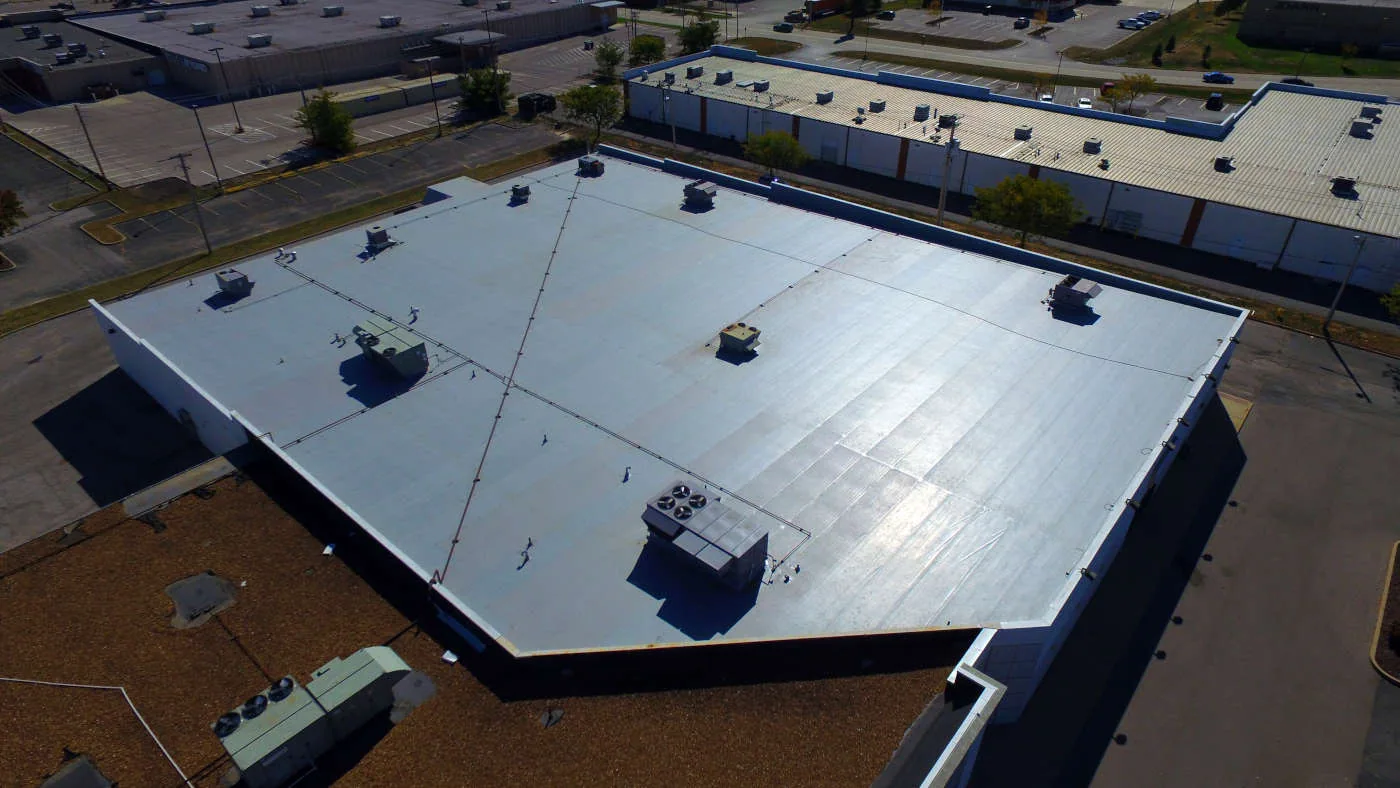
For a commercial building on York Boulevard, the big question is often whether to keep the existing roof and go over it, or tear it off and start fresh. In Highland Park, we inspect the area that needs work and the roof around it. The asset manager gets our findings, access needs and the work other trades must do, all in one place. That makes it easy to compare a larger project with a smaller targeted repair based on what each really involves.
York Boulevard and Figueroa Street are Highland Park's main commercial streets. When we come out from Glendale, CA, management confirms the roof area, how we get in and who our day-to-day contact is. We inspect the layers and flashing that are actually installed. If something hidden needs checking before we can price a bigger option, we explain why, so your approval rests on what we confirmed.
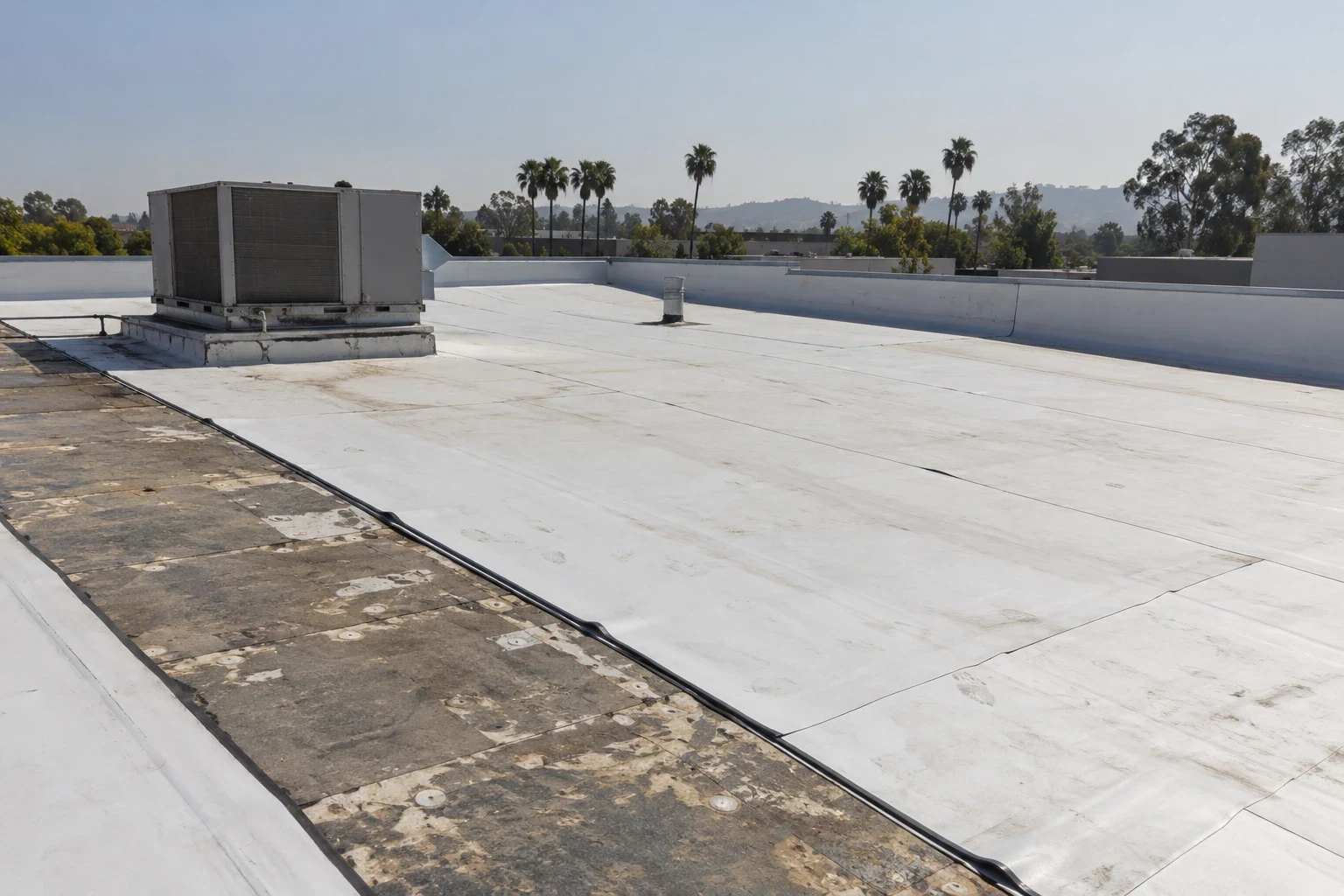
A roof-over takes more than a surface that looks okay. We check the existing layers for moisture, how well they are fastened and whether the structure can carry another layer. The new roof must suit what stays underneath and the walls and curbs around it. Wet insulation or loose fastening can change the plan. We spell out the testing and review needed before you commit to keeping the old roof.
With a roof recover or overlay, the price shows what stays in place and what it takes to prepare it for the new roof. Added insulation raises the roof, which affects wall flashing, drains and equipment curbs. Structural or mechanical questions get settled with the right engineer or contractor. We include the detail work in the option, so you are comparing complete jobs, not just square footage of membrane.
When keeping the existing roof will not work, we price a tear-off and new roof. A spot repair may still make sense if it can tie into sound roofing. Before suggesting a coating, we check the surface and the prep it needs. Every option is compared against the same confirmed problem, with flashing work and tenant logistics included. You can see what each option delivers and why it costs what it does.

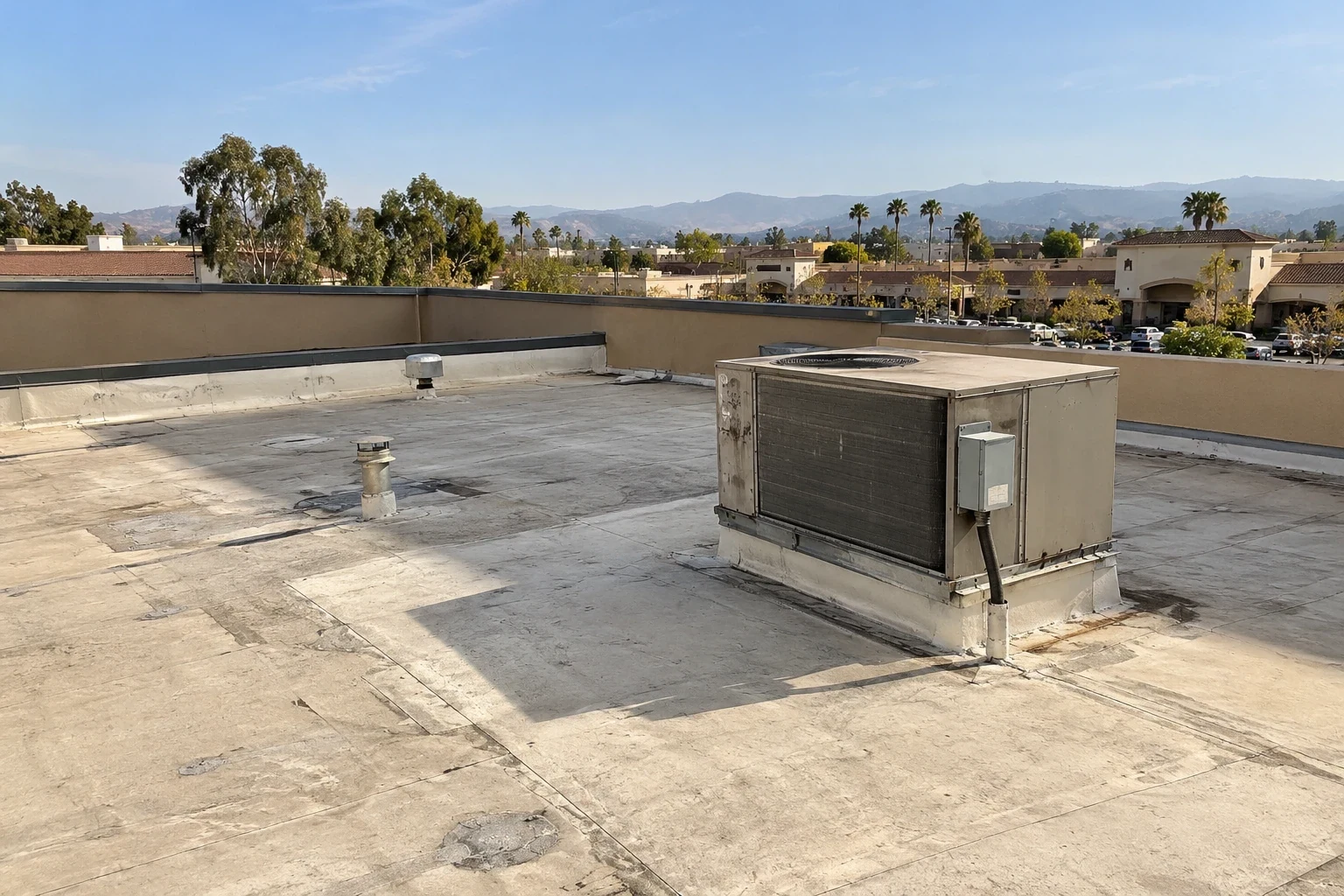
Old patches and changes in material show us where to look closer. We note the surrounding membrane and details, with enough context to find them again, and compare any drawings with what is installed. If a hidden question could affect whether the roof can be kept, we plan a test to answer it. You get the next step and its purpose before any unknown layer becomes part of a bigger purchase.
Our commercial roof inspection uses core cuts or small openings matched to the question. A core shows the layers and condition at that spot. We photograph it and patch it properly. Keeping or tearing off a large area needs enough testing to support it. If a hidden condition still matters, we list the extra check before anything is ordered.
Infrared scanning can help pick test spots when the roof type and weather are right. Different materials, shade and HVAC units can affect the readings. We interpret the results and confirm with cores. The report separates what the scan suggested from what we confirmed. The scan helps us decide where to look, but the size of the job comes from evidence that matches the option you are considering.
Management tells us what is happening in the rooms below, what is stored there and when work is allowed. We agree on access and hours, and your facility team reviews our products and methods. HVAC contractors handle shutting down and protecting equipment. Our roof protection follows that plan. If the work area gets bigger or a space's use changes, we coordinate again before that phase begins.
For storefronts, shopping center roofing includes planning where materials arrive, where they are stored and how debris leaves. We walk the routes with your contact and look for conflicts with shoppers, residents, cars and emergency exits. Tight storage can mean extra handling or more deliveries. We price that work and explain why it is needed beyond the roofing itself.
Materials and prep by other trades need to be ready for the planned work days. A short daily window can mean setting up more than once. If the work grows, we may open less roof at a time or change the plan. Any change in cost or disruption comes to you for approval with the revised scope. The plan covers what we can prepare, protect and finish each day.

When an HVAC unit is changing, the mechanical contractor and engineer give us its size and support requirements. We confirm there is enough clearance and build the insulation and flashing around their plan. Moving a unit may mean rebuilding the old opening too. We define the prep at both spots, assign it to the right trade and check it before the next layer covers it.
We check each drain and the water path before deciding what to do. Clearing debris may be all it takes. If water keeps ponding, we look at the slope, the existing layers and the structure. A plumber confirms where water goes and what supports are needed for a new drain. Any change to drains or slope follows that plan and is priced separately from routine cleaning.
For an interior leak, we get the location, timing and any history of equipment work. We inspect the roof details and HVAC sources above, knowing water can travel before it shows. Condensation is considered only when the building's conditions suggest it. We tell you the roof problem we found and how we will fix it. If a wall or HVAC issue remains, it goes to the right person with a clear follow-up.
The Glendale area has hot, dry summers and rain mostly in the cooler months. In Highland Park, we check the actual weather and the roof surface against the product's requirements. Santa Ana winds call for attention to exposed edges, while fastening design comes from the roof system and project review. Permits go through the City of Los Angeles, and we confirm what your project needs before ordering materials.
A building in Eagle Rock or Cypress Park gets its own inspection. For an urgent leak in Highland Park, we confirm safe roof access and what help is available. Any temporary patch is recorded with its location and purpose, and the permanent repair or more testing is scheduled afterward. Management decides how to handle the space below in the meantime.
Opening the roof can uncover damage that needs a new decision. We mark it and explain the added cost and any schedule impact, then get approval before covering it. When the job is done, our roof capital planning records keep those photos with the finished details. Open maintenance items and other trades' work are assigned to the right people, and you get a history that explains the cost and helps with future budgeting.
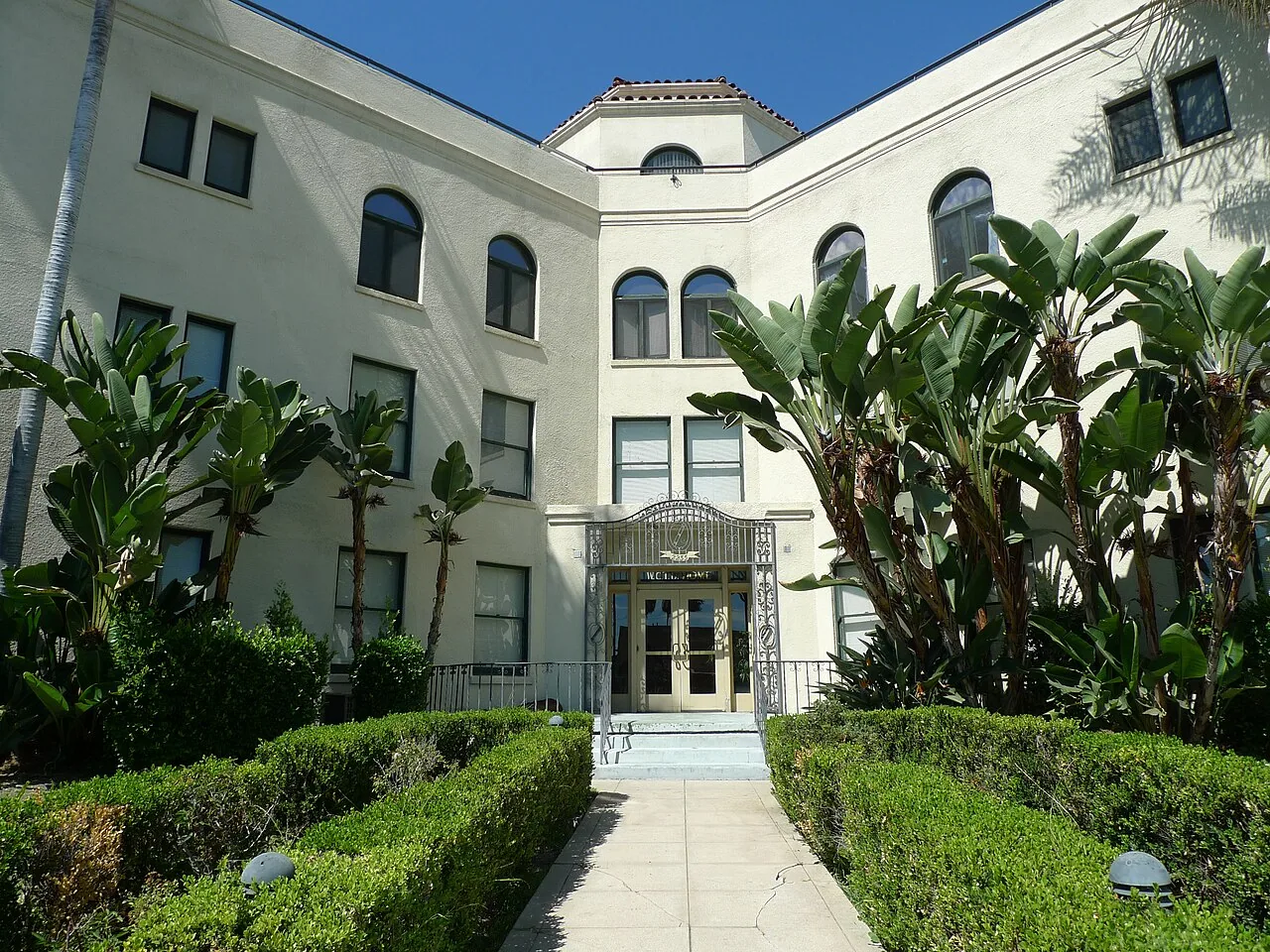
York Boulevard and Figueroa Street mix shops and offices with older commercial buildings. An old facade does not tell us what is on the roof or what shape it is in. We inspect the details we can reach and flag what needs a closer look before setting a repair quantity. Access is planned around storefronts, neighbors and deliveries, with protection for the space below. Regional weather is background only, and we check actual conditions in Highland Park. The owner gets a record that separates repaired areas from older materials or hidden conditions outside the inspection.
Tell us about your Highland Park building and the roof concern. We will inspect it and walk you through your options and the next step.
Other services, systems and conditions Glendale owners often review alongside this one.
Scope, conditions and planning details for Glendale commercial buildings.
The existing roof must be dry, well fastened and strong enough to carry another layer. We confirm that with core samples across the area.
It raises the roof surface, so wall flashing, drains and equipment curbs may need to be raised or rebuilt. We include that work in the option.
Occupied stores, deliveries, material storage and debris removal all add labor. We price the protection and handling the property approves.
Sometimes part of the water comes from HVAC or a wall, not the roof. We list that as a separate follow-up for the right trade.