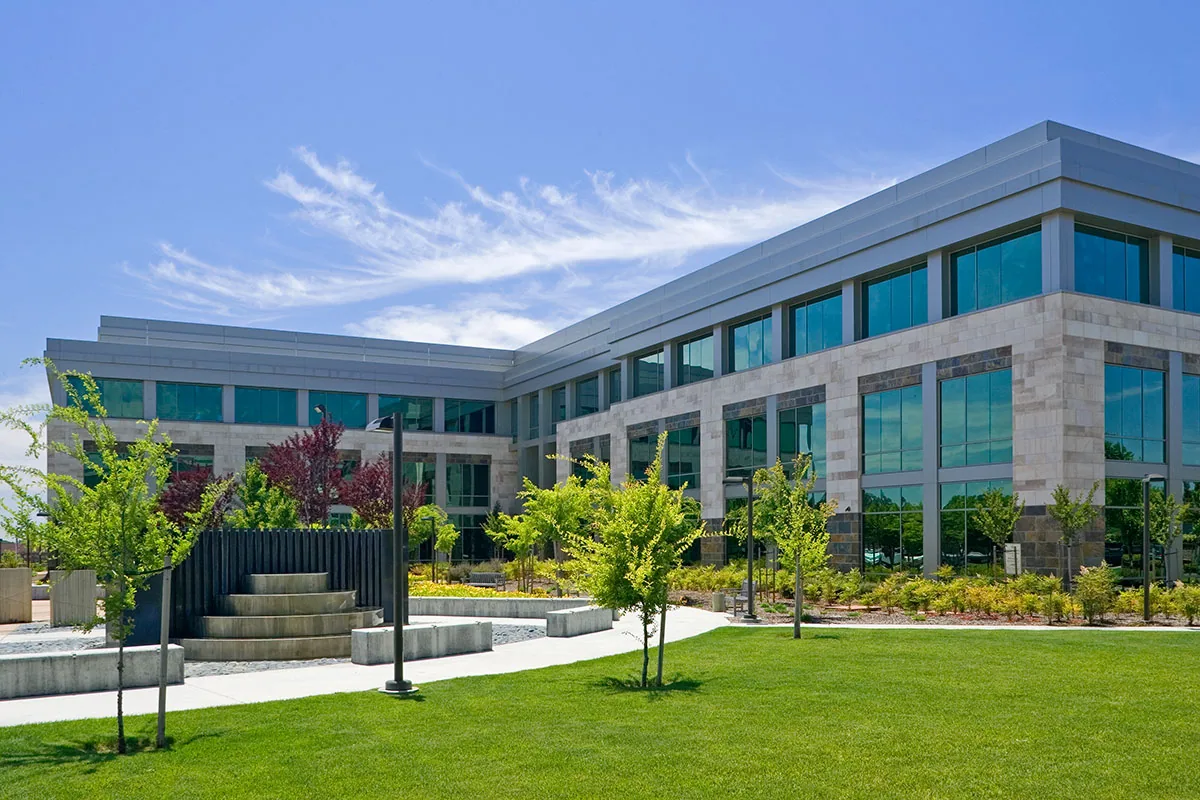
For a commercial building on North Figueroa Street, the roof repair and the logistics of getting it done have to be planned together. In Cypress Park, we inspect the roof, find the edges of the damage and price the repair with work hours, protection and other trades built in. The choice of roof system comes after we know what is up there. If a hidden layer could still change the answer, we keep that check separate so the estimate stays honest.
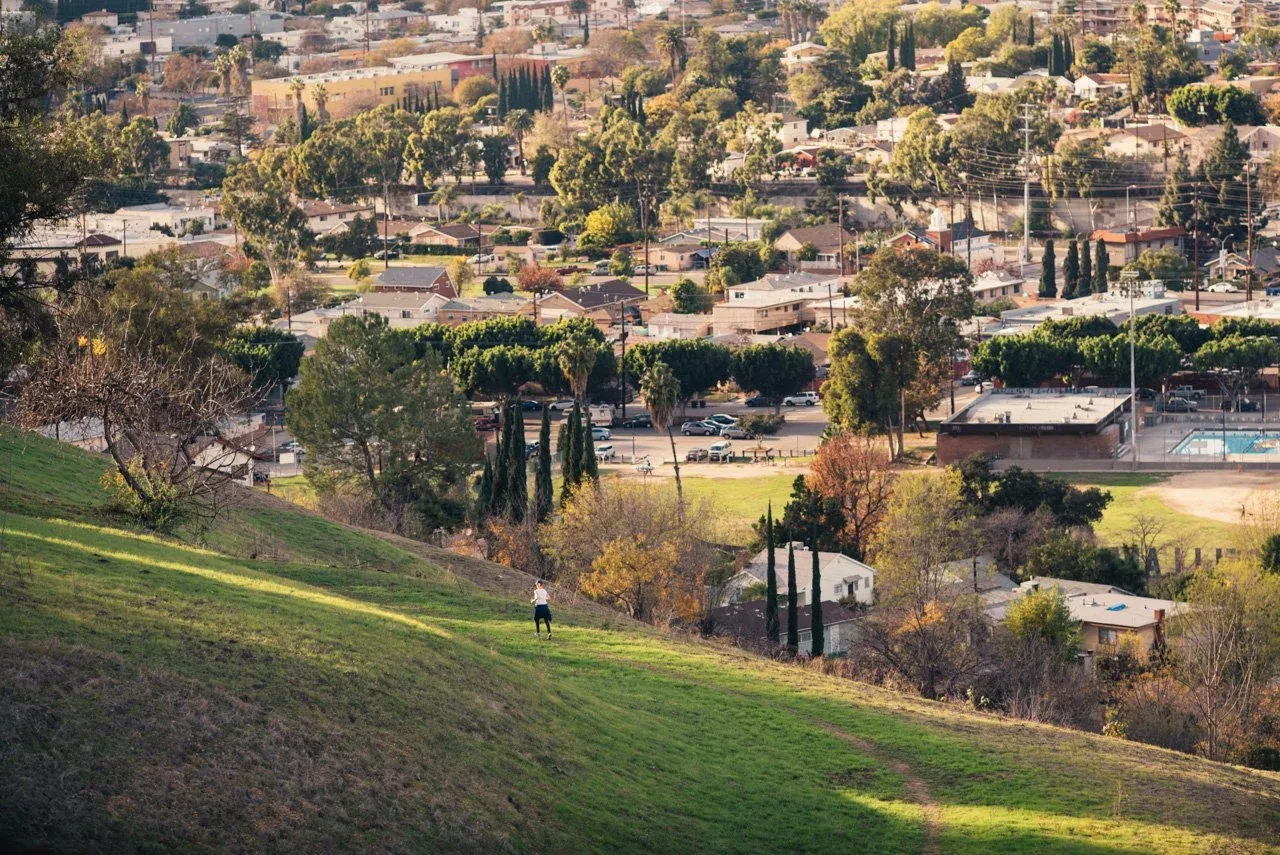
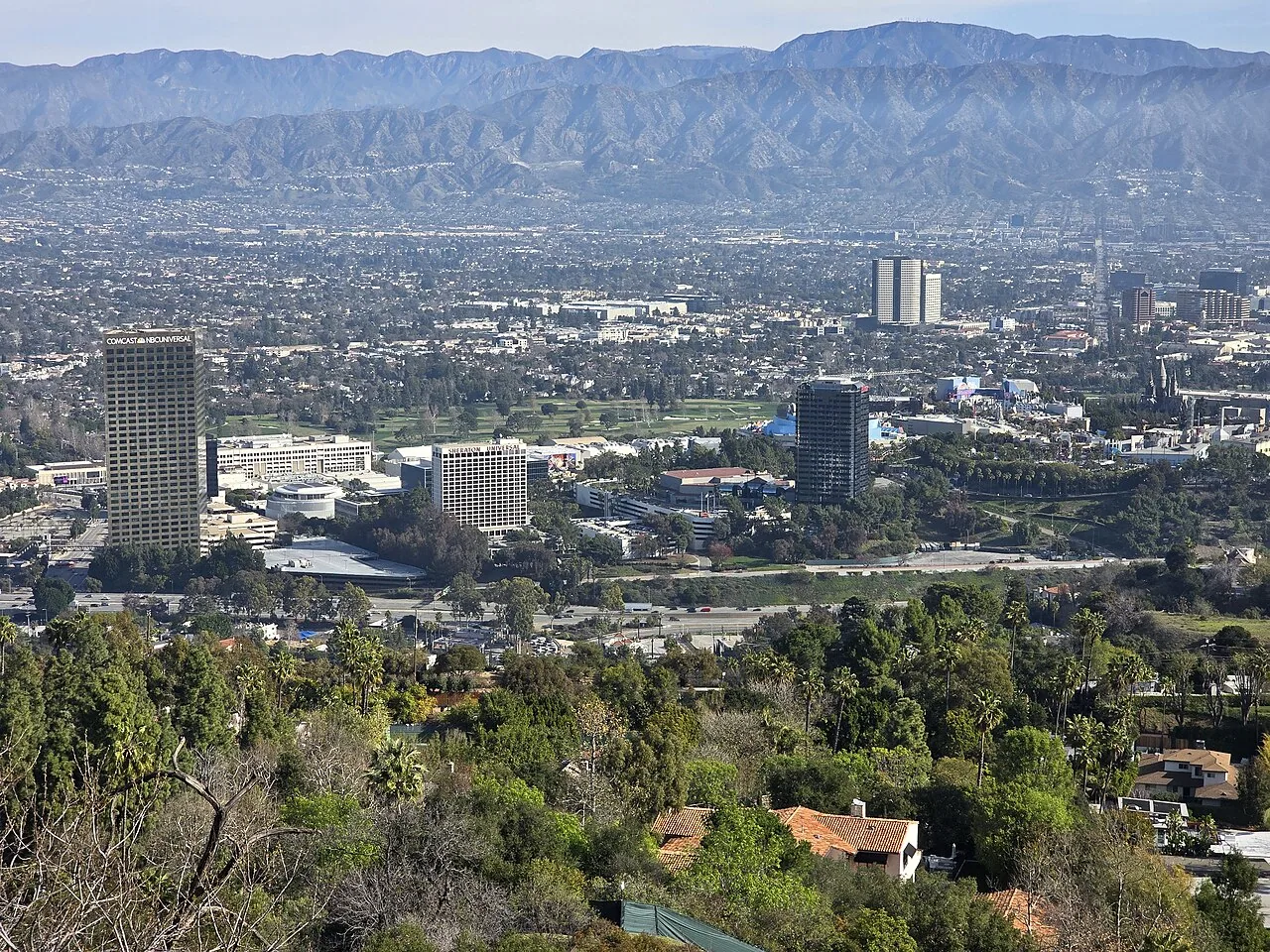
Cypress Park runs along Cypress Avenue, San Fernando Road and North Figueroa Street, between the Los Angeles River and the Arroyo Seco. When we come out from Glendale, CA, the building manager lets us in and shows us the problem area. We find out what goes on beneath the work and look closely at how the roof is built. Permits follow City of Los Angeles rules for your address and the work being done.
Before deciding how a new patch or section will tie in, we look at the roofing around the damage. We note seams, older repairs and any wall or equipment flashing nearby that affects the work. Photos show the problem in context so your staff can find it again. If drawings exist, we check them against what is actually installed. Any area we could not get to is noted, since it could change the price.
Our commercial roof inspection treats every hidden question as something to answer on purpose. We pick the right test, whether a core cut, a probe or opening a flashing, to see the layer or fastening that matters. Each sample is photographed and patched. A single sample speaks for its spot only. If we suggest keeping or tearing off a large area, we gather enough evidence across it first, rather than ordering materials on a hunch.
Infrared can help locate wet insulation, but only when the weather and roof type allow it. Rooftop units, shade and mixed materials all change surface temperatures. We use the scan to decide where to cut cores, and the cores decide the repair. If something is still uncertain after that, we recommend the next check before you approve a bigger project.
We start by confirming what happens beneath the section of roof we plan to open. The manager tells us which rooms are occupied, what is stored there, the allowed work hours and how we get in. Your facility team reviews our products and methods, and the HVAC contractor handles rooftop equipment. We plan interior protection around those decisions and check back if the scope widens or a room's use changes.
For offices, office building roofing also means planning how materials get on and off the site. We walk the route with the building contact and look for conflicts with cars, people and emergency access. Limited storage can mean extra handling or more deliveries. We list those costs next to the repair, so you can see what each part of the job actually costs.
Each work day needs materials on site, any prep by other trades finished, and enough crew to protect and seal the roof before leaving. If the job grows, we may need to change how much roof is opened at once. Any change in cost or disruption goes to you for approval with the revised price. You get a schedule based on what can actually be prepared and finished, not one that hides handling costs.
When HVAC equipment changes, the mechanical contractor and engineer provide the unit size and support details. We use those to plan clearances, curb height and the insulation and flashing around it. Moving a unit leaves the old opening to be rebuilt with deck or insulation. We name who is preparing each spot and check it before the new roof covers it, at both the old and new locations.
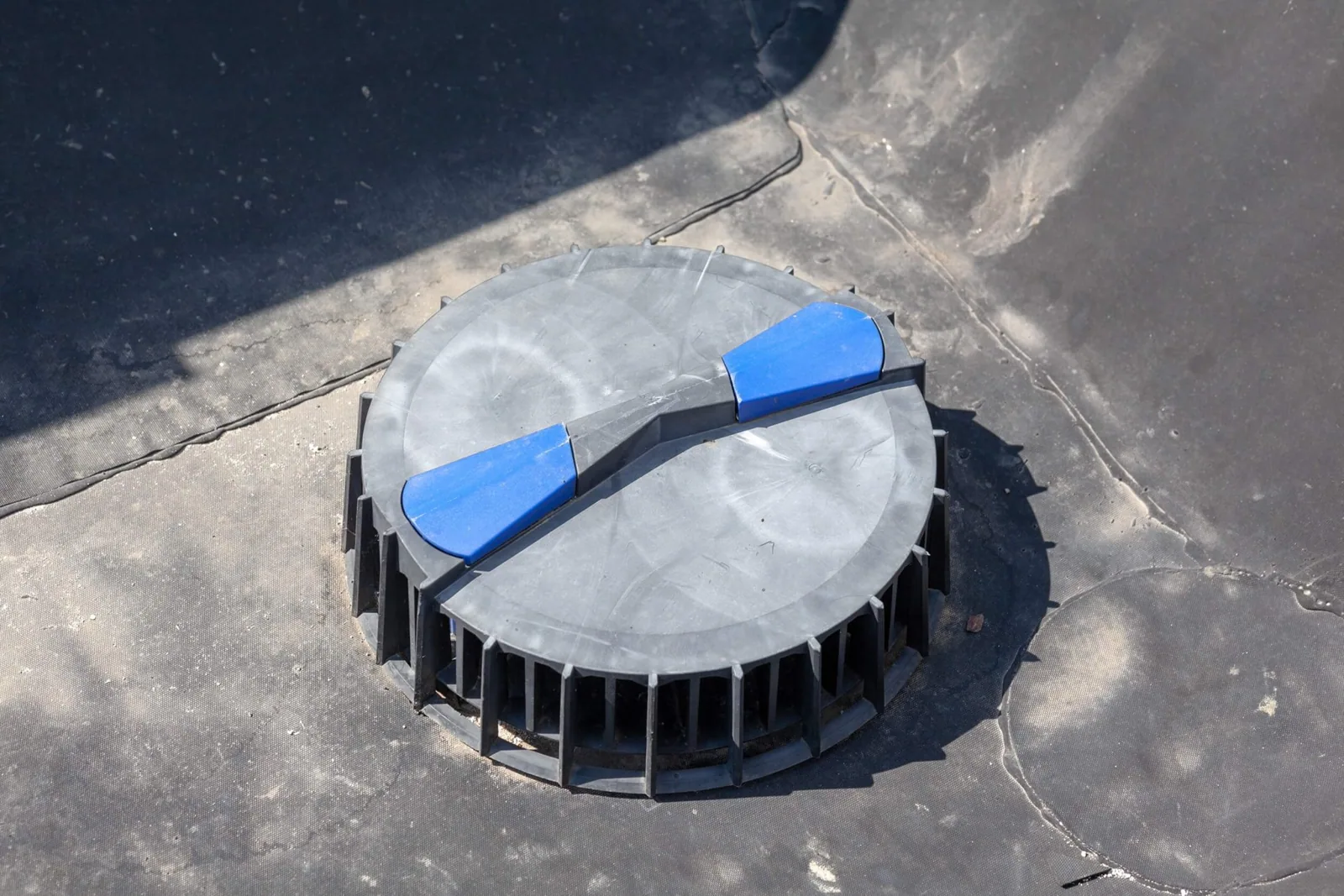
With roof drain and scupper work, we start by looking at each drain and the path water takes to reach it. Clearing debris handles many problems. If water keeps standing in one place, we check the slope and the insulation build-up, plus support and discharge needs. A plumber or engineer signs off before we move a drain or change the slope. That rebuild is priced separately from routine cleaning.
A good leak report tells us the room, the time it happened and any recent equipment work. We inspect the roof details above that area, knowing water often travels under the membrane before it drips. We only consider condensation when the building's actual temperature and humidity point to it. A confirmed roof problem gets fixed. Anything else, such as a wall or HVAC issue, goes to the right trade instead of being guessed at.
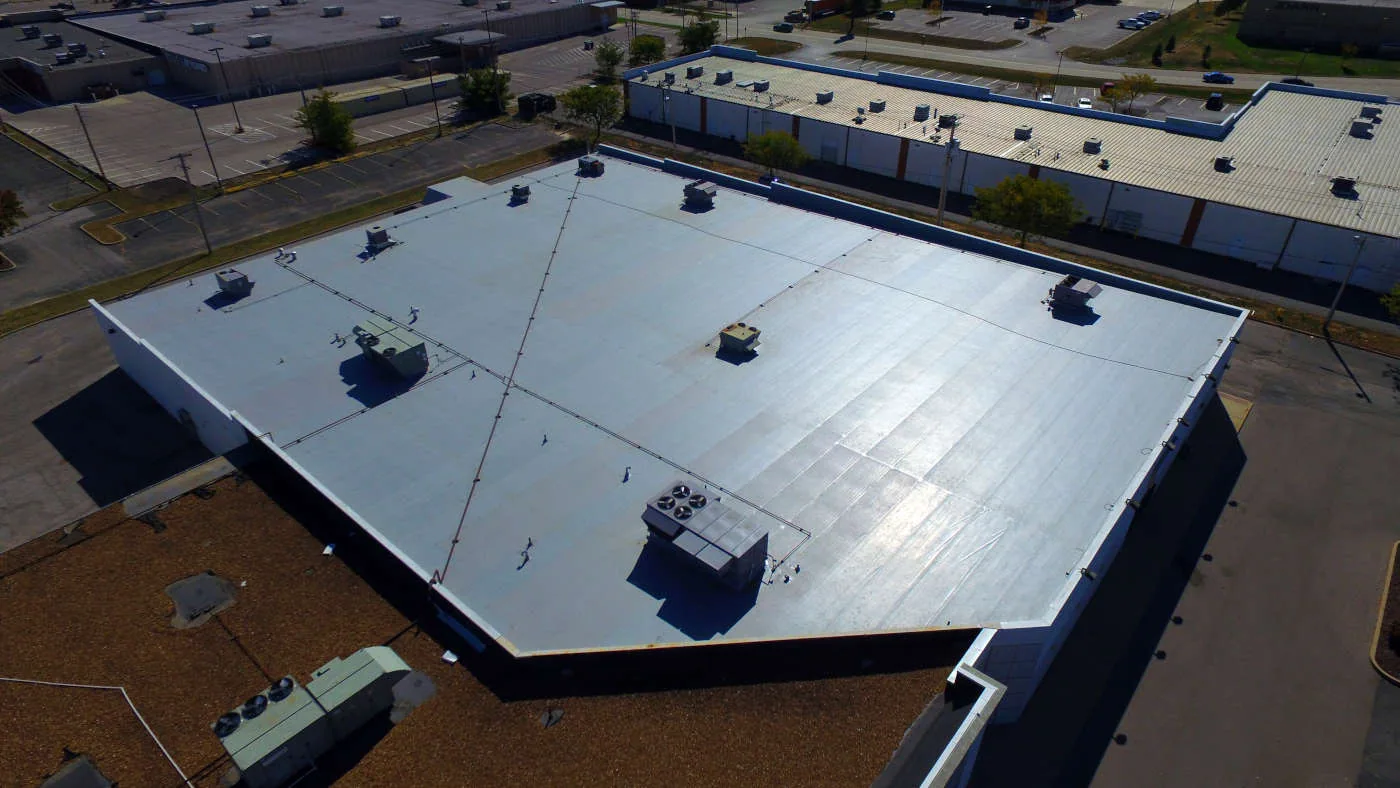
A spot repair needs sound roofing at its edges to tie into. A coating requires the existing roof to be inspected and prepared for the product. A roof-over depends on the old roof being dry, attached and strong enough to stay. When none of those work, we price tear-off and new roofing. Each option comes with its own flashing and edge work and the protection the occupied building needs, so you can compare them fairly.
Walls and equipment curbs take more labor than open roof. When insulation thickness changes, we check how that affects flashing heights and drains nearby. If another trade needs to prep the deck first, we say who and check their work before ours goes on. The estimate covers the whole finished job, so you can understand why one option costs more than another.
If opening the roof uncovers more damage, we mark where it is and what needs replacing. We explain how the extra work affects materials, handling and the schedule, and get approval before covering it up. We photograph both the damage and the repaired deck. That way the revised price ties back to something real.
The Glendale area has hot, dry summers and rain mostly in the cooler months. In Cypress Park, we plan coatings and adhesives around the actual weather and the product's surface requirements. Santa Ana winds call for a careful look at edges and exposed flashing, while fastening details come from the roof system design. Before ordering materials for any change, we confirm City of Los Angeles permit requirements for your address.
If you have another building in Glassell Park or Lincoln Heights, it gets its own inspection. For an urgent leak in Cypress Park, we confirm safe roof access and check conditions. What we can do immediately depends on the help and materials available. Temporary fixes are recorded with their limits, and the permanent repair is scheduled afterward while your team manages tenants.
At the end of the job, our roof condition reports include located photos of the deck and finished details, plus approved changes tied to the quantities they explain. Unfinished maintenance or work by other trades gets a contact and a next step. Future visits are added with dates at the same roof landmarks, giving you a clear spending history for the next budget.
Tell us about your Cypress Park building and the roof issue. We will inspect it and explain the repair, the logistics and the next step.
Other services, systems and conditions Glendale owners often review alongside this one.
Scope, conditions and planning details for Glendale commercial buildings.
Our photos show each repair along with nearby walls, units or drains. Your staff can find the same spot on a later visit.
No. A core shows conditions at one spot. We take enough samples across an area before recommending it be kept or torn off.
Deliveries, storage space and extra handling on a tight site add labor. We list them so the price makes sense.
Deck repairs or framing by another trade need to be done right before we cover them. A quick check now avoids tearing into a new roof later.