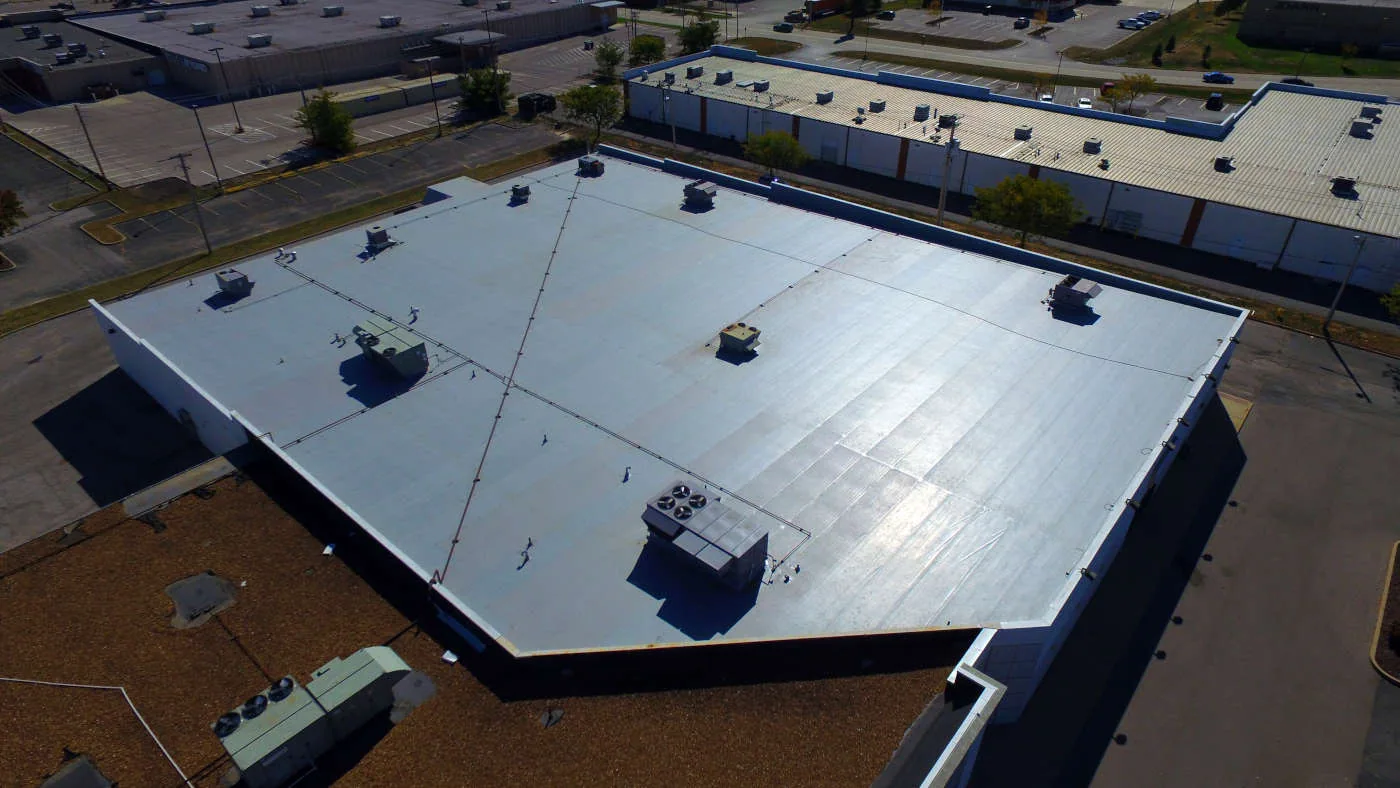
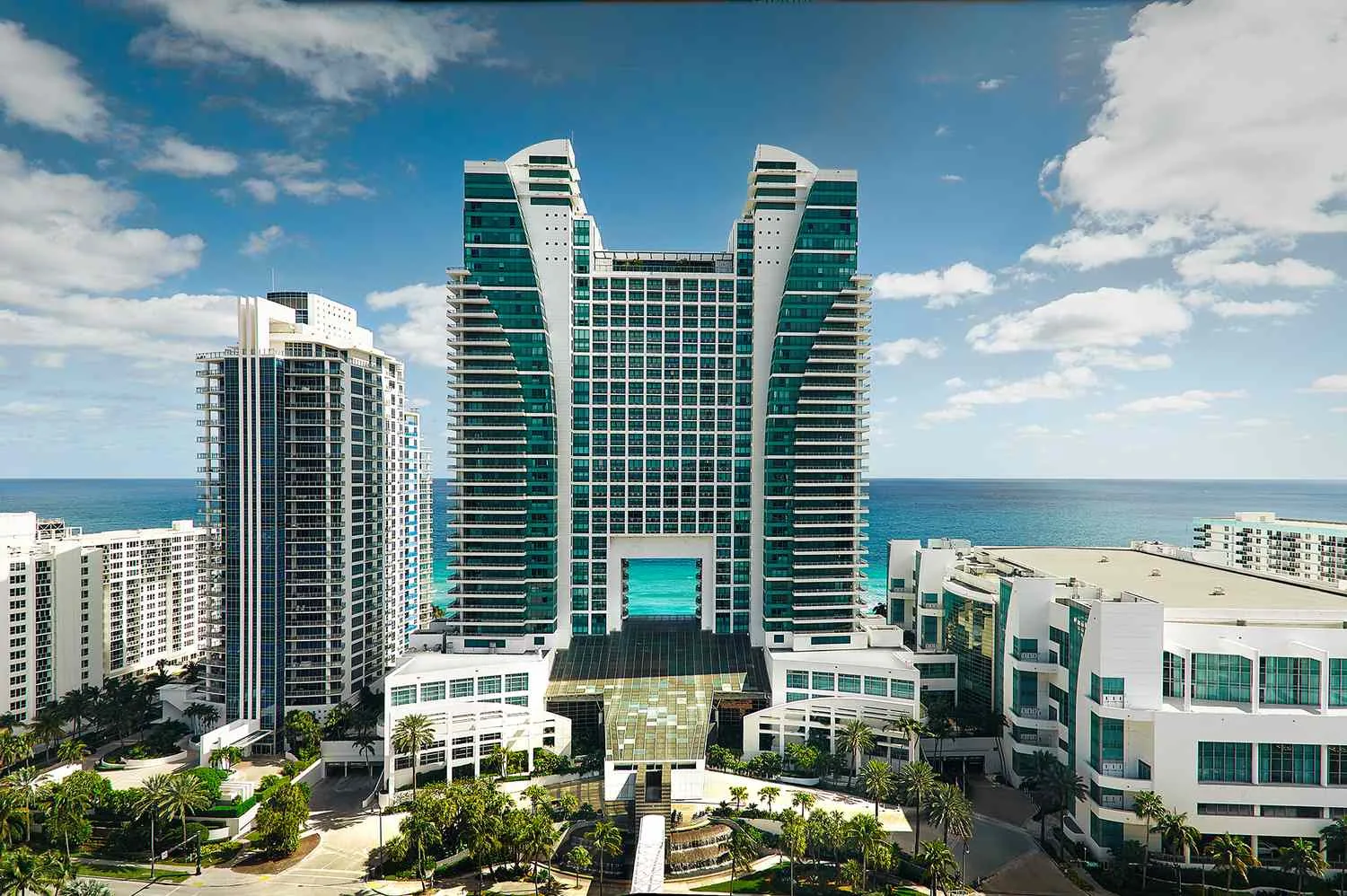
On many Hollywood commercial buildings, the roof edge is where trouble starts: loose coping, failed parapet flashing or water getting behind the wall. We inspect the edge along with the wall and the occupied space below, and explain what a proper repair involves. The owner gets the roof scope and the work plan together. A new piece of metal or a membrane patch often hides deeper work, so we spell out what the full repair takes before anything is ordered or scheduled.
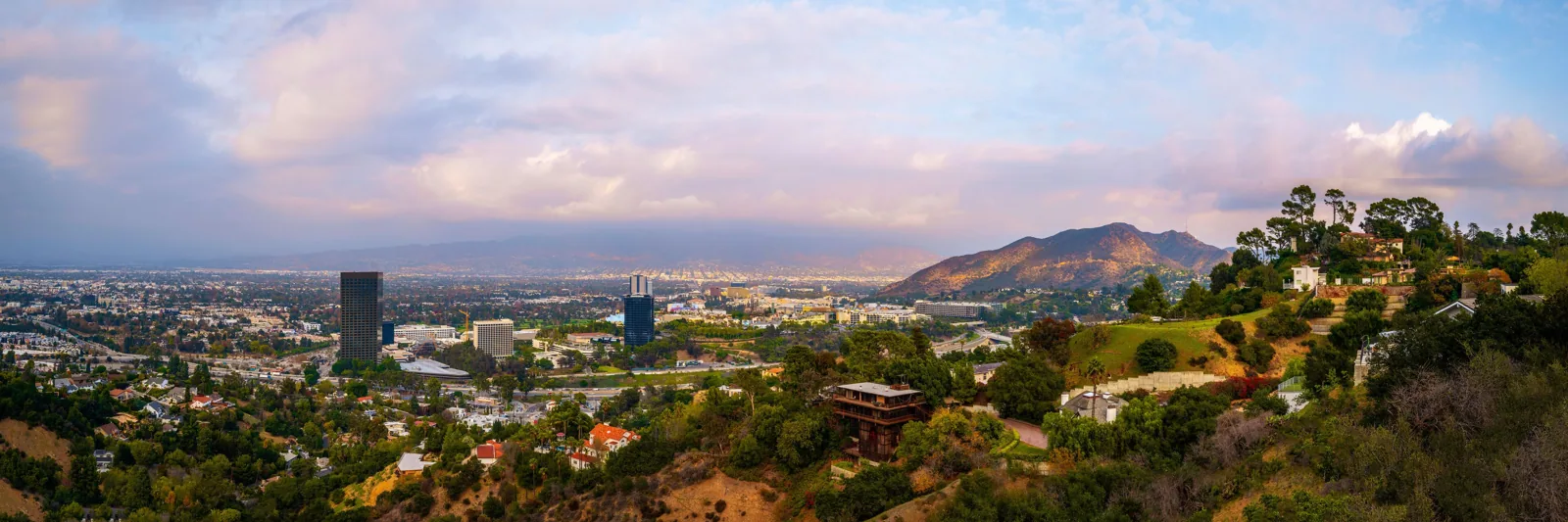
The Hollywood Hills and the Capitol Records Building are familiar parts of the Hollywood landscape. We serve the area from Glendale, CA. Your property contact confirms the building and the roof area in question, and we coordinate the inspection and repair with whoever runs the building day to day. The repair follows how your roof is actually built and any permits it needs.
A coping or roof edge needs more than a look at the metal. We check the fasteners, the wood blocking underneath and the membrane it laps over. A loose or bent piece may mean the backing behind it is rotted or wet. Our photos show the edge and a landmark on the roof so it can be found again. The estimate covers the finished edge and the hidden work it takes to get there.
For edge metal and coping repair, we spell out what comes off, how the wall and blocking will be prepared and what new metal goes on. Adding insulation raises the roof, which can change how the edge and wall flashing need to be built. We confirm dimensions and project requirements before ordering metal. When another trade repairs the wall or framing, we agree on when it will be ready and check it first.
Where the roof meets a parapet wall, we look at how the membrane ends and the wall surface above it. Old patches can affect whether a good new seal is possible. Complicated corners and returns take more labor than open roof, and we include that along with any insulation or deck work. The asset manager gets a clear repair price, not a metal-and-membrane number that quietly assumes the hidden work is included.
We identify any question about hidden layers before choosing the next test. Drawings help when they match what is installed. We note the membrane, seams and earlier repairs, the weather during our visit and any areas we could not reach. If another inspection or a test opening could change the repair or the option you choose, we explain why.
With a commercial roof inspection, core samples show the roof build-up at the spots tested. We photograph each one and patch it properly. A decision to keep or tear off a larger area needs enough testing to support it. If something hidden still matters, we list the next check separately, so you can schedule it before approving a bigger job.
Infrared scans can help us decide where to confirm, when the roof type and weather allow it. We read temperature differences with shade, different materials and running equipment in mind. Core samples tell us which findings hold up. The report separates what the scan suggested from what we confirmed. A scan helps pick the next test spot. It cannot tell us every hidden layer or the full amount of roof to remove.
When the space below an edge repair is occupied, we need to know what is going on there. Management gives us work hours, access rules and how tenants will be notified. Your facility team reviews our methods and products. HVAC and other equipment are handled by the qualified people who maintain them. We plan our roof protection around those decisions and revisit them if the work area or a room's use changes.
For hotels, hotel roofing is planned around guest rooms and the hotel's operations. A slow week on the booking calendar does not by itself mean work is allowed. We confirm approved hours and protection with the hotel's contact. The estimate includes the extra setup or protection those rules create, including repeating it for each phase.
We walk the delivery, storage and debris routes, separately where needed. We look for conflicts with guests, tenants, traffic and emergency exits. Tight storage can mean extra handling or different delivery times. Those costs sit next to the repair work in the estimate. If the job grows, any change in schedule or cost goes back to you for approval.
Before an HVAC unit is changed, the mechanical contractor and engineer give us its requirements and support details. We confirm the size and clearance needed to flash it properly, then build the insulation and membrane around their plan. If a unit is removed, we check the deck and insulation at the old spot and rebuild them. We name who prepares each spot and inspect it before it is covered.
We check each drain and how water reaches it. Clearing debris is routine maintenance. When water keeps standing in one area, we look at the layers and the slope. A plumber, and an engineer if supports are involved, works out any new drain or slope change before we pick a design. The roofing follows that plan, and cleaning and rebuilding are priced separately.
For interior leaks, we note when and where they happened, plus weather and equipment activity. We trace the roof details using that history, since water can travel inside the roof before it drips. If condensation is a possibility, we compare it with actual conditions in the building. We fix what we confirm on the roof and assign further investigation if an HVAC or wall question remains.
A spot repair needs sound roofing around it to tie into. A coating requires an inspected, prepared base. A roof-over depends on the existing layers being dry, well fastened and supported. If keeping the old roof will not work, we price tear-off and a new roof. Each option includes the edge and wall details and the building's work rules, so you can compare what each price actually covers.
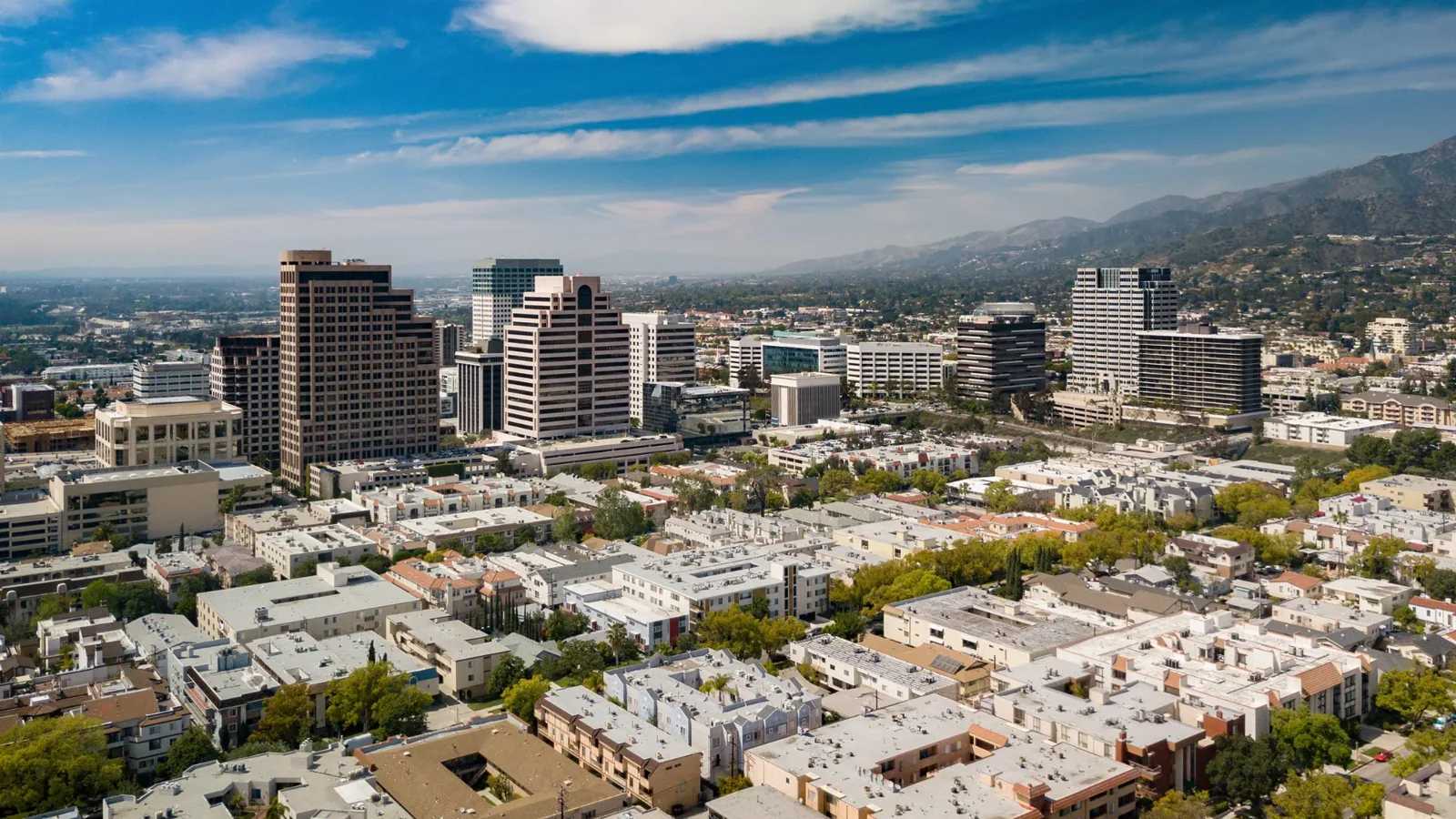
The Glendale area has dry, hot summers and gets most of its rain in the cooler months. On a Hollywood job, we compare the actual forecast and the roof surface with the product's requirements. Santa Ana winds are a reason to check edges and coping, but the fastening design comes from the roof system and project review. Permits go through the City of Los Angeles, and we confirm the requirements for your address before ordering materials.
A building in Studio City or Downtown Los Angeles gets its own inspection. For an urgent leak in Hollywood, we arrange access through your building contact. We check that the roof is safe and see what help is available for a temporary fix. Any patch is recorded with its location and what part of the problem it addresses. The permanent repair or more testing is scheduled afterward, while the building team handles tenants and guests.
Tear-off may uncover more damage that needs a change order and approval. We record the extra work and its effect on the schedule with revised quantities. When the job is done, our roof condition reports keep those photos and approved changes with the finished details. Open maintenance or other trades' tasks get a contact and next step, so the owner can explain the cost and plan follow-up after the new roof hides the prep work.
Tell us about your Hollywood building and the roof or edge problem. We will inspect it and explain the repair, schedule and next step.
Other services, systems and conditions Glendale owners often review alongside this one.
Scope, conditions and planning details for Glendale commercial buildings.
Wet or rotted wood blocking, loose fasteners and failed membrane underneath. We check all of it and price the complete edge repair.
Occupied rooms affect work hours, noise, odor and interior protection. We plan around the operator's approved rules and include that in the estimate.
Enough core samples to show the existing roof is dry, well fastened and supported across the area. One spot is not enough.
We stop, show you where it is, explain the needed repair and cost, and get approval. The photos and quantities stay in your records.