Get Answers Fast

Send the Building Details

Request an
Assessment

Call Our Team

555-555-5555
Request an
Assessment
555-555-5555

Lincoln Heights

Before an owner in Lincoln Heights compares roofing bids, the job needs to be clearly defined. We inspect the problem area, the roofing around it and how we will get there to do the work. Our findings separate what we can see is wrong from questions that need more testing. The price includes the practical work around the repair, so the manager can see what is being fixed and which decisions are still open.

Lincoln Heights is a Los Angeles neighborhood just east of the Los Angeles River, with the 5 Freeway running through it. We serve it from Glendale, CA. At the property, management shows us the roof area, how to get in and who can approve work. We plan around those arrangements and base the repair on how the roof is actually built, including any other reviews needed where it meets walls or equipment.

Tracing the leak from inside to the roof

The most useful first conversation covers where the water showed up, when it was noticed and what staff saw before that. We ask whether HVAC was running or anyone recently worked on the roof above that room. Then we take that information onto the roof, using rooms and equipment as landmarks. A ceiling stain tells us where to start looking, but it does not show where the water got in or why. We note what we could check and what needs another visit.

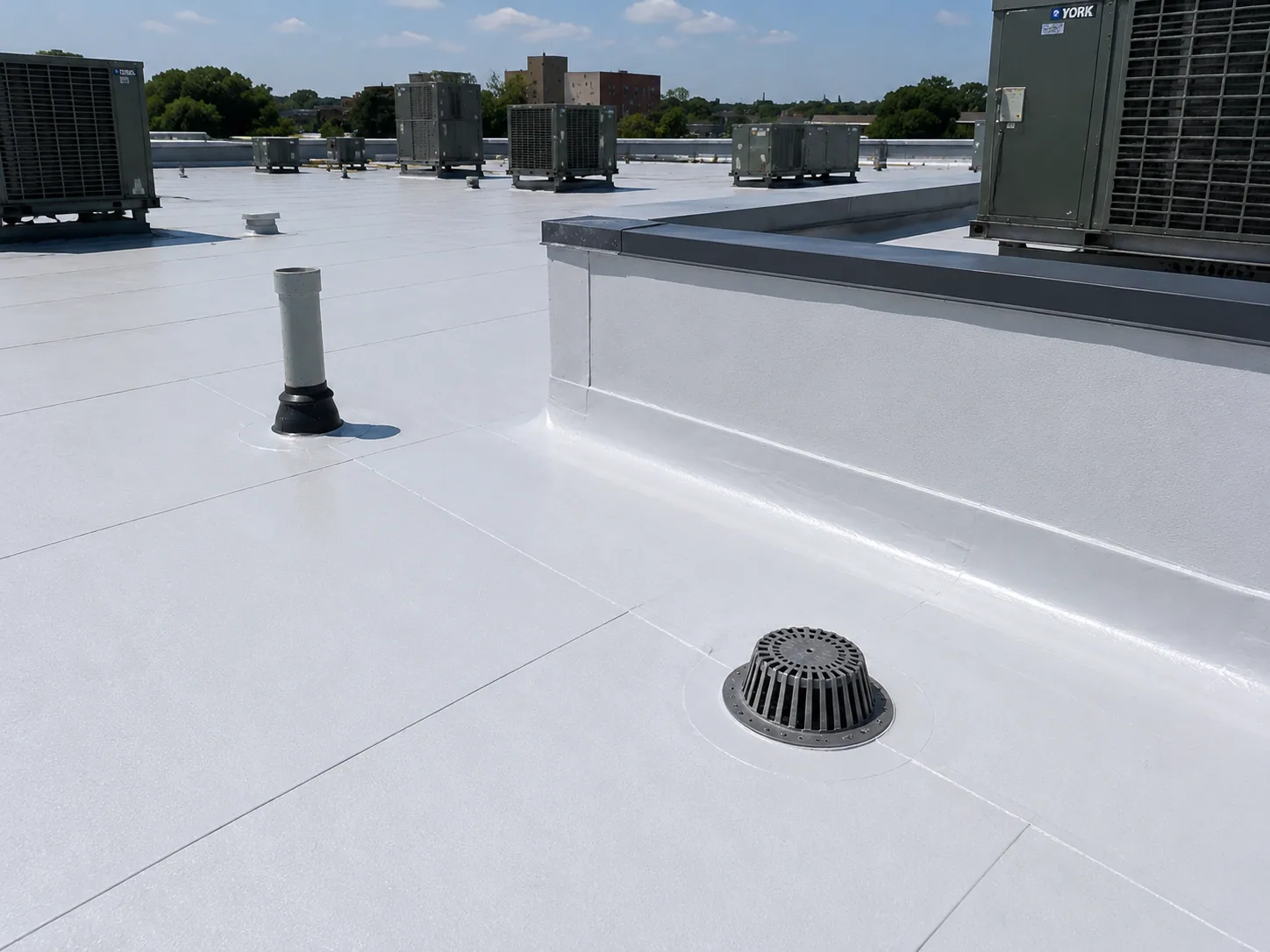
During a commercial roof inspection, we follow the seams, flashings and edges around the reported leak. We look at the membrane next to each one and note any old repair materials that could affect the fix. Drawings help where they match what is installed. Each photo is taken so someone can walk back to the same spot, rather than leaving the manager with a close-up of roofing that could be anywhere.

If the leak path is still unclear, we pick the next test based on what it needs to answer. A water test or a test opening may need to be coordinated with staff and the HVAC contractor. We keep the question specific: what is under a flashing, whether the deck is sound, or how an opening connects to the room below. The owner can approve that step before anyone orders materials for an area that has not been checked.
Commercial Roofing in Lincoln Heights, Los Angeles, CA

How far the repair needs to go

A spot repair only works if it ties into sound, compatible roofing and the detail can be fully finished. Sometimes that means extending the repair past the visible damage to reach good material. We explain why the repair needs to be that size and what has to come off. For commercial roof leak repair, the price covers the whole detail, including any edge or wall work the repair requires.

Core samples show the layers and their condition at the spots we cut. We mark those spots and patch them properly. A recommendation to keep or tear off a large area needs enough testing to support it. Infrared scans can help pick where to test when the roof and weather allow. Temperature differences still have to be interpreted and confirmed by cores before we rely on them.

We compare repair, coating, roof-over and replacement against the same confirmed problem. A coating needs the right prep and a roof in good enough shape for it. A roof-over depends on the existing roof being dry, well fastened and supported. Replacement makes sense when the existing roof cannot stay. We explain the evidence behind each option and any testing still needed before a final quantity goes into a contract.

Tenants, access and deliveries

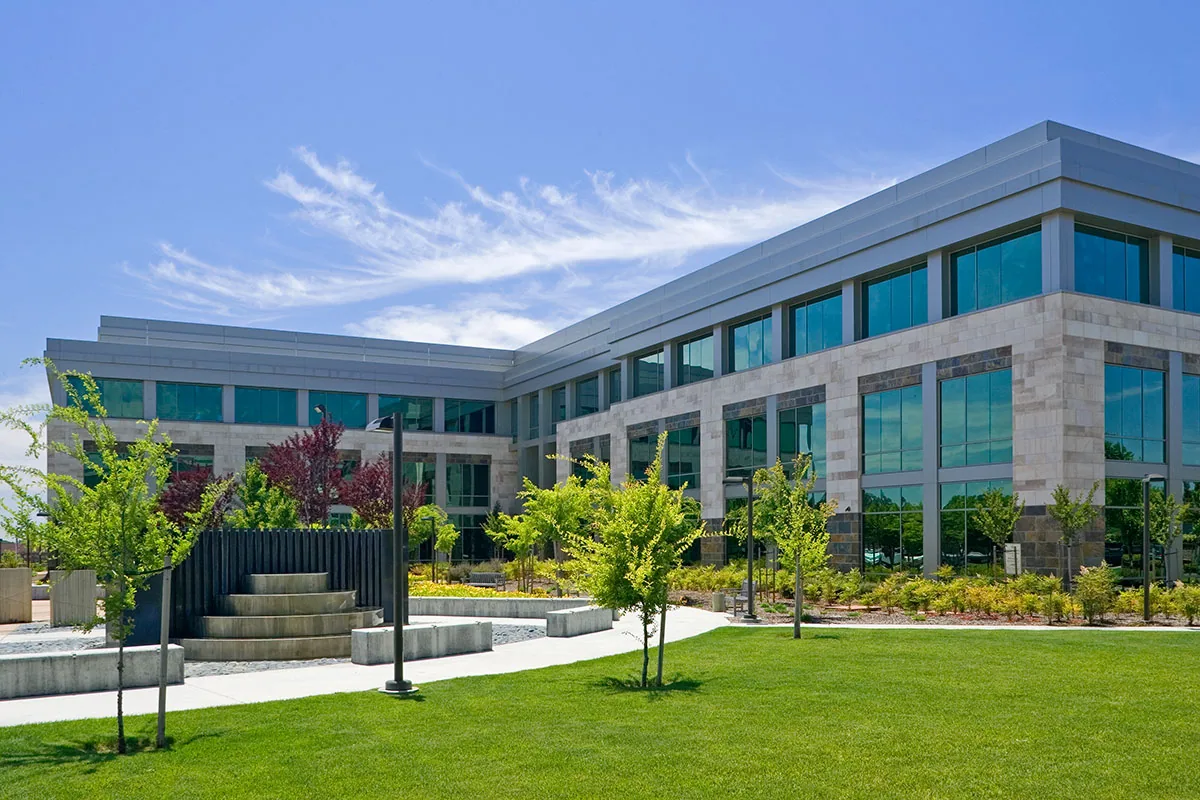
For leased buildings, office building roofing starts with management telling us what goes on below the roof section we plan to open and what is stored there. We agree on access and work hours. Your facility team reviews our methods and products. HVAC and other equipment are handled by the qualified people who maintain them. Our protection plan follows those decisions, and we coordinate again if activities change or the job grows.

We walk the delivery, storage and debris routes with the operator. We confirm where trucks can load, where we can set up and which paths must stay open. A small storage area can mean smaller deliveries or extra handling. We include that cost in the estimate with a short explanation. The roofing quantity and the cost of getting materials there are easier to judge when each one has a clear reason.

Each phase needs the right materials, a roof surface ready to work on and enough protection. We check those before choosing how much roof to open. If hidden damage makes the job bigger, we describe the extra work and how it affects handling or timing. We get approval before covering it up. The manager decides based on a real condition and a work plan that makes sense.
Commercial Roofing in Lincoln Heights, Los Angeles, CA

HVAC changes, drains and condensation

Replacing HVAC equipment can change the roof around it even when the rest of the roof looks fine. The mechanical contractor and engineer provide the unit size and support requirements. We confirm there is room to flash it properly and what must be ready before installation. A unit that moves leaves an old opening that needs new deck or insulation. We assign that work and check it before roofing over it.

At each drain, we check for clogs and note how the water is behaving. We clear debris where that is the fix. If water keeps standing, we look at slope, the layers underneath and the structure. A plumber confirms discharge and supports before we choose a new drain or a slope change. Any change has to send water somewhere approved, and the estimate includes the supports and flashing it needs.

We consider condensation when the building's conditions point to it. We look at temperature, humidity and HVAC operation with the building team, and keep other possible causes open until testing rules them out. Our recommendation names the roof problem we can fix and any HVAC or wall question that still needs attention. That helps management call the right trade next instead of expecting a membrane repair to solve an unrelated problem.

Weather, permits and project records

The Glendale area has dry, hot summers and gets most of its rain in the cooler months. In Lincoln Heights, we time installation around the actual weather and the surface prep the products need. Santa Ana winds call for a close look at exposed edges, while fastening requirements come from the roof system and project review. Permits go through the City of Los Angeles, and we confirm what your project needs before ordering materials.

A building in Downtown Los Angeles or Cypress Park gets its own inspection and access plan. For an urgent leak in Lincoln Heights, management handles operations inside while we confirm safe access and what help is available. Any temporary patch is recorded with its location, limits and the next step. The permanent repair is defined separately until it is done.

Our finished roof condition reports keep dated photos, quantities and the reasons for any approved changes. We photograph the prep work before the finished roof covers it. Remaining maintenance or other trades' work is listed with a contact. The owner can match the spending to the finished work and use the same roof landmarks for the next inspection or project.

Get a clearly defined roof repair in Lincoln Heights

Tell us about your Lincoln Heights building and the roof problem. We will inspect it and explain the repair, access and next step.

Related Roofing Pages

Other services, systems and conditions Glendale owners often review alongside this one.
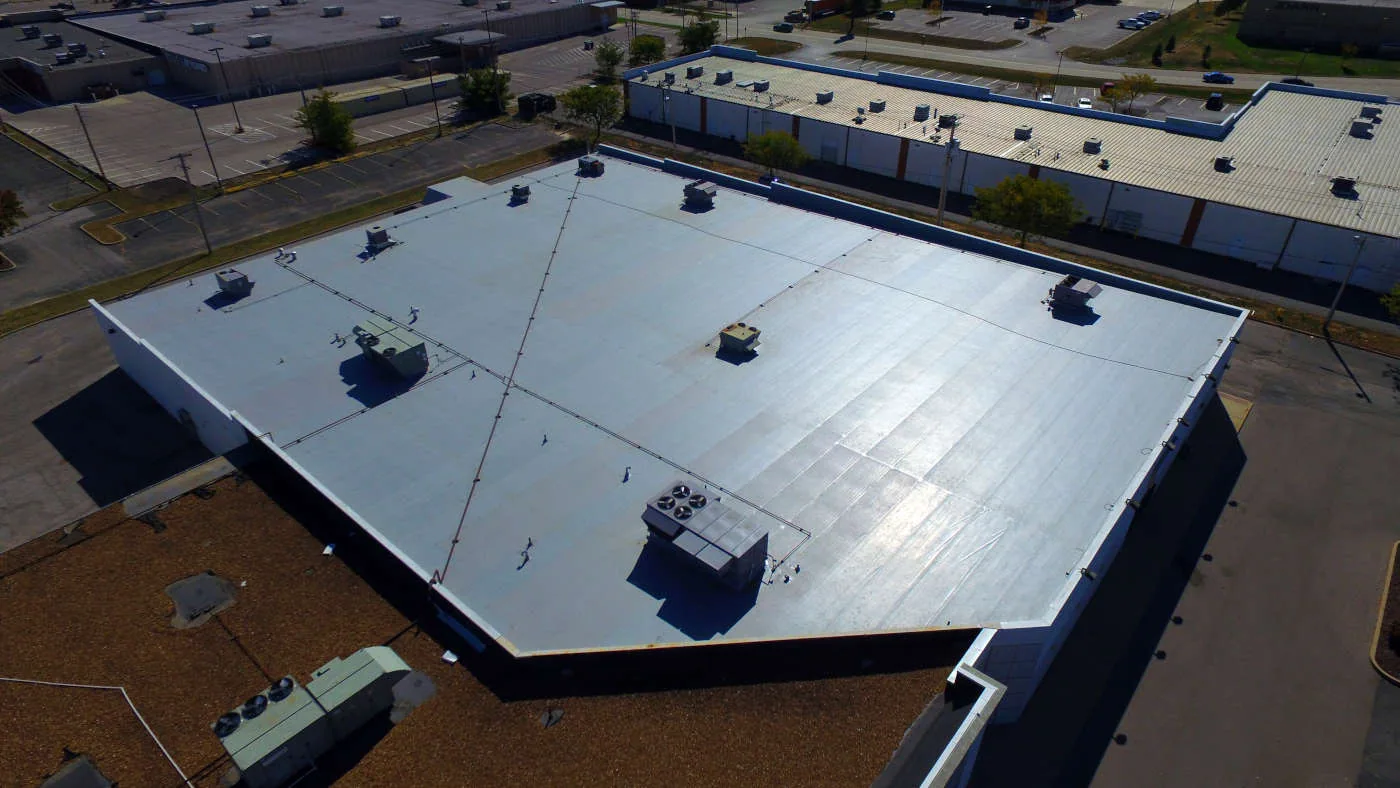
commercial roof examination
Commercial Roof Inspection

Scope, conditions and planning details for Glendale commercial buildings.

a supported roof leak correction
Commercial Roof Leak Repair

Scope, conditions and planning details for Glendale commercial buildings.

occupied office roof planning
Office Building Roofing

Scope, conditions and planning details for Glendale commercial buildings.

Downtown Los Angeles

Scope, conditions and planning details for Glendale commercial buildings.

Questions About Lincoln Heights

With what your staff saw: where, when and under what conditions. Then we inspect the roof details above that area and test further if the path is still unclear.

It covers the repair out to sound roofing and includes the full flashing or edge detail. Any uncertainty about size is explained before you approve.

The mechanical contractor and engineer set unit size and support requirements. We build the curb, insulation and flashing to match.

Each open item lists its location, who is responsible and the next step. Temporary patches are kept separate from the permanent repair still needed.

ServicesRoof SystemsProperty TypesIndustriesService AreasDamage RepairCapabilitiesManufacturersAboutRequest a Roof Assessment555-555-5555
Call555-555-5555