For a commercial property near Mission Street, the owner needs to understand why the roof repair is needed before approving it. We inspect the problem in South Pasadena and describe the detail the work will finish. The estimate includes the prep, access and tenant arrangements. A small detail can take more labor than its square footage suggests, so we explain both the visible repair and the hidden work it depends on.
Mission Street and Fair Oaks Avenue are South Pasadena's main commercial streets. We serve the city from Glendale, CA, starting with your building and your contact there. That person confirms the roof area and what happens in the space below. We review how the roof is built and plan the work, giving the asset manager a scope that fits the property and the approvals it needs.
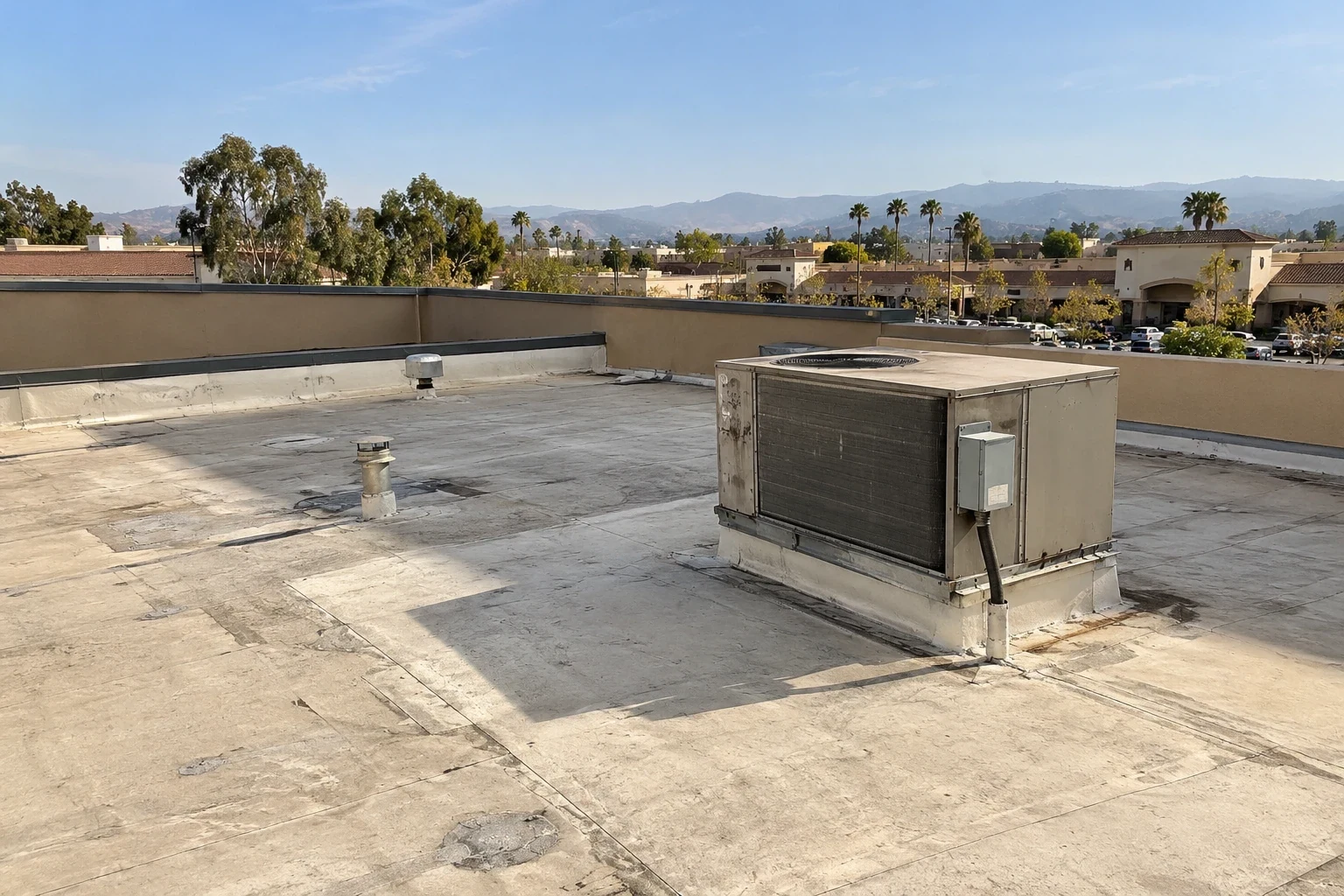
A wall flashing can hide a lot of prep work behind it. We check the membrane next to it, the wall it attaches to and how it ends at the top before deciding how to tie the repair in. We note any old repair products or material changes that affect the method. Photos show the whole joint and a landmark staff can find later. The price covers the full repair, not just the part you can see from the ground.
With commercial roof repair, we include deck or insulation work wherever it is needed. Adding insulation can change drain levels and equipment curb heights nearby, so we confirm dimensions before ordering materials. When another trade handles prep work, we agree on who and when, and we check it first. That keeps the installation tied to the work underneath and gives the owner a clear reason for the cost.
One visit can leave a question about hidden layers. We explain what it could change, then choose a test or small opening to answer it. We photograph what we find and patch the spot. Larger repair areas need enough testing to support them. Each finding states what we confirmed and any next check needed before a bigger option relies on what is under the membrane.
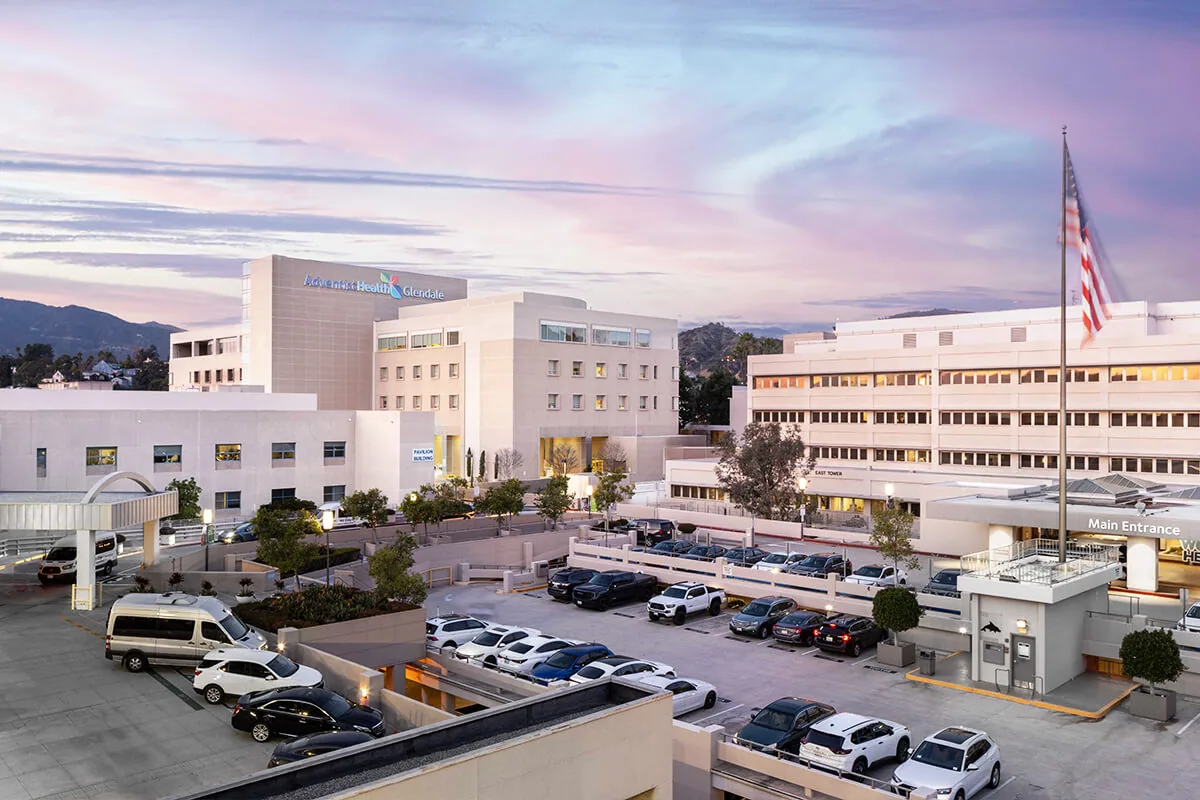
What goes on below the roof affects how we can do the work. The property team tells us which rooms are occupied, what is stored there, when work is allowed and how access is controlled. They review our products and methods. HVAC and other equipment are shut down or protected by the qualified people who maintain them. Once that is agreed, we plan our roof protection, and we revisit it if room use or the work area changes.
For shops, shopping center roofing includes where materials can be received and stored. We review the route to the roof and the path for debris with the operator. The setup has to work around tenants, cars and emergency access. Tight storage can mean extra handling or more deliveries. We describe that work next to the roofing prep so the manager can compare complete prices.
A work window only helps if the job is ready to go. Other trades' prep, materials and protection all affect how much roof we can open. Extra repairs can mean setting up again or changing the allowed work hours. We present those changes with the revised cost for approval. The owner keeps the roofing work and the building's operating decisions together before the scope is final.
A repair can stay small where the surrounding roof is in good enough shape to tie into. A coating needs a sound base and the right prep. A roof-over requires looking at the existing roof's condition, fastening and support together. When the existing roof cannot stay, we price tear-off and rebuilding. Each option is compared against the same problem, with the finished details and building logistics included.
Our commercial roof inspection records the membrane, past repairs and anything we could not check. We compare drawings with what is installed. A core shows conditions at its own spot, and decisions about a larger area need testing across that area. If a hidden question could still change the plan to keep, repair or remove the roof, we list the extra check before materials are ordered.
Infrared scans can guide testing when the roof and weather are right. We interpret temperature differences with materials, shade and HVAC units in mind, and cores confirm what the scan suggests. The manager sees what the scan showed and what we confirmed. The goal is a solid roofing decision and any further testing it needs, not an image expected to reveal every hidden layer.
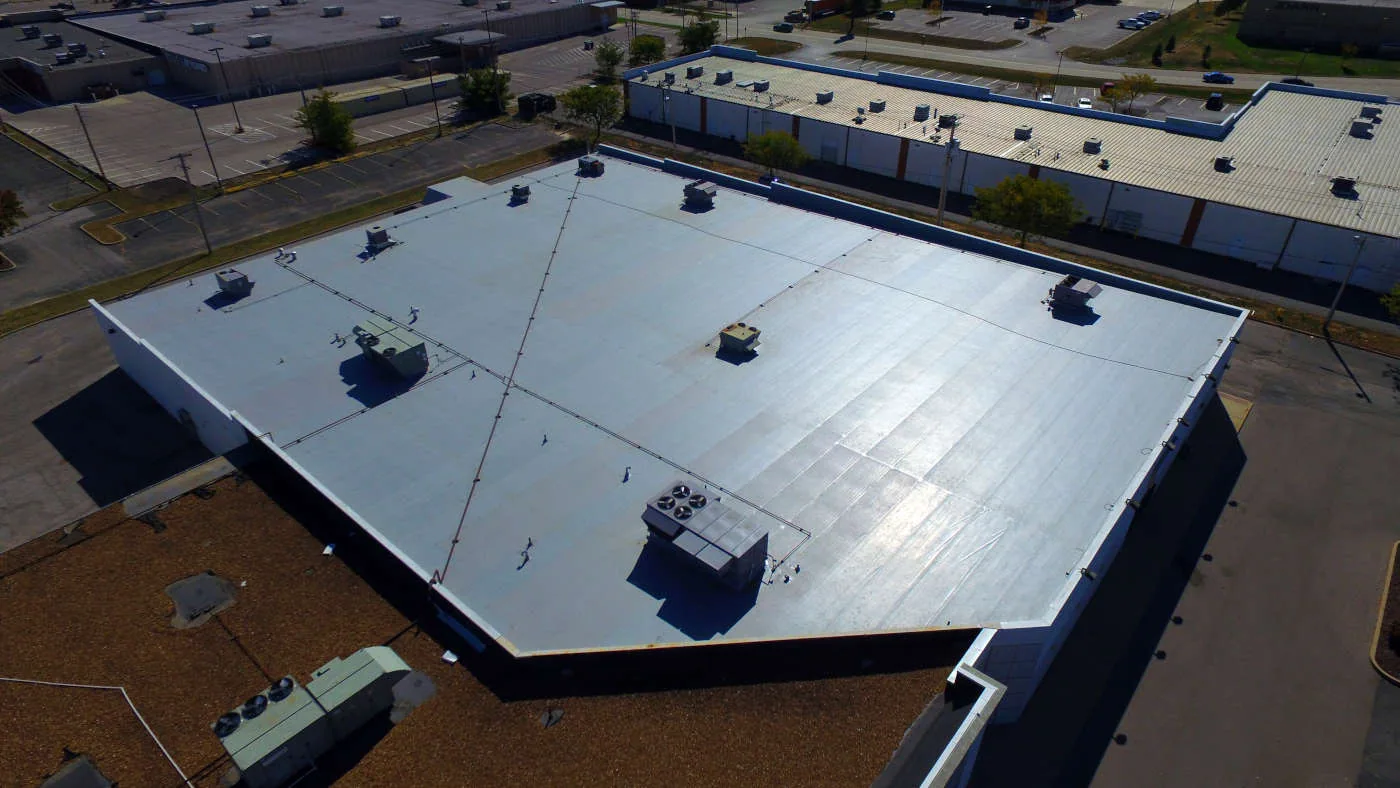
When a rooftop unit is changing, the mechanical contractor and engineer provide its requirements and support details. We get the dimensions and clearance needed to flash it properly, then build the insulation and membrane around their plan. If the unit moves, we look at the old spot separately, since it leaves an opening to rebuild. We name who prepares each spot and inspect it before the next layer covers it.
Drain maintenance starts with checking each drain and how water flows to it. We clear debris where that is the fix. Water that keeps ponding in a low spot means checking slope and the layers underneath. Supports, discharge and plumbing are worked out before we change a drain or the slope. Routine cleaning and drain rebuilding stay separate in the scope and approvals.
For an interior leak, we note when and where it happened, along with weather and equipment activity. Water can travel inside the roof before reaching a room, so we test along that path. If condensation is possible, we check the building's real conditions. The confirmed roof repair and any HVAC or wall question each get their own next step when the full cause is still unclear.
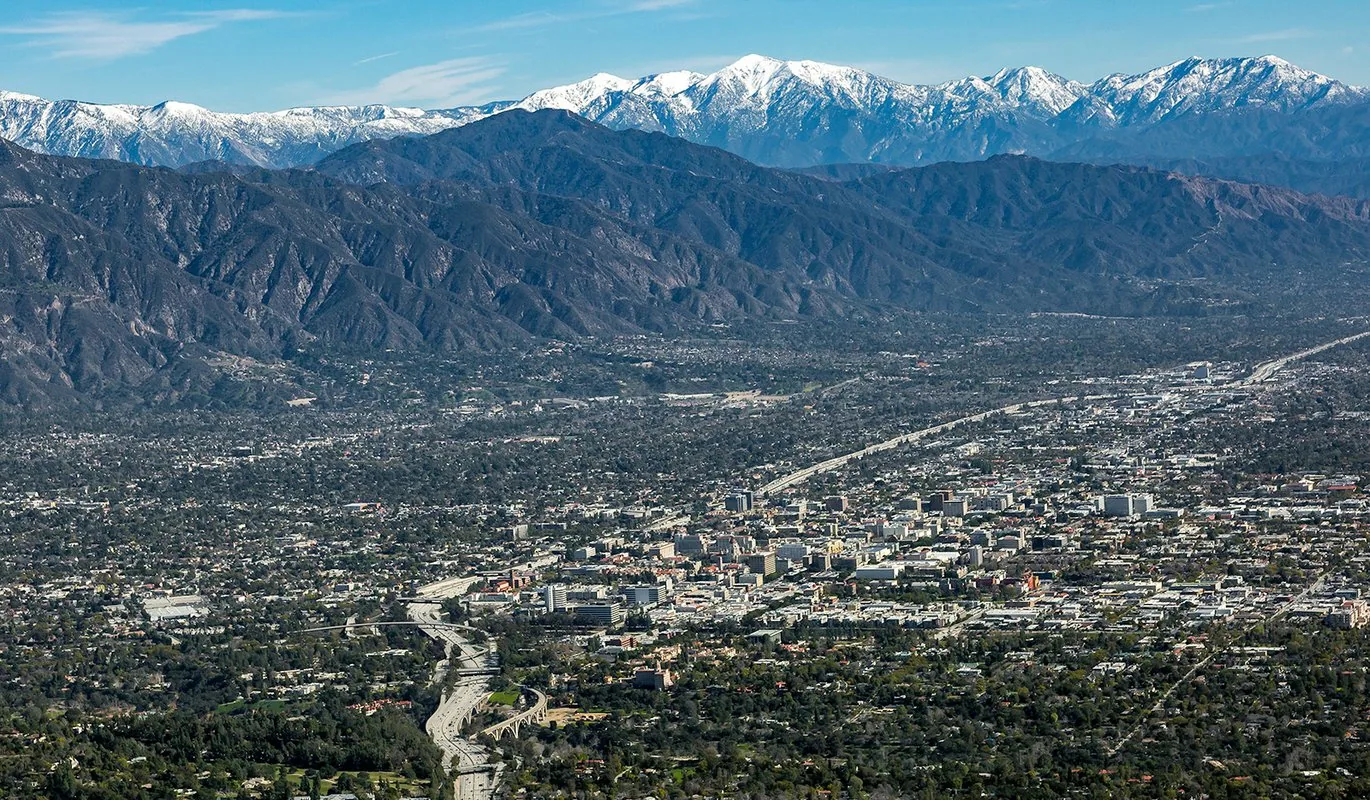
The Glendale area has dry, hot summers and gets most of its rain in the cooler months. At a South Pasadena property, we compare the actual weather and roof surface with the product's requirements. Santa Ana winds call for close attention to edges, while the roof system is reviewed for the specific building. Permits go through the City of South Pasadena, and we confirm the requirements before ordering, with materials and protection ready for each phase.
A property in Pasadena or Highland Park gets its own inspection. For an urgent leak in South Pasadena, we confirm who can approve roof access and check conditions with the help available. Any temporary patch is recorded with its location, purpose and limits. The permanent repair or more testing is scheduled after the roof is protected.
Tear-off can expose more damage that needs a change order and approval. We record the rebuild, revised quantity and schedule impact before the new roof covers it. When the job is done, our roof condition reports keep those photos at recognizable roof locations. Unfinished maintenance and other trades' tasks get a contact and next step. The owner gets a clear explanation of the cost and a useful record for the future.
Tell us about your South Pasadena building and the roof problem. We will inspect it and explain the prep, scheduling and next step.
Other services, systems and conditions Glendale owners often review alongside this one.
Scope, conditions and planning details for Glendale commercial buildings.
The prep behind the flashing, such as wall backing or deck repair, and the complete finished detail, not just the visible metal or membrane.
The existing roof must be dry, well fastened and supported across the area. We take enough core samples to confirm.
We describe the approved delivery, storage and debris plan and price any extra handling alongside the roof work it supports.
The old opening needs new deck or insulation and a watertight patch. We price it separately and inspect it before covering it.