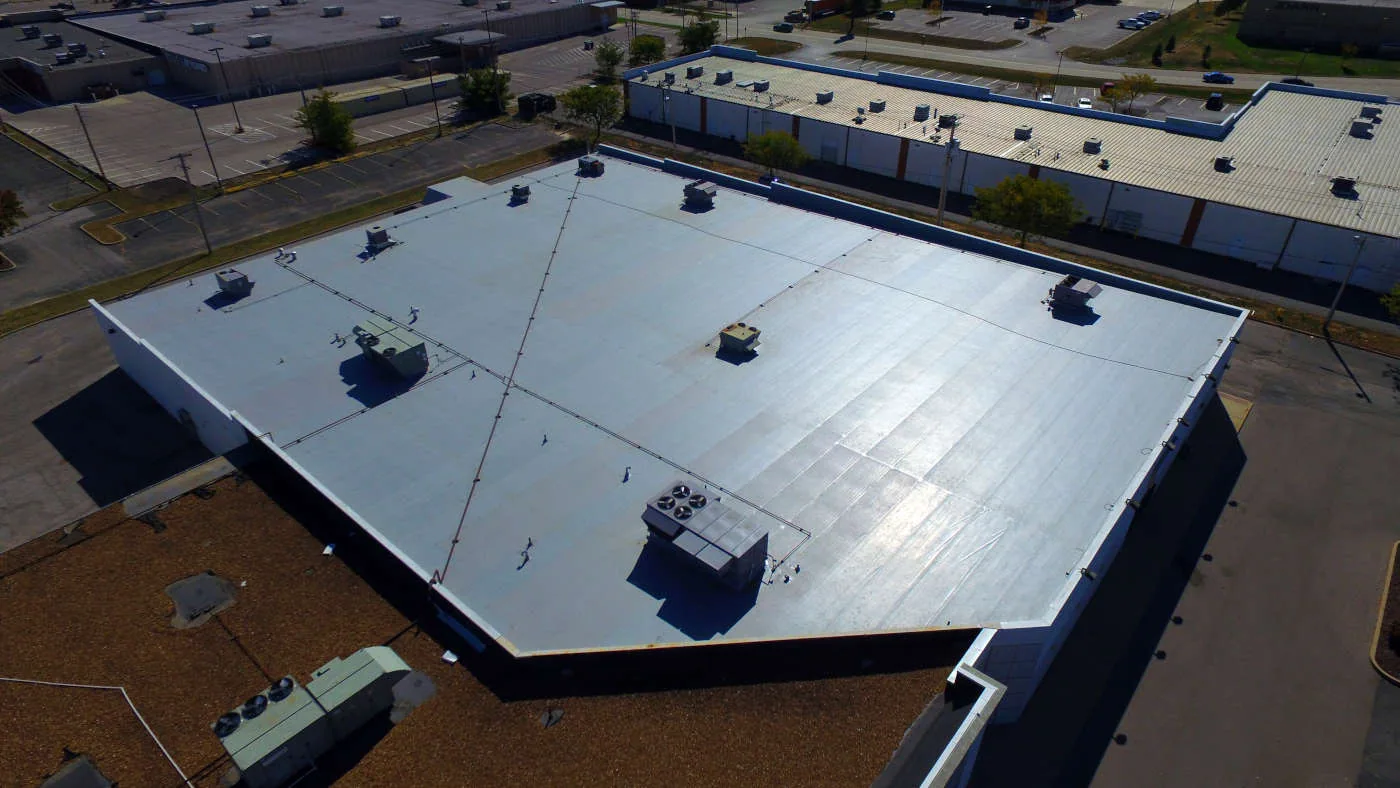
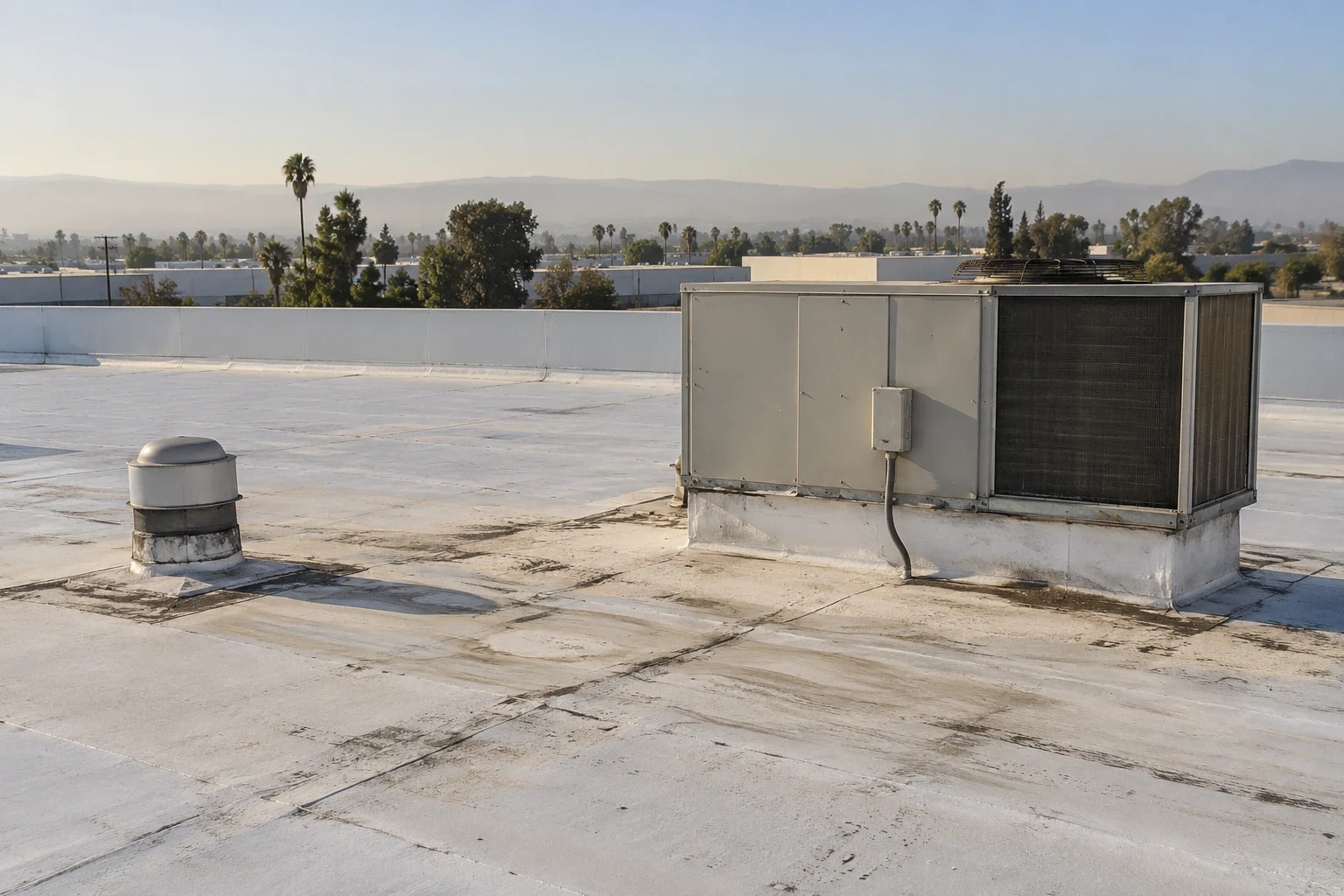
Roof work on a food-processing or industrial building in Vernon has to fit the plant's rules. We inspect the roof and define the prep at each problem detail. The manager gets the roofing quantities along with material handling, protection and other trades' responsibilities. Any production requirement is listed next to the roof work it affects, so the owner can review the full scope before setting a schedule or ordering materials.
Vernon is an industrial city, with food-processing and apparel businesses along its rail lines. We serve it from Glendale, CA, and start by confirming the building and the plant contact. How the roof is built guides the prep, and the plant's processes and access rules guide the work plan. Our recommendation names the repair at a specific roof location and the decisions needed to finish it.
When we open a roof above active production, we need to know what is happening and what is stored below. The plant tells us its restrictions and when work is allowed. Sanitation and food-safety rules come from the facility, not from assumptions about the industry. The plant's team reviews our methods and products. The estimate includes the labor and protection those rules require for each phase.
With manufacturing plant roofing, process equipment and HVAC are shut down or protected by the qualified people responsible for them. We plan our roofing work once those decisions are made. A change in production or a bigger work area may call for another review. We keep that visible in the scope so the roof repair and the plant's needs stay in step.
We walk the delivery, storage and debris routes with the plant contact. We look for conflicts between our setup and forklifts, trucks, workers and emergency exits. Limited storage can mean extra handling or a different delivery schedule. We explain those costs in the estimate. The owner can see the handling cost next to the roofing quantities, along with the prep and resources needed to finish within the plant's rules.
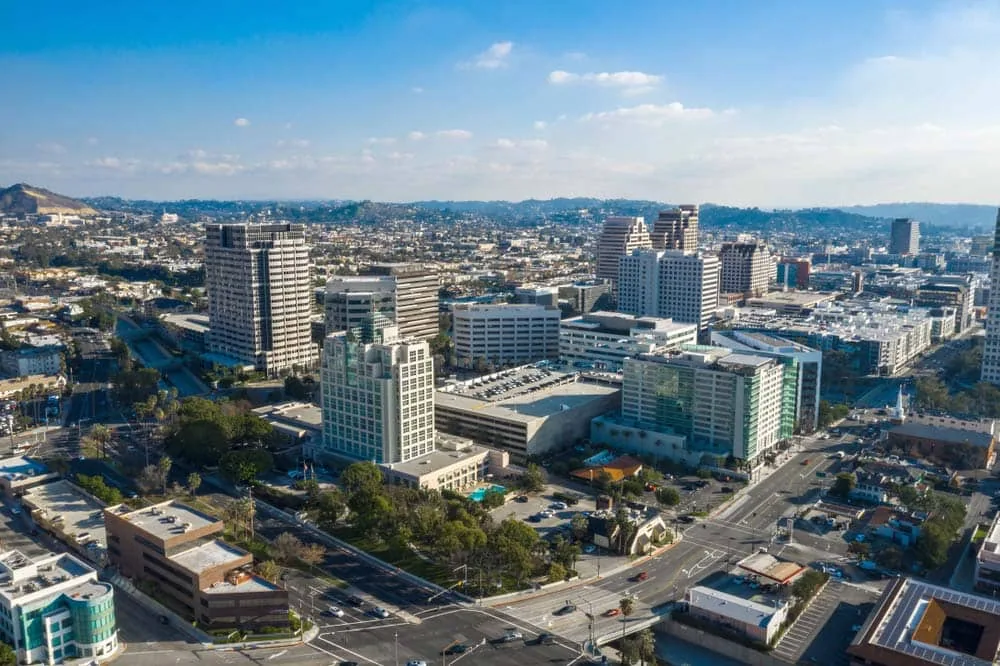
Before choosing how to repair a seam or pipe flashing, we look at the membrane and the roofing around it. We note old patches and any details that affect the new work. Grease, dust or worn-out membrane can change the prep. Cleaning and repair have to suit both the roof and the product we plan to use. The price covers the finished detail rather than counting on a general coating to fix everything.
During a commercial roof inspection, we compare drawings with what is installed. Photos include landmarks and the surrounding details. If something hidden matters, we pick the right test, a core cut or a small opening, to answer it. We photograph what we find and patch the spot. Larger quantities need enough testing to support them before anyone orders materials based on a guess.
Infrared scans can help choose where to test when the roof type and conditions allow it. Equipment, shade and changes in material affect the readings. We interpret them and confirm with cores. The report separates what the scan suggested from what testing confirmed. If the extent of hidden damage could still change the option the manager is weighing, we list the extra check.
If the building has cooled or refrigerated areas, we get the actual operating temperatures from the facility. A leak in those spaces may come from the roof, the refrigeration equipment or the walls and insulated panels. We record when and where it appeared. Water can travel inside the roof before it drips. Condensation is a real possibility in cold rooms, and we check it against actual conditions, assigning another investigation if the roof findings do not explain the leak.
For cold storage roofing, the repair follows the actual roof system and the plant's operating rules. When equipment changes, the mechanical contractor and engineer set the requirements at the roof. We agree on unit size and the room needed to flash the new curb. Insulation and membrane follow those details, and any prep by other trades is named before we rely on it.
A unit that moves may leave an old opening to rebuild. We look at the deck and insulation there and keep it separate from the new curb. We inspect the prep before it is covered. Thicker insulation can also change wall flashing and drain heights. We settle those details before ordering, so the price covers all the work the equipment change creates.
A spot repair needs sound roofing around it. A coating needs an inspected base and the prep the product requires. A roof-over requires the existing roof's condition and fastening to be checked along with its support. If keeping the old roof will not work, we price tear-off and replacement. Every option is compared against the same problem, with the finished details and production rules each one needs.
We check each drain and how water flows to it, and clear debris where that is the fix. Water that keeps ponding needs a look at slope and the layers underneath. A plumber reviews supports and discharge before any drain or slope change. The roofing follows the approved plan, and cleaning and rebuilding are kept as separate tasks in the scope.
Tear-off can uncover more damage. We mark it and present the needed repair with revised quantities for approval, including any effect on protection, material handling or production schedules. We photograph the prep before it is covered. The approved change stays tied to the reason for the added cost, so the owner can explain the final amount long after the deck is hidden.
The region has dry, hot summers and gets most of its rain in the cooler months. On a Vernon job, we check the actual weather and the roof surface against the product specifications. Santa Ana winds are a reason to inspect exposed edges. Permits go through the City of Vernon, and we confirm the roof system and fastening requirements with them before ordering materials.
A building in Downtown Los Angeles or Lincoln Heights gets its own inspection. For an urgent leak at a production building, we confirm access approval and roof conditions. The help available affects what temporary protection we can put in place. Any patch is recorded, and the permanent repair or more testing is scheduled, while the plant manages operations.
At the end of the job, our roof condition reports keep prep photos and material details with approved changes and finished details. Open maintenance or other trades' work gets a contact and next step. Later inspections are dated at the same roof locations. The manager has a record of the finished work and the follow-up, along with the plant arrangements that shaped the cost.
Vernon is its own industrial city, with rail lines and many food-processing and apparel businesses. That tells us what questions to ask, but not what membrane or exhaust system a particular building has. We confirm operations and equipment at the property, then coordinate deliveries, dust control and access with its representative. Roof drains and curbs should be checked after any production or HVAC change. The local forecast and the chosen roof system set the work days. A good closeout records each repair by roof area and assigns remaining maintenance to the right person.
Tell us about your Vernon building and your plant contact. We will inspect the roof and explain the repair, prep and next step.
Other services, systems and conditions Glendale owners often review alongside this one.
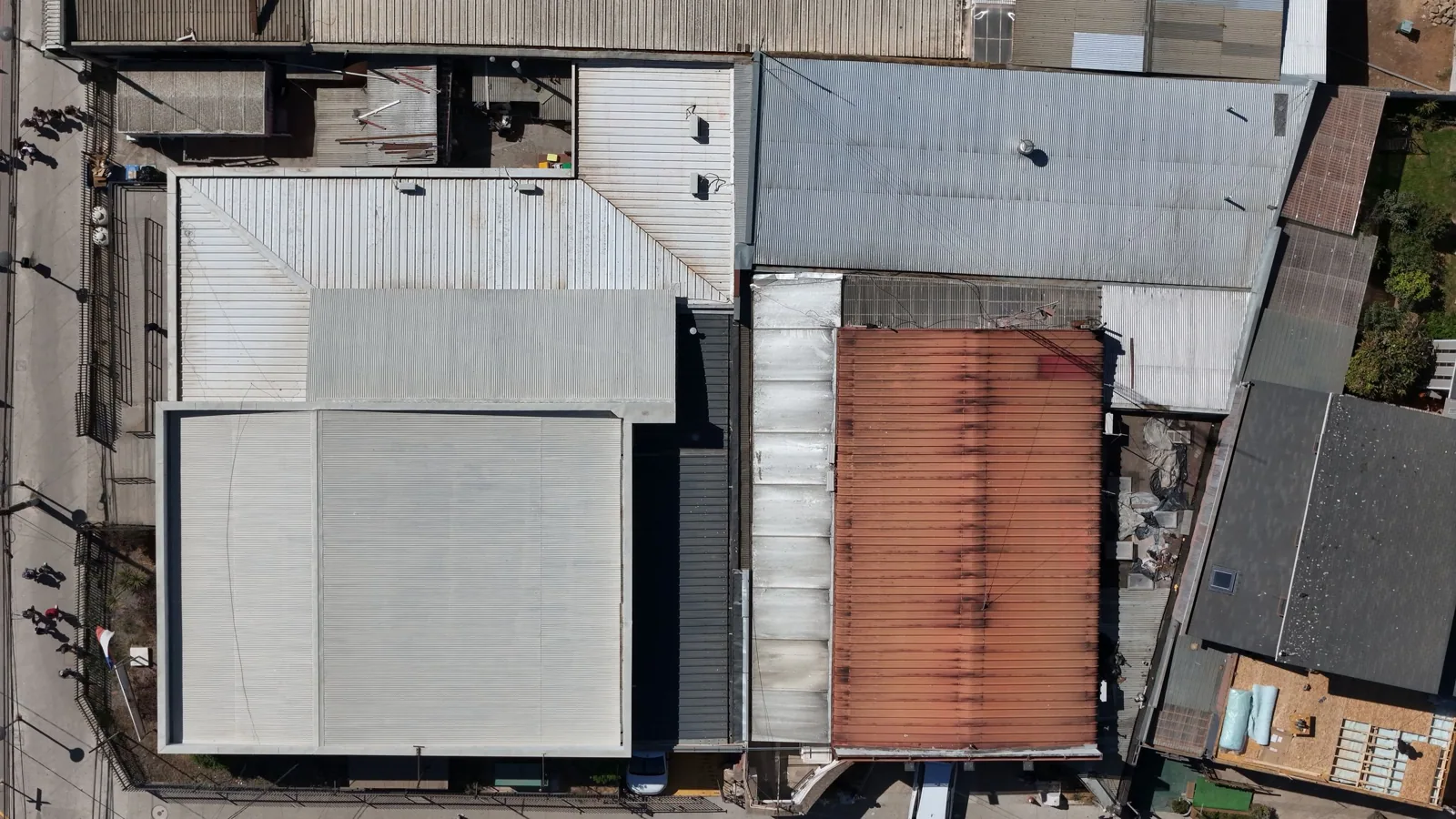
Scope, conditions and planning details for Glendale commercial buildings.
Production activity below the work, sanitation rules and allowed work hours. We include the protection and prep those rules require in the price.
We check the roof, refrigeration equipment and wall panels, and compare actual temperatures and humidity to see whether condensation is the cause.
Usually new deck or insulation and a watertight patch. We assign the prep and inspect it before the opening is covered.
More repair work can change protection needs or production downtime. We get approval for both the work and the schedule change together.