What the sun has done to the roof
We identify the membrane or coating and mark each problem on a roof plan. Fading does not mean the roof is open to water. We separate surface wear from cracks, open seams and failed flashing before recommending a fix.
An inspection notes past repairs and dates each photo. We tie findings to nearby units, walls and drains so anyone else on the roof can find the same spot.
An office on Brand Boulevard and a warehouse off San Fernando Road can age very differently. The building itself, not the street, tells us what is installed, how old it is and what is wearing it out.
Ask for the original roof warranty, product data and repair invoices if you have them. An install date helps, but it does not tell us whether the roof is still a good candidate for a coating. We report what we could reach and what we could not.
Old coatings and patches change what the next product has to bond to. Two areas that look the same may need different prep, and some patch materials will not accept a new coating at all.
What each price should include
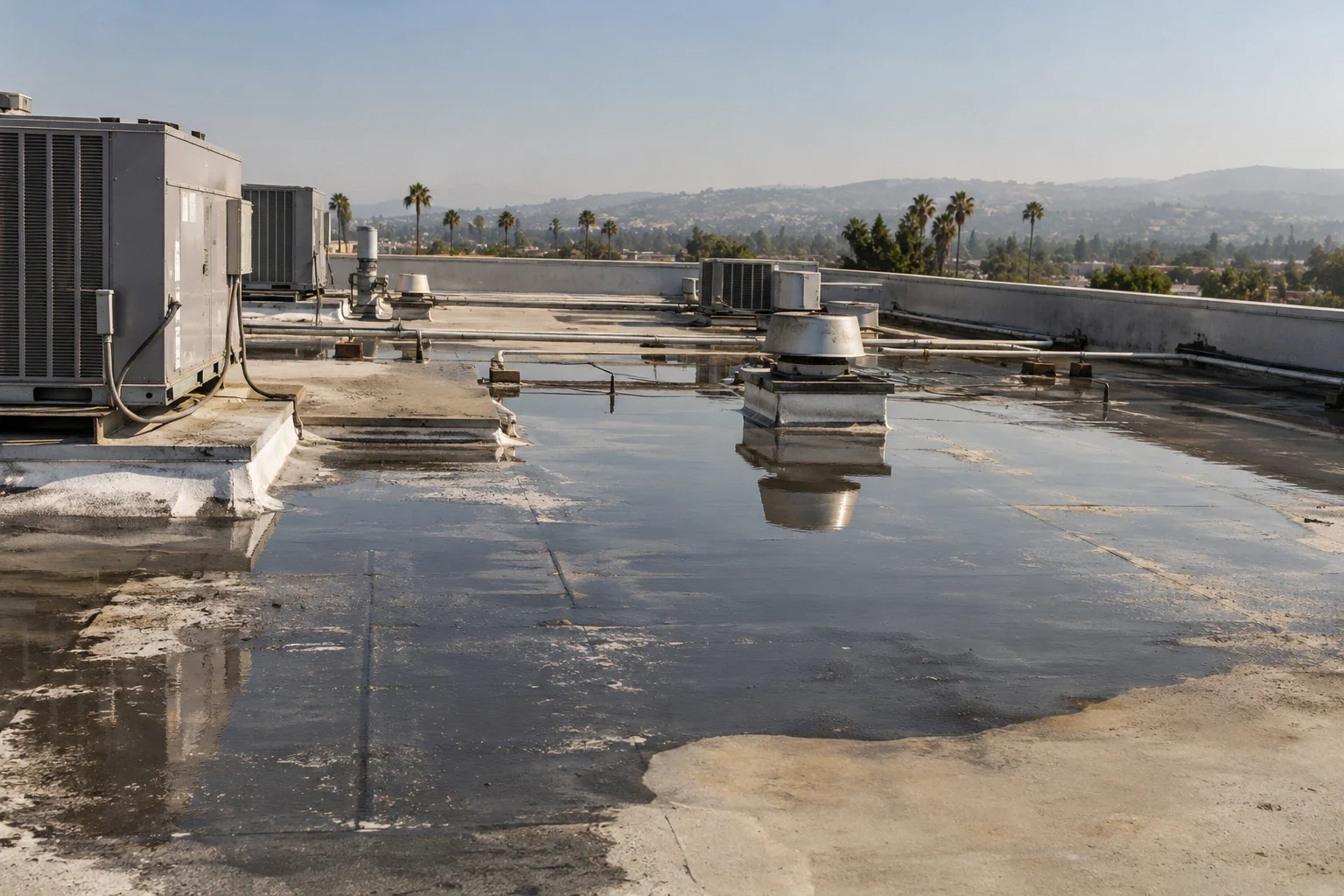
Each option should break out cleaning and prep, seam and flashing repairs, and any replacement of wet insulation or damaged deck. Washing and coating a roof is a different job from rebuilding what is underneath, and the price should show.
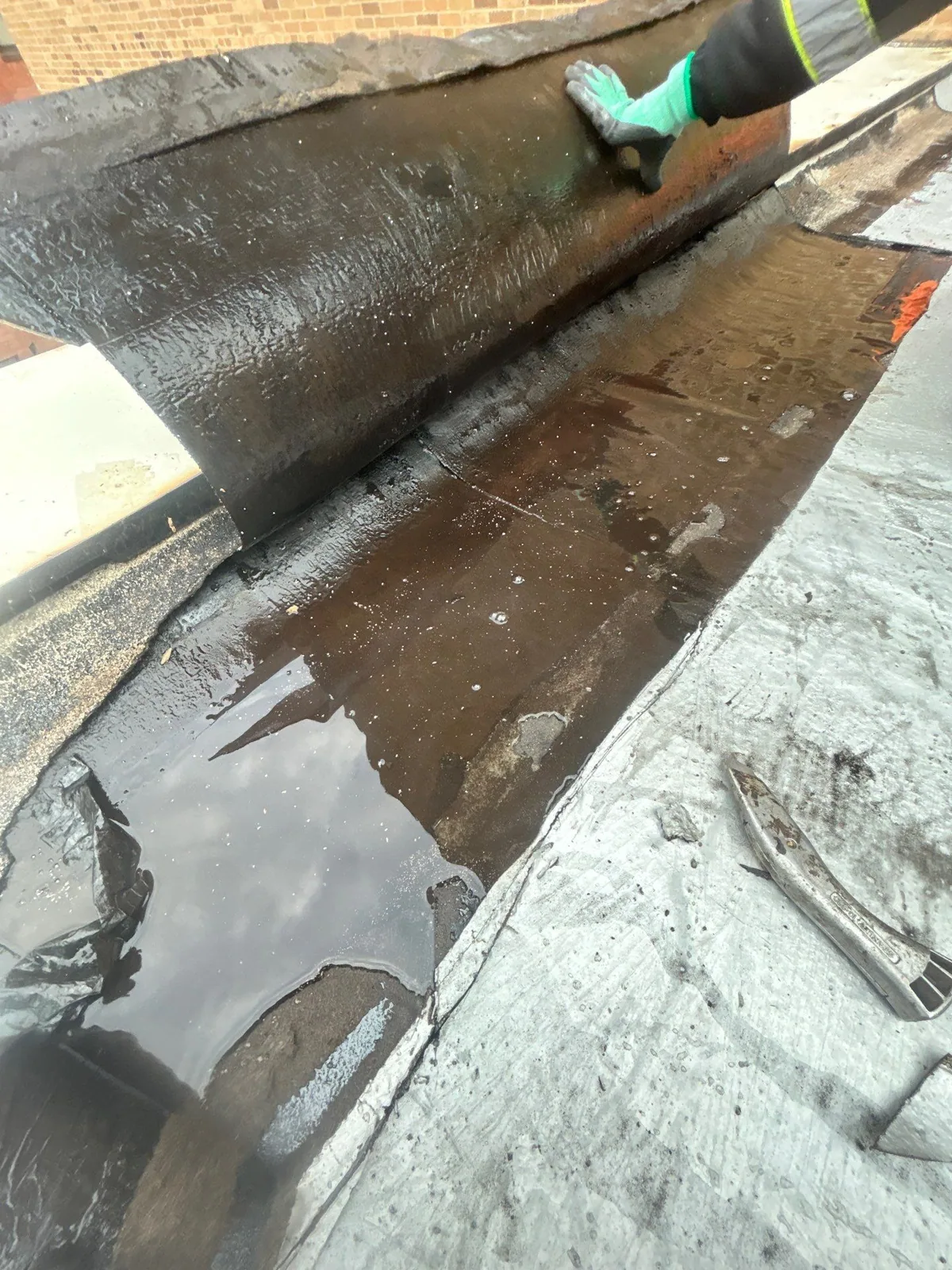
Seam failure repair is often part of a coating job. We mark the seams that need work first. A coating should never be used to hide a seam that has not been checked.
Hoisting, haul-off and protecting tenants below go with each method. Short work windows or extra setups can change the cost, so they stay attached to the option that needs them.
If we find more damage once work starts, we photograph it, measure it and price it for your approval before going further. Any allowance states what it is based on.
Roof capital planning splits urgent repairs from work that can wait, with a date to recheck the deferred items. We do not promise a set number of extra years from a coating or repair without a real basis.
Records and follow-up inspections
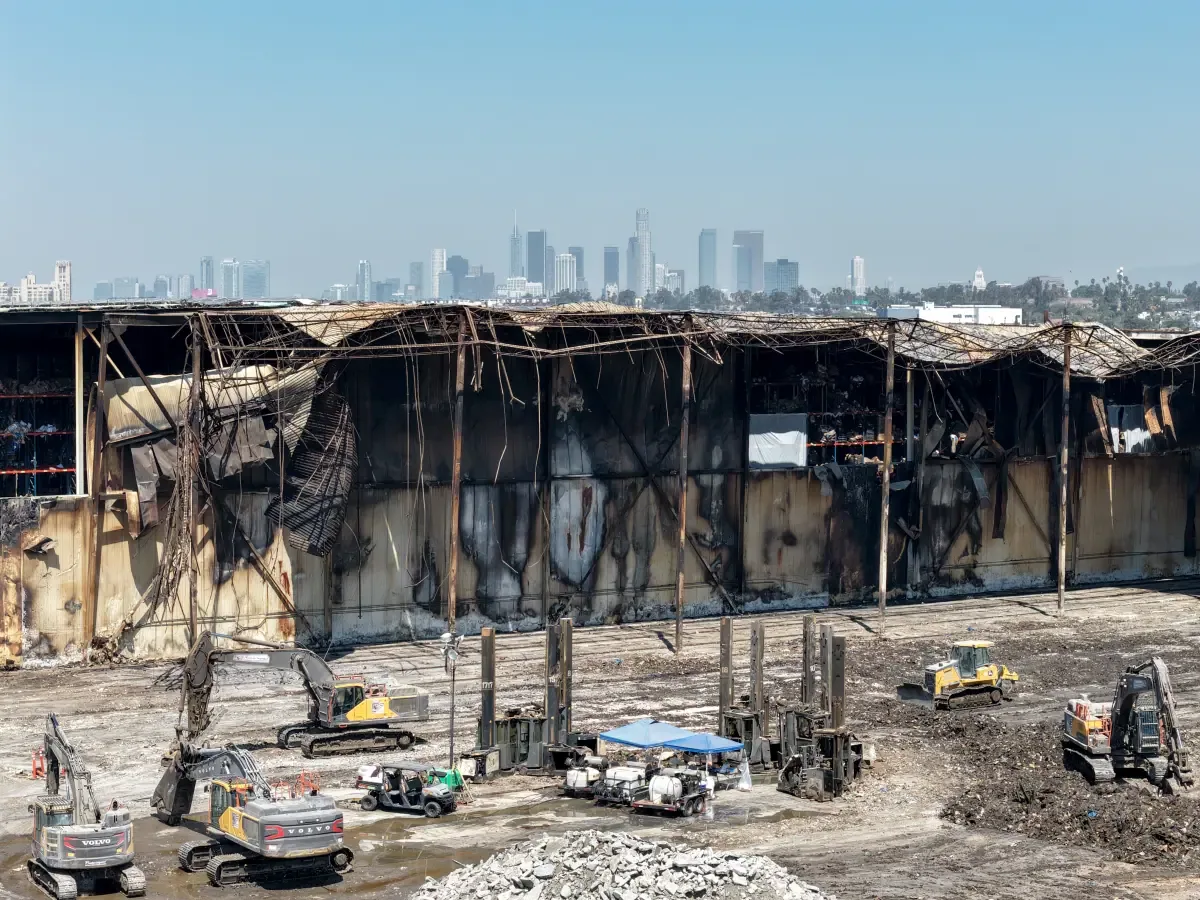
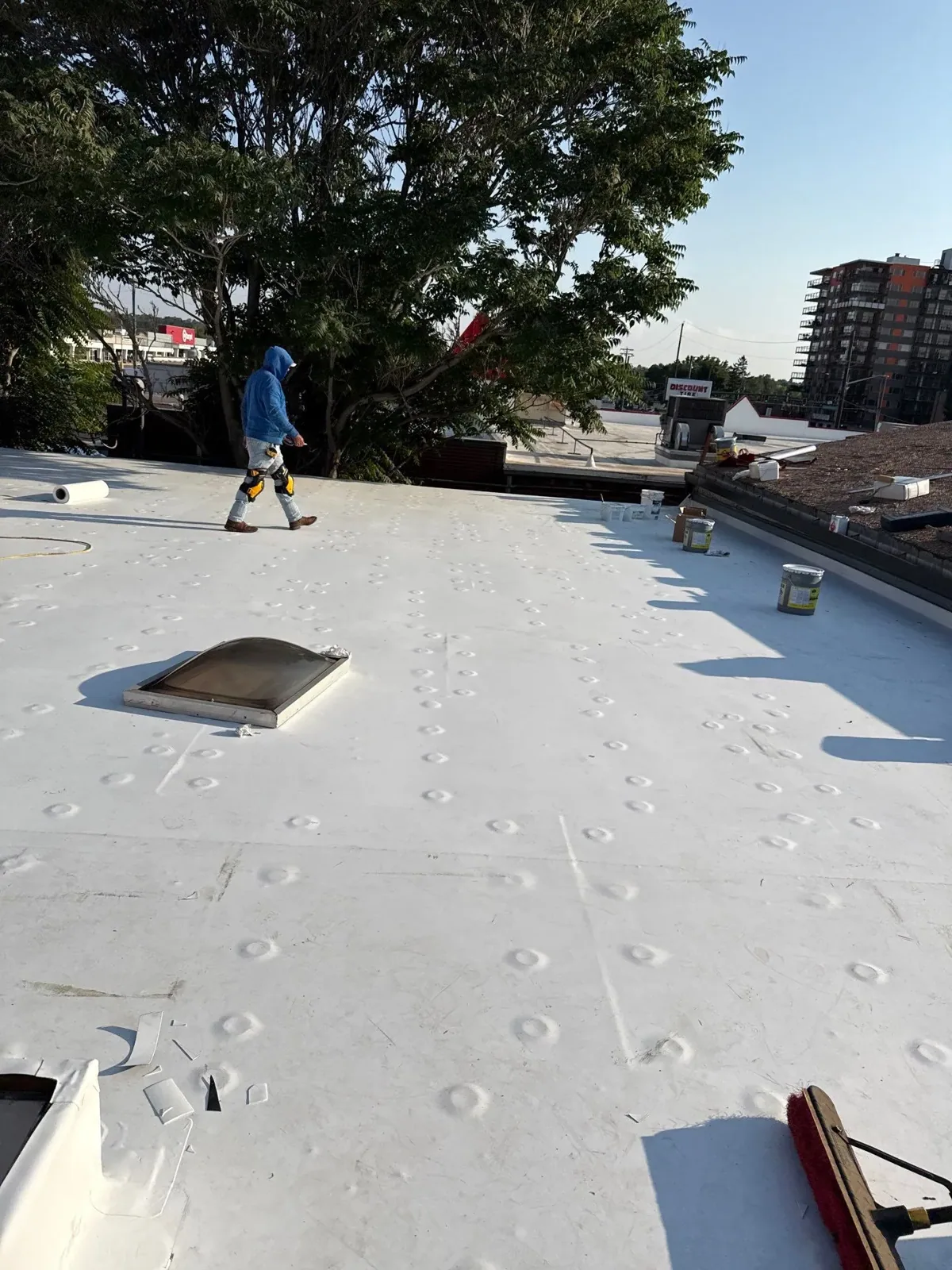
We photograph the prepped surface and the finished details at marked locations, and list the materials, quantities and checks. Areas not included are listed too, so a new coating is not mistaken for an inspection of everything under it.
Preventive roof maintenance keeps drains clear and gets the roof inspected on schedule. Each recommendation names the area, the reason and who handles it. A new coating still needs upkeep under the manufacturer's rules.
A roof condition report keeps track of open questions for buildings in the San Fernando Road corridor, along with each building's access arrangements.
New cracks or leaks get a new dated report. We compare them with the work done and any equipment changes since; earlier sun damage is not assumed to be the cause of every later problem.
Damaged flashing needs its own repair, not just a coat over the top. When it is part of the job, it is priced separately from the field coating so the owner can see both costs.
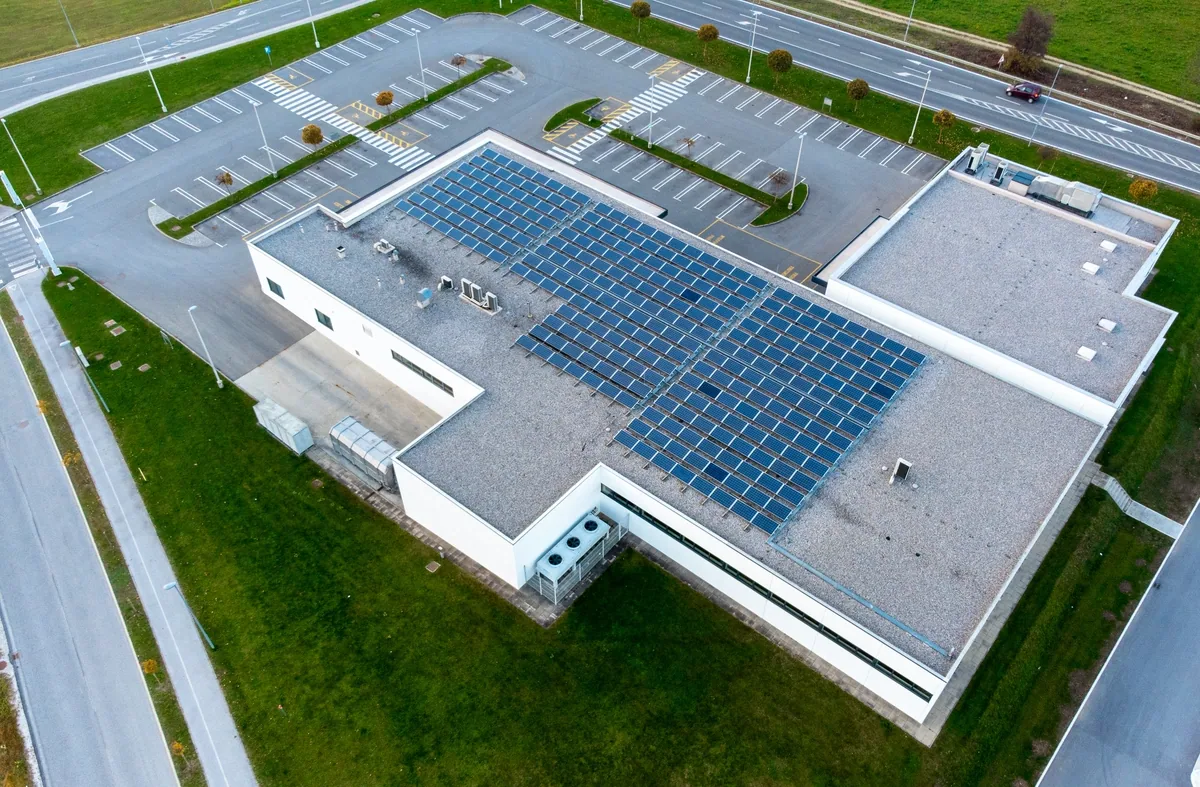
Glendale's long, hot summers put steady sun and heat on membrane and metal. That helps set how often to inspect, but the roof's actual condition decides whether it needs repair. We check for brittle membrane, open seams, worn coating and dried-out sealant, then look for leaks at the same spots. A coating or new membrane is considered only after we have checked for wet insulation and a sound deck. Photos taken with nearby units in frame let the owner compare the same details from one inspection to the next and tell normal wear from a problem that needs fixing.
Talk through your sun-damaged roof
Schedule a roof inspection in Glendale. We will explain what the sun has done, what each option involves and what it costs before you decide.
Related Roofing Pages
Other services, systems and conditions Glendale owners often review alongside this one.
Questions About Heat and UV Roof Damage Repair
Not by itself. Fading is often cosmetic. Replacement depends on whether the membrane is brittle, the seams are open or the insulation is wet.
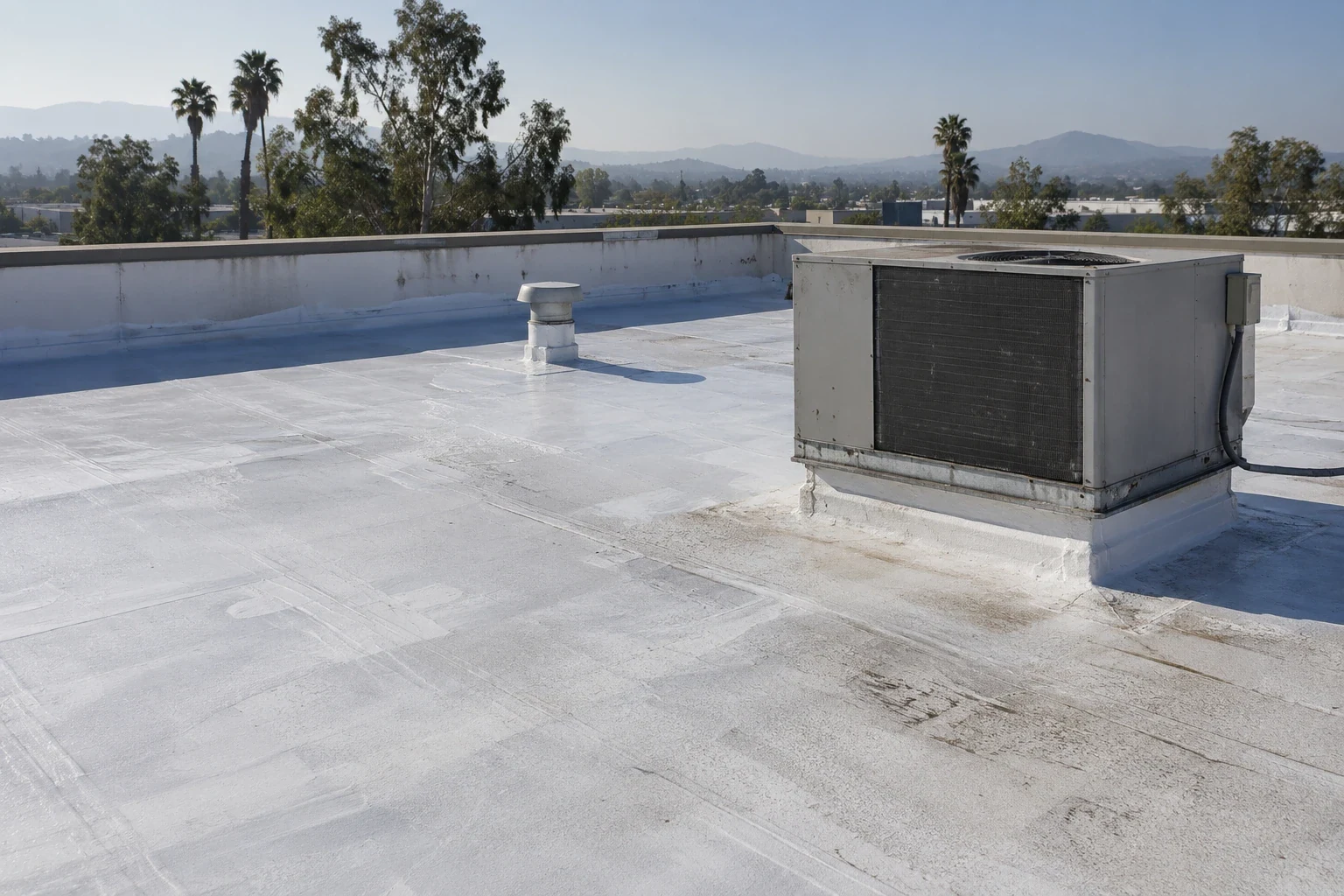
No. A coating only works on a roof with dry insulation and sound seams and flashing. Damaged areas have to be repaired first.
Not always. The product has limits on surface temperature, dew and cure time, and we check them on the day of the work.
Keep the photos, the materials list and warranty, any approved changes, and the list of maintenance items or open questions.