Get Answers Fast

Send the Building Details

Request an
Assessment

Call Our Team

555-555-5555
Request an
Assessment
555-555-5555

Spray Polyurethane Foam Roofing

An industrial owner considering a foam roof needs the surface prep and the protective coating explained as one project. The asset manager should know how spraying fits around rooftop equipment, parked cars and nearby activity. A foam price alone leaves major prep and upkeep decisions open.

Spray polyurethane foam (SPF) roofing in Glendale, CA, is sprayed as a liquid that expands into a seamless insulating layer, then covered with a protective coating. We review the existing roof and define the prep, foam, coating and flashing details. The owner gets a practical recommendation based on the roof's condition. A smooth finished surface does not prove the layers underneath were sound.

Checking the Roof Underneath

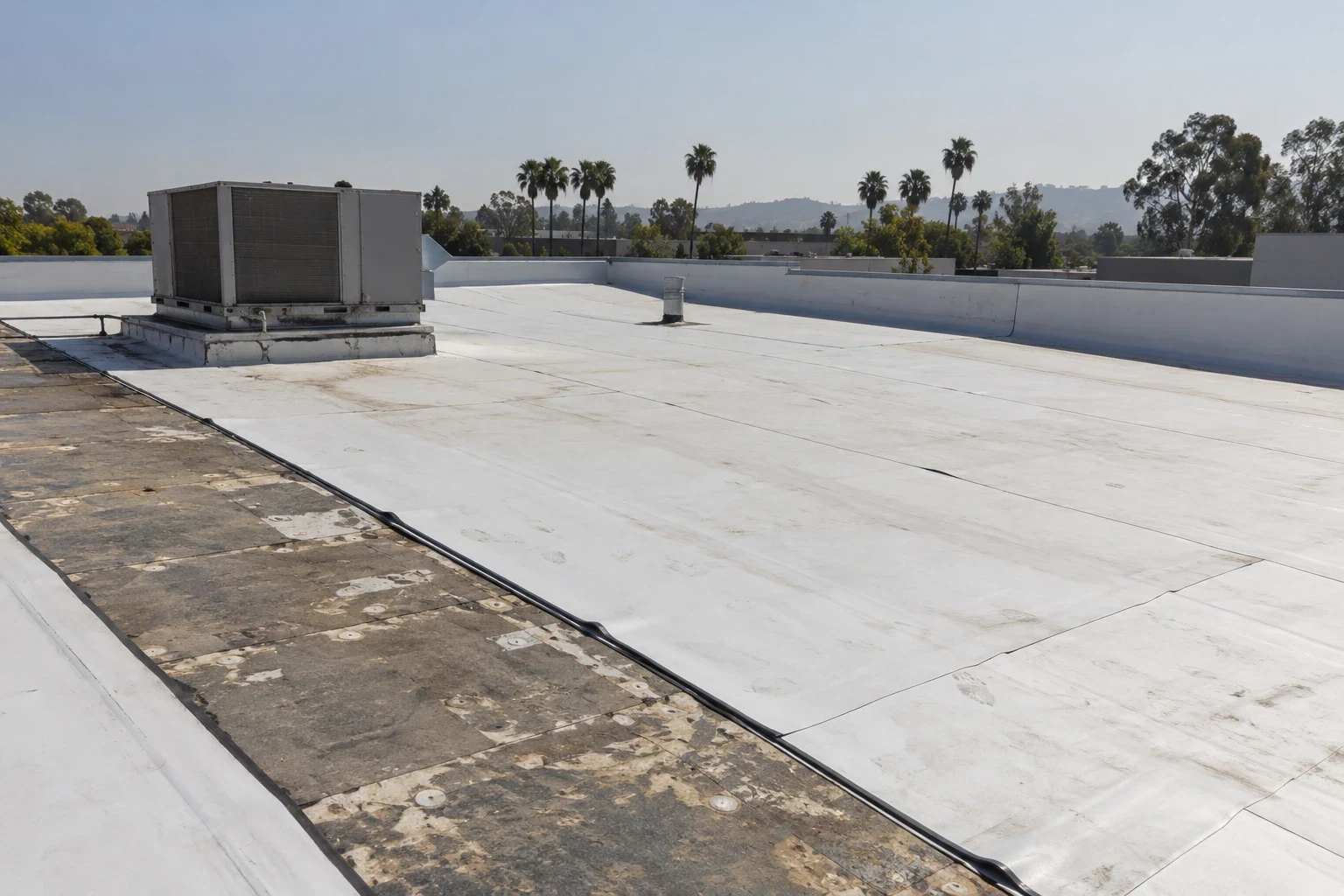
We identify the existing materials from records and testing. Old coatings or repair products can affect how foam bonds, so the surface must meet the system's requirements rather than being assumed suitable from how it looks.

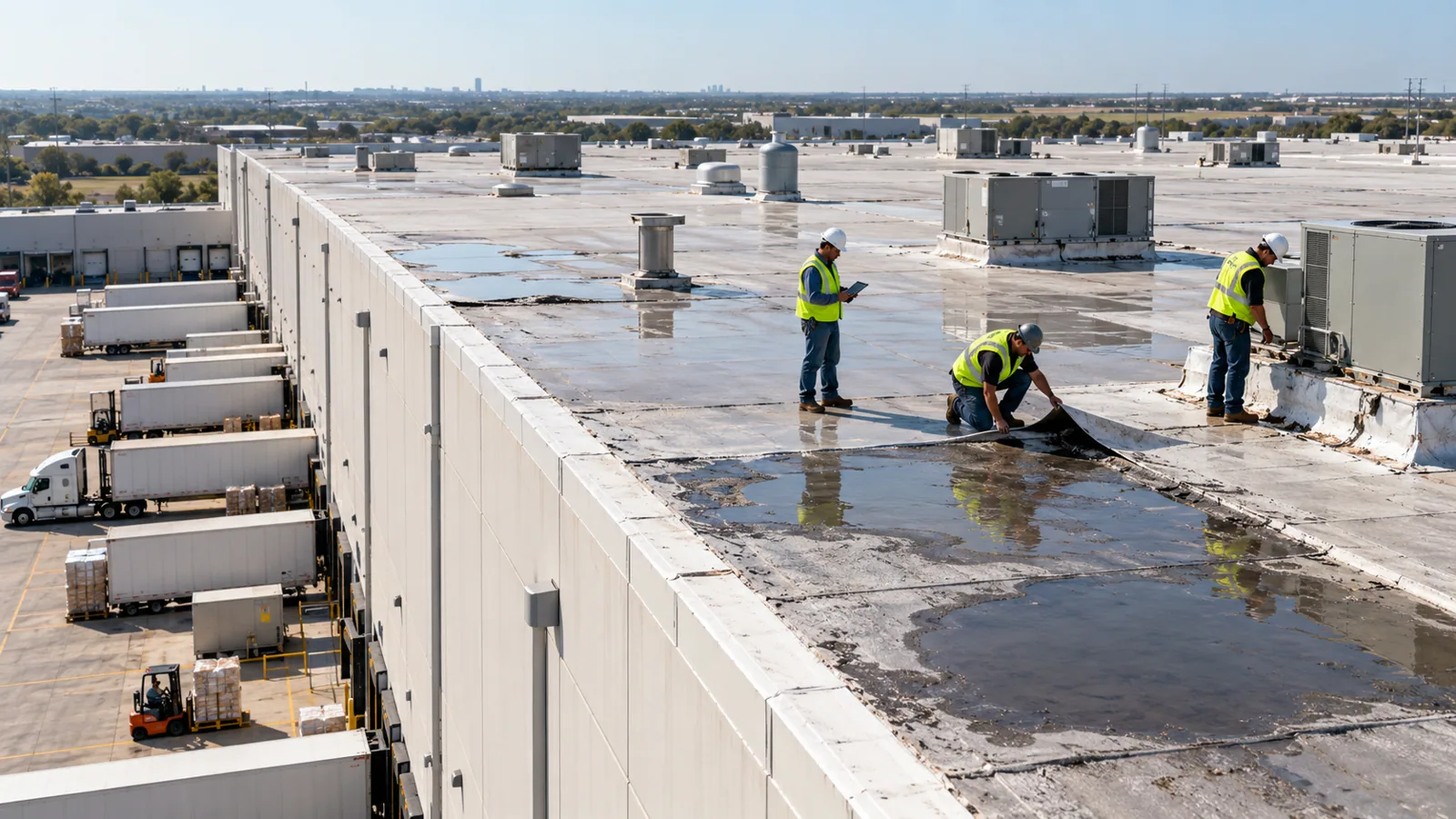
A commercial roof inspection describes what we checked and what we could not reach. We record defects and contamination such as oil or loose gravel. Hidden layers and the deck are separate questions a surface view cannot answer.

When the evidence is not enough, we test to answer a specific question about the existing roof. We describe what each core or scan shows and where it was taken, and keep untested areas visible as an open limit.

We measure the actual work areas and separate roof sections. Floor area cannot give foam quantities or show roof slopes, and any information still needed for prep and takeoffs is shown in the estimate.
Spray Polyurethane Foam Roofing in Glendale, CA

Recover or Tear-Off First?

Before foam goes over an existing roof, we check those layers for moisture, attachment and code limits. Covering old material does not make those questions go away.

A roof recover evaluation looks at the existing construction and requirements together. Core samples add evidence but cannot settle every roof-wide condition, and a structural or design review may still be needed.

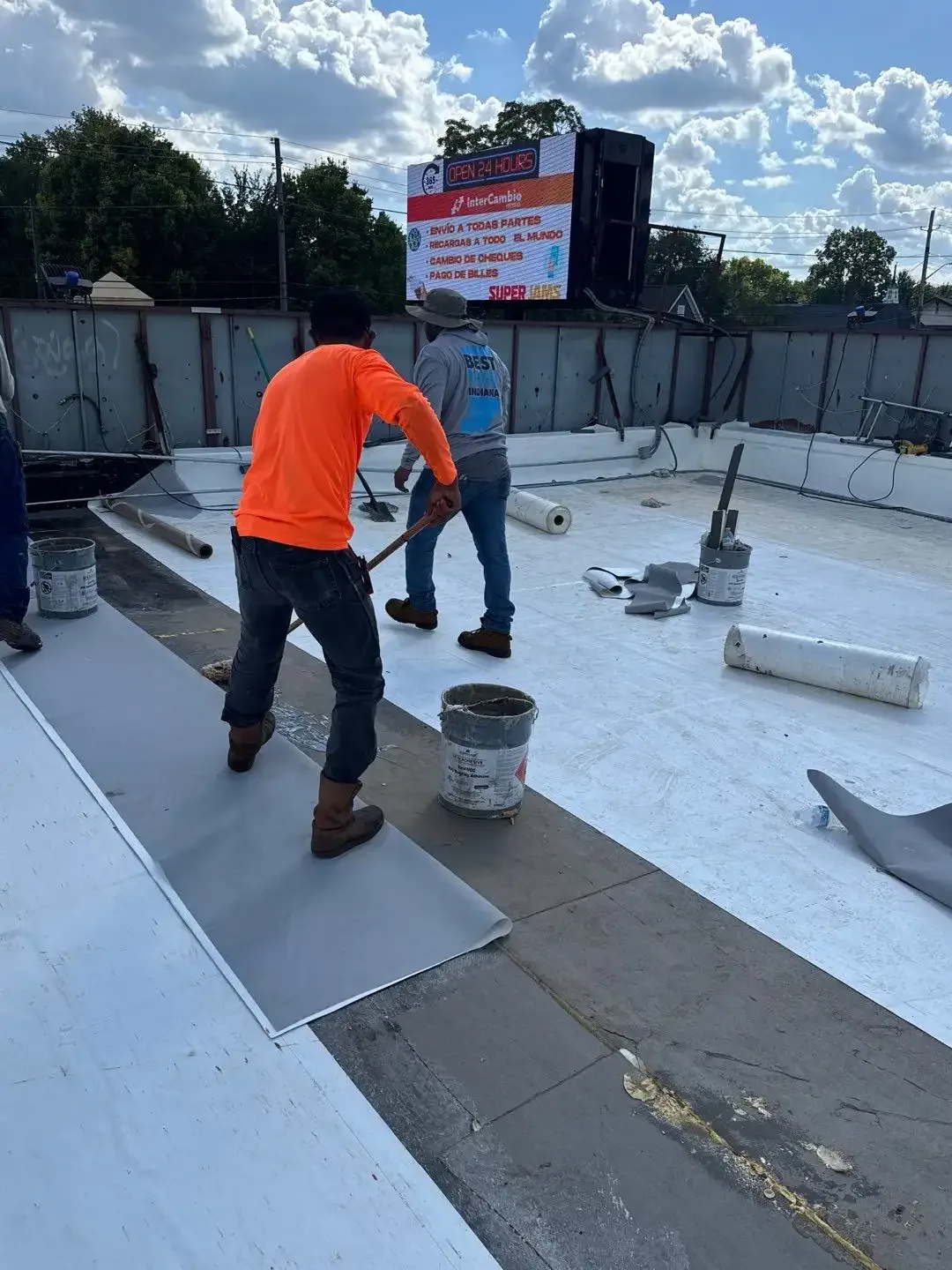
Where commercial roof replacement or partial tear-off is needed, we define the area and depth. What we find underneath can change the prep or deck work, so allowance quantities are listed separately with a named approver.

Approved changes are written into the installation specification. A different surface may change the prep or products, and the crew should not keep working from an old assumption once conditions change.

Spraying the Foam

We specify the foam density and thickness for the project, following the approved design and product data. A generic foam roof description does not define the installation.

We check surface moisture, temperature and the forecast before spraying. Wind and nearby activity matter a lot with spray work, and the right controls depend on the site rather than one regional rule.

Overspray can travel. We identify sensitive areas with the operator, including cars, equipment, windows and neighboring properties, and plan masking, wind limits and work zones. A standard setback distance does not settle every neighbor concern.

We keep application records and thickness checks in the work log, along with repair locations and approved changes. Saying the roof was sprayed is not the same as a usable record of what was installed.
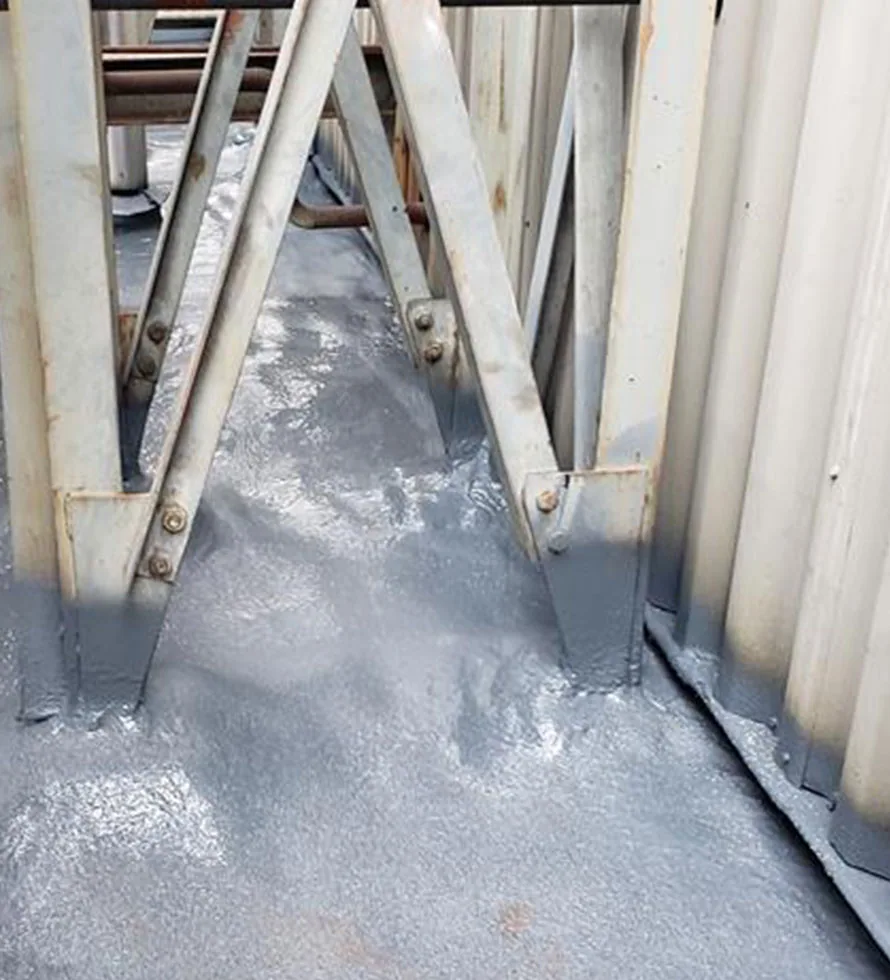
Spray Polyurethane Foam Roofing in Glendale, CA

The Protective Coating

Foam breaks down in sunlight, so the protective coating is a required part of the roof, not an optional color. Its products and prep are part of the scope from the start.

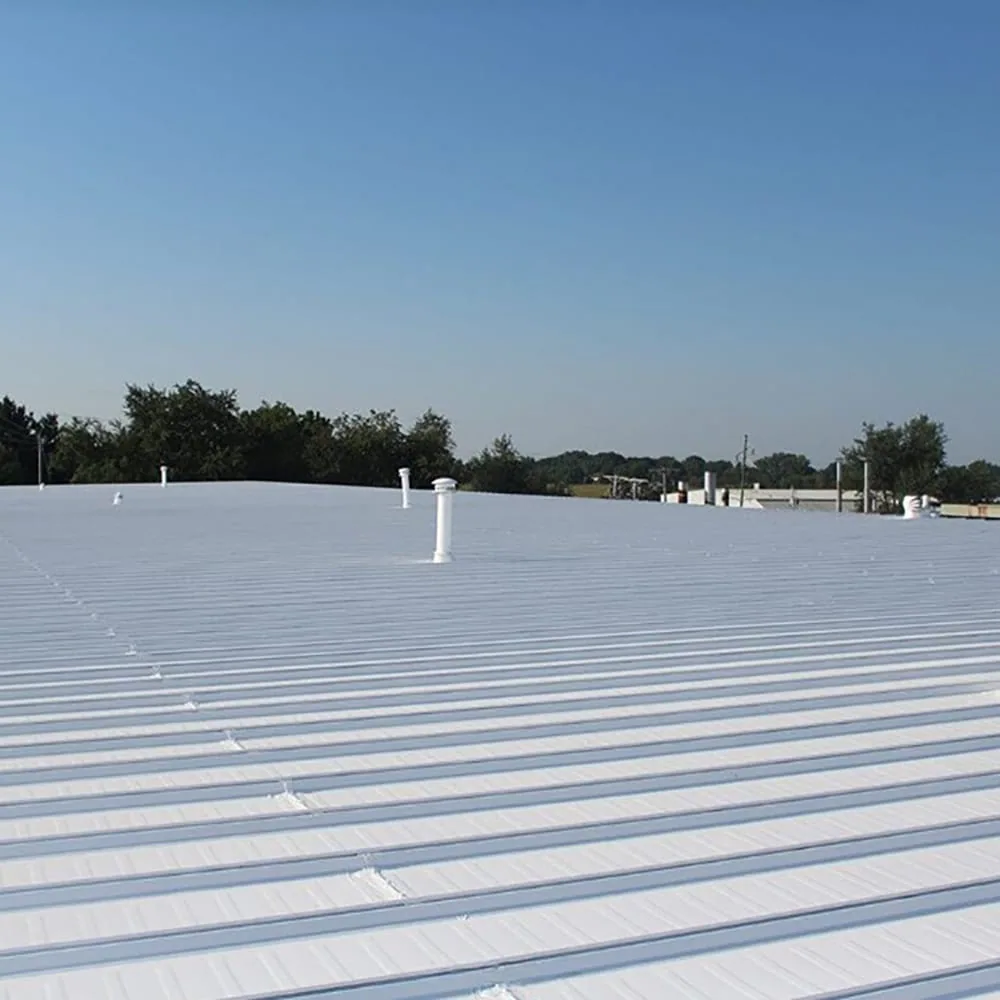
A silicone roof coating must match the foam system and the project's requirements, with a defined basis for compatibility and coverage rates.

An acrylic roof coating needs its own ponding and drying review. We follow the product instructions and actual conditions, since daylight does not tell us the coating is ready for the next coat.

We record coating thickness checks and repair areas and keep the product information for later work. Future repairs or recoats should not assume every coating accepts the same prep and materials.

Drains, Curbs and Rooftop Traffic

When foam is used to build slope, the design should come from measurements and drainage planning. Adding foam does not automatically fix every low spot, and the deck and drain conditions still matter.

We coordinate roof drains and scuppers with the foam and coating, listing which drains stay and which are repaired. Primary and overflow drains must keep working with the new roof profile.

Curbs, pipes and edges each get their own review. Curb repairs or equipment access may need to happen first, and we assign that work instead of assuming foam sprayed around a unit fixes its condition.

Technicians need approved access and walkway protection, since foam roofs can be damaged by dropped tools and heavy traffic. We record routes and handling rules with the operator, so the roof is not used for storing tools or equipment.

Planning a Foam Roof in Glendale

For a facility along San Fernando Road in south Glendale, we coordinate truck areas and parked vehicles before choosing a spray window, and the property contact approves affected routes and restrictions.

At a building in the Galleria District off West Broadway, tenant contacts help us identify sensitive areas and delivery arrangements, and the operator's instructions set how the work is coordinated.

Most of Glendale's rain falls in the cooler months, and summers are generally hot and dry. We use those patterns to plan, then check the roof surface and forecast against the spray procedure, paying close attention to wind.

Any shutdown of air handlers or intakes needs building staff approval and a set time. Sanitation and occupancy decisions are handled separately, and we plan protection for unfinished areas and a contact for schedule changes.
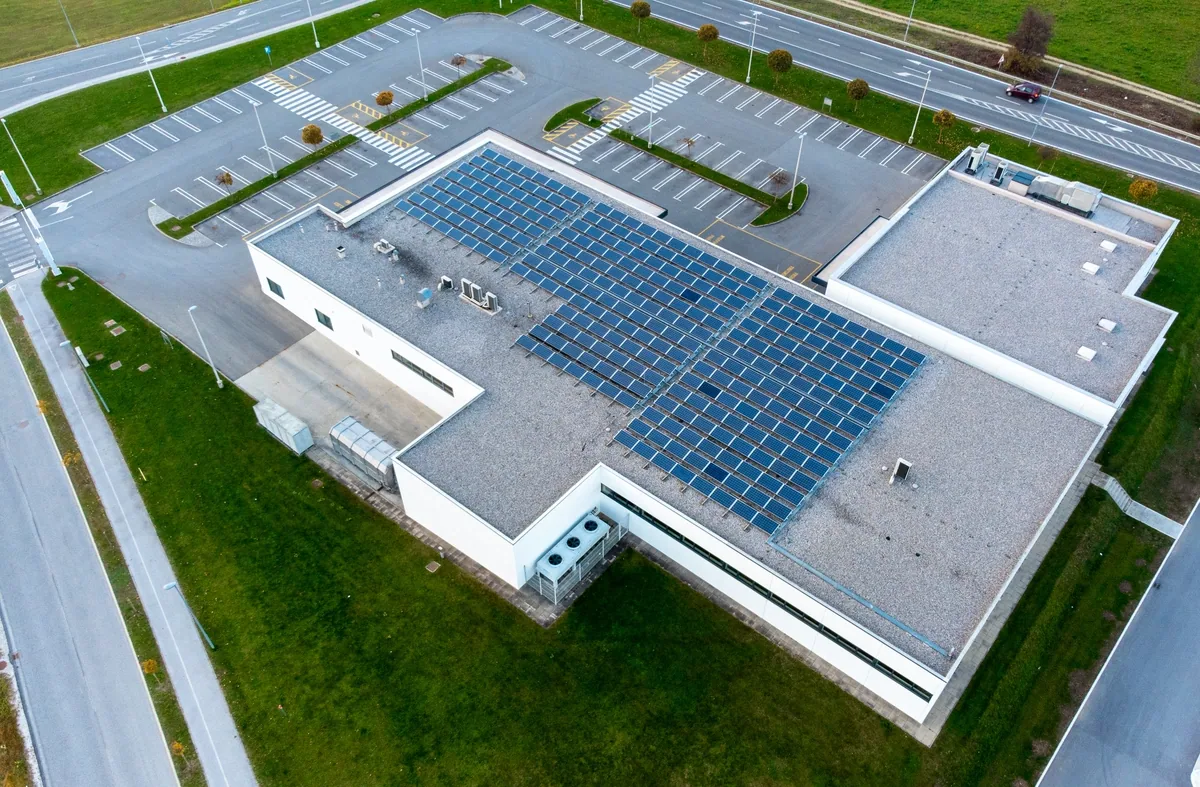
Spray Polyurethane Foam Roofing in Glendale, CA

Comparing Bids and Maintenance

We break out testing, prep, foam, coating and details as clear cost items, with allowances and equipment dependencies shown. The recommendation is based on the roof's condition, not a promised lifespan or energy savings figure.

We review the issued warranty and service requirements for the installed system. Recoat and maintenance requirements come from those documents, which stay with the product and detail records.

Preventive roof maintenance visits record the coating's condition, any damage and flashing findings. A recoat recommendation needs evidence and the right product, and a fixed calendar date does not fit every building.

At completion, we keep test results, photos and approved changes by location, and list open work with responsible contacts. The manager then has a real roof history for future repairs.

A foam roof depends on a dry, stable base and a protective coating that stays intact. We inspect for moisture, failed seams, surface damage and drainage concerns before applying new foam or coating. Preparation includes protecting equipment and air intakes, and the spray work needs a controlled application area. Foam thickness affects surface slope, so we check how the finished profile moves water toward drains. Glendale's dry weather can support application, but the contractor still has to follow product and substrate limits. We record the area prepared, the materials applied and any excluded zones. That gives the owner a clear baseline for future coating maintenance.

Foam work at a Downtown Glendale property may need protection for occupied rooms, while a San Fernando Road industrial roof can have sensitive air intakes. We confirm masking and staging from the actual facility layout.

Talk Through a Foam Roof for Your Building

Share your roof records and operating restrictions. We will explain the roof review, the foam and coating system and how we will control the spray work.

Related Roofing Pages

Other services, systems and conditions Glendale owners often review alongside this one.
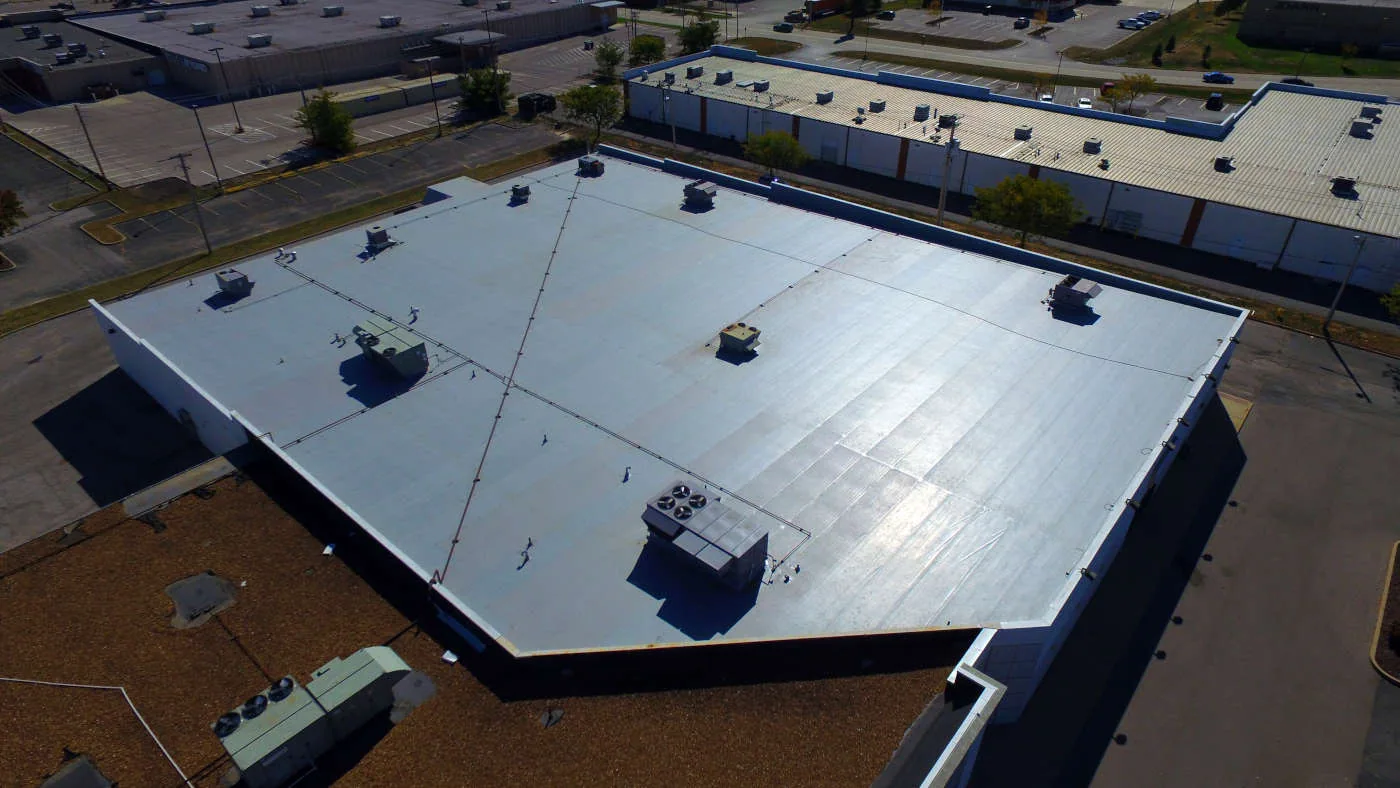
condition assessment
Commercial Roof Inspection

Scope, conditions and planning details for Glendale commercial buildings.

recover evaluation
Roof Recover and Overlay

Scope, conditions and planning details for Glendale commercial buildings.

removal
Commercial Roof Replacements

Scope, conditions and planning details for Glendale commercial buildings.

silicone system
Silicone Roof Coatings

Scope, conditions and planning details for Glendale commercial buildings.

Questions About Spray Polyurethane Foam Roofing

No. Foam degrades in sunlight, so the specified coating is part of the roof system. Its prep and recoat requirements belong in the scope from the start.

Not automatically. Foam can be sprayed thicker to build slope, but that needs measurements and a drainage plan. Drains and the deck still need to be checked.

We check the product requirements, surface moisture and temperature, the forecast and especially wind, plus nearby cars and activity. Regional averages do not approve a spray day.

It depends on the coating, exposure and condition. We base recoat timing on inspection findings and the system's requirements rather than a fixed schedule.

ServicesRoof SystemsProperty TypesIndustriesService AreasDamage RepairCapabilitiesManufacturersAboutRequest a Roof Assessment555-555-5555
Call555-555-5555