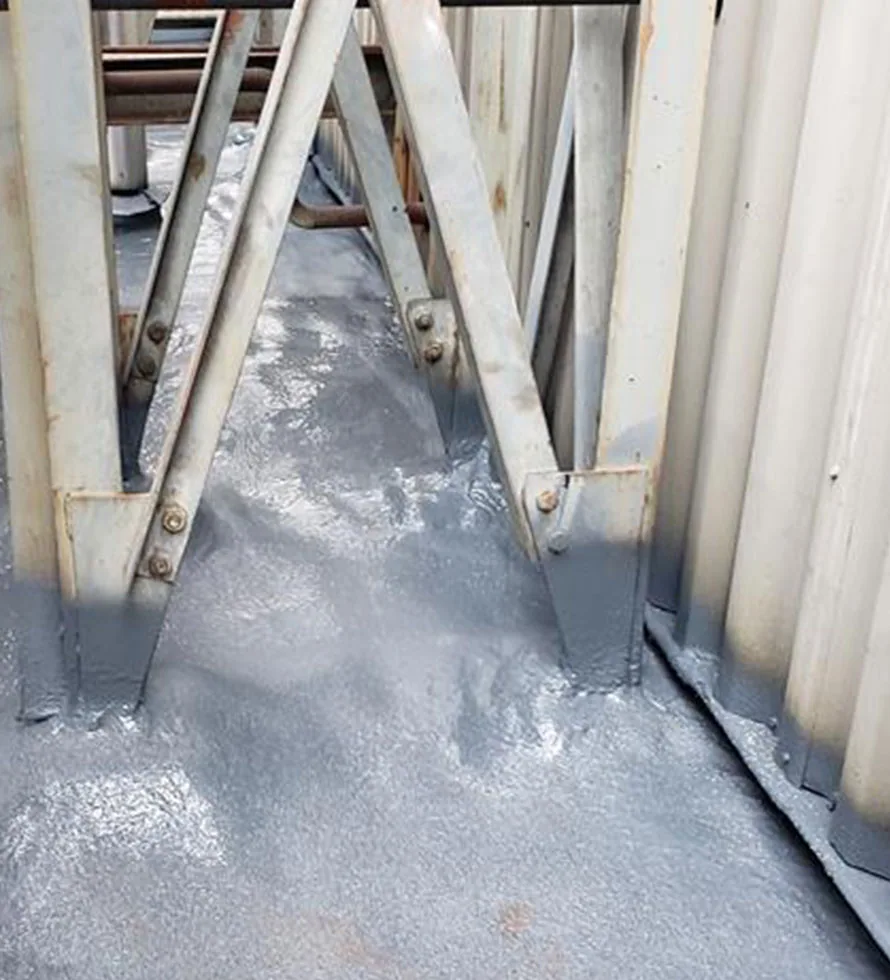
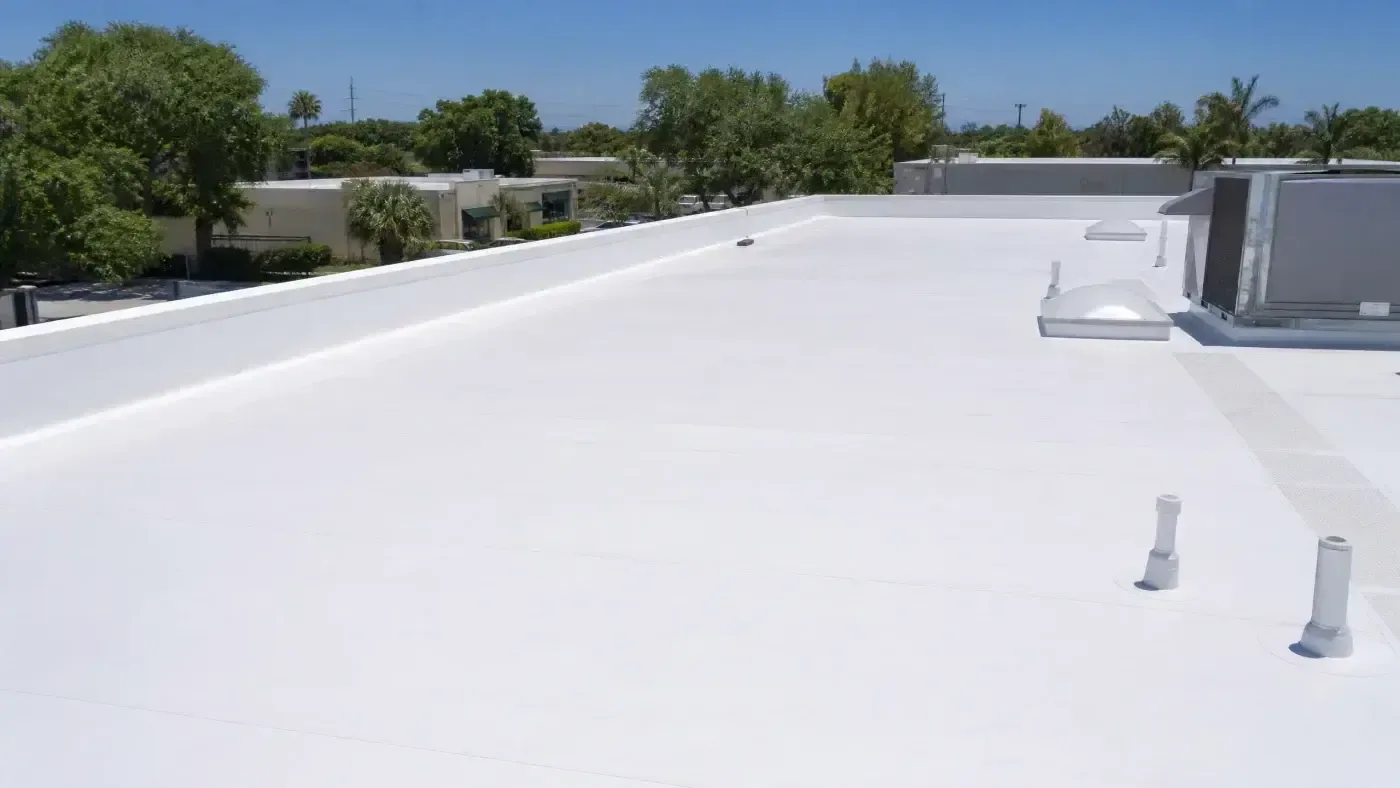
A retail owner considering a silicone coating should ask which roof defects need fixing before the coating goes on. The asset manager needs the prep and detail work listed next to the coating quantity. That turns a restoration into a clear construction scope rather than a promise based on a product name.
Silicone roof coatings in Glendale, CA, need the right product, a sound and compatible surface, and evidence of the roof's condition. We review the existing roof and explain the prep and application we recommend, along with any testing or coordination still needed. A new coating does not fix wet insulation, loose attachment or a damaged deck.
An acrylic roof coating has its own prep and application needs, and a spray polyurethane foam roof adds new insulation and roofing under its coating. We set out those differences before comparing totals, so the asset manager can explain which layers and repairs each option includes.
We identify the current roof and any earlier coatings from records and testing. Compatibility depends on the actual material, and color alone cannot tell us what is under old repairs.
Our inspection locates visible defects and notes what we could not reach, including dirty or damaged areas. We do not imply that hidden layers or inaccessible details were checked.
If moisture is a concern, we test before recommending a coating. Infrared scans and moisture meters need interpretation and confirmation with cores, and one sample only tells us about that spot.
We compare coating with the other options based on what we find. Surface wear or a history of patches does not decide the scope by itself. We explain why a coating fits the documented condition and what new information could change.
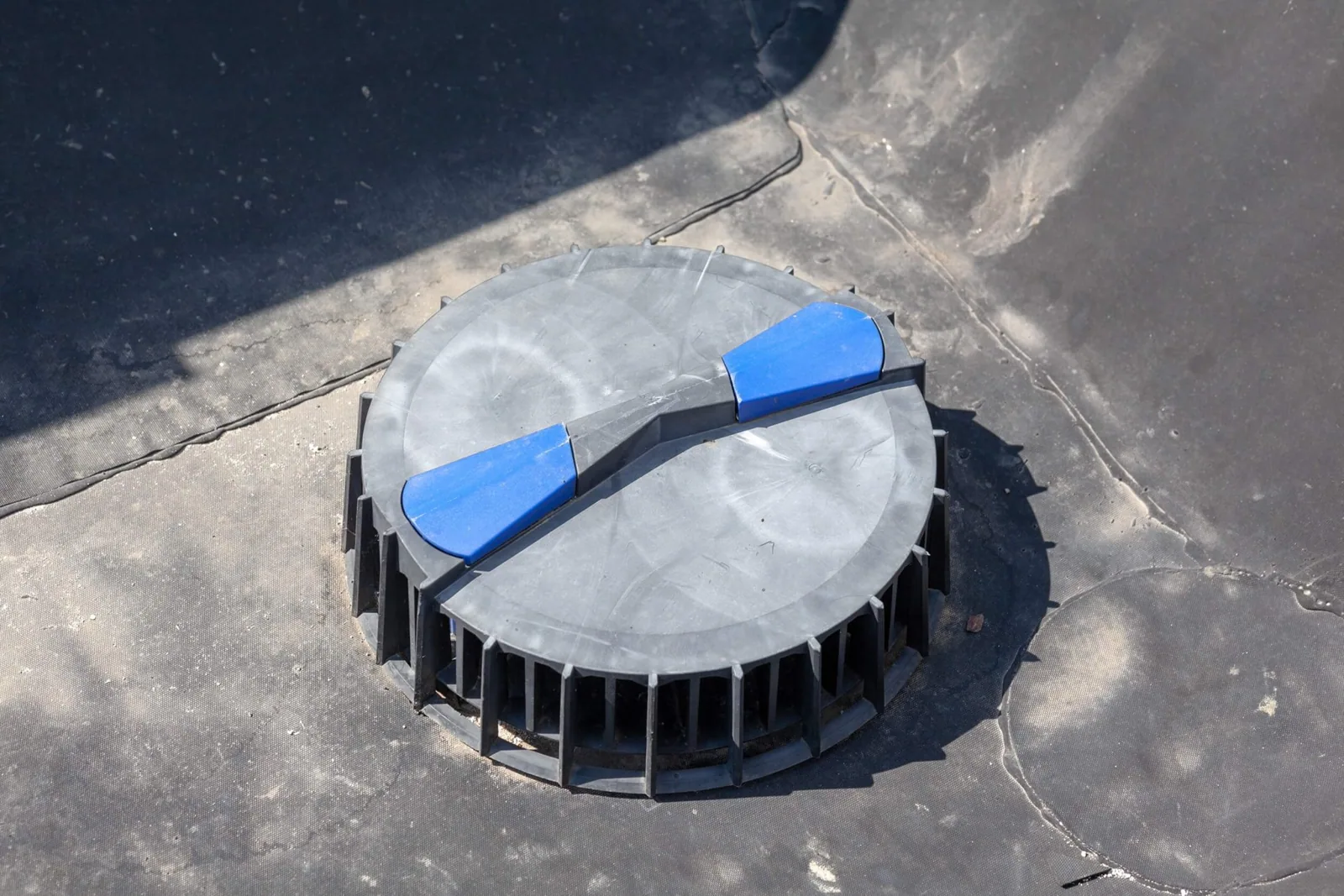
We specify the surface prep the chosen product requires: cleaning, drying, sometimes a primer. A general power-washing allowance does not define the method or the conditions it needs.
Adhesion tests, done as the manufacturer directs, help answer whether the coating will bond. We record where and why we tested. A good result in one spot does not approve every untested area.
We make commercial roof repairs to damaged seams, flashings and membrane before coating, with measured repair areas and any quantities still to be confirmed. The coating goes over completed repairs, not over open problems.
Wash water and runoff are planned with the property. We coordinate sensitive areas and operator restrictions, and do not assume drain plugs or intake covers are routine for every cleaning job.
We name the actual coating and its primers, reinforcing fabric and accessories, following that system's requirements. Silicone is a product family, not a complete specification.
Many silicone products tolerate ponding water better than acrylics. We review the chosen product's guidance for the actual roof, but that is not a reason to ignore drainage or drain problems.
We follow the product instructions along with the surface moisture, temperature and forecast. Daylight is not a cure test, and a dry season does not prove the surface is ready.
Any substitution is coordinated with the prep and detail requirements, since another coating may have different instructions or compatibility. Management gets the revised scope and price before a similar product is treated as equal.
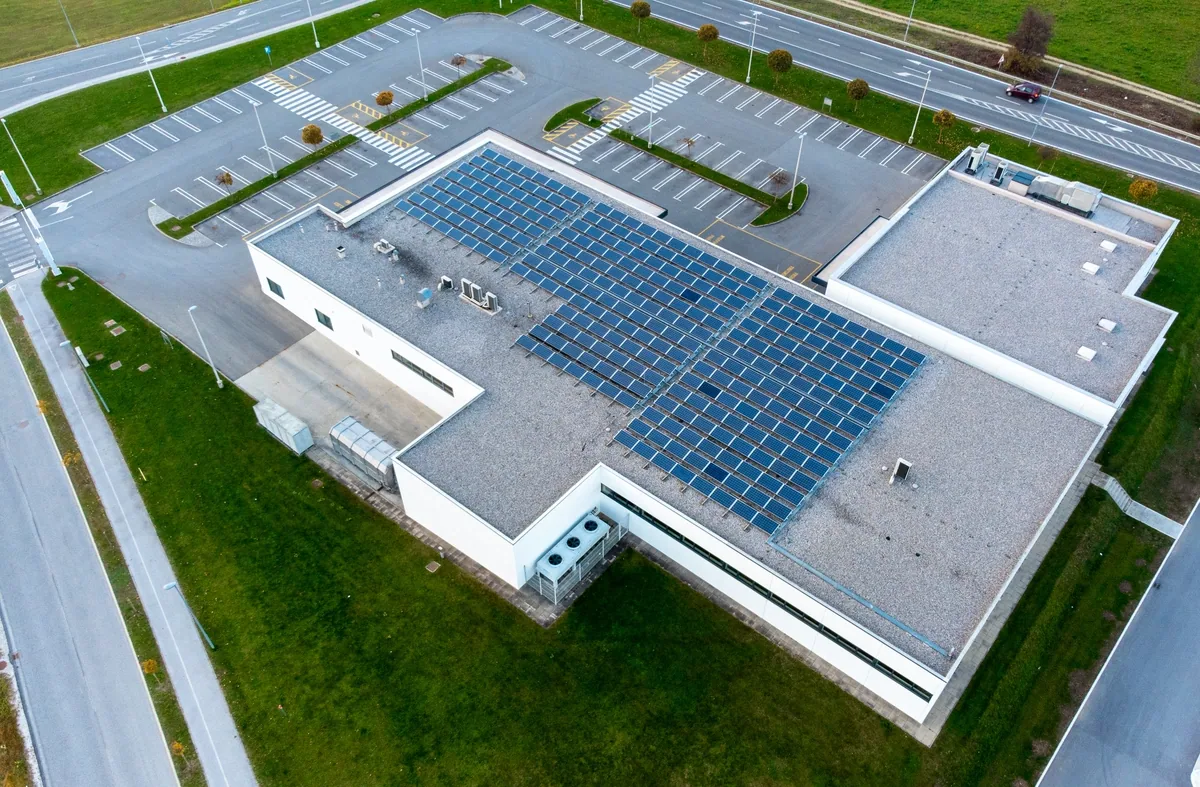
We check roof heights and both primary and overflow drains. Standing water may need measurements and design input. A silicone coating does not change the roof's slope or prove the drain piping is adequate.
Our roof drain and scupper repair scope lists which drains stay and which are repaired, separate from the field coating. Clearing a drain is one task, not proof the whole drainage system works.
Curbs, pipes, wall transitions and edges may need specific prep or reinforcing fabric. We coordinate skylight and penetration flashing with the actual materials and shapes, and structural or other trade questions go to the right contacts.
We record detail changes by location. A standard field application does not describe every flashing, and the completion record shows which details were addressed and what was left out of the scope.
We set routes for HVAC technicians and walkway protection where needed. Silicone can be slippery when wet or dusty, and choosing a coating does not make every area safe for unrestricted foot traffic.
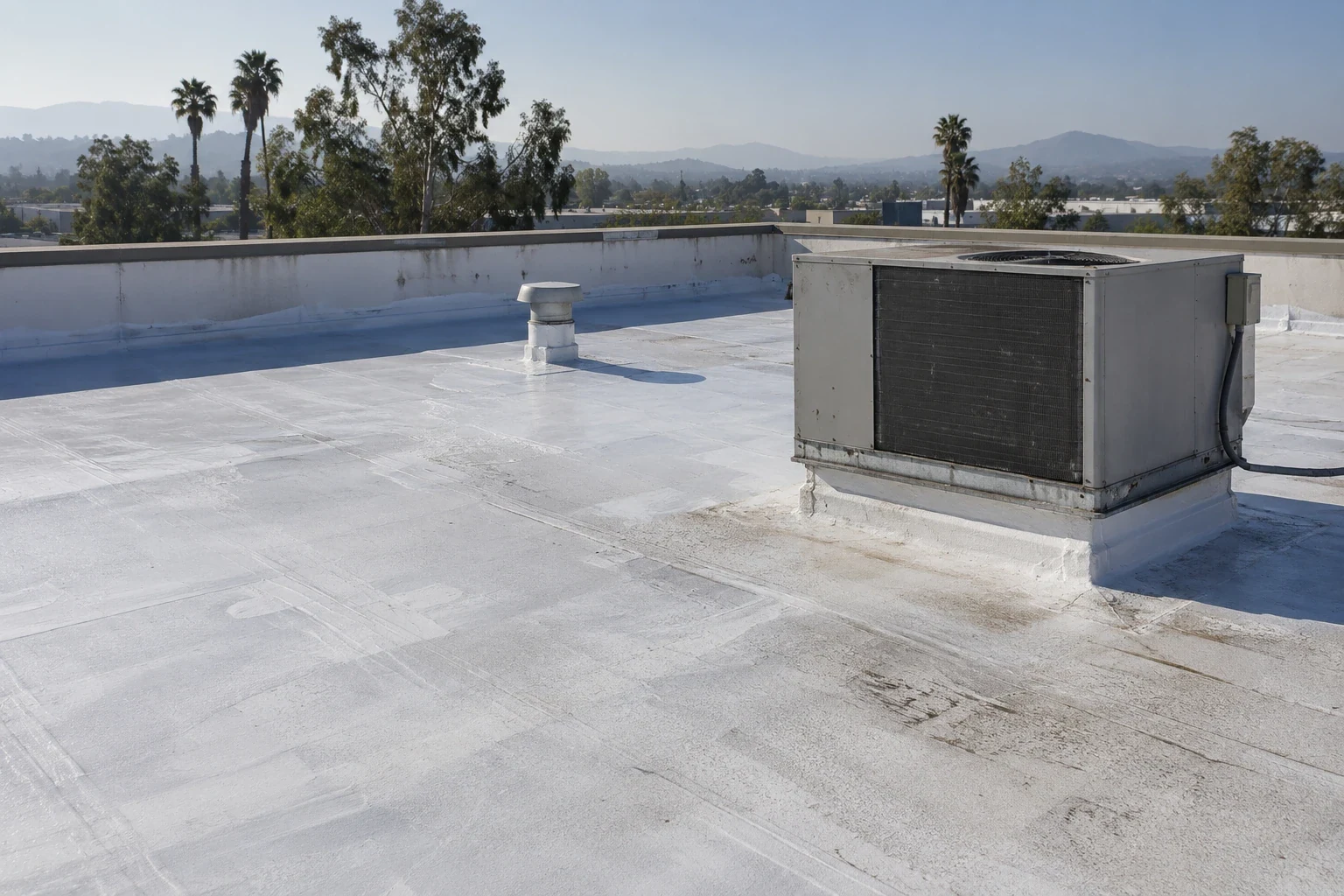
We coordinate rooftop equipment curb and support work before coating reaches areas blocked by units. Some details may need another trade to provide access, and the estimate lists that dependency instead of implying every unit was reachable.
Later repairs should start by identifying the installed silicone product. Most other coatings and patch materials will not bond to silicone, so we keep the system information where service technicians can find it.
We ask the operator to tell us about future rooftop changes. A new support or service route can affect the coating and details, and tracking it by location keeps the next repair recommendation based on the current roof.
For a building in the Galleria District off West Broadway, we bring tenant and delivery contacts into the application discussion and use that building's restrictions to set handling routes and work windows.
For a site along San Fernando Road in south Glendale, we confirm truck areas and material storage with the operator. The location helps with planning but does not allow unrestricted staging.
Glendale has hot, dry summers and cooler-season rain. Broad scheduling accounts for that, while daily conditions decide when to apply. Santa Ana winds can affect handling and access.
Ventilation changes need building staff approval. Sanitation and occupancy decisions are handled separately, and we plan protection for unfinished areas and name who reviews schedule changes when weather or findings alter the plan.
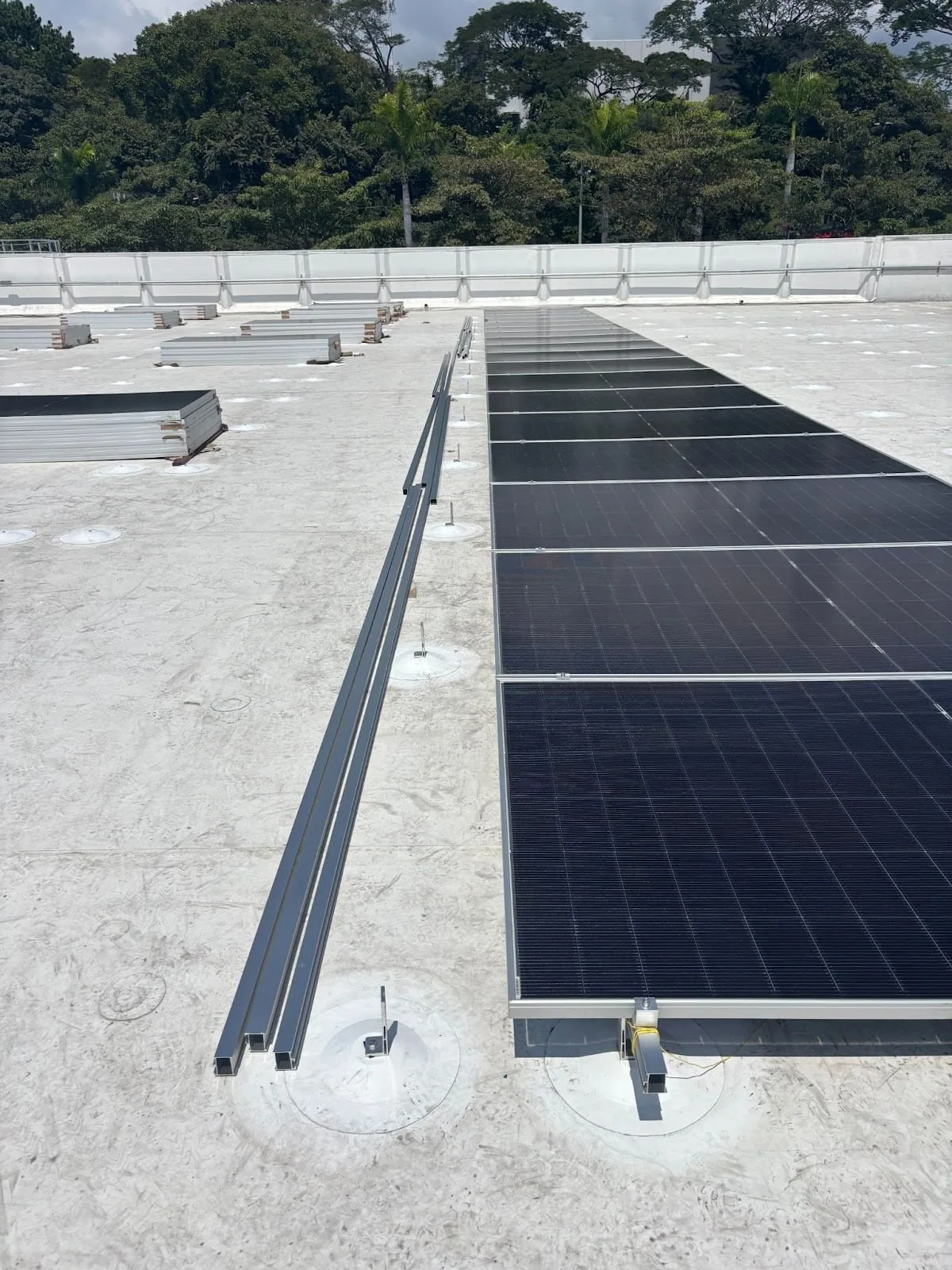
We break out testing, prep, repairs, detail work and coating as separate cost items, with uncertain quantities visible. A coating-only quote may not cover the same restoration scope as another bid.
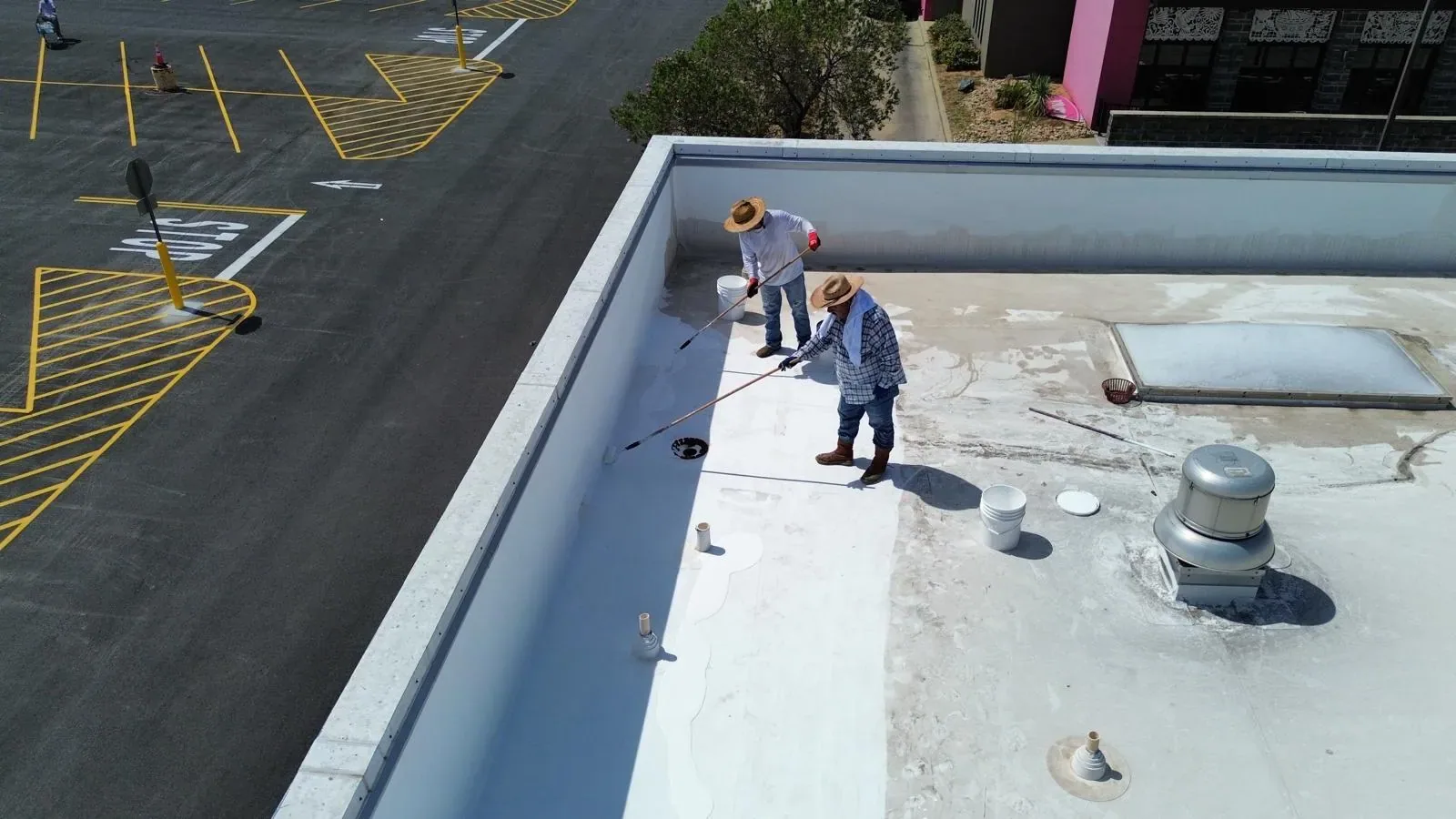
We keep test results, product information and approved changes. A photo of the finished white roof cannot show every prep step or the coating thickness applied, and open tasks are listed with locations and contacts.
We review the issued roof warranty documents and service requirements for the installed system. Coating type and warranty length do not define every covered condition, and the documents stay with the property record.
Future upkeep is based on condition findings and the system's requirements. A recoat recommendation needs evidence and defined prep, so the manager can tie the next expense to documented work instead of an assumed coating life.
Silicone can be a useful restoration choice on a compatible roof, including areas where water does not drain immediately. We still check the existing membrane, wet insulation, seams and penetrations before recommending a coating. Surface preparation and a test area help establish whether the product will bond as intended. Ponding may point to a drainage issue that coating will not solve, so we note the water boundary and drain condition separately. The scope should define repairs, application thickness and areas excluded. We keep the product information and completion photos in the roof file. The next inspection can then compare surface wear with the actual locations that were treated.
A Downtown Glendale roof with mixed-use occupancy and a San Fernando Road industrial roof can face different access and drainage conditions. We check the existing surface and ponding at each property before choosing a silicone restoration.
Share your roof records and operating restrictions. We will explain the prep, repairs and application and upkeep needs in plain terms.
Other services, systems and conditions Glendale owners often review alongside this one.
Scope, conditions and planning details for Glendale commercial buildings.
No. Many silicones tolerate ponding, but we still review the roof's slope and drains separately. A coating does not change where water goes.
It should not be. We test for moisture and replace wet areas first. A new coating cannot make wet or damaged layers acceptable.
No. They show how the coating bonds where we tested. That evidence supports the decision but does not guarantee identical conditions across the whole roof.
Prep, repairs, flashing details and the coating application, with allowances and access needs listed separately and the product information included.