Get Answers Fast

Send the Building Details

Request an
Assessment

Call Our Team

555-555-5555
Request an
Assessment
555-555-5555

Drone Roof Inspection

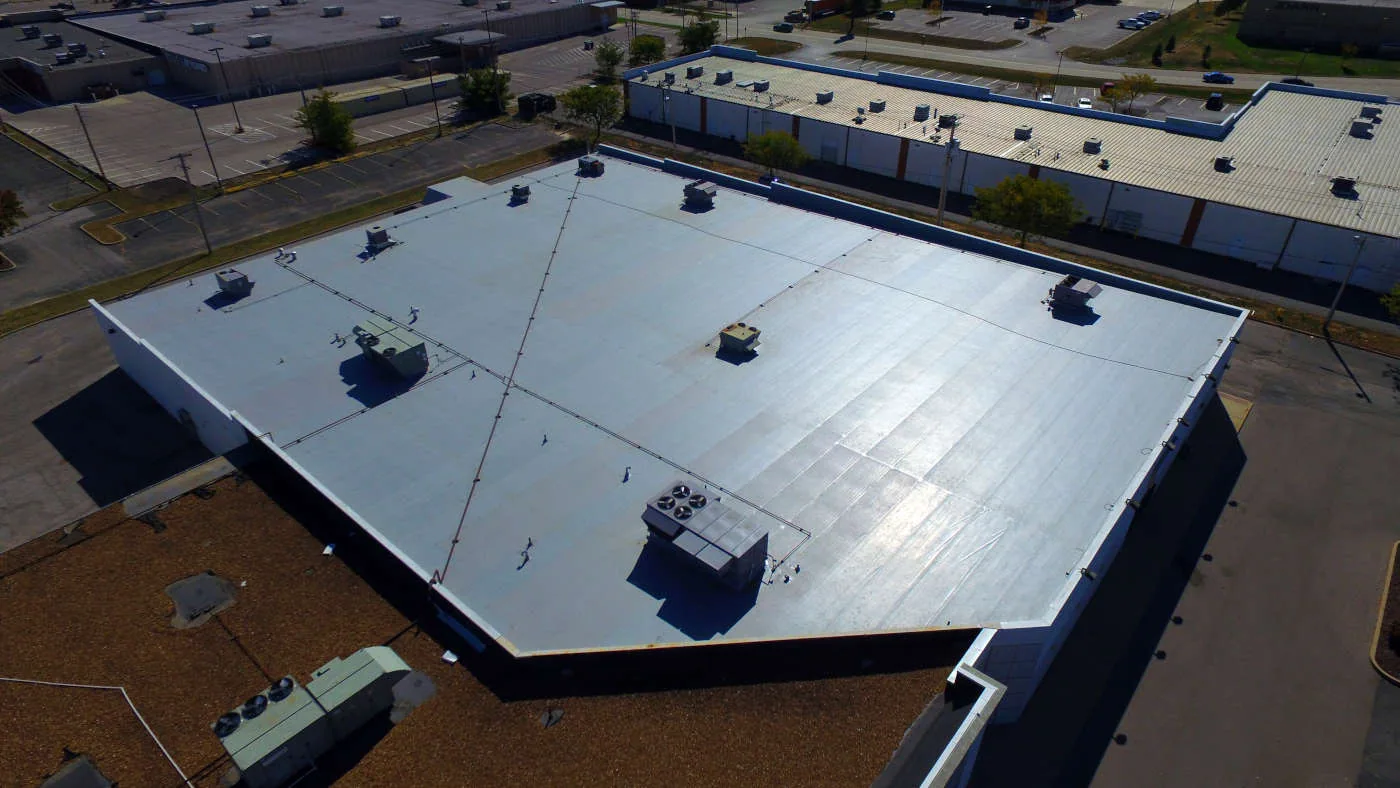
A studio or creative-office building can have roof areas that are difficult to see from the available access point. The asset manager may need an overview before deciding where closer examination is worthwhile. A drone can help answer that question when the operation is feasible.

Drone roof inspection in Glendale, CA supplies aerial evidence for a defined roof review. We assess the site, flight requirements and useful image coverage before assigning the survey. The pictures show accessible surface information; they do not independently establish concealed condition. The owner receives the observations and the further examination needed to turn them into a supported repair decision.

The building and survey purpose

Identify the question the images need to answer. Roof layout, visible debris and equipment relationships may benefit from an overview. Seam condition or concealed moisture may require additional methods rather than another broad photograph.

Review available plans and installation history. Actual roof sections can differ from a building's footprint or floor area. Define the target areas and relevant details before assuming that one flight will document everything the manager needs.

At the Grand Central area, the former airport setting provides useful site context. Its historic terminal is a distinct building. Obtain actual access and camera restrictions from the operator instead of inferring roof condition from the campus history.

Where aerial work adds little to the decision or cannot be conducted appropriately, identify another examination approach. The method should follow the building and purpose. Height or size alone does not establish that drone work is always the right purchase.
Drone Roof Inspection in Glendale, CA

The visible image record

Define the planned image coverage and useful viewing angles. Surface condition, shadows and obstructions can limit interpretation. Close-looking images may still leave a connection question unresolved if the relevant surface cannot be seen.

Organize photographs by building and location. Where an annotated overview is part of the scope, tie marked observations to the underlying images. The manager needs a usable reference rather than a collection with no clear relationship to roof sections.

Aerial images can show apparent displacement, debris or visible surface damage. Describe those observations without converting them into an automatic cause finding. A shadow or retained-water mark may require closer examination before it supports a correction.

Keep the survey date and conditions with the record. Later comparisons need compatible coverage and interpretation. Differences between images can reflect lighting, recent activity or weather as well as a change in roof condition.

The closer examination

A camera cannot establish every connection's bond, supporting material condition or concealed layer arrangement. A clear-looking surface is not proof that the assembly is dry or structurally sound. Record these limits beside the observations.

Use accessible roof examination where suitable to resolve the relevant detail. Access needs appropriate controls for the actual area. An aerial view does not independently approve a person to walk on a questionable surface.

Additional testing should have a defined purpose and suitable authorization. Sampling is not automatic after every suspect image. Select the method according to the assembly and question, then record locations and what the findings support.

If equipment, glazing or a wall is implicated, coordinate the responsible trade. A roof image can identify an interface needing review without proving which component caused an interior report. Keep adjoining questions visible until the evidence supports the recommendation.
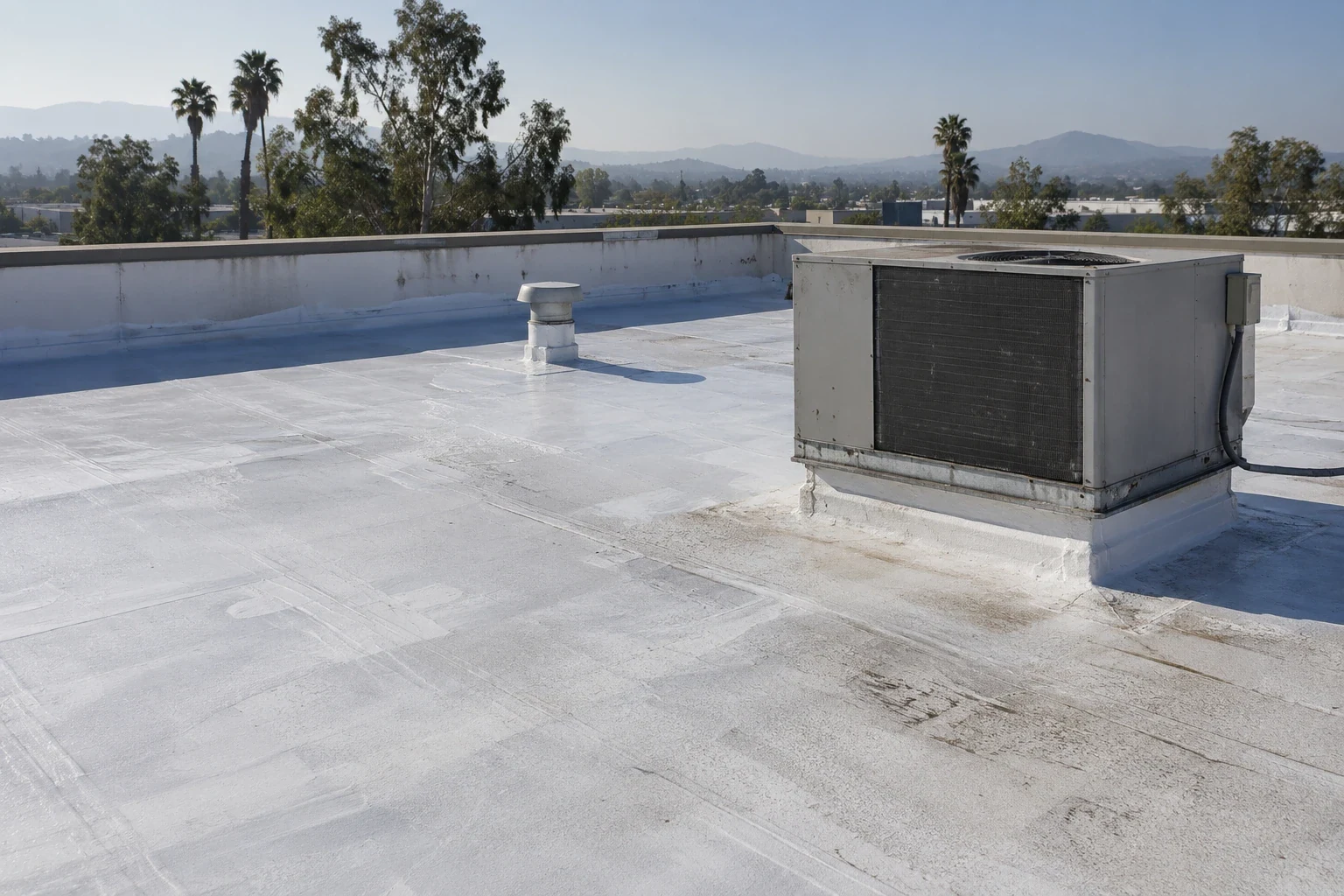
Drone Roof Inspection in Glendale, CA

The thermal question

Thermal images represent surface temperature patterns. Useful moisture investigation depends on the roof assembly, conditions and survey method. A thermal camera aboard a drone does not by itself create a confirmed map of wet insulation.

An infrared moisture investigation needs interpretation and appropriate confirmation. The findings should explain coverage, conditions and remaining uncertainty. Thermal contrast alone cannot establish every layer's moisture or a precise removal quantity.

Choose the examination timing to suit the intended thermal method. A general preference for early morning is not appropriate for every assembly or question. Weather and surface history can affect whether useful patterns develop.

Keep aerial visual observations distinct from interpreted thermal findings. The owner should understand which evidence supports a repair and which suggests further investigation. That prevents one image label from becoming an unsupported whole-roof condition statement.

The flight requirements

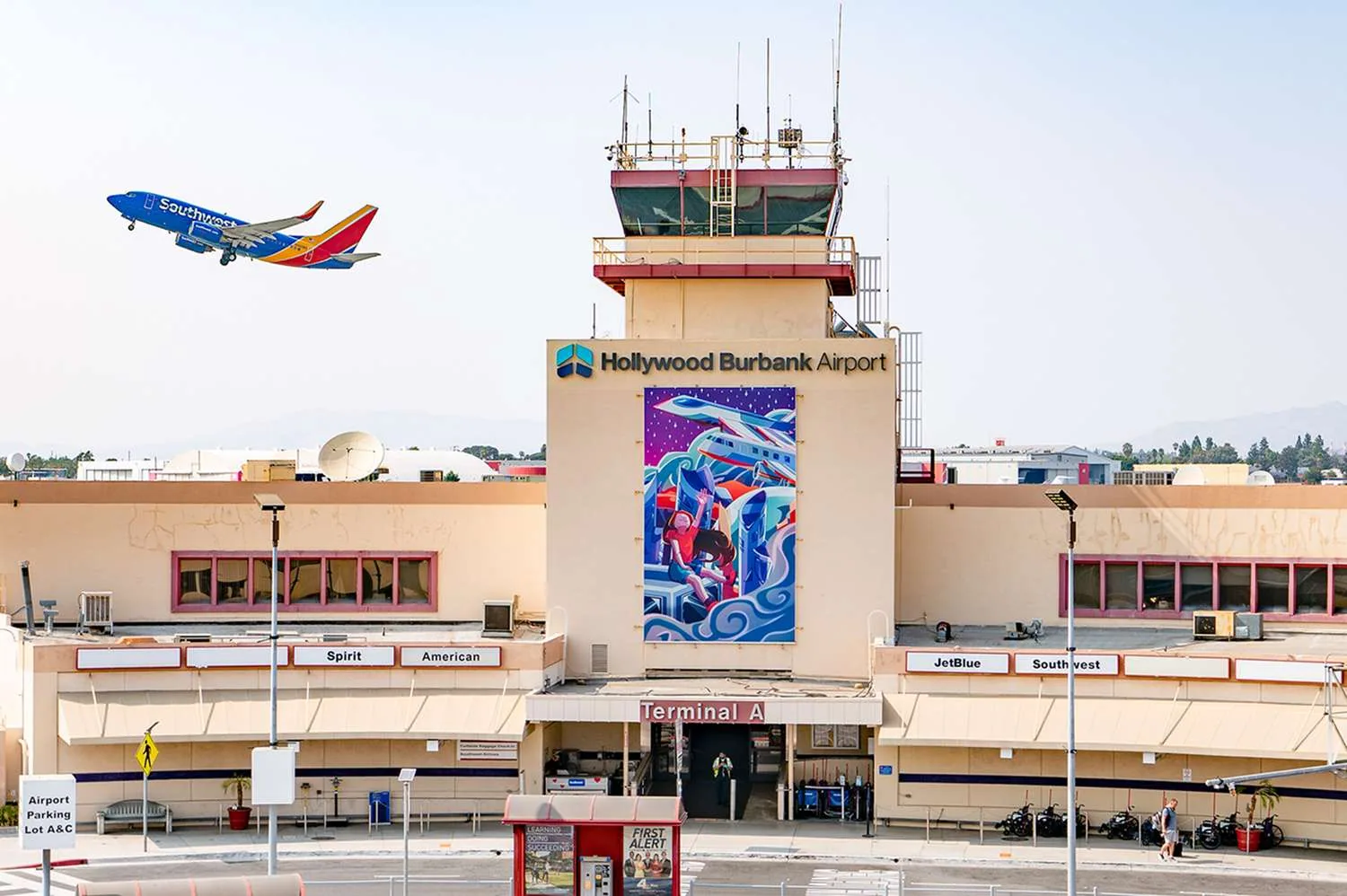
Review current airspace and operating requirements for the actual location and proposed flight. Appropriate authorizations and restrictions must be resolved before operation. Proximity to an airport is a planning question rather than proof that every nearby flight has the same approval path.

The Burbank Golden State area is a useful local example of that coordination. The airport's location is northwest of downtown Burbank. Avoid basing flight approval on a guessed airline timetable or a dated terminal-construction forecast.

Assess weather against the aircraft, procedure and surroundings. Regional Santa Ana conditions can prompt reassessment, but one blanket gust value cannot determine every operation. The responsible flight personnel should make the applicable decision.

Maintain the required operating controls around people and nearby property. Roof ownership alone does not establish that any flight path is appropriate. State feasible coverage and alternate arrangements if the proposed operation cannot proceed.

The tenants and facility contacts

Give the property contact the proposed survey window and access needs. Coordinate adjacent activity and sensitive areas before flight. Production or security restrictions need operator confirmation rather than assumptions about every studio or office.

For a property near Galleria District, identify the building and agreed observation areas. The retail setting makes tenant coordination useful. Actual restrictions come from responsible site personnel, not a general shopping-hour rule.

Facility equipment or aircraft activity may require additional coordination where relevant. Obtain the actual requirements from responsible personnel. A camera survey should not be treated as permission to operate around every rooftop system or active landing area.

Document changes to the agreed window or coverage. Weather and nearby activity can alter the feasible operation. The manager should know what will be rescheduled and what remains unavailable, rather than rely on a universal short-flight or arrival promise.
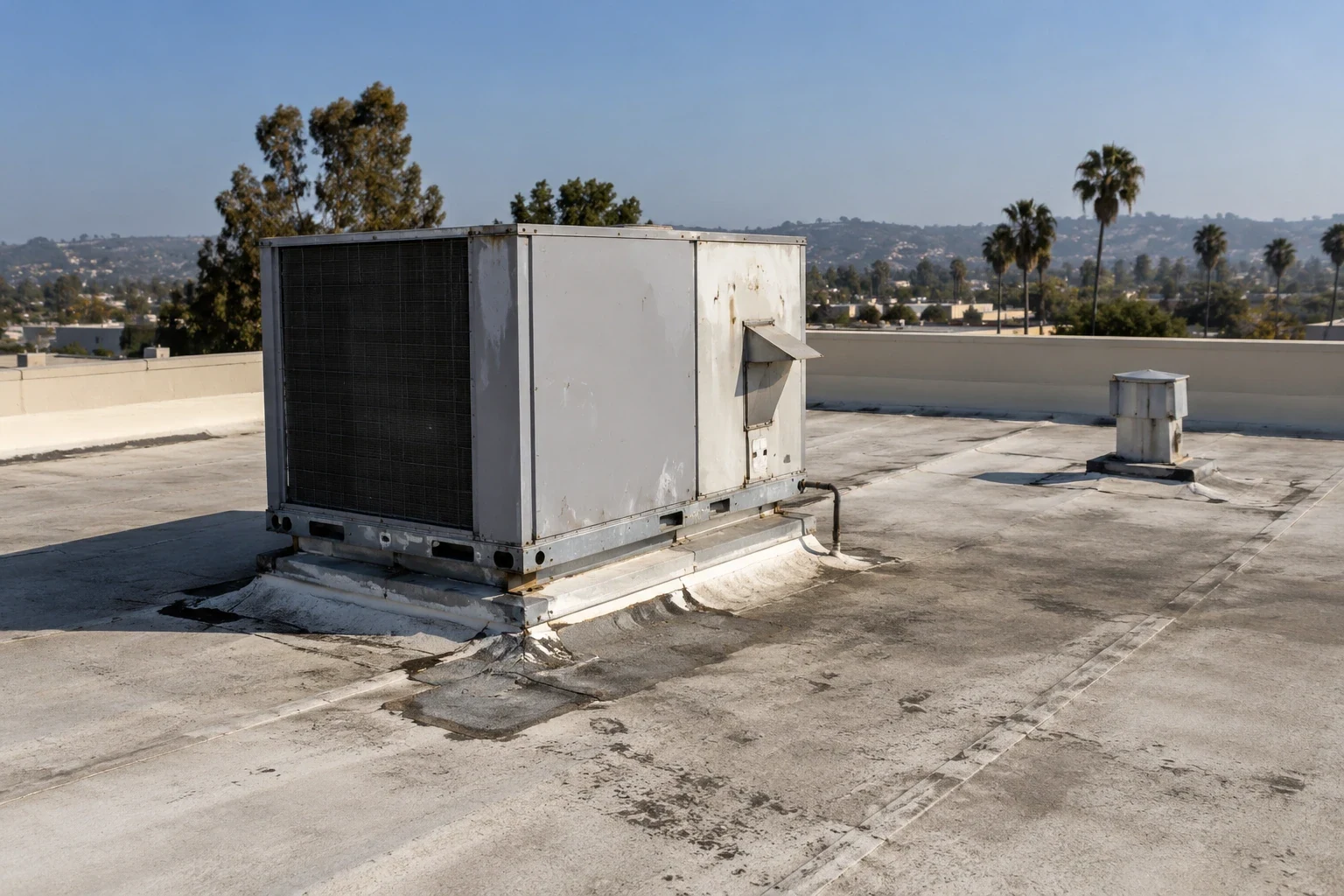
Drone Roof Inspection in Glendale, CA

The owner decision

Use images to support an understandable condition record. A roof report should distinguish visible observations, interpreted findings and further tasks. The pictures become useful when the manager can see the evidence behind each recommendation.

For portfolio planning, keep building and date references consistent. Different roof types and survey limits still need consideration. An aerial image set cannot make every property directly comparable without that context.

Where claim records are relevant, preserve dates and available before-and-after evidence. Images do not independently prove causation or coverage. The responsible claim parties make those decisions.

The final scope should state which image products are provided and which follow-up is recommended. Keep inaccessible areas and unresolved questions visible. Management can then approve a suitable closer examination or supported repair while preserving the outstanding concealed-condition questions.

Downtown Glendale's mixed-use blocks and the industrial buildings along San Fernando Road present different site-access questions. A drone survey still follows property permission, safe operating limits and a ground review of each finding.

See whether aerial review helps your property

Share the building address and assessment question. We will review a suitable survey approach and explain the useful coverage, operating requirements and follow-up in plain terms.

Related Roofing Pages

Other services, systems and conditions Glendale owners often review alongside this one.
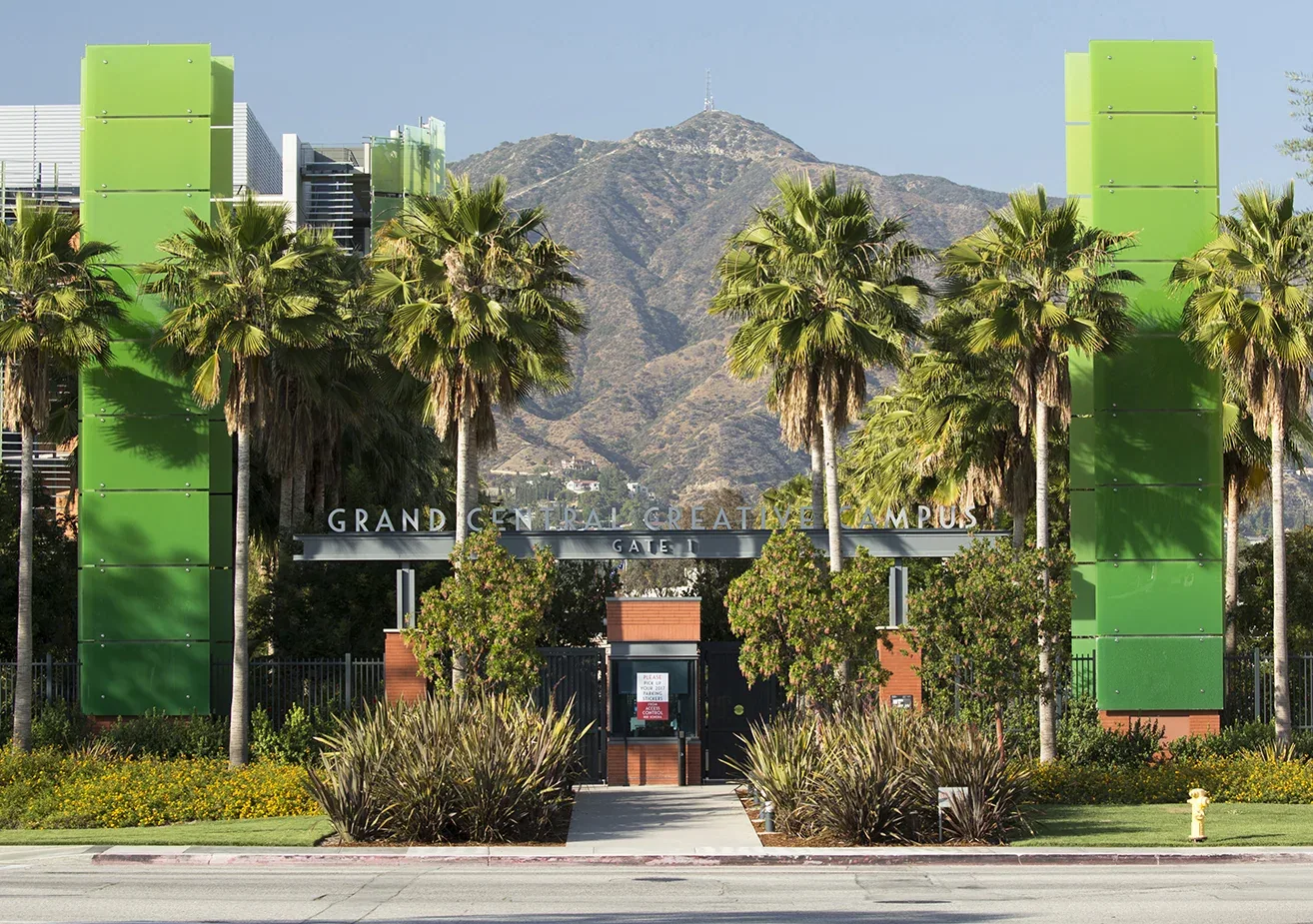
Grand Central area
Grand Central Area

Scope, conditions and planning details for Glendale commercial buildings.

accessible roof examination
Commercial Roof Inspection

Scope, conditions and planning details for Glendale commercial buildings.

infrared moisture investigation
Infrared Roof Moisture Survey

Scope, conditions and planning details for Glendale commercial buildings.

Burbank Golden State area
Golden State Area

Scope, conditions and planning details for Glendale commercial buildings.

Questions About Drone Roof Inspection

Aerial work provides surface evidence within its coverage. Connections and concealed questions may need other methods. Identify the actual follow-up needed for the decision.

Interpret patterns under suitable conditions and use appropriate confirmation. Temperature differences are not automatic moisture findings. Record the limits of the selected method.

Assess current requirements for the location and operation. Authorizations or restrictions may apply. Feasible coverage should be determined before scheduling the flight.

Timing depends on the survey purpose, conditions and aircraft requirements. Thermal work can need a different interval from a visual survey. Avoid one universal timing rule.

Define the image coverage and report products in the scope. Tie observations to locations and identify further tasks. Keep survey limits with the recommendation.

ServicesRoof SystemsProperty TypesIndustriesService AreasDamage RepairCapabilitiesManufacturersAboutRequest a Roof Assessment555-555-5555
Call555-555-5555