Finding the puncture and what caused it
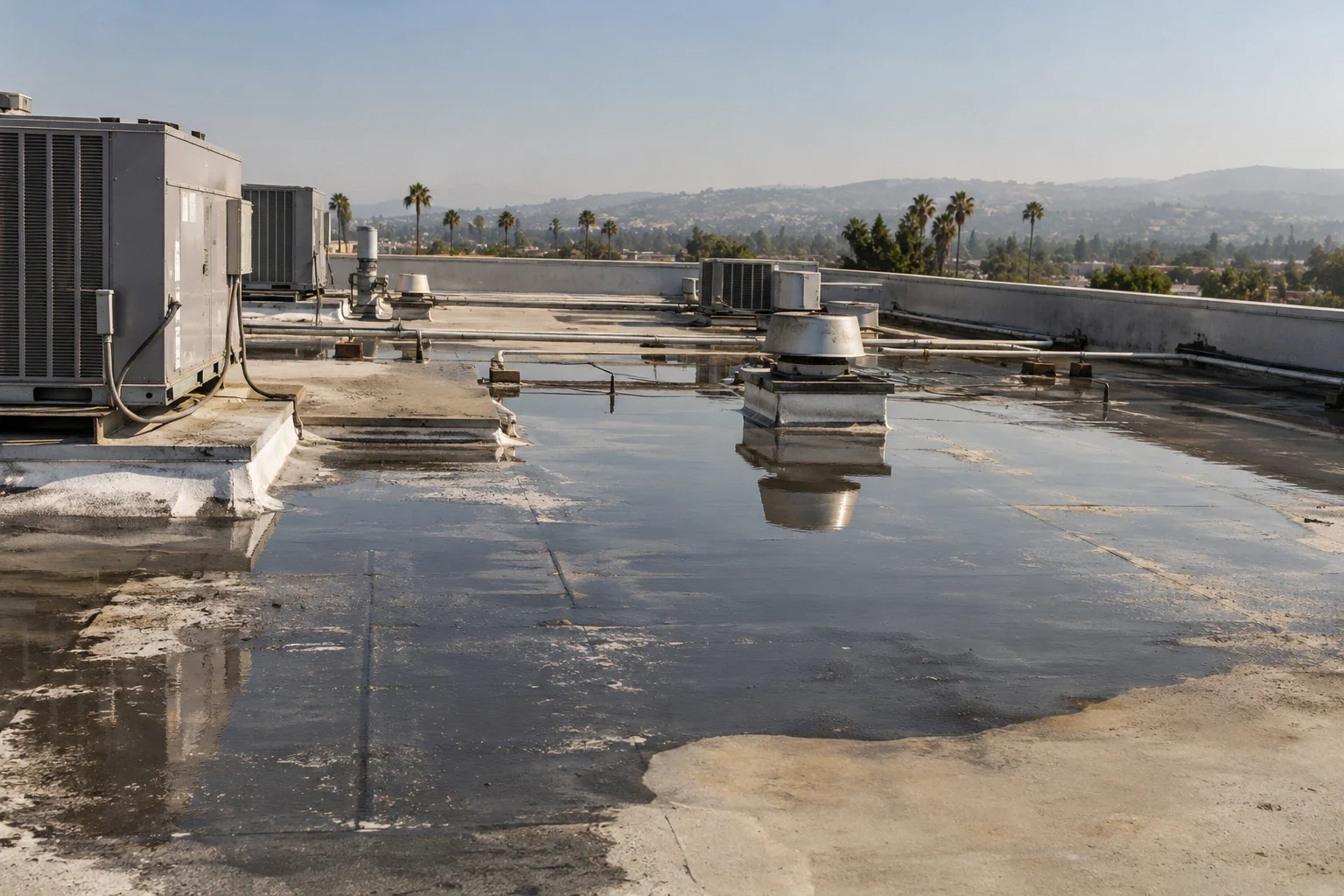
We find the damage, mark it on a roof plan and take dated photos. Nearby units and old patches are noted. A dent or scuff mark is not always a hole, so we check before calling it one.
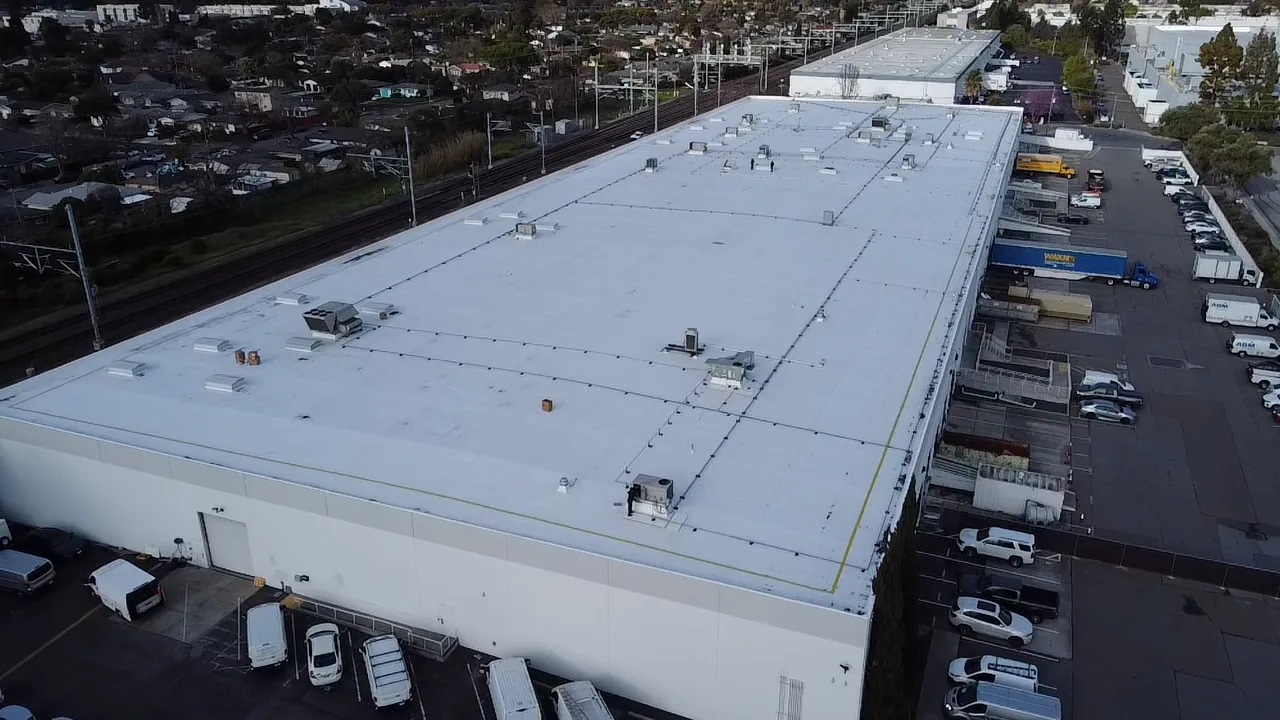
A commercial roof inspection records what we could see and what we could not. Equipment, walkway pads or stored material can hide parts of the membrane, and we say so instead of assuming the visible hole is the only one.
A building on Brand Boulevard and one on San Fernando Road can have very different roofs and very different traffic. The street tells us nothing about who damaged the roof; the roof and its service history do.
If you know when a contractor last worked up there, tell us. A service ticket can help with timing and location. We keep it separate from what we see on the roof and do not blame anyone without evidence.
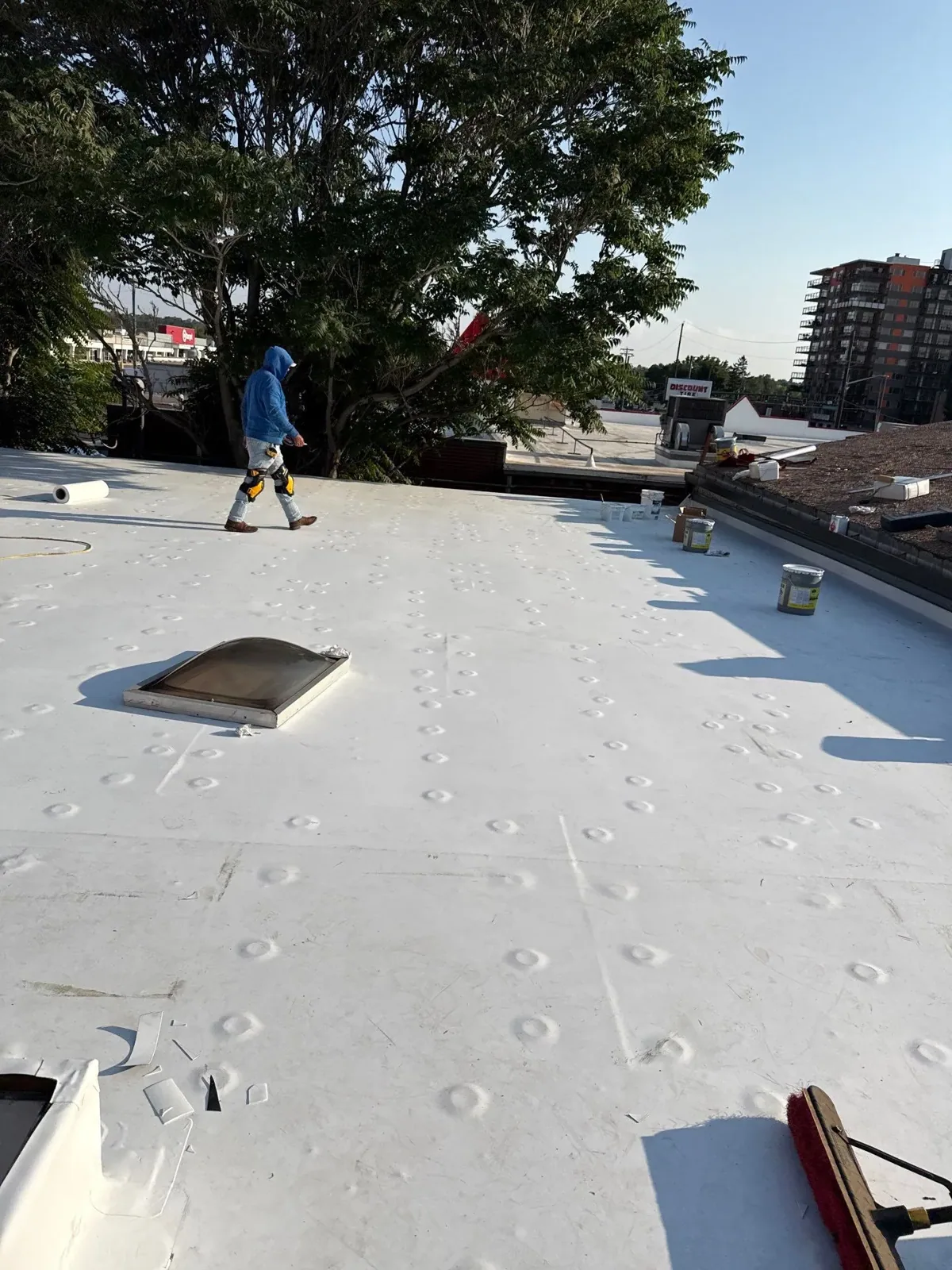
We confirm the membrane type before choosing patch material. TPO, PVC and EPDM can look alike from a distance but need different products. Old coatings or grease from kitchen exhaust also change how the patch has to be prepped.
The preparation behind the patch price
The estimate names the hole, the area around it that has to be cleaned and prepped, and any old patch material that has to come off. A small hole may need a larger patch to bond properly.
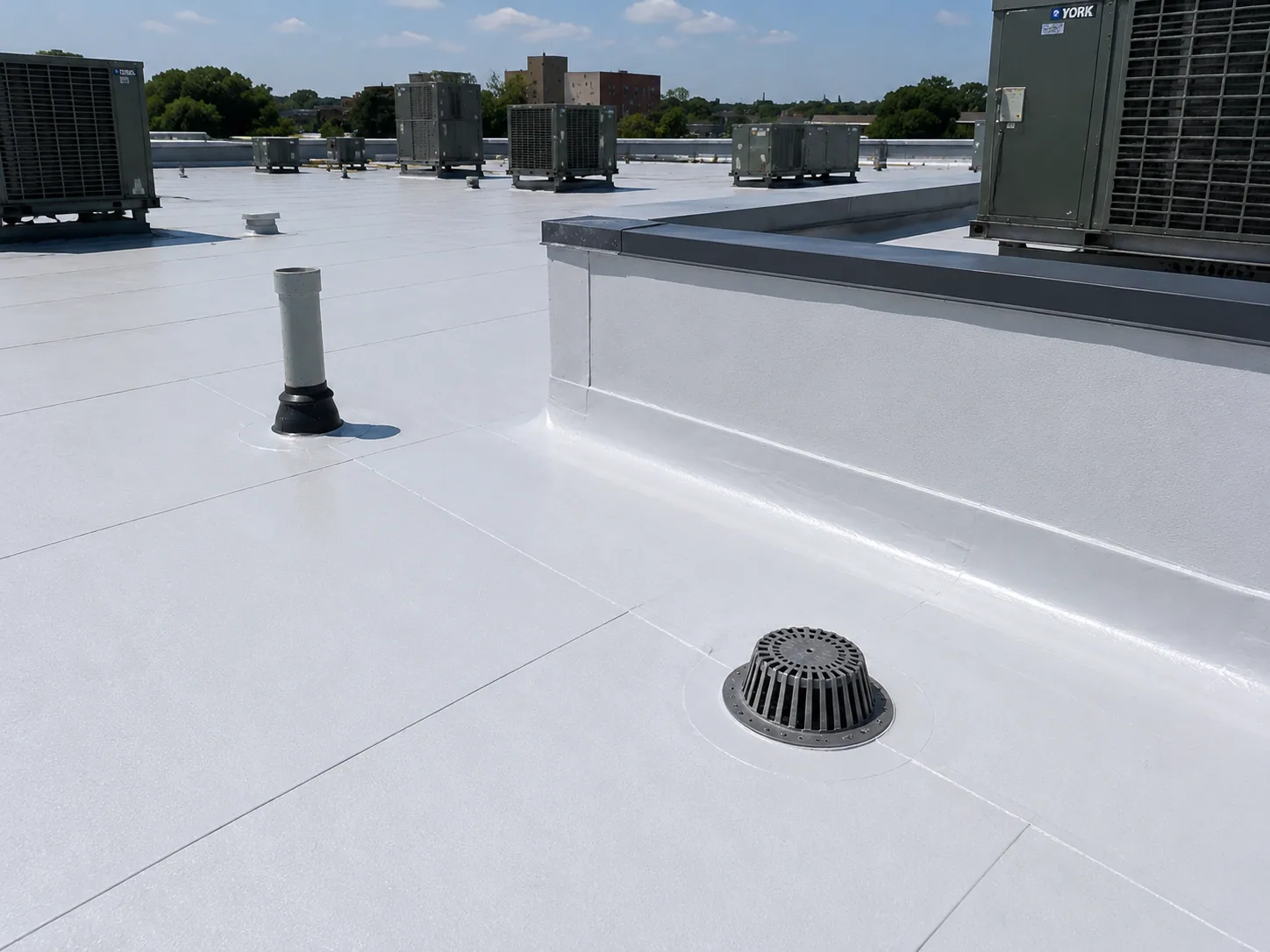
On PVC roofing, the patch has to match the installed product and the manufacturer's repair method. PVC handles many oils and chemicals well, but that does not mean every residue on your roof is harmless to it.
If the hole sits near a damaged seam, seam failure repair may be a separate line item. We price both so the patch does not cover a seam problem nobody looked at.
Wet insulation or deck damage is priced from what we find. When we cannot see it yet, the estimate includes an allowance and an approval step, and anything new is photographed before it is covered.
Access, haul-off and protecting the space below still apply on a small job. The owner sees the full cost of doing the repair safely, not just the cost of the patch material.
Get the puncture patched and protected
Schedule a roof visit in Glendale. We will find the damage, explain the right patch and how to keep it from happening again, and give you a price first.
Related Roofing Pages
Other services, systems and conditions Glendale owners often review alongside this one.
Questions About Commercial Roof Membrane Puncture Repair
No. Many marks are surface scuffs. We check whether the membrane is actually cut or punctured before recommending a repair.
No. A patch closes the hole. If water got in first, the insulation may still be wet and may need a test core to check.
Service techs walk and set tools on the roof near the patch. A set walking route and protection boards help prevent the next puncture.
Photos of the hole and finished patch, the materials used, approved changes, and any area we could not inspect or still needs work.