Get Answers Fast

Send the Building Details

Request an
Assessment

Call Our Team

555-555-5555
Request an
Assessment
555-555-5555

Wind Damage Commercial Roof Repair

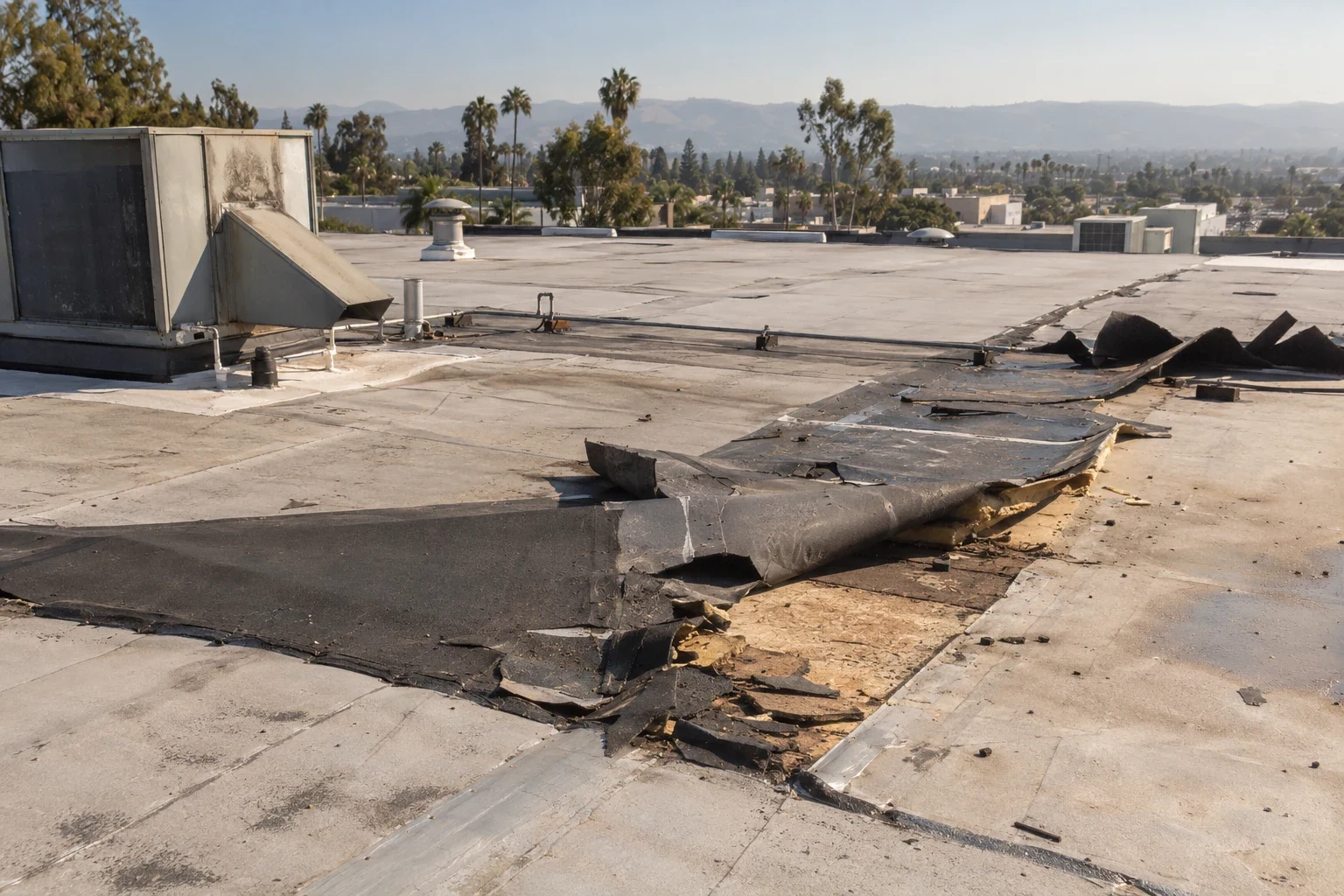
When a strong wind peels back the roof edge over a store entrance, the first job is keeping people safe below. Then the roof has to be inspected and the permanent repair sized. Commercial Roofers Glendale keeps those steps separate, so the emergency work and the final estimate both stay clear.

On an office building, wind may lift membrane near rooftop units or pull fasteners loose under the surface. You cannot judge that from the parking lot. We get safe access first, then decide what repair makes sense.

Santa Ana winds are a real part of life in Glendale, but a windy week does not explain every problem on a roof. Our recommendations are based on what we find on your roof and what it needs.

Making the area safe

We start with where the damage is, which entrances sit below it and how to get onto the roof. The facility should keep people away from any loose material that could fall. Nobody needs to walk across a damaged area just to get a closer photo.

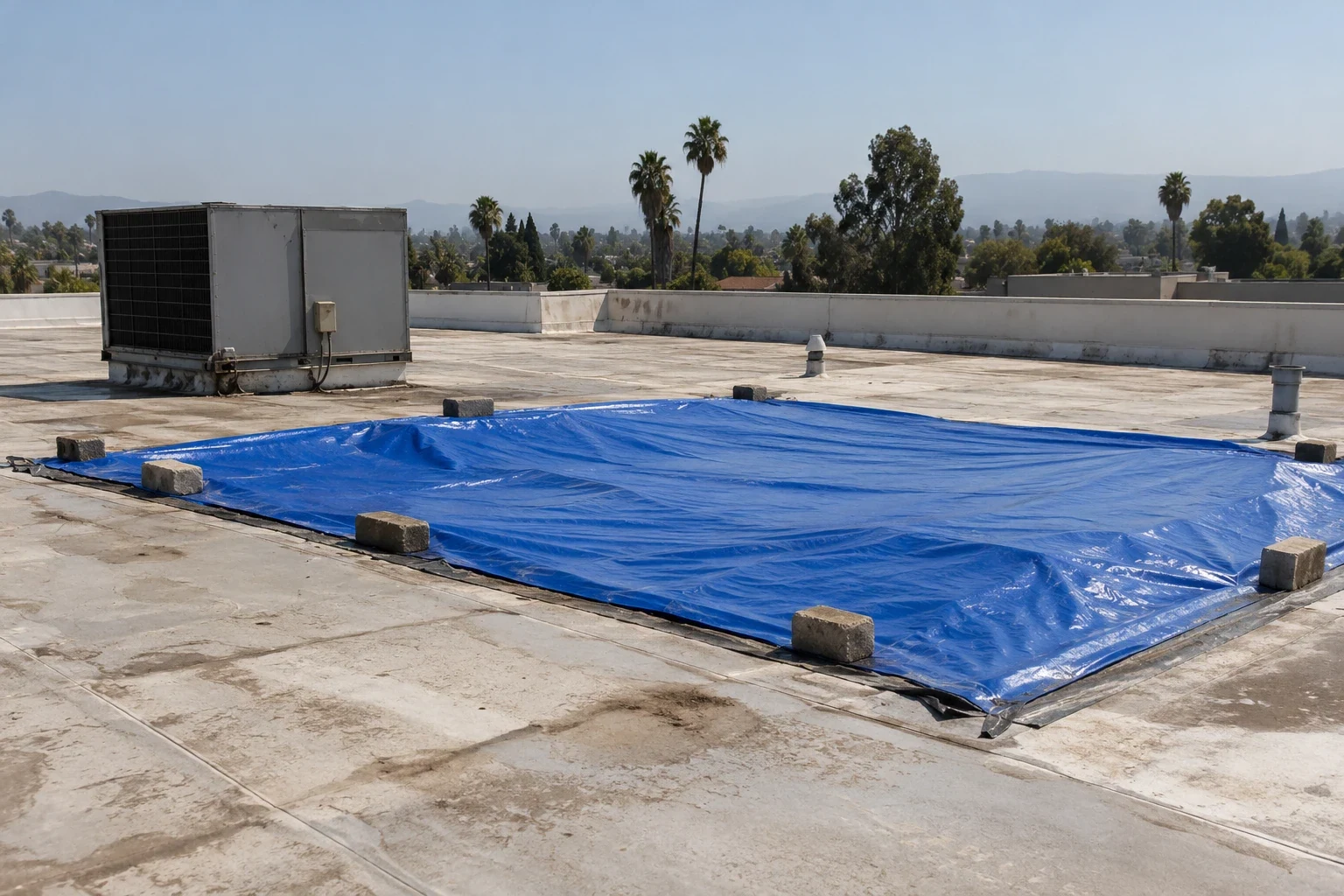
Emergency roof repair secures loose metal and covers openings. What we can do right away depends on crew availability, safe access, the weather and the roof type, and some areas may have to wait until they can be reached safely.

A building on Brand Boulevard and one along San Fernando Road will have different foot traffic, delivery and equipment routes. We confirm the real ones for your building before we set up.

If the wind damaged structure or tore at electrical lines or units, an engineer or electrician should look before roofers go near it. We can describe what we see, but we do not decide whether it is safe.

We ask for one contact person at the building. If conditions change while the crew is on site, that person makes the call.
Wind Damage Commercial Roof Repair in Glendale

Documenting the wind damage

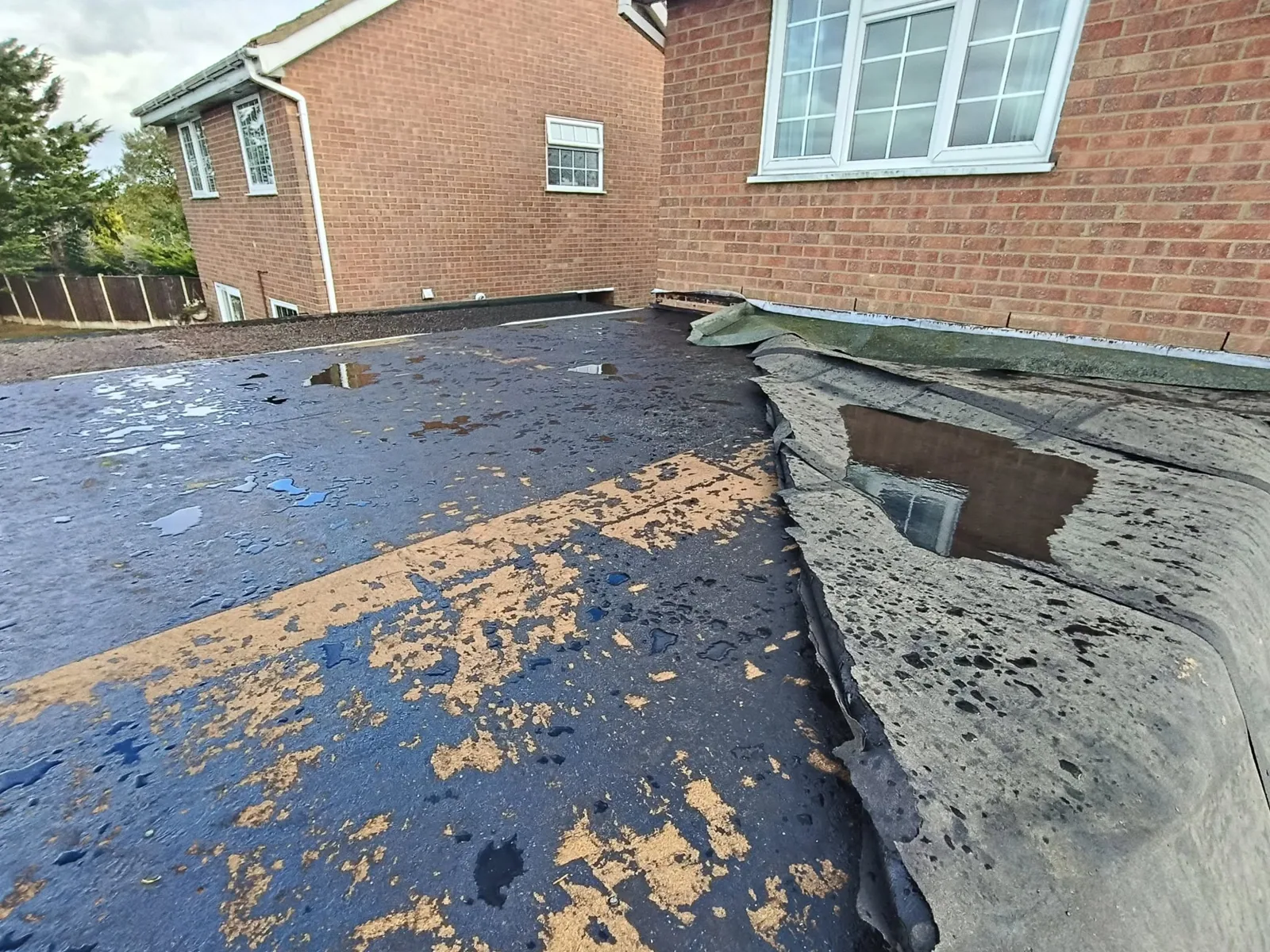
We take dated photos of lifted edges, torn membrane, loose fasteners and damaged metal, tied to locations on a roof plan, before removing anything. Areas we could not reach are marked as not inspected.

Storm damage roof repair starts by matching what we see to the storm. Old wear, past repairs and weak fastening can also play a part. The date of a windstorm alone does not prove when each problem started.

Maintenance and equipment history is kept separate from what we observe on the roof. It helps us decide where to look, but it does not assign blame or set a damage quantity for the whole roof.

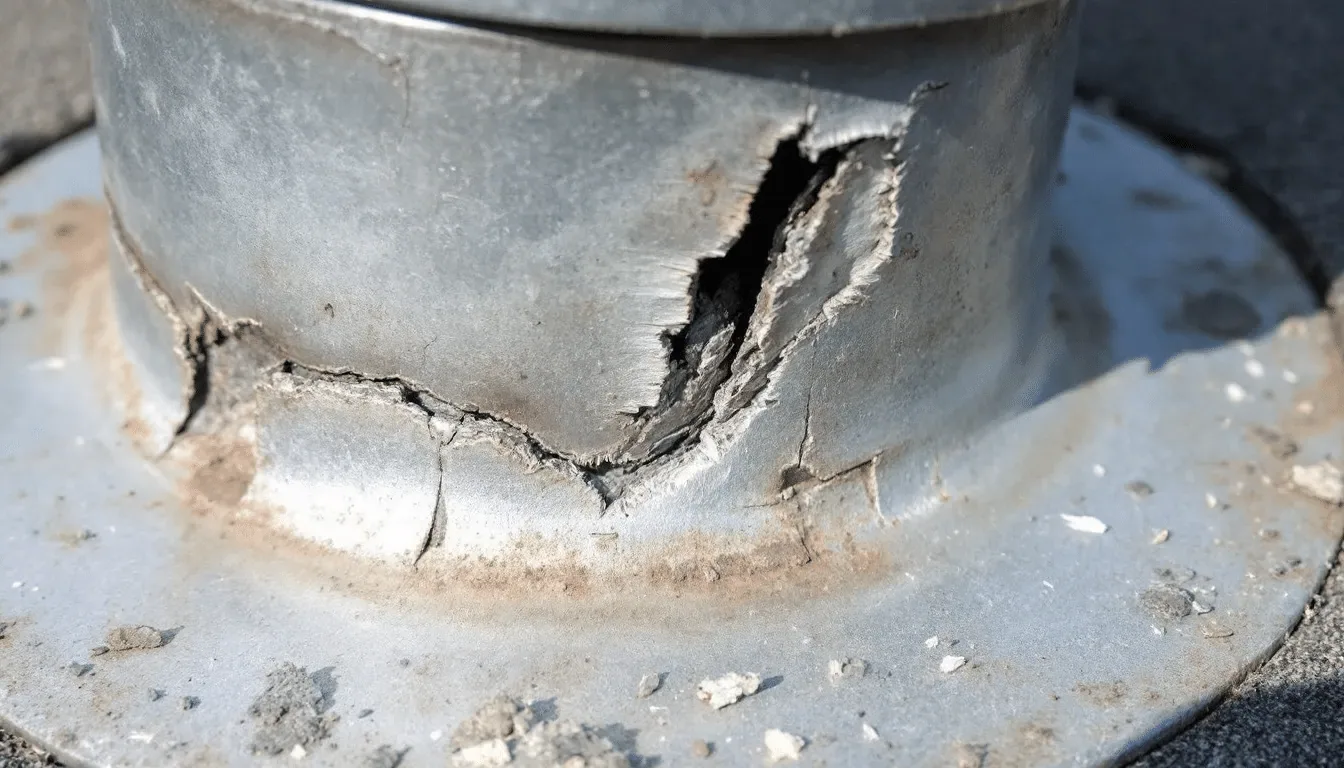
We look past the piece that blew loose. A good repair needs sound membrane, solid wood blocking and proper fastening around it. If something underneath is in question, we plan a specific check instead of assuming a replacement area.

A test cut tells you about the spot where it was taken. Larger damage needs more evidence, and infrared readings need confirmation before they justify tearing off roof.

If the insurer may want to see damaged material, we agree with the owner before removing it, while keeping safety first. Our photos are useful records, but they do not answer every question that may come up in a claim.

Temporary protection and the permanent repair

Temporary protection has a specific job and a limited life. We note what opening it covers, how it is held down and who checks it. A tarp that held through one storm is not a permanent fix.

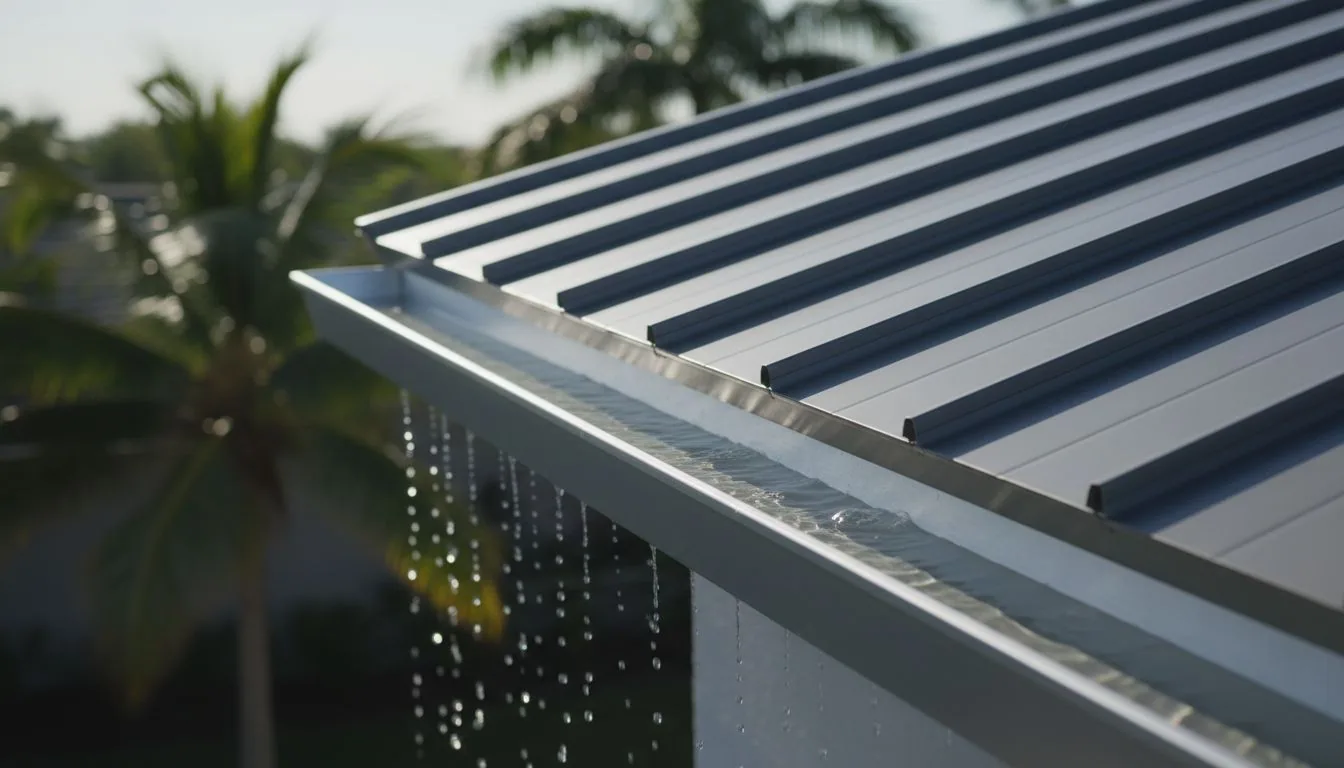
Edge metal and coping repair often includes new fasteners, new wood blocking and the membrane under the metal. Replacing just the visible metal can leave the weak part in place, so the price covers what is behind it.

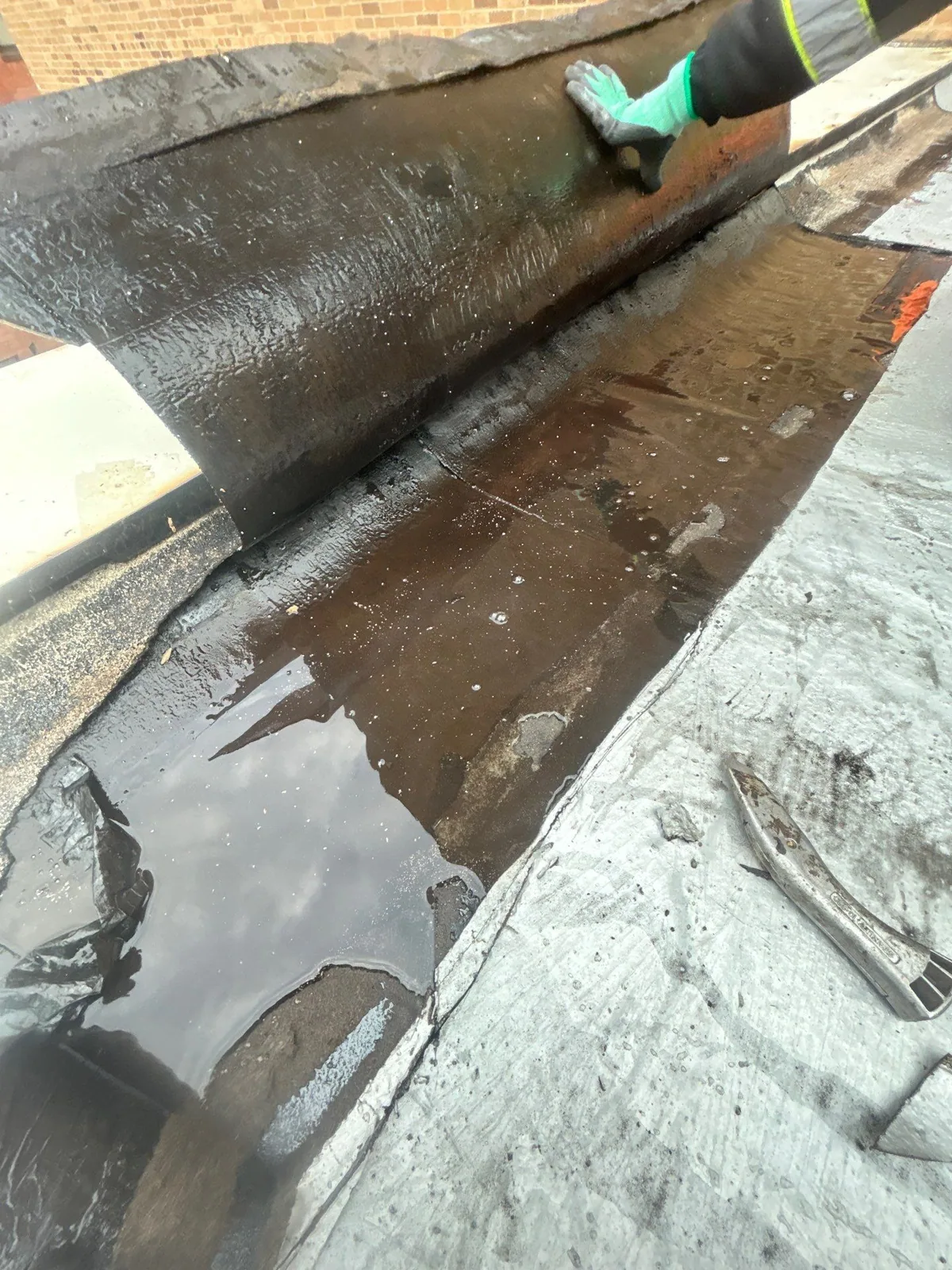
Where flying debris hit the roof, membrane puncture repair covers the holes we actually confirm. A scuff or debris mark is a place to check, not proof of a hole.

The estimate includes tear-off, prep, haul-off, access and protection for occupied space. Confirmed quantities are separate from possible extra work, and anything new we uncover is photographed and approved before we proceed.

Repair and replacement are compared using the same findings. One failed edge does not mean the whole roof has to come off, and the owner should see what supports the size of the repair.
Wind Damage Commercial Roof Repair in Glendale

Scheduling, tenants and permits

Near the Glendale Galleria, we confirm the building's entrances and loading arrangements and stage material only on the owner's property or with permission.

Roof work on an occupied building follows the tenant's rules. We note what rooms and equipment are below each work area, and how we will protect and notify them. Changing the work area can change those plans and the cost.

The HVAC and electrical contractors and the facility manager decide any shutdown. Our crew does not cover running air intakes or disconnect equipment to reach a repair.

The City of Glendale publishes the building code it uses and its local amendments. We confirm what applies to the job before ordering materials. Being in a windy foothill area does not replace that review.

We remove only what we can prep and protect the same day. Weather and roof conditions control the pace, and if something changes, the work can be split into smaller phases.

Closeout records and insurance claims

We photograph the finished edges, fastening and membrane repairs at marked locations, keep prep photos and approved changes with the scope, and list any temporary material still in place with a date to remove it.

Insurance claim support gives the adjuster clear roof findings and a line-item price. Coverage and payment are decided by the insurer. We do not promise coverage or state a cause we cannot back up.

A roof condition report lists what we could not inspect and any open recommendations. A repaired edge is not an inspection of every part of the roof.

For buildings in the San Fernando Road corridor, the file records the address and the access route we used. Later reports get new dates with the same roof references.

Before sign-off, we match the emergency work against the permanent repair and list anything still open with other trades, so the next manager can explain the cost without digging through old emails.

A lifted wall or curb transition may need flashing repair with new backing first. We record that detail in the scope, while structural or equipment concerns stay with the right professionals.

A wind call tells us where to start, not why something moved. We photograph open seams, lifted edges, loose metal and damaged units, then check the fastening and membrane around them. Santa Ana winds blow across the whole region, but that alone does not prove damage at a given building. Emergency securing is kept separate from the permanent repair. If we cannot see what is under the surface, we say so and suggest the next useful check. Photos tied to roof locations let the owner compare the same details after the next windy season and tell new damage from an old repair.

Get the wind damage secured and repaired

Call for a roof inspection in Glendale. We will make the area safe, explain what the wind damaged and give you a clear plan and price for the permanent repair.

Related Roofing Pages

Other services, systems and conditions Glendale owners often review alongside this one.
Emergency roof repair assessment
Emergency Commercial Roof Repair

Scope, conditions and planning details for Glendale commercial buildings.

Storm damage roof assessment
Storm Damage Roof Repair

Scope, conditions and planning details for Glendale commercial buildings.

Edge metal and coping reconstruction
Roof Edge Metal, Coping and Gutters

Scope, conditions and planning details for Glendale commercial buildings.

membrane puncture repair
Commercial Roof Membrane Puncture Repair

Scope, conditions and planning details for Glendale commercial buildings.

Questions About Wind Damage Commercial Roof Repair

Keep people away from loose material and let us review the safe route first. The usual roof hatch or ladder may not be safe if metal or membrane is hanging loose.

No. We check the fastening and membrane around the damage before recommending anything larger than a local repair.

Yes. Emergency securing and tarping are listed separately from the permanent repair, with what they cover and how long they are meant to last.

Dated photos, a roof plan showing where the damage is, and a line-item estimate. What the policy covers is up to the insurer.

ServicesRoof SystemsProperty TypesIndustriesService AreasDamage RepairCapabilitiesManufacturersAboutRequest a Roof Assessment555-555-5555
Call555-555-5555