The Door Header and Wall Flashing
We locate the leak relative to the hangar door and the wall-to-roof connections above it, checking flashing height, surrounding materials and old patches. Door movement and its supports belong to the door contractor or structural engineer. The roof needs a solid surface at the header for a permanent flashing.
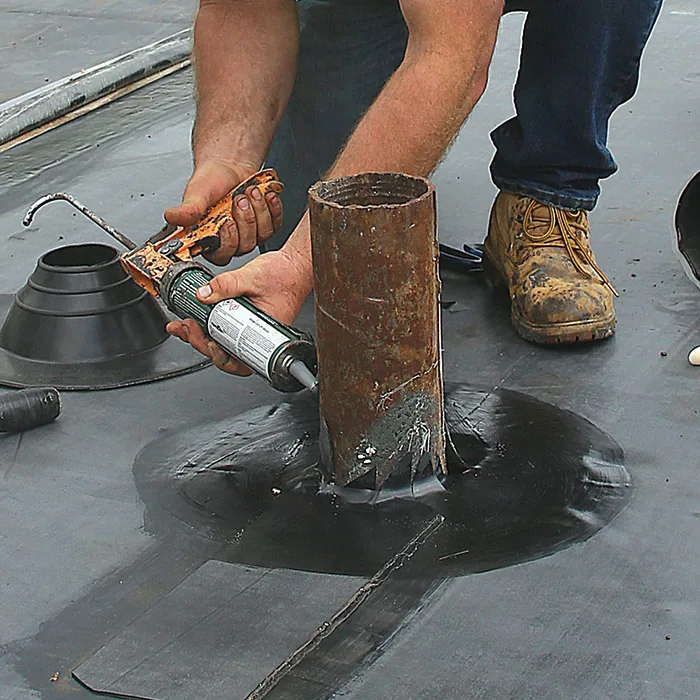
Skylight and penetration flashing inspections pin down which connection is actually leaking. We take photos and measurements from the ground and the roof so the operator can find the spot. If a wall or opening may be the real source, it is investigated separately.
Working room changes the method. A tight spot may mean removing nearby material or coordinating with another component before we can prep the flashing. Those tasks are in the scope, and the estimate describes the finished repair and its support, not just the visible damage.
Working Around Aircraft
The operator decides where aircraft and vehicles will be during the work. We show where tear-off, deliveries and debris handling will happen and agree on separation and cleanup. Loose roofing debris near aircraft is a real risk, so housekeeping is part of the plan. Another part of the hangar may need its own approval if traffic differs.
Roofing over an occupied building is priced on the approved method. We name where waste is contained, moved and hauled away, and agree on cleanup and inspection before an area is handed back. The property contact decides what sign-off is needed at that point.
Roof access approval comes from the actual property authority. People, vehicles and lifts may each need permission, and we name who confirms them and when work can happen. An arrival time on our schedule does not mean there is an approved gap in aircraft movement.
Weather and the Closeout File
Glendale's hot summers and rainier winters help set the first work window. Products still need the right surface and weather to install. We check Santa Ana wind forecasts for safe material handling, especially with large open areas, and prep only what can be protected if a delay or operator change comes up.
You can report a problem overnight, on weekends or on holidays. Give us the building location, what you saw and an operator contact. Crew availability, permission and safe conditions decide what can be done right away, and any temporary fix is recorded with the permanent repair still needing coordination.
If opening the roof reveals something different, we locate it and explain the proposed fix and any change in quantity, price or handback timing for approval. The final record includes finished details, installed materials and approved changes, with any open door, wall or equipment items listed. Warranty decisions follow the actual terms and repair requirements.
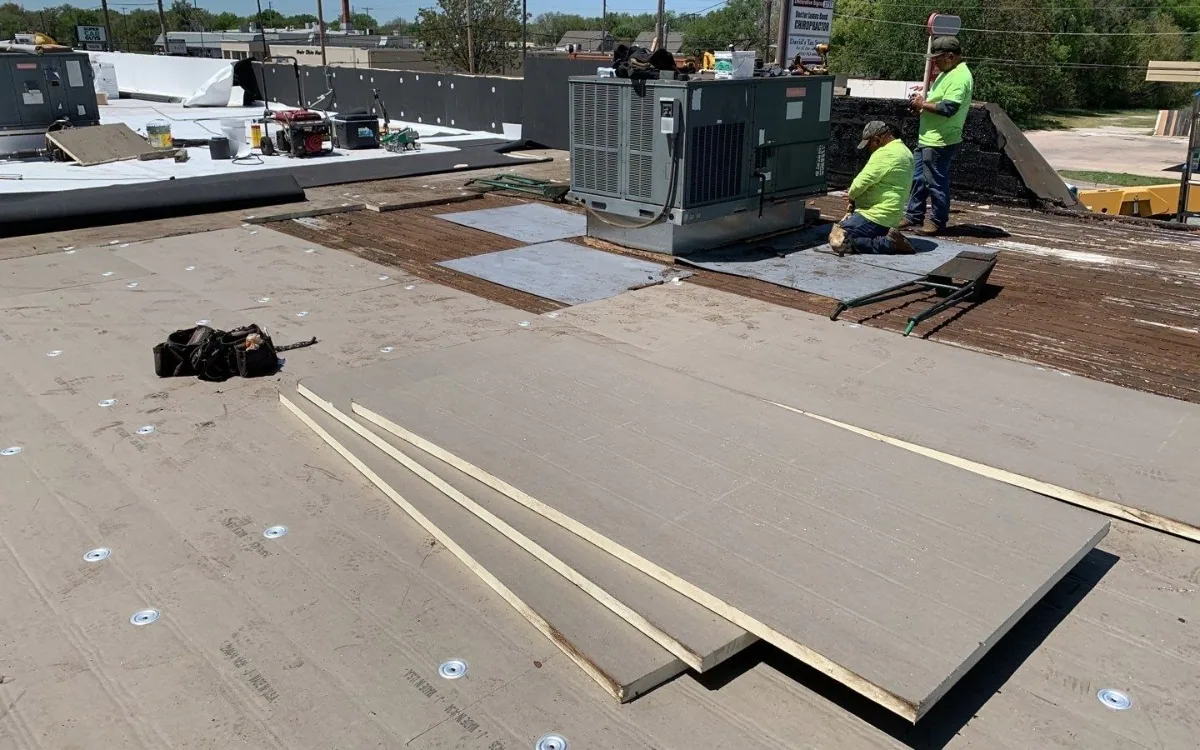
A hangar roof has long panel runs, large door openings and equipment that may need to remain available. We coordinate aircraft movement, apron access and work boundaries with the operator before bringing materials to the roof. Inspect panel seams, ridge transitions and the large door interface together; water can enter where one component moves against another. Lift position and fall protection need to fit the building and active access routes. If a hangar system has changed over time, record the observed layers rather than assuming the full roof is uniform. At handback, document repaired runs and remaining questions so the operator can plan the next inspection.
Talk Through Your Hangar Roof
Tell us about the building and the problem. We will explain the repair, the full cost including access and what the operator needs to approve.
Related Roofing Pages
Other services, systems and conditions Glendale owners often review alongside this one.
Questions About Aircraft Hangar Roofing
Flashing height, working room and solid backing at the header. The door contractor and engineer handle the door and its supports; we need a sound surface for a permanent flashing.
The operator decides where aircraft and vehicles go. We provide our staging and debris plan for review, and cleanup and handback steps are part of the method.
No. The building's owner or operator has to approve the destination and route. People and equipment still need that property's permission.
When its condition could change the repair or roof system choice. We define what needs answering, and larger decisions need testing across that area.
The finished roof details, approved changes and any open door, wall or equipment items, so the operator knows what is done and what remains.